
There is a unique, undeniable thrill in stepping into the role of a keyboard general. For those of us who grew up obsessed with the rigid, tactical landscape of historical warfare, the draw of a World War-themed real-time strategy game is almost magnetic. The prospect of commanding troops across historically inspired battlefields, managing supply lines, and orchestrating pincer movements is a siren song I find impossible to ignore. Sudden Strike 5 arrives on the scene with the weight of a franchise legacy behind it, promising a deep, immersive dive into the chaos of global conflict. On paper, it looks to be the definitive strategy experience for the modern era. In practice, however, it falls short of being the title I find myself wanting to return to once the smoke clears.
There is an Enemy in Every Bush
The core gameplay of Sudden Strike 5 is a mixture of ambitious design and frustrating execution. The game offers 25 campaign missions spread across three distinct campaigns, which provides a decent amount of content for a dedicated player. A standout addition is the tactical variety offered by the General system; before each mission, you choose between a general who specializes in defensive, offensive, or tactical doctrines. This choice genuinely alters how you approach objectives, providing a layer of replayability that feels like a genuine step forward.
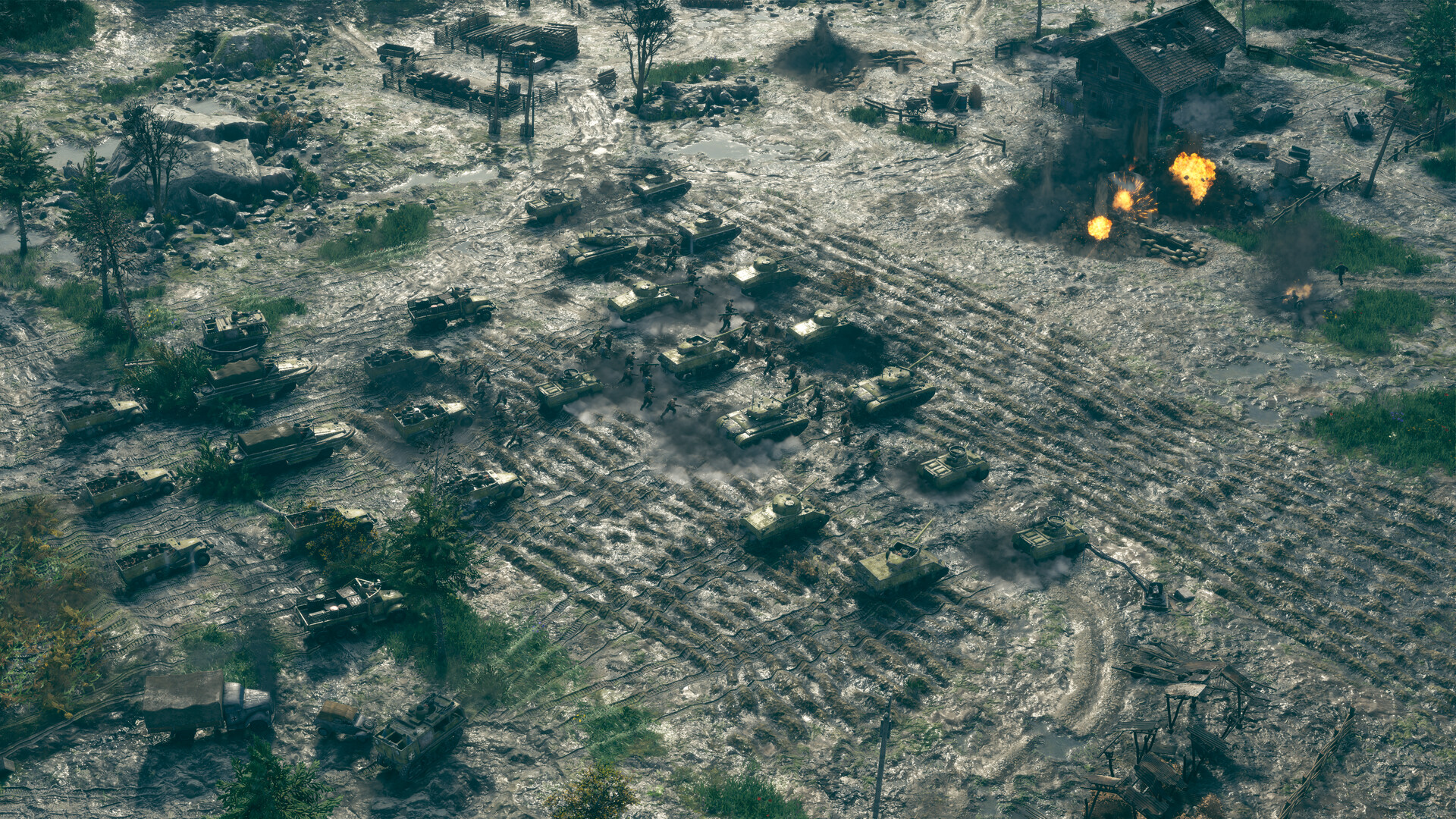
However, the immersion falters when the actual combat begins. Artificial Intelligence is, unfortunately, quite lackluster. In a genre that relies on sophisticated AI to provide a challenging “chess match” feel, the enemy in Sudden Strike 5 often resorts to predictable patterns. When you combine this weak AI with the overt power discrepancy between tanks and infantry, the tactical nuance evaporates. The most sound, efficient strategy is far too often just massing tanks into a formation and rolling over everything in your path. This “steamroller” approach strips away the satisfaction of careful planning.
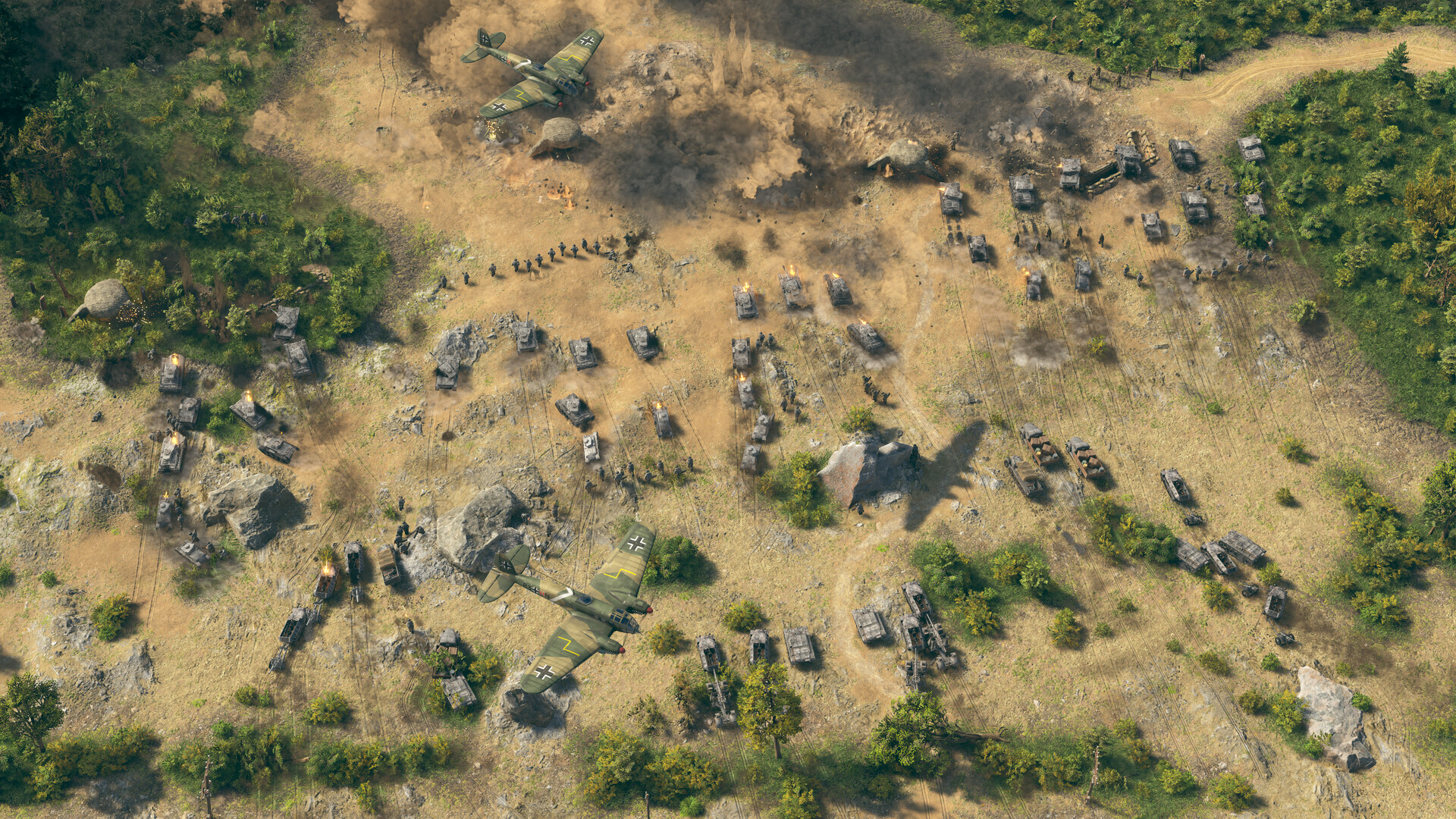
Furthermore, the controls and combat fluidity feel a noticeable step backward from the previous entries in the series. Ordering units around can feel unresponsive or a bit off, with a lack of precision that is unforgivable in a game that demands tactical maneuvering. While the maps themselves are impressively large, offering multiple routes and side objectives that breathe life into the mission design, they suffer from a cheaper design philosophy. The developers seem to have prioritized stuffing the map with enemies rather than creating intelligent placements. This makes sneaking behind enemy lines or pulling off a clever ambush nearly impossible, as you are constantly confronted with foes no matter which path you take.
The multiplayer experience is perhaps the greatest disappointment. As it stands, there are only two maps available for online play, and neither feels representative of the series’ potential. Given the history of the franchise, one can assume that additional maps are being planned—but there is a lingering, cynical fear that these will ultimately be locked behind a paywall, leaving the base game feeling starved of content.
Eye Candy vs. Interface Nightmares
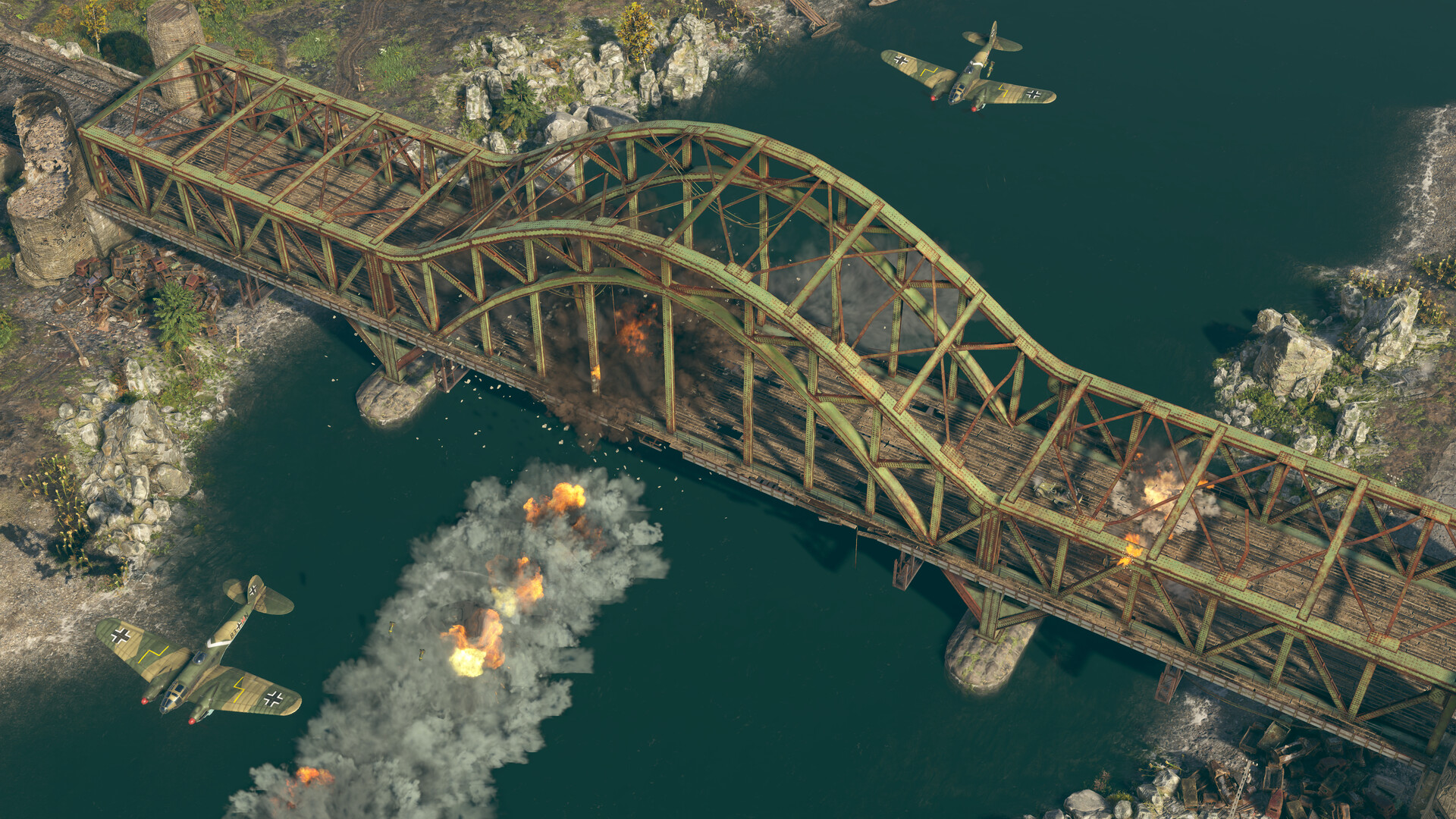
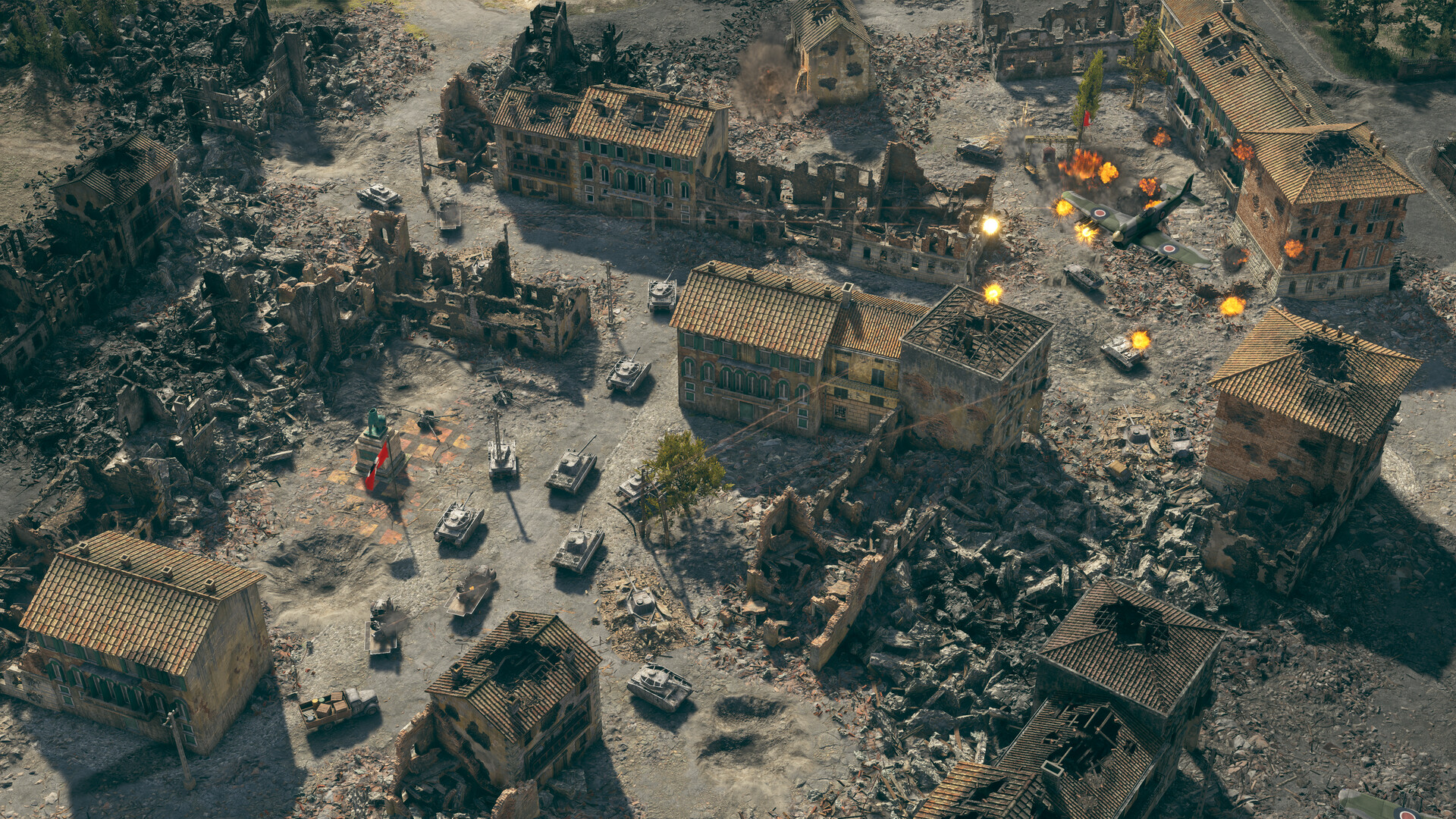
Visually, Sudden Strike 5 is a legitimately good-looking game. The developers have clearly put effort into environmental detail; watching a heavy tank flatten a forest, seeing debris scatter, or witnessing the crater-filled wake of a massive explosion provides the tactile, gritty satisfaction one expects from a WW2 title. The game captures the feeling of a battlefield in decay with remarkable success.
Unfortunately, the UI seems to be actively working against the player. Navigating the menus is a chore, and the obscure button iconography makes it difficult to understand exactly how to manage complex unit formations or advanced maneuvers. When you pair this clunky interface with a severely lacking tutorial, the barrier to entry becomes unnecessarily high. New players are forced into a grueling cycle of trial and error just to learn the basics, which is a frustrating way to begin what should be an empowering experience.
Conclusion
Sudden Strike 5 occupies a strange space in the current gaming landscape. It is a stable, functional RTS that serves as a modest technical step up from its predecessor. In a market where we aren’t seeing nearly enough high-budget strategy games based on the conflicts of the 20th century, there is something inherently comforting about returning to the digital battlefield. It feels good to be back in command, planning maneuvers and feeling the weight of the war effort. Yet, despite the beautiful engine and the interesting general system, the game struggles with its own identity. It is a title that I wanted to love, and while it provides a temporary fix for the strategy-hungry gamer, it lacks the polish and mechanical depth to be a classic I will return to in the years to come.
Leave a Reply