
Some of my favorite narrative experiences over the years are easily The Stanley Parable and Gone Home. When I heard that a new studio, Ivy Road, had formed featuring the creative minds behind those seminal titles, my expectations were immediately piqued. Wanderstop had all the potential in the world to be something special, and when I learned it was grounded in raw, real-life stories about stress and professional burnout, I was hooked. The burning question, however, remained: how does a high-stakes, character-driven narrative meld with the mechanics of a tea-making simulation? As it turns out, the answer is very, very well.
A Warrior’s Retreat: The Story of Alta
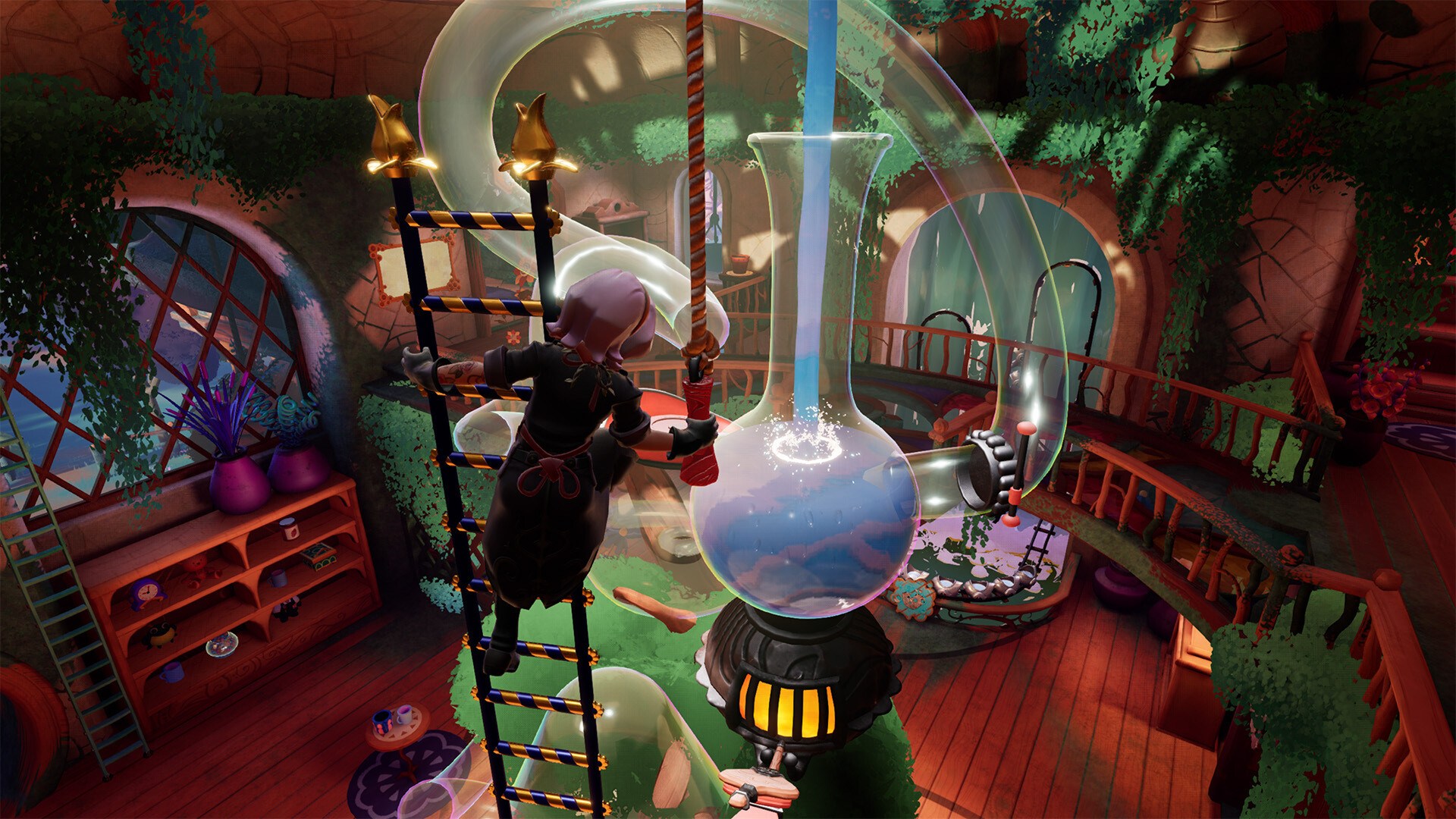
In Wanderstop, you step into the boots of Alta, a warrior who has spent years standing at the summit of her profession. She is a fighter of immense renown, but the narrative begins at her breaking point. After suffering a crushing defeat, Alta descends into a psychological spiral. Her physical prowess, the very thing that defined her existence, has evaporated, leaving her exhausted and unable to even lift the sword she once wielded with perfection.
In a desperate shift of pace, she finds herself manning a remote tea shop. It is a place she fundamentally does not want to be. Alta is a woman possessed by the need to return to the top, to reclaim her status as the number-one fighter, and she views this quiet, domestic life as a prison.
It is not hard to see how this transition reflects the human condition. Wanderstop serves as a mirror for the stress and chronic burnout that many of us face if we fail to take a step back, breathe, and find value in simply existing rather than constantly achieving. We have all been in positions where the drive for more, more success, more recognition, more intensity, ends up costing us far more than it gives back. The game is dialogue-heavy, and through these interactions, as well as Alta’s deeply personal internal monologues, the game poses questions we often avoid in our daily grind. The act of growing and brewing tea serves as a rhythmic, meditative bridge between these heavy realizations, giving the player space to process what they’ve just heard.
I found the story to be profoundly resonant, hitting home in ways I didn’t anticipate. It is one of those rare titles that doesn’t just stay inside the screen; it follows you into your real life. It encourages introspection that genuinely makes the “outside world” feel a little more manageable.
The Mechanics of Mindfulness
Wanderstop is, first and foremost, a game, and while its narrative weight is its greatest asset, we must address how it functions as an interactive experience. The gameplay is essentially split into three pillars. First, there are the conversation-driven segments with guests and the overarching narrative beats. Second, there is the tea brewing itself, a simple, tactile process of heating water, steeping leaves, and adding fruits to achieve specific flavor profiles. It is a chore, yes, but its simplicity is a deliberate design choice that complements the game’s theme of slowing down.
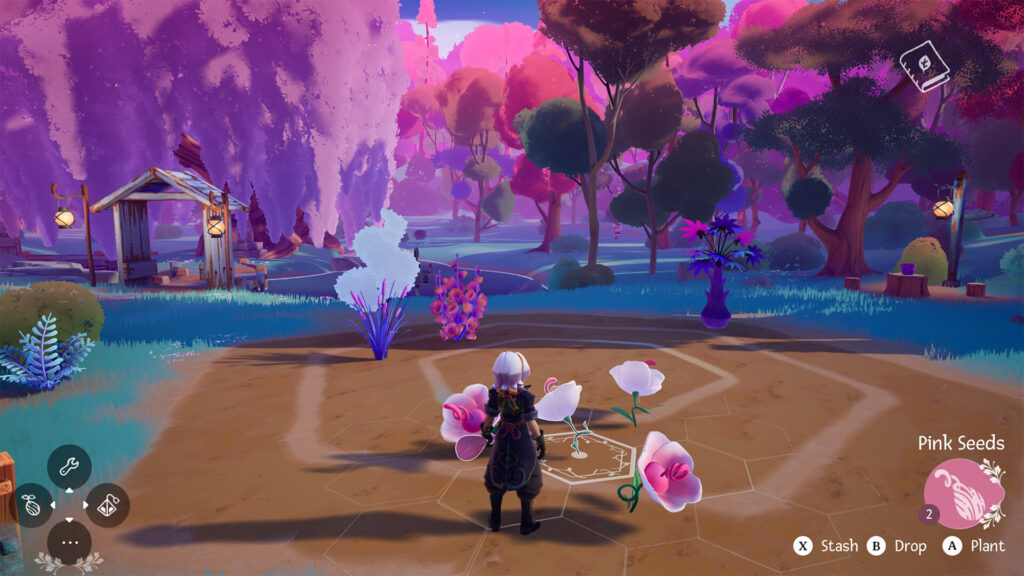
Third, there is horticulture: growing plants in a grid-based system where you must arrange them in specific constellations to yield new varieties. This puzzle-like element forces you to listen to your visitors’ preferences to ensure you are brewing the right tea for the right person. While these mechanics provide the necessary structure to keep the game moving, I often felt that I was performing these tasks primarily as a gateway to unlocking more of Alta’s internal growth and the fascinating stories of her customers.
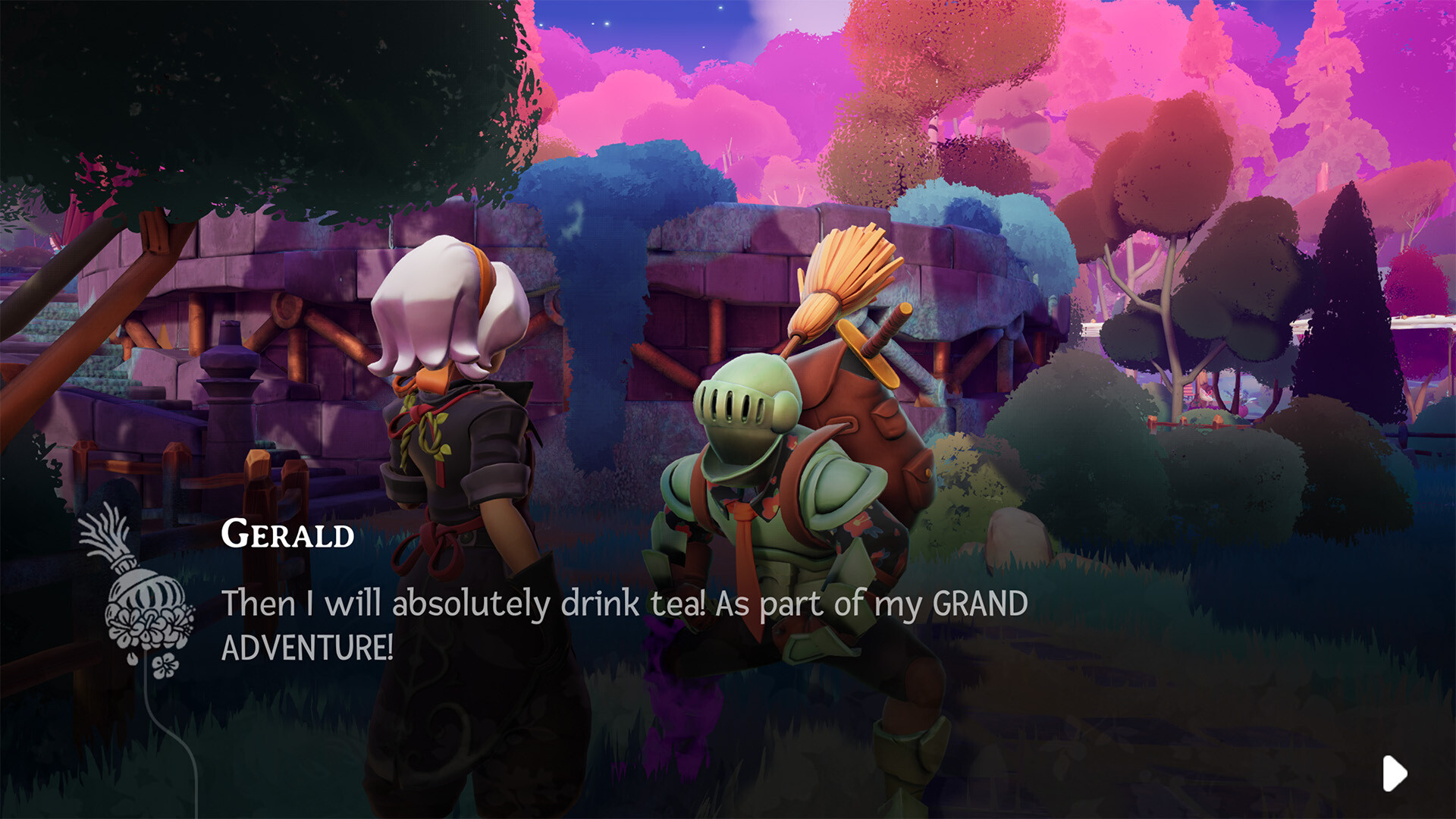
However, the core gameplay element that truly makes Wanderstop stand out is the “do-nothing” philosophy. In a medium dominated by quest logs, ticking timers, and endless checklists, Wanderstop grants you the grace of stillness. The tea shop owner tells you early on that visitors might not want tea; sometimes, they just want to exist. The same applies to you. You can dust the floors, decorate the café, or simply sit on a bench with a warm cup of herbal tea. There is no urgency. It is a game that teaches you to take your time, and experiencing it on the Nintendo Switch 2 felt like the perfect marriage of hardware and software. Being able to focus on the intricate rhythm of the tea-making in handheld mode, then docking for a cinematic, meditative story sequence on the TV, provided a seamless experience.
Presentation and Technical Performance
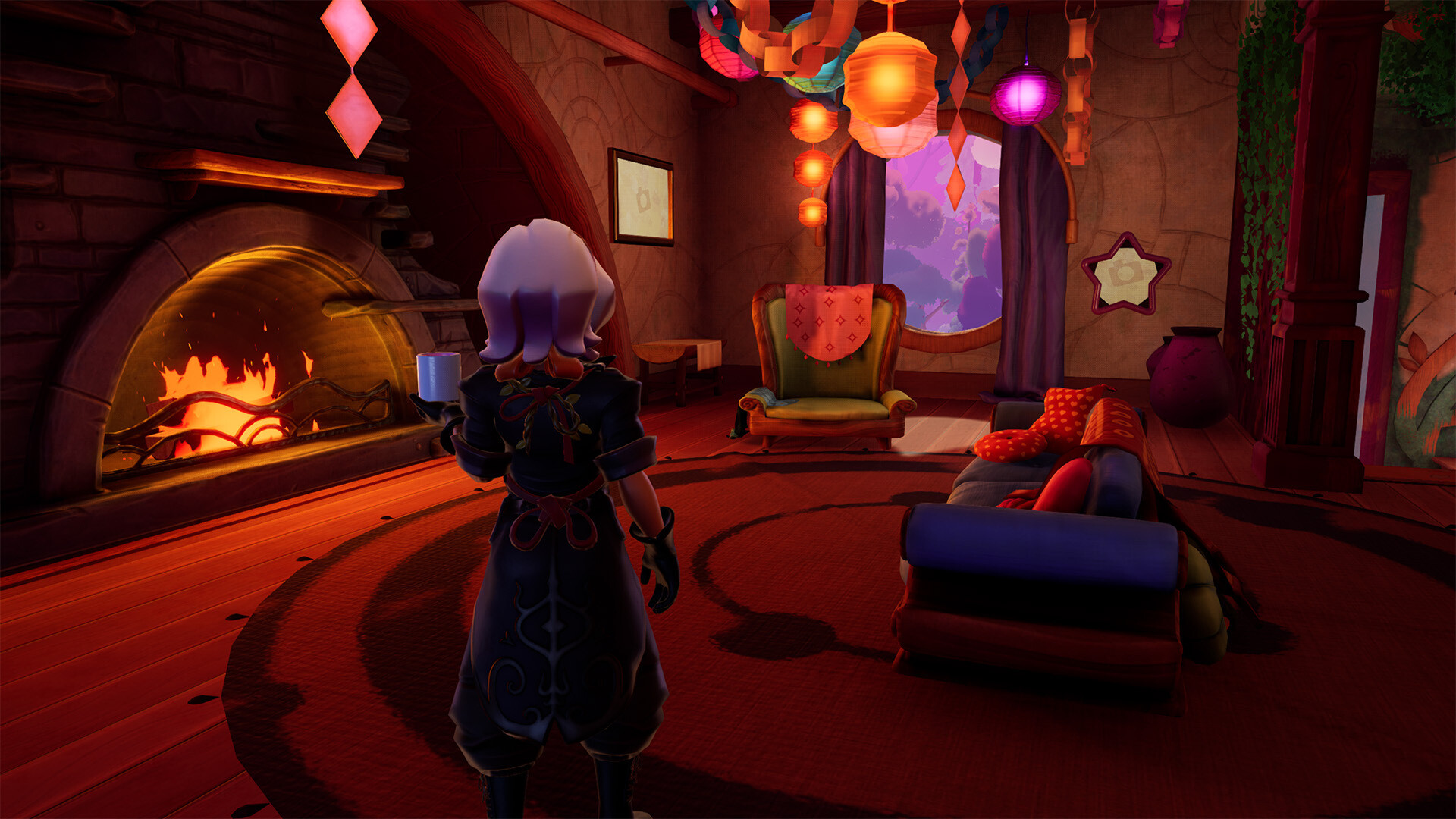
Wanderstop embraces a cartoony, cozy visual style. While it isn’t necessarily a graphical powerhouse, the art direction serves the narrative perfectly. It is colorful, inviting, and humble, which fits the setting of a quiet, woodland tea shop. That said, I did notice the frame rate dipping occasionally on the Switch 2. While it never ruined the experience, it was a slight disappointment for a game that doesn’t push the technical envelope visually.
The audio, specifically the voice acting, is a high point. The voice work in the game’s cinematic cutscenes is stellar, possessing an emotional depth that anchors the characters. However, I couldn’t help but wish this quality was consistent across the entire experience. When the game shifts from voiced-acted narrative peaks to standard dialogue boxes, the transition can feel a bit jarring, breaking the immersion of the game’s otherwise well-constructed world.
Conclusion: A Beautiful Unsettling
Ultimately, Wanderstop is a wonderful, transformative experience. It has provided me with a new lens through which to view my own habits and has sparked more self-reflection in the last few weeks than most other games have in the last few years.
To be clear: this is not a game for everyone. Whether you enjoy Wanderstop depends entirely on your patience for repetitive, gentle tasks and your desire for a slow-burn narrative. What makes it truly special, and why I believe it succeeds, is that it is cozy without being toothless. It is willing to be uncomfortable. It forces you to confront the anxiety of a life defined by output. The game manages to be a sanctuary while simultaneously holding up a mirror to the parts of ourselves we might be trying to outrun. It is a brave, quiet masterpiece of design, and I am glad I stopped to have a cup of tea with it.
Leave a Reply