
When I first sat down with Virtue and Sledgehammer, I honestly had a hard time grasping what the experience would actually entail. I knew the basic premise: there is a sledgehammer, there are environments waiting to be smashed, and presumably, there is some sort of narrative tying it all together. What I certainly did not expect was one of the deepest, most poignant stories of the year, a game that forced me to genuinely reevaluate aspects of my real life, all while making me feel a surprising sense of melancholy simply from breaking things.
A Philosophical Journey Wrapped in Grief
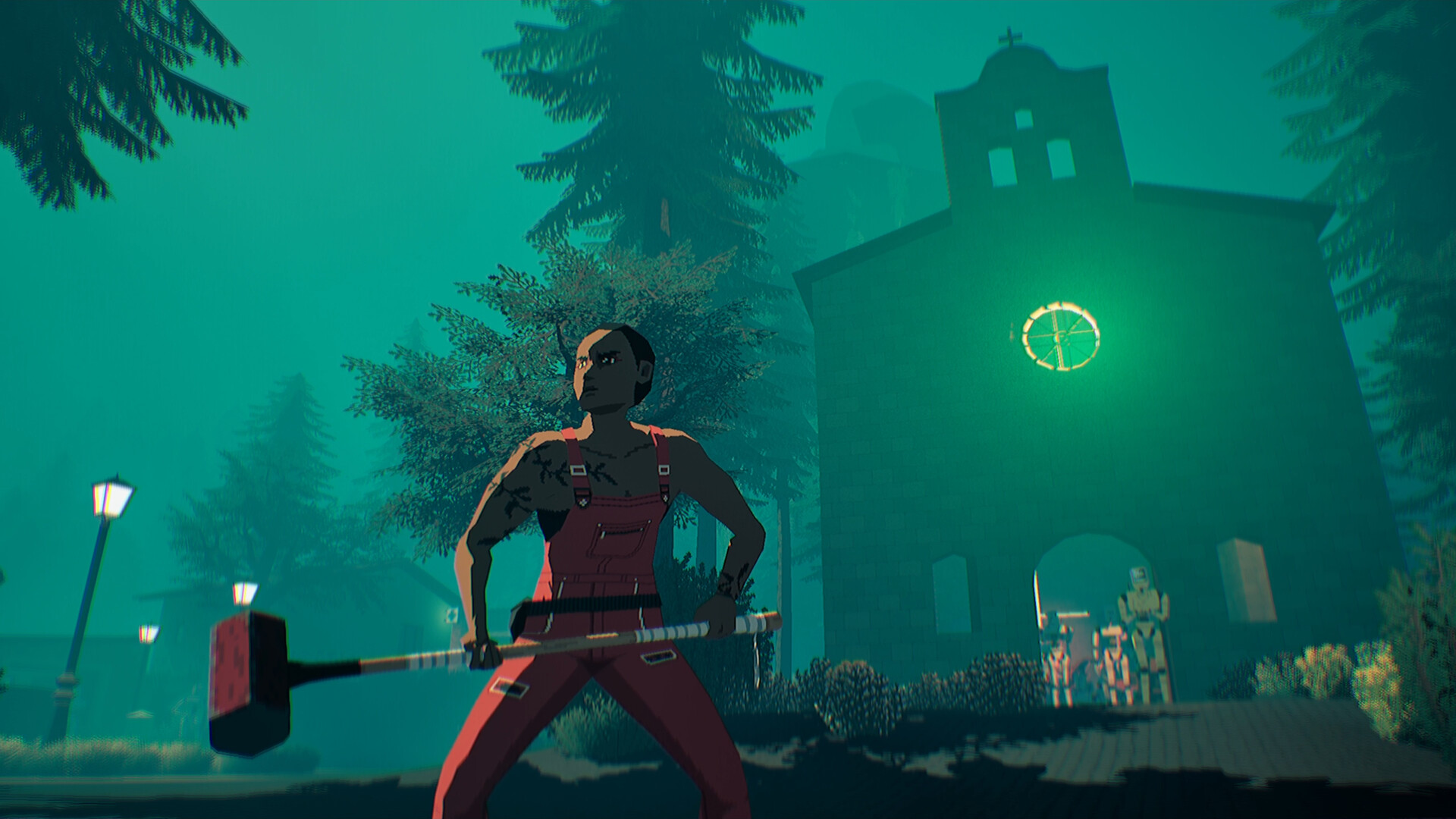
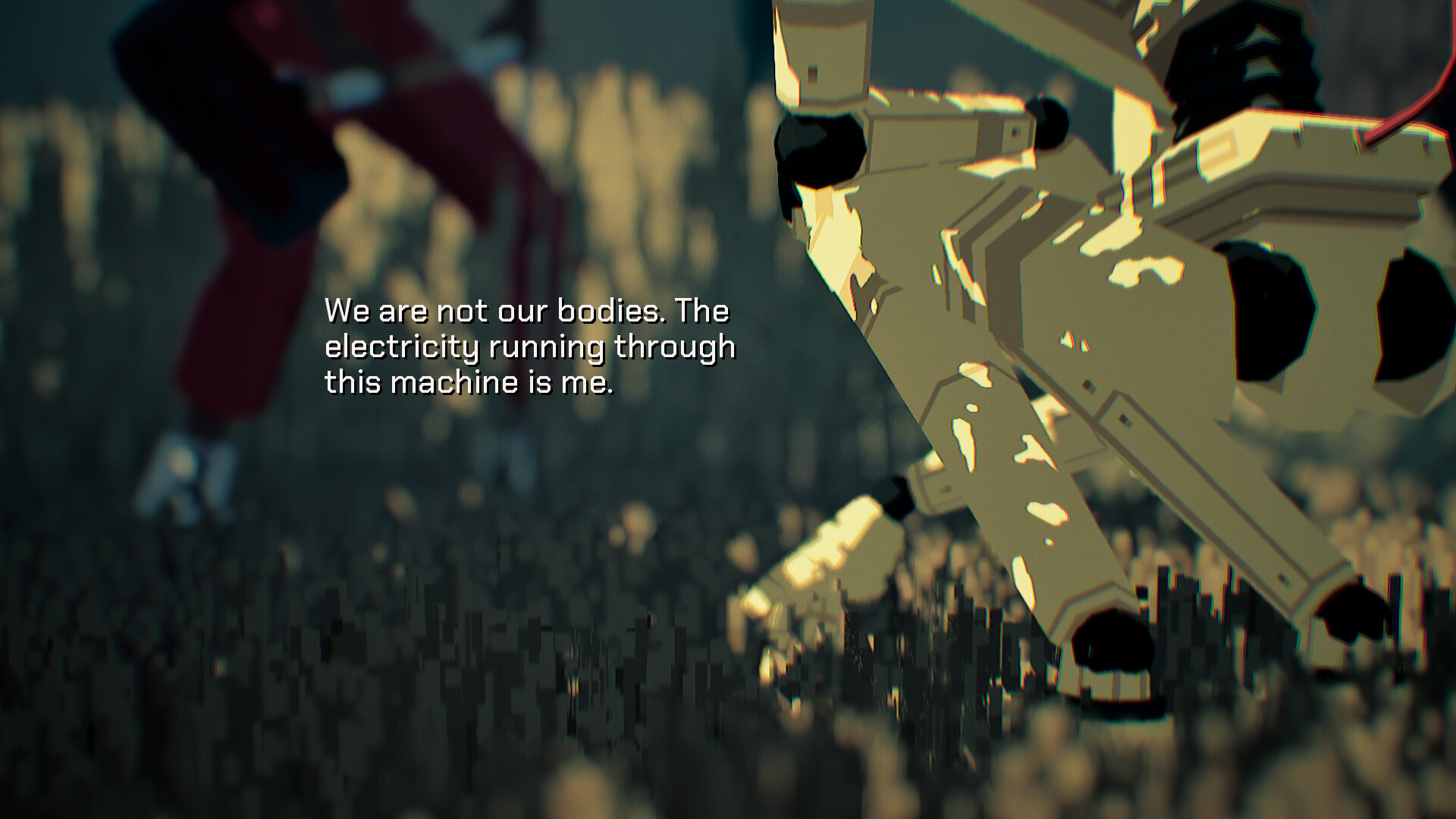
At its core, Virtue and Sledgehammer is a profound exploration of alienation, specifically, the struggle of not fitting into the community where you grew up. Yet, it reaches far beyond that initial premise to tackle universal themes: what it truly means to be alive, and the very essence of human identity. It presents a world where anger and grief serve as the primary mechanisms for moving forward, yet these emotions constantly collide with the weight of nostalgia and heavy philosophical inquiry.
This is a narrative that will leave you reflecting on your own existence, what you truly want out of life, and what lies beyond. Without a doubt, it is the most philosophical and emotional game I have played all year. Long after the credits rolled and the console was turned off, the game lingered in my mind, keeping me awake at night as I processed its lingering questions.
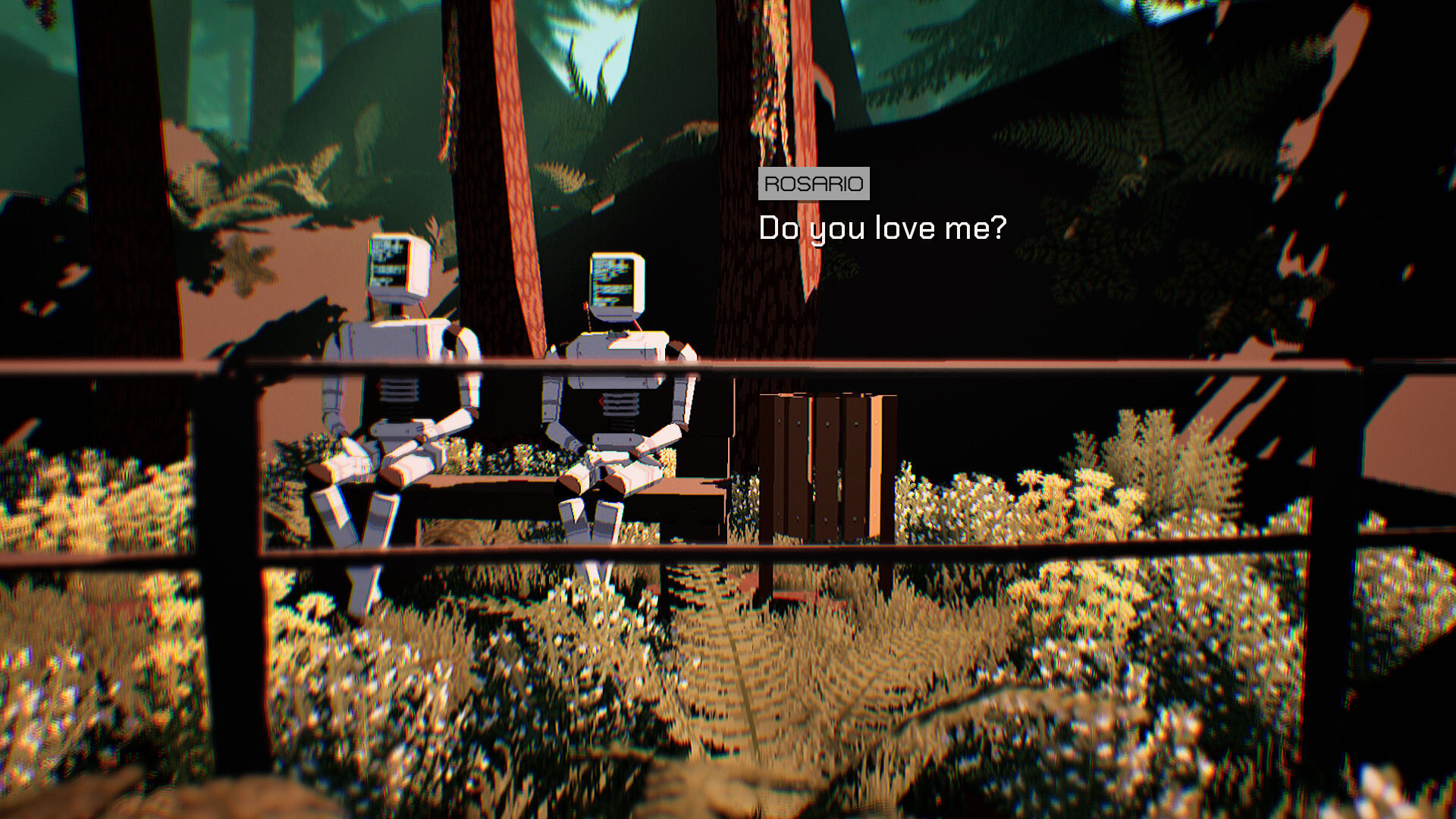
Remarkably, the game even manages the incredible feat of making the destruction of property feel genuinely wrong and sorrowful. The overarching atmosphere, down to the incidental dialogue and small talk among the world’s robotic inhabitants, radiates a deep sense of sadness. There is a particularly striking moment inside a building where a robot warns you that the occupants are fragile like children, urging you not to harm them. However, a collectible memory glimpse sits hidden within that very room. As I swung my weapon to reach it, accidentally clipping a nearby robot, I felt a genuine pang of guilt.
Pacing, Mechanics, and Presentation
The movement mechanics are notably deliberate; your character walks quite slowly. For the most part, this deliberate pace suits the narrative and the heavy, melancholic atmosphere the developers strive for. However, Virtue and Sledgehammer is also an exploration-driven experience. Players must hunt for scattered memories that either trigger immediate story sequences or unlock them incrementally after collecting a set amount. If, like me, you find yourself completely invested in the story, you will want to track down every single memory. Because of this thorough search, the inability to move just a fraction faster can occasionally make the ensuing backtracking feel like a bit of a drag.
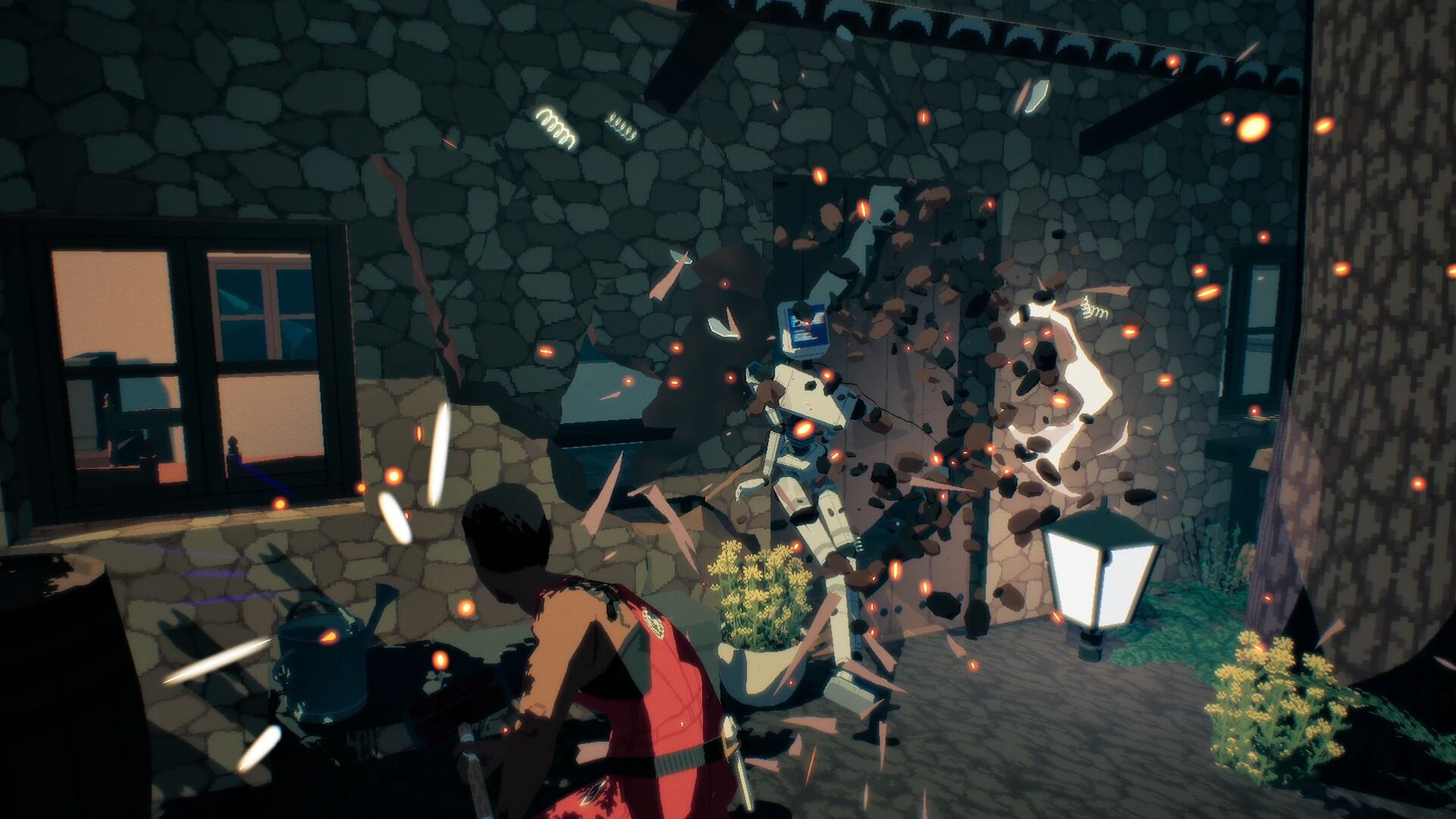
The core gameplay loop centers on exploration, memory collection, and utilizing your trusty sledgehammer to obliterate obstacles, buildings, and the hostile robots attempting to halt your progress. The destruction mechanics look fantastic: chunks of architecture crumble, and enemies recoil dramatically from impacts, occasionally blasting straight through walls. The game makes this kinetic destruction both satisfying and visually compelling. While the enemy variety is limited to just three types of attacking robots, this restriction matters very little in the grand scheme. Ultimately, the experience leans heavily toward the philosophy of a walking simulator, but one elevated by the inclusion of a sledgehammer to keep the player actively engaged.
Visually, Virtue and Sledgehammer opts for an aesthetic that may not appeal to everyone. Embracing a low-poly style for its environments and characters, it evokes a distinct bygone era of gaming. Yet, clear design lineage from modern masterpieces like Alan Wake 2 and the classic destruction mechanics of Red Faction shine through in its overall presentation. Complementing these visuals is a phenomenal soundtrack. Transitioning seamlessly from calm, melancholic ambient synth tracks to intensely stressful compositions during narrative peaks, the music profoundly elevates the entire emotional experience.
Conclusion
Virtue and Sledgehammer is a remarkable achievement: a title boasting deceptively simple gameplay paired with an intensely deep narrative that touches the player on multiple levels. It is a game that stays with you long after the final credits fade. I originally approached it expecting a straightforward, brief experience about breaking things with a heavy tool, accompanied by a passable narrative wrapper. Instead, I walked away having indulged in plenty of cathartic destruction, even if the rich characters and heartbreaking context almost made me feel guilty for it, alongside a story that I will undoubtedly ponder for years to come. Do yourself a favor and play this game.
Leave a Reply