
With a sleek design, engaging puzzle mechanics, and a narrative premise centered on the moral complexities of a manufactured utopia, D-topia initially appeared to be exactly the kind of thoughtful gaming experience I crave. On paper, it promised a sophisticated blend of choice-driven narrative and cerebral challenge. But after spending time within its sterile, block-based walls, the question remains: does D-topia manage to succeed as a cohesive experience?
A Utopia of Compromise
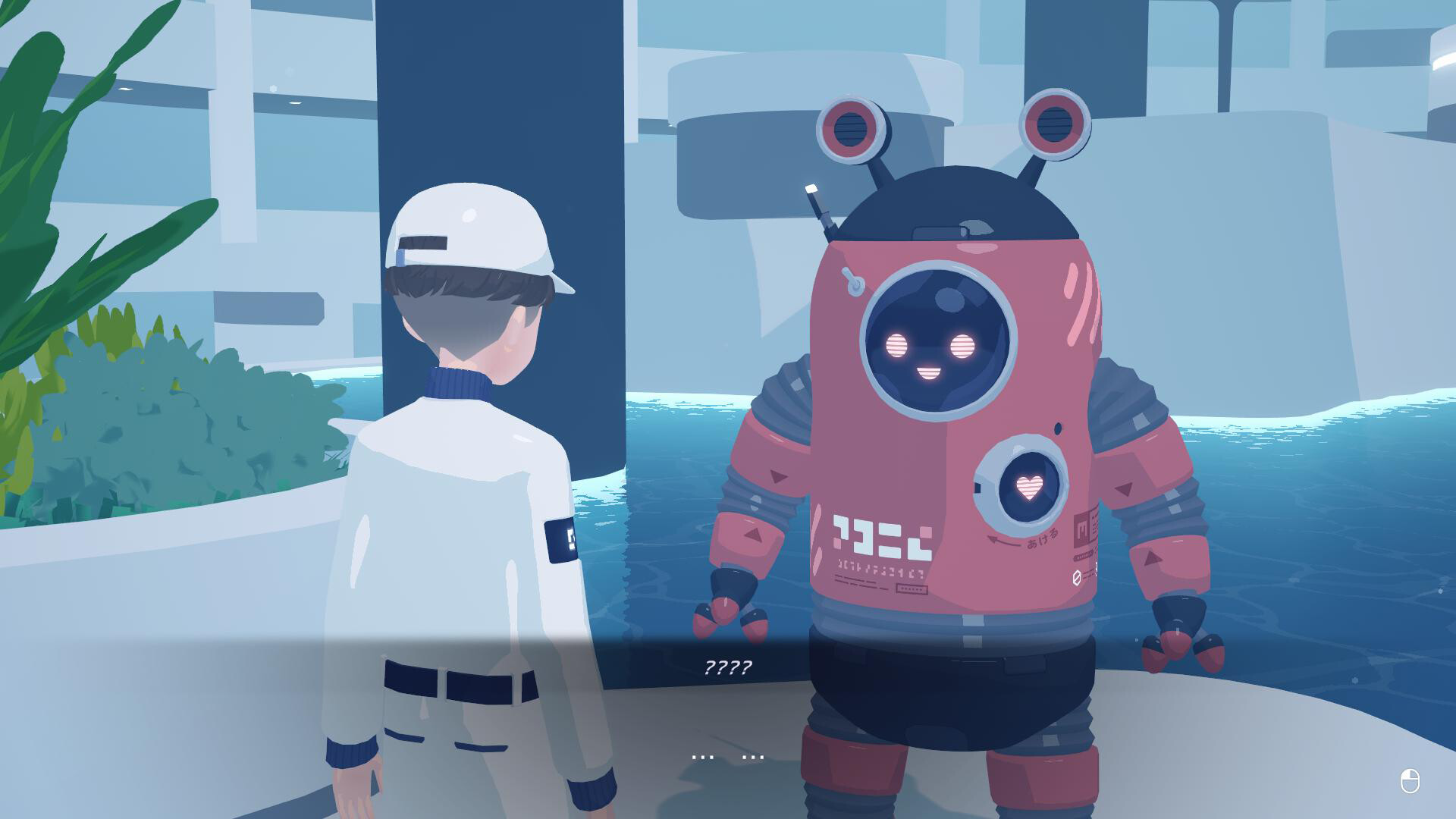
In D-topia, you step into the shoes of a maintenance worker who has recently arrived at the titular utopian society. This society is governed by a singular, overarching AI whose primary mandate is to maximize human happiness. As you navigate this environment, you begin to peel back the layers of “The Utopia Project”, a series of experimental societies, to understand why sector D is considered the pinnacle of the AI’s achievement.
The bulk of your time is spent interacting with the citizens of this world. These interactions are where the game’s moral weight is supposed to manifest. The process of making a decision is methodical: rather than choosing from a simple list of options, you are prompted with a series of binary “yes or no” questions. These questions serve as a funnel, forcing you to justify your internal logic before committing to a final action. You might be asked to decide whether to save a stray cat, strictly against regulations, or choose whether to manipulate local weather patterns to help a friend pass a mandated citizen test.
While I appreciated the nuance of these dilemmas, they ultimately suffered from a lack of stakes. The questions were consistently easy to answer with a clear conscience making the moral choices feel hollow. Furthermore, despite the game’s insistence that these choices shape the character arcs and the wider narrative, I rarely felt that my decisions rippled outward in any meaningful way. The consequences felt more like flavor text than true narrative divergence.
Mechanical Proficiency Without Challenge
The gameplay loop of D-topia is binary, split between dialogue-heavy narrative segments and puzzle-solving tasks. Both elements are competent, but neither ever manages to be truly great.
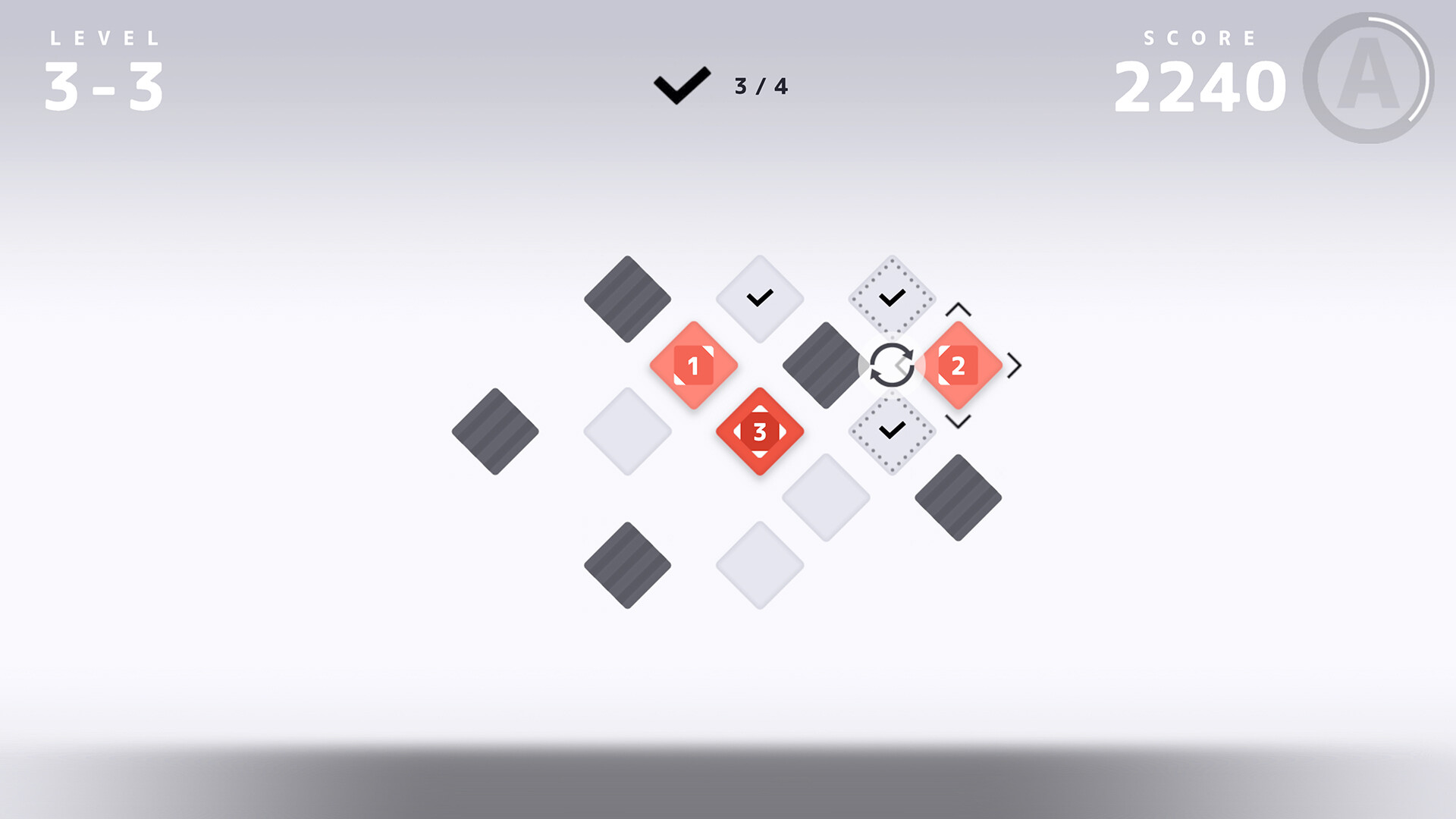
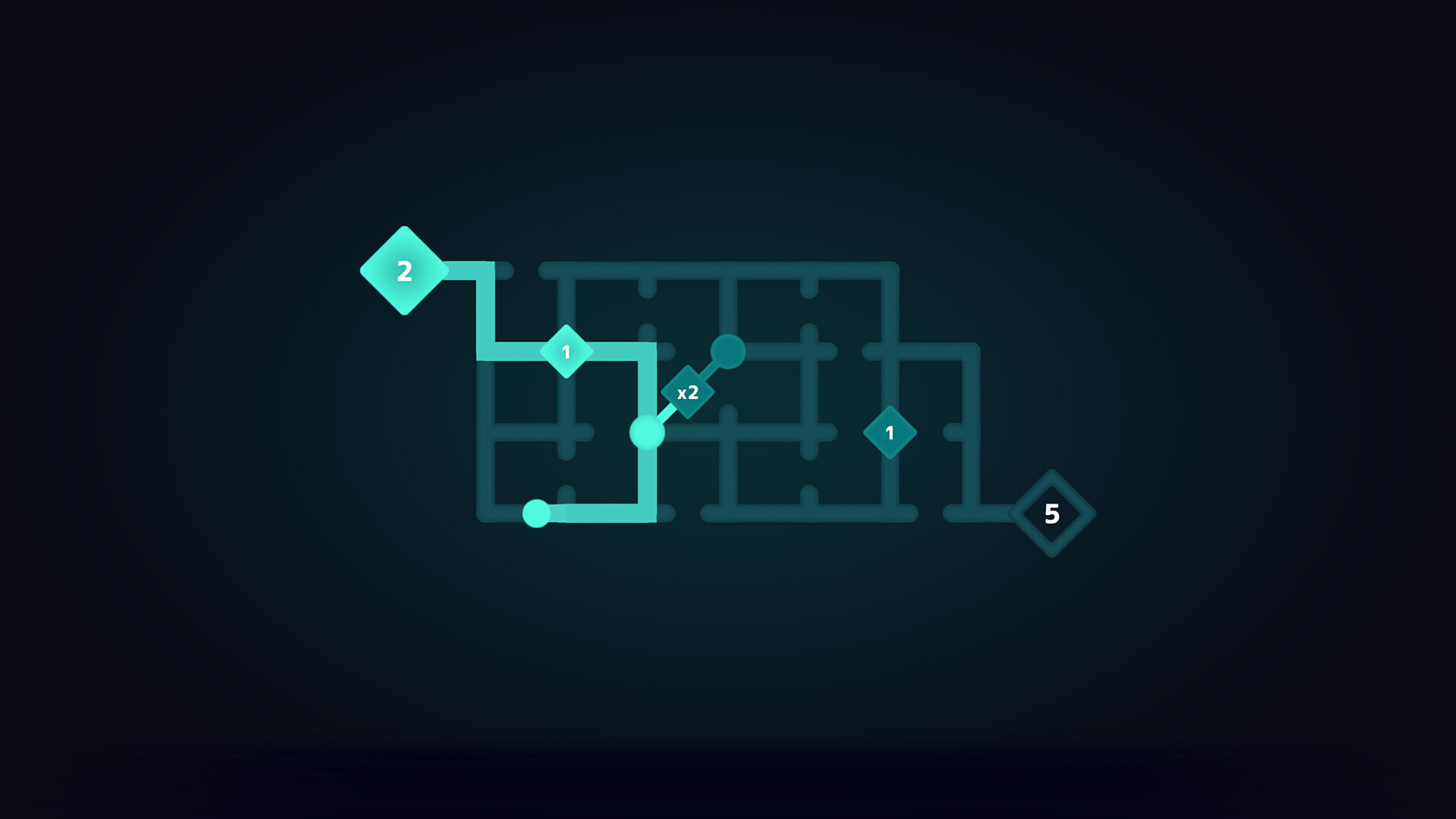
The puzzles, which I enjoyed on a surface level, revolve heavily around numerical logic. Some involve navigating grids to reach a specific total, while others require moving blocks to accumulate value without repeating a path. There are also clever, Minesweeper-inspired puzzles hidden throughout the environment. These puzzles serve a narrative function as well; since the world is actually constructed of rudimentary blocks that the AI “masks” behind a pleasant, high-fidelity visual layer, your maintenance tools allow you to toggle this view off. Seeing the “true” blocky reality of a pristine garden or a sparkling pond while fixing broken objects is a satisfying touch that grounds the sci-fi setting.
However, the difficulty curve is nearly non-existent. The puzzles are consistently far too easy, acting more as a meditative distraction than a genuine test of skill. While they are fun in short bursts, they lack the complexity one would expect from a game so heavily reliant on them as a primary mechanic.
A Sterile Aesthetic
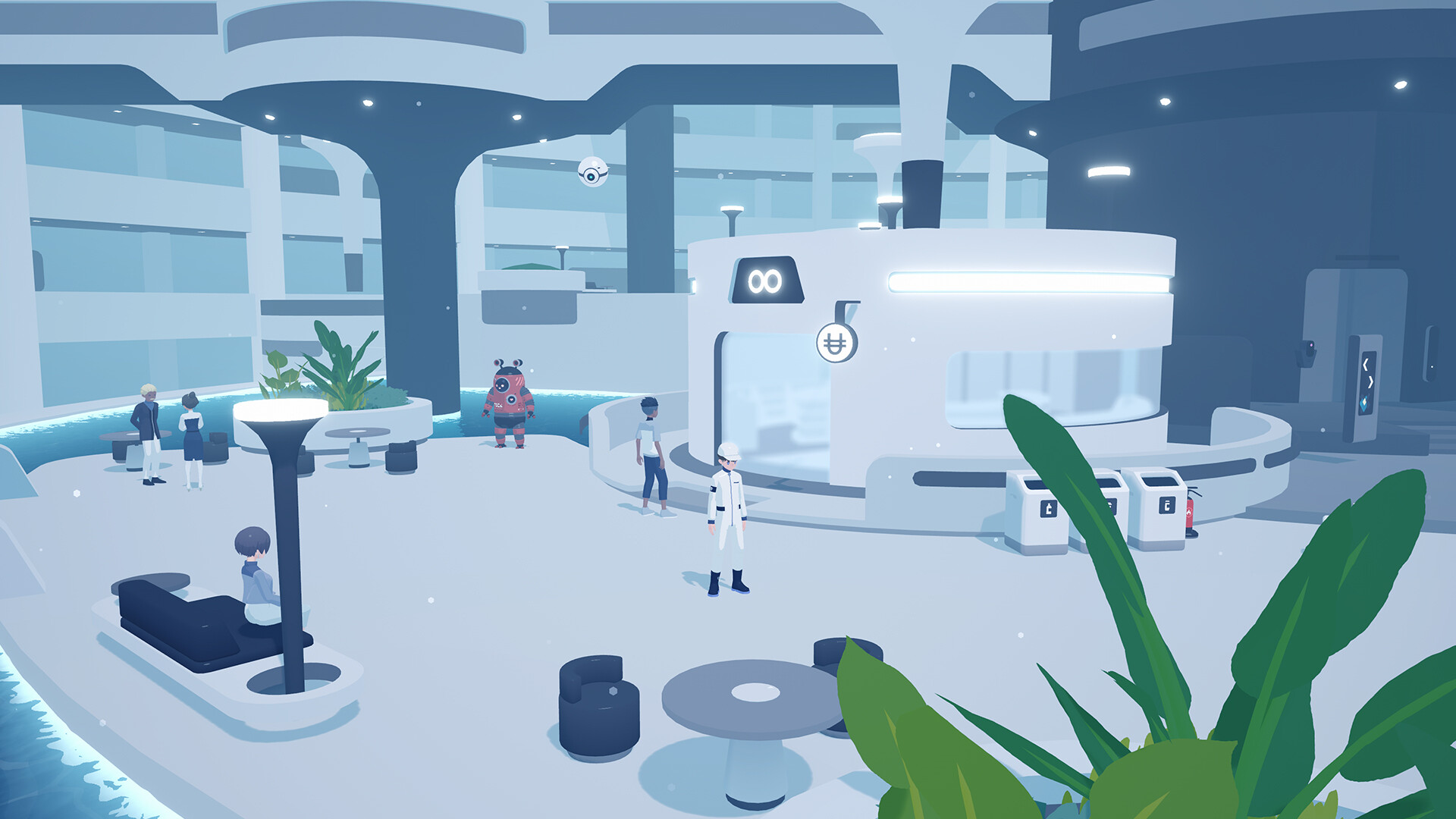
Visually, D-topia is striking. The environment is relentlessly sterile—all white walls and clinical, clean lines, which perfectly reinforces the oppressive, calculated nature of the AI’s vision. The character designs are unique and genuinely interesting, successfully conveying a sense of humanity trapped within an artificial shell. This aesthetic is compelling enough that I found myself wanting to learn more about the lore. Unfortunately, the game clocks in at under five hours, leaving much of its world-building feeling truncated and superficial.
A Collection of Divided Parts
D-topia holds some truly great ideas. I enjoyed the philosophical inquiries into the nature of happiness, the sacrifice of individuality for stability, and the clever, albeit simple, puzzle mechanics. However, the game fails to make these disparate parts work in harmony.
The experience feels like two distinct games occupying the same space: I would have happily played these numerical puzzles as a standalone mobile app, and I would have been just as satisfied with a purely narrative visual novel that delved deep into the history of the Utopia Project. By forcing them together, D-topia creates a package that never quite resonates. It is a visually polished and intellectually curious endeavor, but one that ultimately leaves the player wanting more depth than it is willing to provide.
Leave a Reply