
It took me a remarkably long time to finally dare try this franchise out, but once I did with The Guild II: Renaissance, I was instantly hooked. Even though subsequent entries never quite hit the same high notes, my nostalgic fondness for that game keeps the series in exceptionally high regard. When the announcement dropped that we were getting a new installment, effectively a remake of the classic first title, my interest was immediately reignited, especially given how disappointing the latest mainline entry turned out to be.
Feudal Ambitions
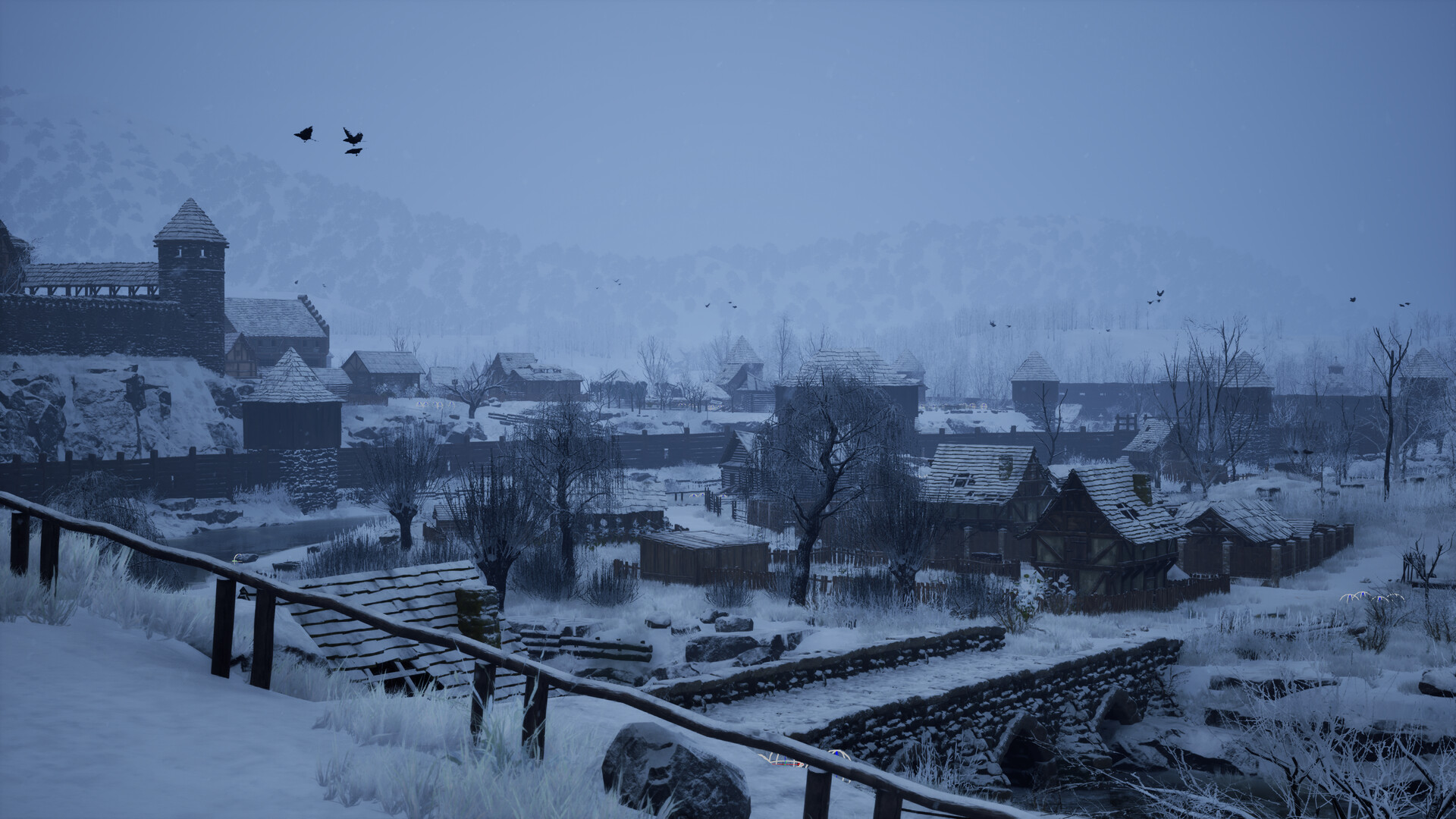
Set in the turbulent landscape of 15th-century Europe, The Guild 1 Remake: Europe 1410 drops players right into the heart of a living, breathing feudal society. At its core, this is a unique hybrid of economic simulation, role-playing, and political strategy. You begin your journey as a humble commoner trying to carve out a living. Whether you choose to run a modest tavern, forge weapons as a blacksmith, or produce herbal remedies, your ultimate goal is to build a thriving dynasty.
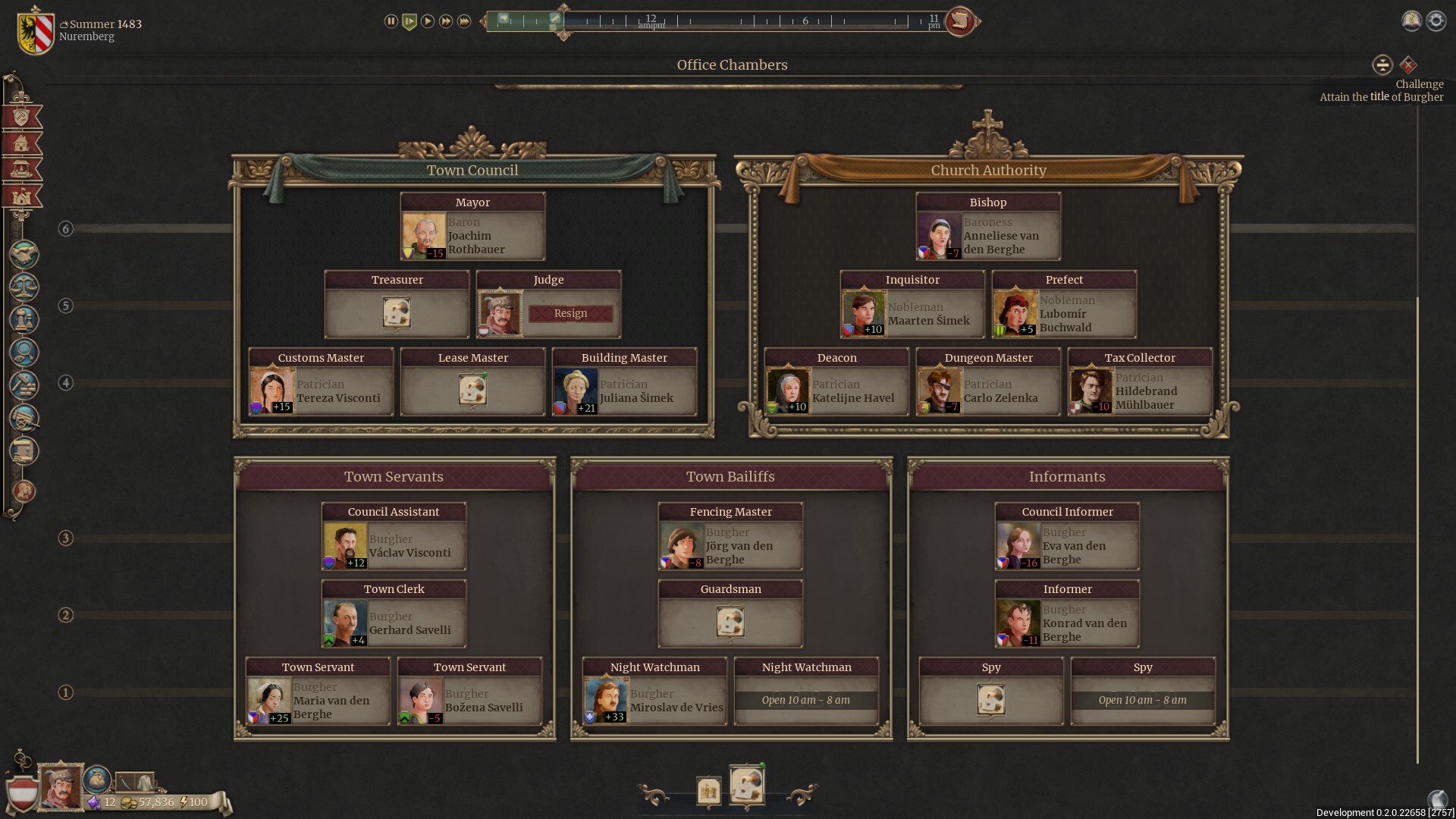
Gameplay revolves around managing your businesses, acquiring property, and climbing the social ladder. However, earning coin is only half the battle. To truly succeed, you must engage in the fascinating world of medieval politics. The game tries to simulate a complex society where your actions have lasting consequences, but doesn’t reach the current early access state, it feels more like a checklist to work through right now, and a pretty short list at that, making the game a bit repetitive.
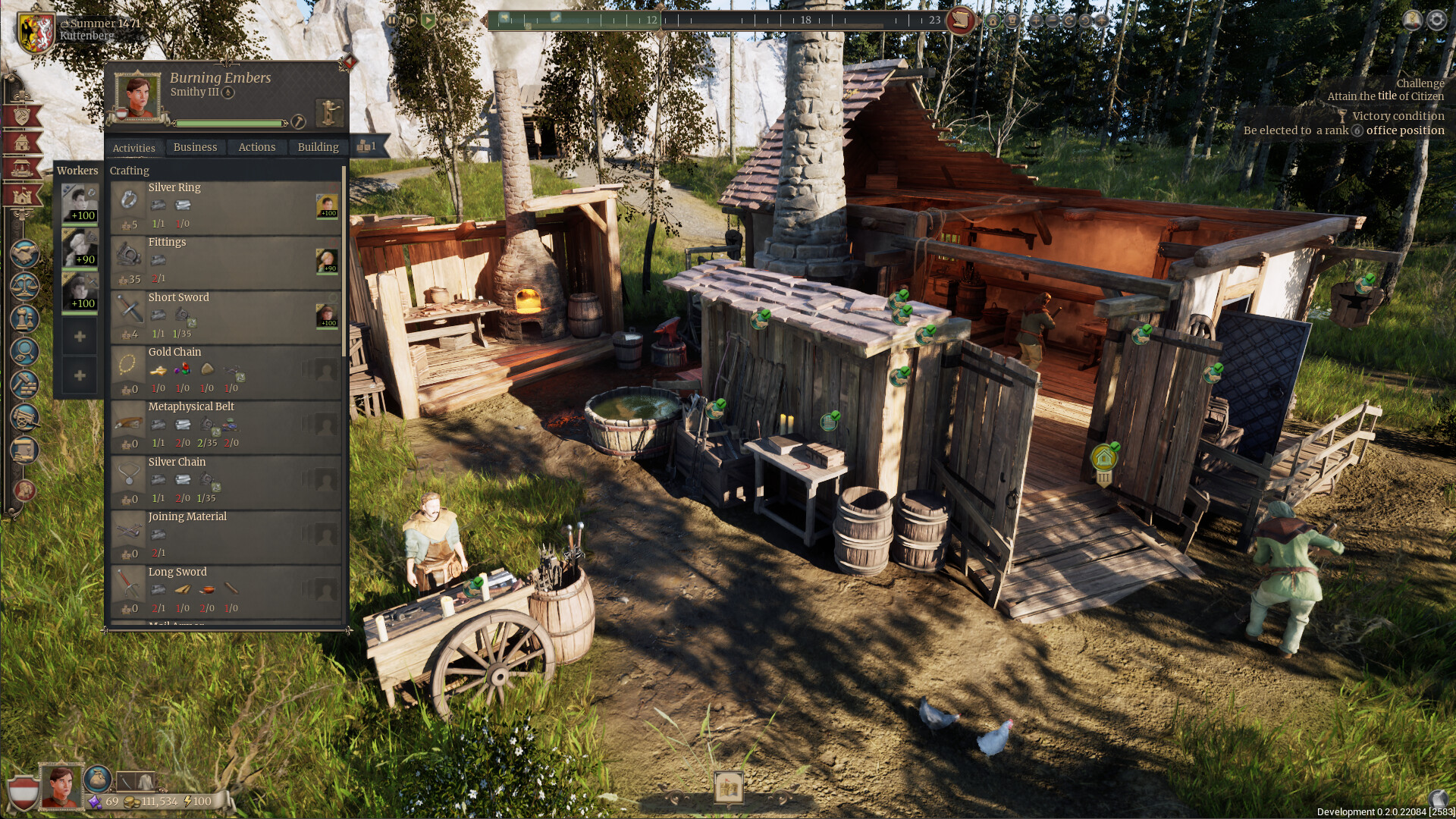
Graphically, the game looks great. Exploring the cities and stepping inside the different homes and businesses is a real pleasure. Much of the gameplay still takes place in menus and separate panels, but I enjoy scrolling down to street level and soaking up the atmosphere. There are a few visual quirks and bugs to iron out, but I’m confident the developers will get there.
A Promising Foundation Seeking Its True Identity
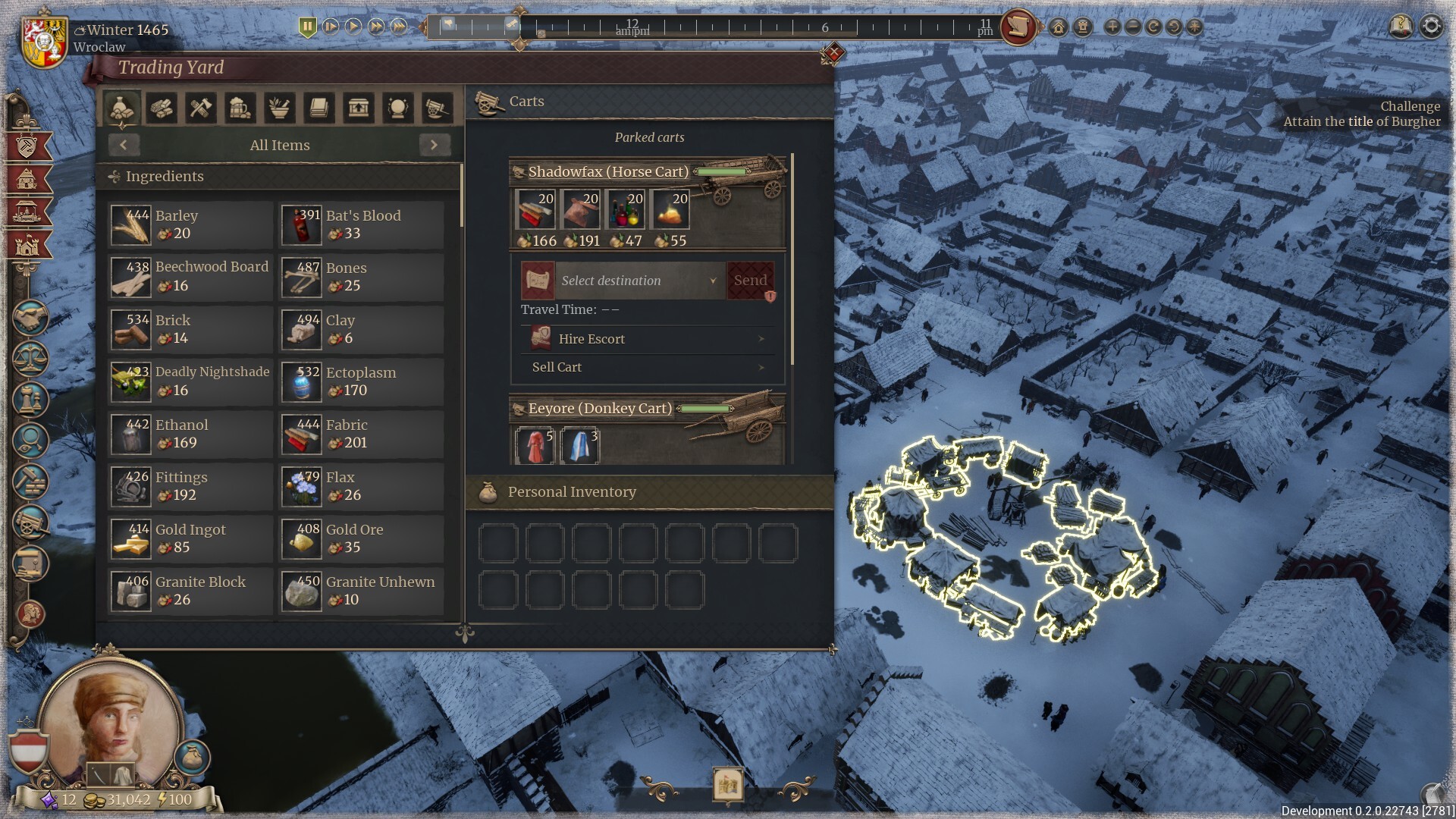
As it stands in its current Early Access phase, The Guild 1 Remake: Europe 1410 feels like a paradox. It is simultaneously more than a simple remake, yet also less complete than the original masterpiece. The developers have clearly aimed to modernize the user interface and smooth out some of the notoriously clunky mechanics that plagued the franchise historically. Yet, once you dive into the gameplay loop, it doesn’t take long before the experience feels a bit barebones.
Content-wise, the world feels smaller than what long-time fans might hope for, and certain management systems lack the depth and interconnectedness that made The Guild so addictive. Bugs and balancing issues are also present, which can occasionally disrupt the immersion of your carefully planned political campaigns. Nevertheless, the underlying framework is solid, and the developers have been proactive in addressing community feedback.
Conclusion
Ultimately, The Guild 1 Remake: Europe 1410 is a title caught between past nostalgia and future potential. I am genuinely glad that this project exists, and I look forward to returning to it when the 1.0 release finally arrives, as the raw potential for greatness is unmistakably there. However, in its current Early Access state, it is hard to wholeheartedly recommend, even to hardcore fans of the series. If you are easily charmed by medieval simulations and want to support a passion project on its journey, it might be worth a look, otherwise, patience will likely be your greatest virtue here.
Leave a Reply