
For me, the allure of the cyberpunk genre has rarely been about the neon-soaked exploits of augmented detectives or legendary edgerunners. Instead, a distinct fascination often lies with the periphery, the anonymous masses moving silently in the background. Imagine being the unassuming patron sitting just across the counter during Harrison Ford’s iconic ramen dinner in the opening acts of Blade Runner. For years, experiencing that ordinary existence within a towering, oppressive metropolis has remained a niche aspiration. With Nivalis Nights, that long-held fantasy is finally realized, offering a glimpse into the everyday life of a regular citizen, even if the execution introduces a few unexpected hurdles along the way.
Building an Empire in the Rain
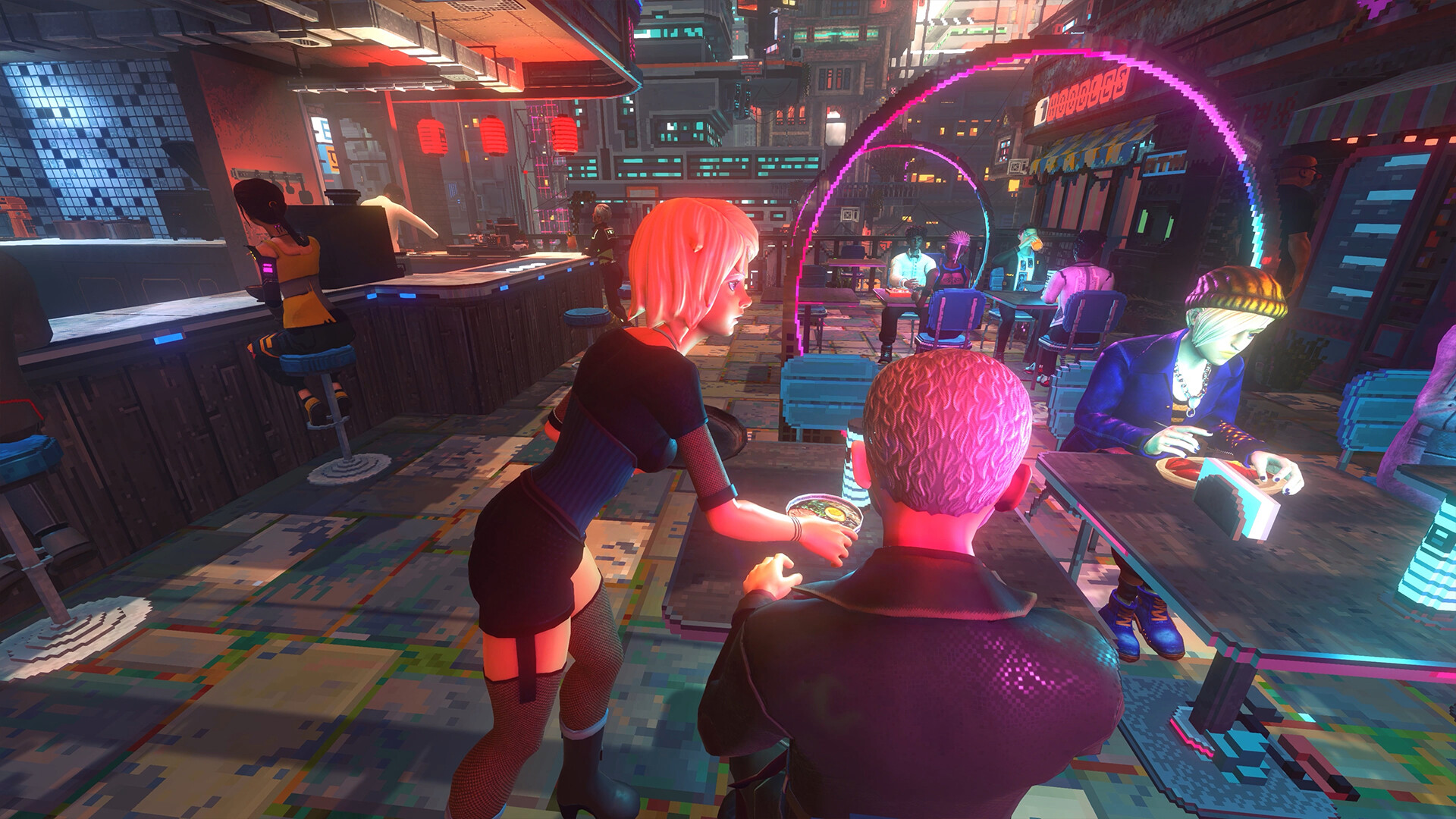
At its core, Nivalis Nights is an intricate business simulation. Players begin their journey at the lowest rung of the socioeconomic ladder, managing a modest noodle stand before slowly clawing their way upward. Over time, your enterprise expands to include bustling night clubs and, eventually, a sprawling commercial empire of diverse ventures.
While the thematic nature of these businesses varies wildly, the underlying mechanics remain largely uniform. Progression requires a balancing act: hiring and managing staff, acquiring and placing furniture within constrained spatial limitations, sourcing ingredients, and researching new recipes. Naturally, this loop demands a significant amount of legwork, requiring you to traverse the sprawling city streets often.
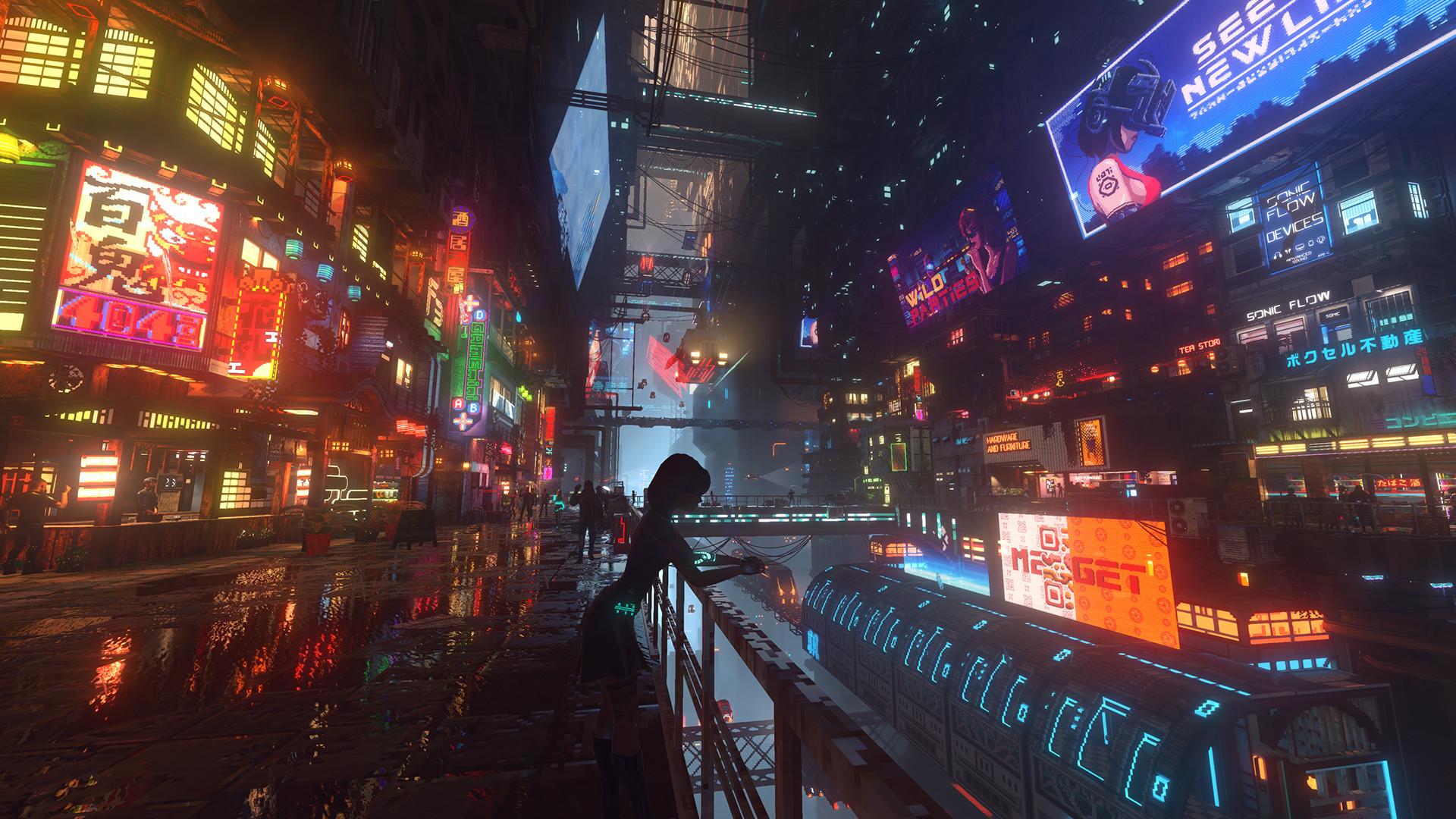
Admittedly, this routine can begin to feel repetitive rather quickly. Fortunately, the city itself serves as a stunning backdrop for these errands. As your establishments grow in prestige and revenue, you gain access to new areas, injecting a much-needed sense of discovery back into the traversal loop.
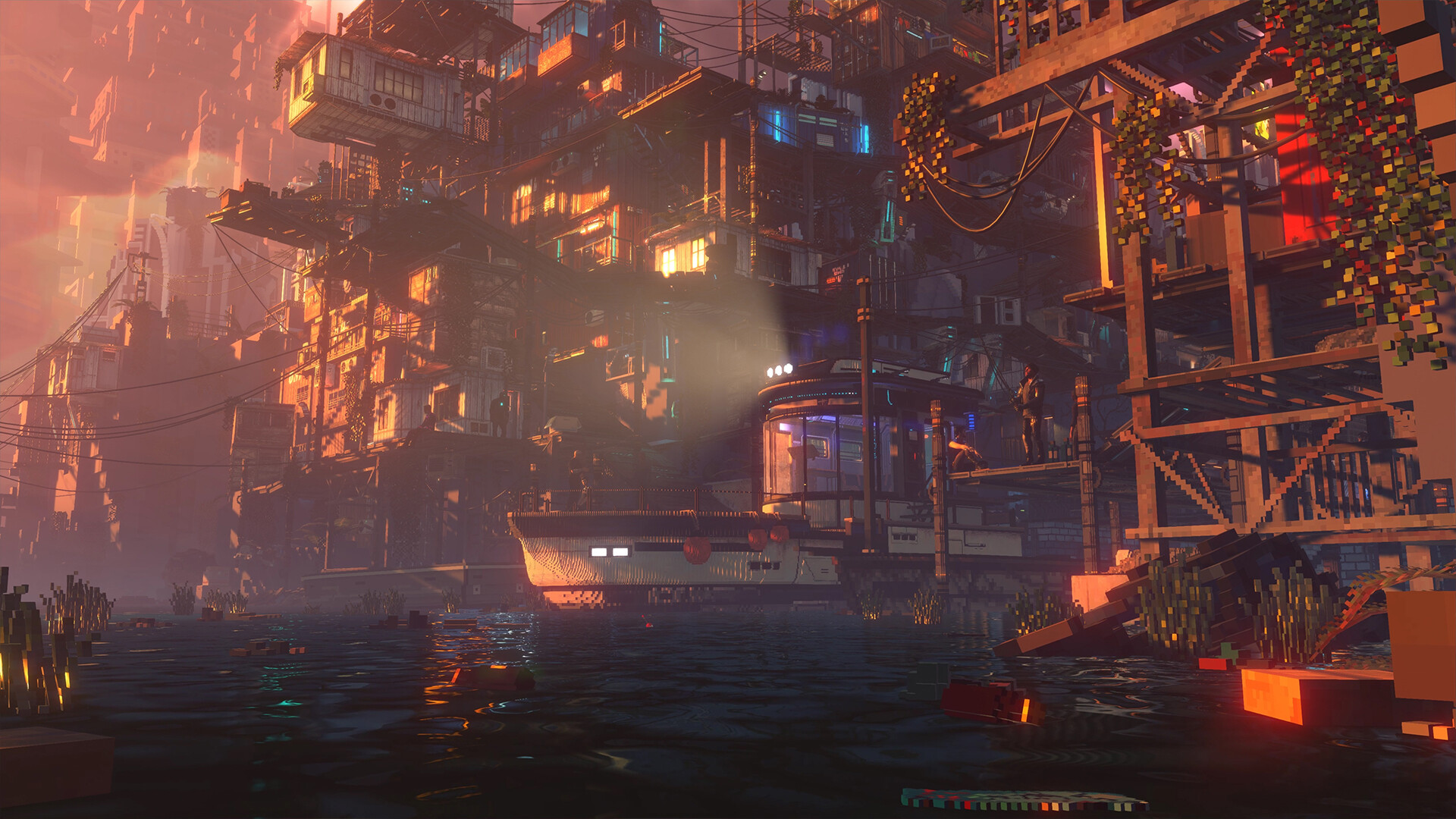
Beyond the daily grind of commerce, the city of Nivalis offers a rich tapestry of auxiliary activities to keep you occupied. Players can cultivate and harvest their own ingredients, a streamlined yet satisfying mechanic, or take a quiet boat out onto the water for a spot of fishing. These simpler gameplay loops provide a welcome, meditative contrast to the administrative pressures of business ownership.
Furthermore, the metropolis is brimming with compelling side narratives. Several of these storylines prove captivating, effortlessly pulling you away from your immediate economic obligations. Combined with a relationship system that rewards you with favorable market prices and unique bonuses, and customizable housing options for the domestic decorator, Nivalis Nights succeeds as a virtual living simulator.
The Stress of the Clock
Despite the game’s inherent desire for players to immerse themselves in its atmospheric sandbox, it simultaneously works against that very goal through rigid design choices. In Nivalis Nights, the hours in a day are strictly limited. Effective time management is mandatory if you hope to turn a profit and maintain momentum.
Paradoxically, the most enjoyable aspects of the game are precisely the meditative, leisurely pursuits like crop-growing and fishing. The strict time constraints often clash with this laid-back ethos. Because certain events and opportunities are restricted to specific times of day, you frequently find yourself plagued by the fear of missing out. For a title whose strongest appeal is simply existing within a living, breathing cyberpunk world, imposing such a stressful temporal leash feels fundamentally counterintuitive.
A Visual Symphony of Neon and Voxel
Where the game undoubtedly shines brightest is in its breathtaking art direction and presentation. Nivalis Nights employs a unique visual marriage of voxel-art environments, pixel-art details, and real-time lighting. The result is a cityscape of staggering beauty that refuses to grow old. Whether watching neon signs cast vibrant reflections in slick, rain-soaked pavement or gazing upward at the oppressive, towering monoliths piercing the skyline, the atmosphere is intoxicating.
To provide a pleasing visual contrast to the blocky, voxel-based architecture, character models are rendered with smoother 3D geometries, allowing the inhabitants to pop out of the environment in a distinctly appealing way. This aesthetic is further amplified by a dynamic weather system. Transitions between gentle snowfall, pouring rain, and blistering sunlight breathe an authentic, organic life into the urban sprawl, making Nivalis feel like a living, breathing entity rather than a static digital backdrop.
Conclusion
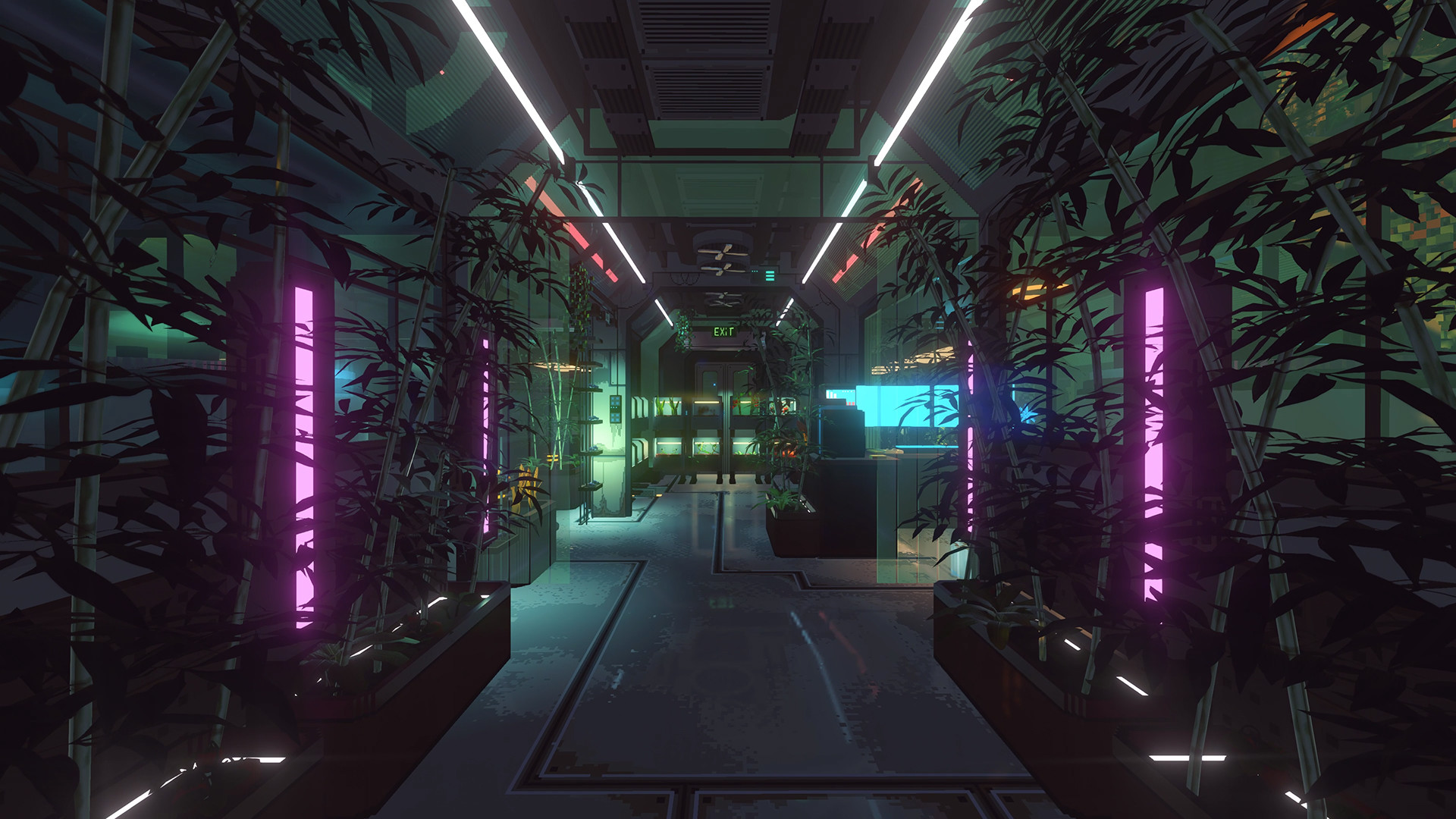
Nivalis Nights succeeds remarkably in crafting a stunning, atmospheric world that is an absolute joy to inhabit and explore. Even in the final hours of your playthrough, the sheer visual splendor of its varied districts remains astonishing. Backed by some well-written side narratives and deeply relaxing leisure activities, it offers a refreshing perspective on a well-trodden genre.
However, the experience is weighed down by a business loop that turns repetitive too fast and time constraints that actively fight against player immersion. While it may not scale the dizzying narrative heights it ultimately aspires to reach, Nivalis Nights remains a commendable and largely fulfilling voyage into the quiet, rain-slicked corners of a cyberpunk dystopia.
Leave a Reply