
There is something undeniably refreshing about Last Flag. In an industry often obsessed with relentless realism and grim, gritty military aesthetics, this title takes one of gaming’s most familiar modes, Capture the Flag, and elevates it to the entire foundation of the experience. The developers have fully committed to this concept, dressing it up in a quirky, eccentric presentation and populating it with a cast of characters who feel like they’ve wandered in from some funky, neon-soaked alternate universe of the 1970s. The result is a package that is undeniably charming, yet not without a lingering hint of uncertainty regarding its long-term viability.
A Style All Its Own
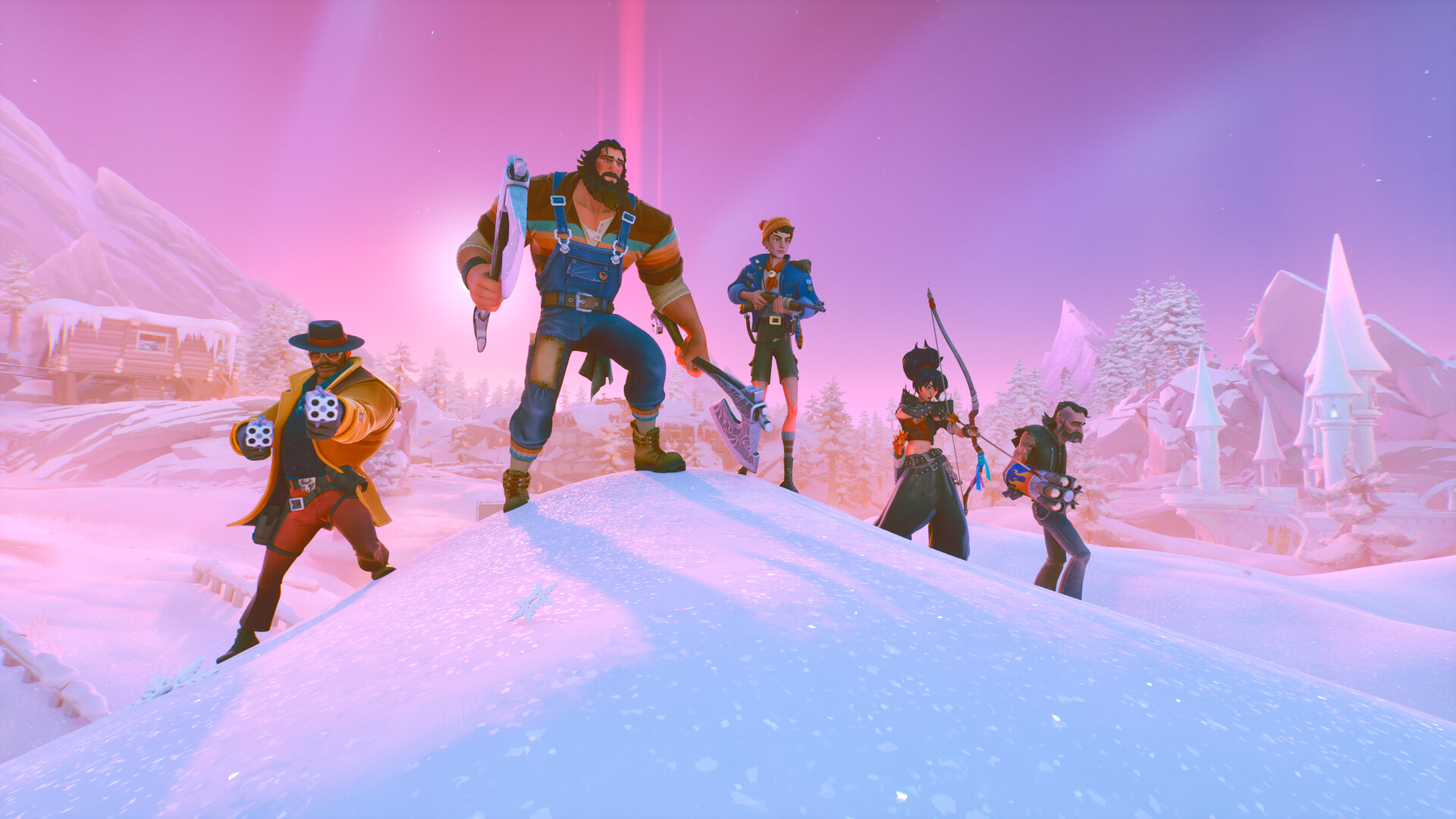
From the very beginning, Last Flag makes it explicitly clear that it isn’t aiming for that sleek, ultra-competitive “esports” shooter identity. Instead, it embraces something louder, brighter, and more unapologetically bold. Matches feel less like traditional, high-stakes firefights and more like a chaotic, high-energy retro game show.
This aesthetic extends to the character design, which leans heavily into exaggeration. Each hero is defined by distinct roles and oversized personalities. Some are built for close-range mayhem, while others excel at controlling space from a distance. Before long, the game stops being about mastering every single mechanic and becomes more about finding a specific playstyle that truly clicks with your personal strategy.
Complementing this, the in-game commentator adds another layer to the atmosphere, though they are admittedly hit-or-miss. They narrate the action with flair and occasionally jump into over-the-top advertisements for fictional products, mimicking the surreal cadence of a strange late-night broadcast. While sometimes amusing, these interruptions can occasionally feel unnecessary, failing to land a punch when the action is already at its peak.
The Strategic Twist
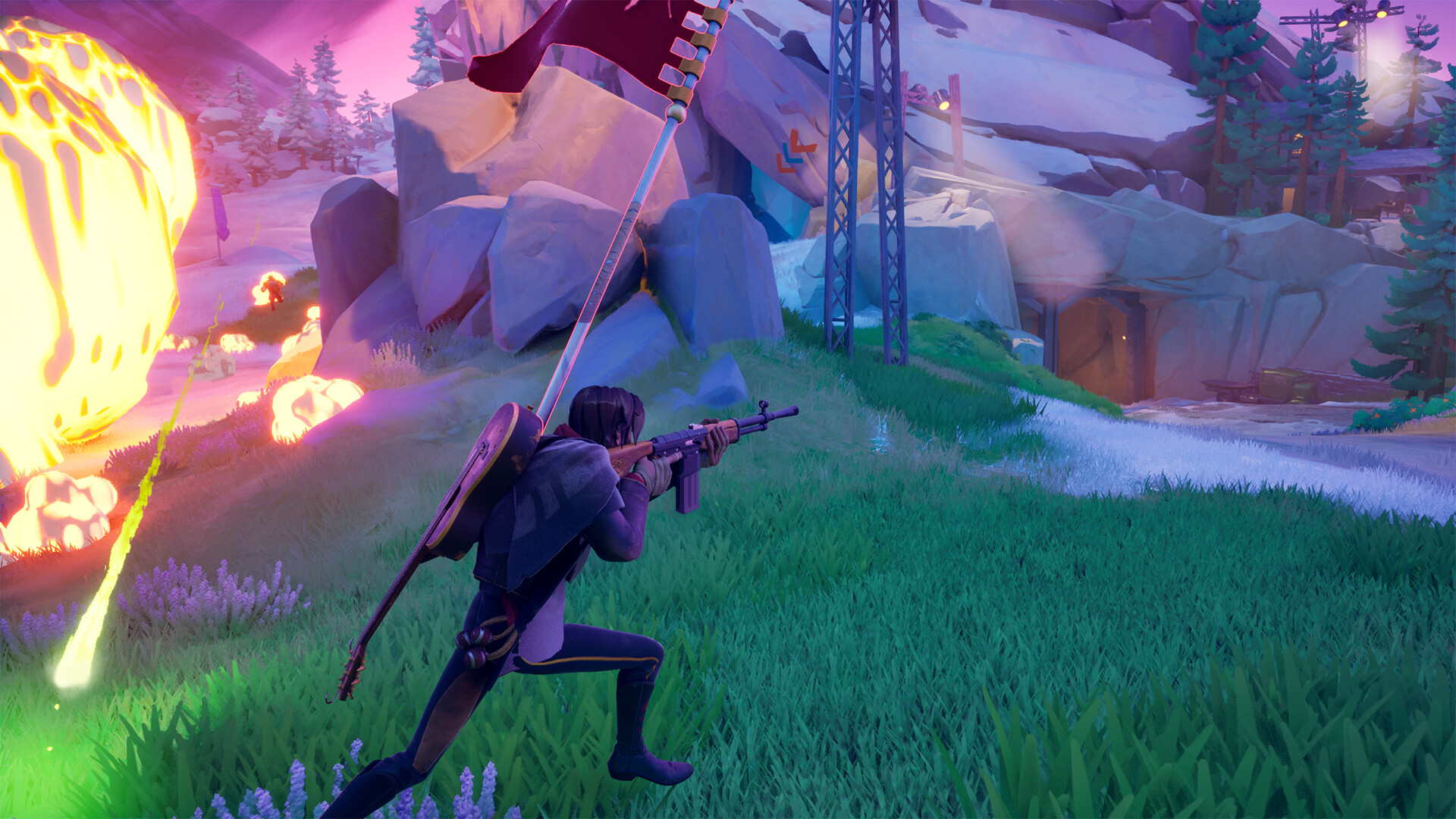
At its core, the game’s primary hook is simple but undeniably clever. Instead of stealing a flag from a predetermined, static location, you hide it yourself. While this may sound like a minor mechanical tweak on paper, it fundamentally changes the flow of every single match. Suddenly, success isn’t just a matter of twitch-reflex aiming or positioning; it becomes a mental exercise of outthinking your opponents.
Throughout each round, you are constantly asking yourself: Where should we hide it? Is this strategy actually smart, or just pure luck? This creates a genuine sense of cat-and-mouse tension that feels remarkably fresh in a genre that has spent years refining the same old tropes.
The Challenge of Longevity
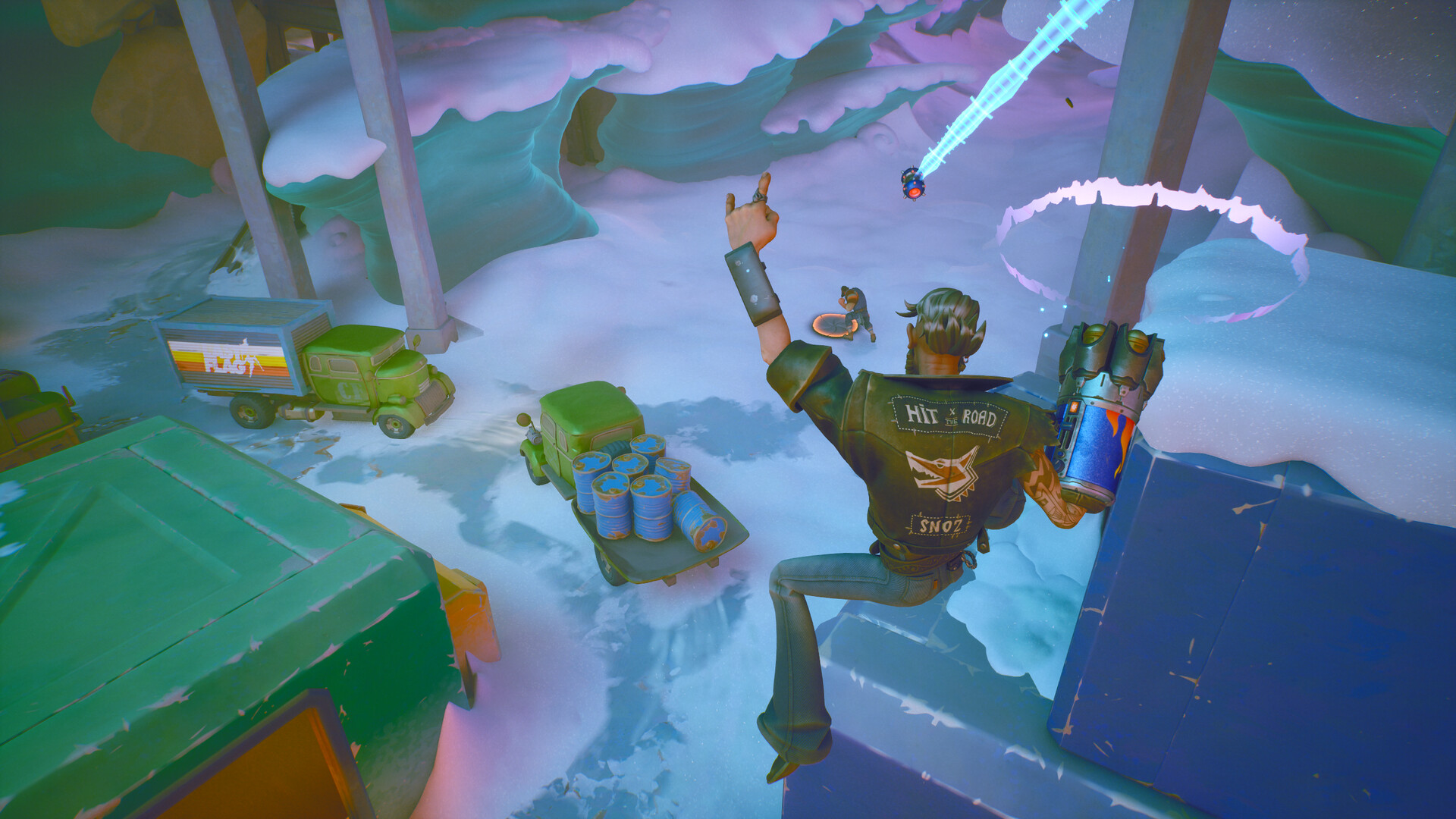
However, this mechanical brilliance brings us to the game’s greatest hurdle: consistency. Because the flag remains exactly where it is placed, matches can quickly lose that initial sense of unpredictability once the opposing team figures out your patterns. What starts as a brilliant mind game can unfortunately devolve into repetition. Even with abilities that allow players to instantly teleport back to the flag for defense, the mechanic inadvertently highlights how static the gameplay can become once the hiding spot is compromised.
This leads to the broader, more pressing question of sustainability. At the moment, Last Flag is undoubtedly entertaining. It is fast-paced, strange, and just different enough to stand out in an already saturated “hero shooter” market. But once the initial novelty of the hide-and-seek mechanic fades, there is a lingering sense of doubt. Last Flag is built around a very specific, narrow core idea; once you’ve explored that concept fully, you begin to wonder exactly what is left to keep the player base engaged for months or years to come.
The hero shooter space is notoriously crowded, and games in this genre rely heavily on maintaining an active, dedicated community to stay relevant. To its credit, Last Flag does a lot of things right, it is stylish, intuitive, and genuinely fun. However, whether it can hold our attention in the long run remains uncertain. Perhaps the introduction of new, varied game modes could be the key to longevity. Furthermore, it is worth noting that the game suffered from significant connection issues during the pre-release build. One can only hope that the developers have implemented more stable servers now that the title has officially launched, as a smooth technical experience is vital for a game that relies so heavily on split-second decision-making.
Conclusion
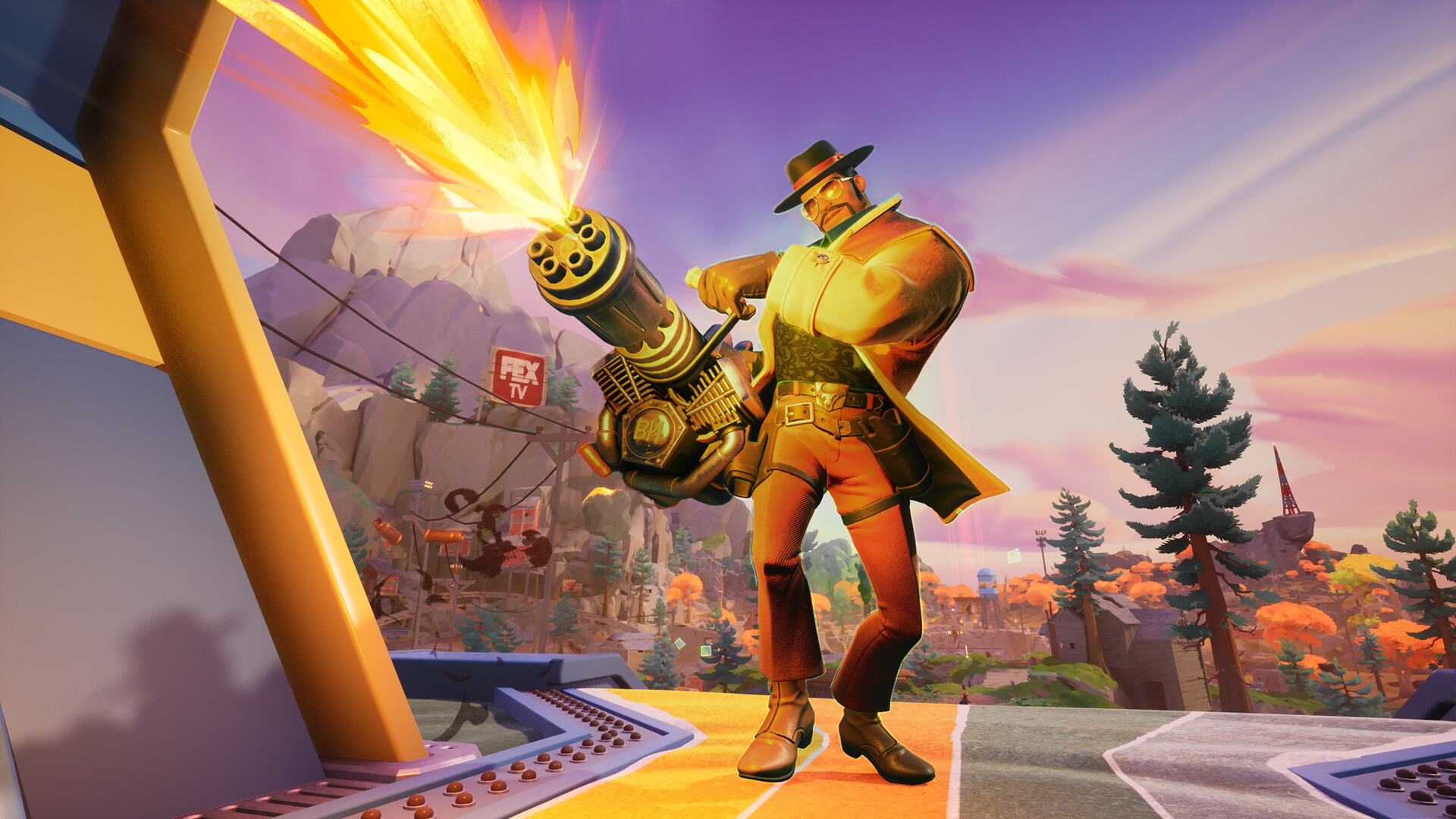
Last Flag is a bold, bizarre experiment—a funhouse mirror held up to the genre we know. Whether it becomes a staple of the scene or a forgotten curio depends entirely on how the developers nurture this foundation. While the current loop is undeniably fun to pick up for a few sessions, the true test will be the depth of its post-launch support. To thrive long-term, the game will need more than just style; it requires a robust pipeline of content, such as dynamic modifiers or varied map layouts, to prevent the “hide-and-seek” loop from becoming predictable. Furthermore, the developers must address the technical instability experienced at launch. If the team can inject enough variety to keep the strategic cat-and-mouse game feeling fresh, Last Flag could carve out a permanent, quirky niche for itself.
Leave a Reply