
The creature collector RPG genre is one I find myself perpetually drawn to, yet it remains a notoriously difficult category to master. My heart was captured long ago by the original Pokémon games, and even today, I find myself searching for that specific spark, that addictive loop of discovery, growth, and team building, that so many titles attempt to replicate but often fail to ignite. Enter LumenTale: Memories of Trey. While the title itself is a bit of a mouthful and frankly struggles to stay lodged in the memory, the game beneath the name is a different story. It is a title that manages to stick the landing in more ways than one, proving that there is still plenty of room for innovation in a genre often accused of stagnation.

A World Divided
LumenTale transports players to the world of Talea, a land bisected by a fundamental ideological rift. The northern reaches are driven by the cold, calculated advancements of science, while the southern territories are deeply steeped in tradition and religion. This duality provides a compelling backdrop for the game’s central mystery. The world is populated by Animon, ethereal creatures born from the energy currents that flow through the land.
We follow the journey of Trey, whose quest to recover his own lost memories inadvertently pulls him into the heart of a much larger, global conspiracy. From a narrative standpoint, the core story is solid. There are interesting characters to meet and sufficient intrigue to keep the momentum going as you explore new regions. However, it never quite leaps into the realm of the truly epic or profound; it serves its purpose as a vehicle for the adventure, keeping you engaged enough to push forward, but not necessarily keeping you up at night with its depth.
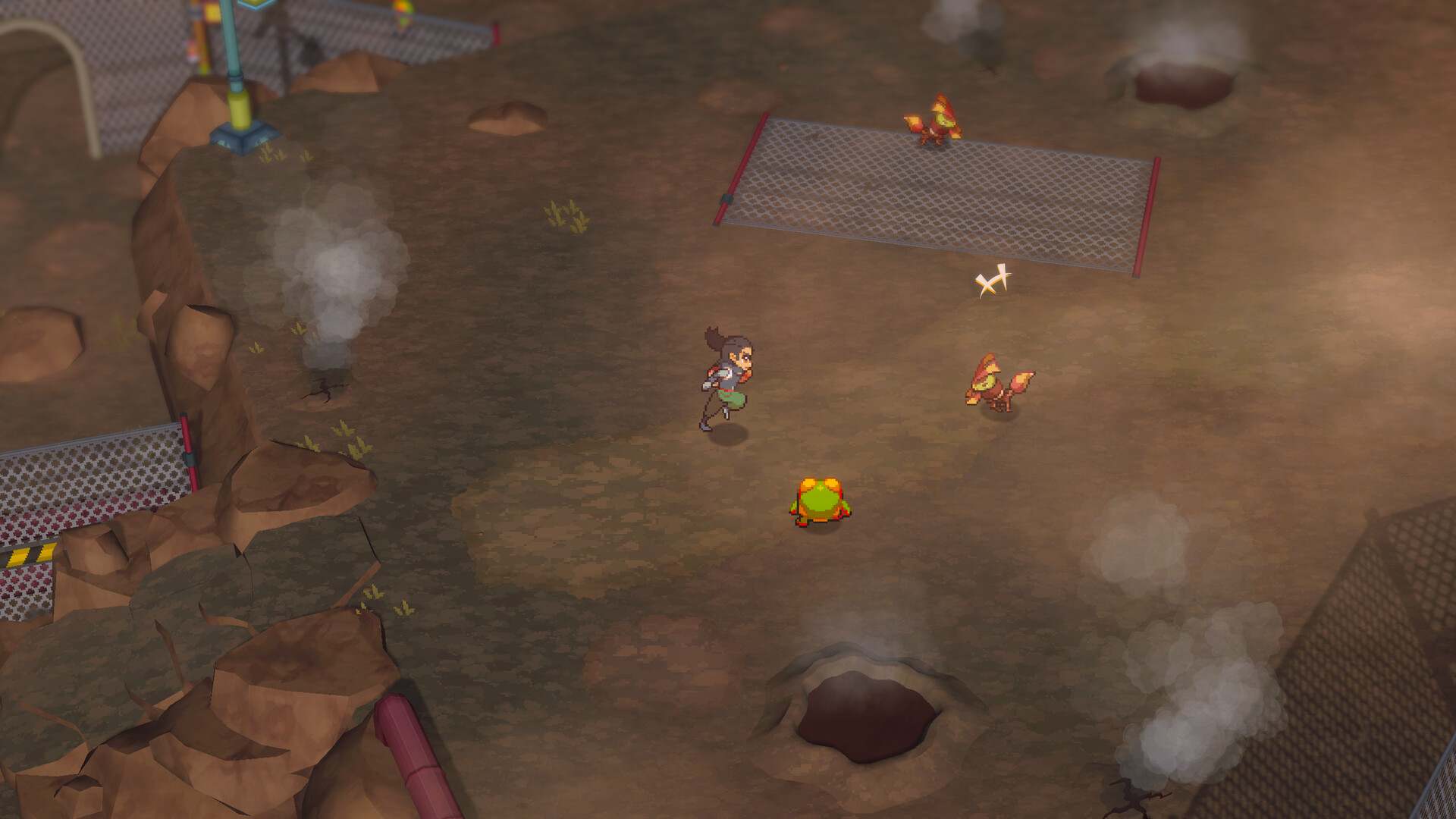
The true star of the show, however, is the roster of Animon themselves. In many modern creature collectors, I find that the designs often lack that intangible “it” factor, that special spark of charisma that turns a group of pixels into a companion. LumenTale hits a home run here. The roster is visually distinct, charming, and consistently impressive. I found myself genuinely excited to enter a new biome, not just to progress the plot, but simply to see what creatures awaited discovery. The dopamine hit of evolving an Animon and discovering its next form is exactly what this genre is built on, and LumenTale nails this fundamental hook perfectly.
Tactical Depth and Streamlined Action
Where LumenTale truly separates itself from its peers is in its gameplay loop, which is split into two classic but distinct, well-executed pillars: combat and capture.
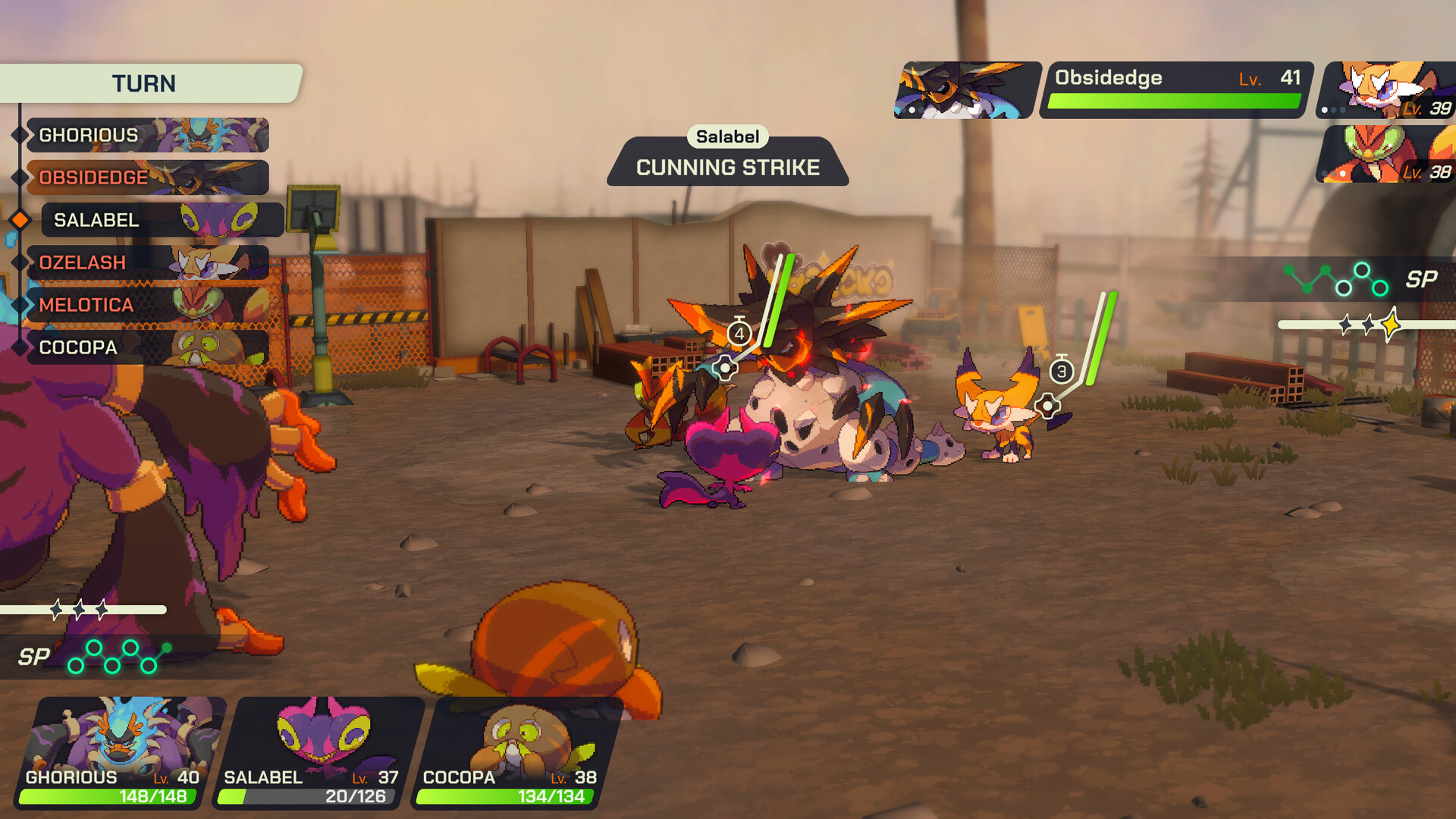
The battle system takes the familiar foundation of elemental strengths and weaknesses, a staple of the genre, and injects a layer of tactical resource management that feels genuinely refreshing. Instead of the traditional “mana-per-monster” system, the game introduces a shared pool of action points per turn. Every skill, whether it’s a defensive maneuver, a debuff, or a heavy attack, costs a certain amount of this shared energy. This forces the player to consider their entire team as a single organism rather than a sequence of individual turns. If you blow your entire budget of points on your first Animon, your remaining team is left vulnerable. This system adds a beautiful, high-stakes layer of strategy that rewards foresight and makes the decision-making process feel much more impactful than simply spamming a “super effective” move.
The capturing mechanic is equally innovative. Using the Holoken, a tool that functions much like a yoyo, players engage in a quick-time event upon hitting a wild Animon to secure their catch. The Holoken isn’t just for capture, though; it’s also your primary tool for initiating encounters. If you land a well-timed throw before entering battle, you can deal preemptive damage. Furthermore, if your team is significantly over-leveled compared to the wild Animon, the Holoken allows for an instant-kill, completely skipping the battle animation. This is a massive quality-of-life feature that I hope becomes a standard in future creature-collecting games. It makes exploration feel fluid and removes the tedium of “garbage battles” that often plague the genre.
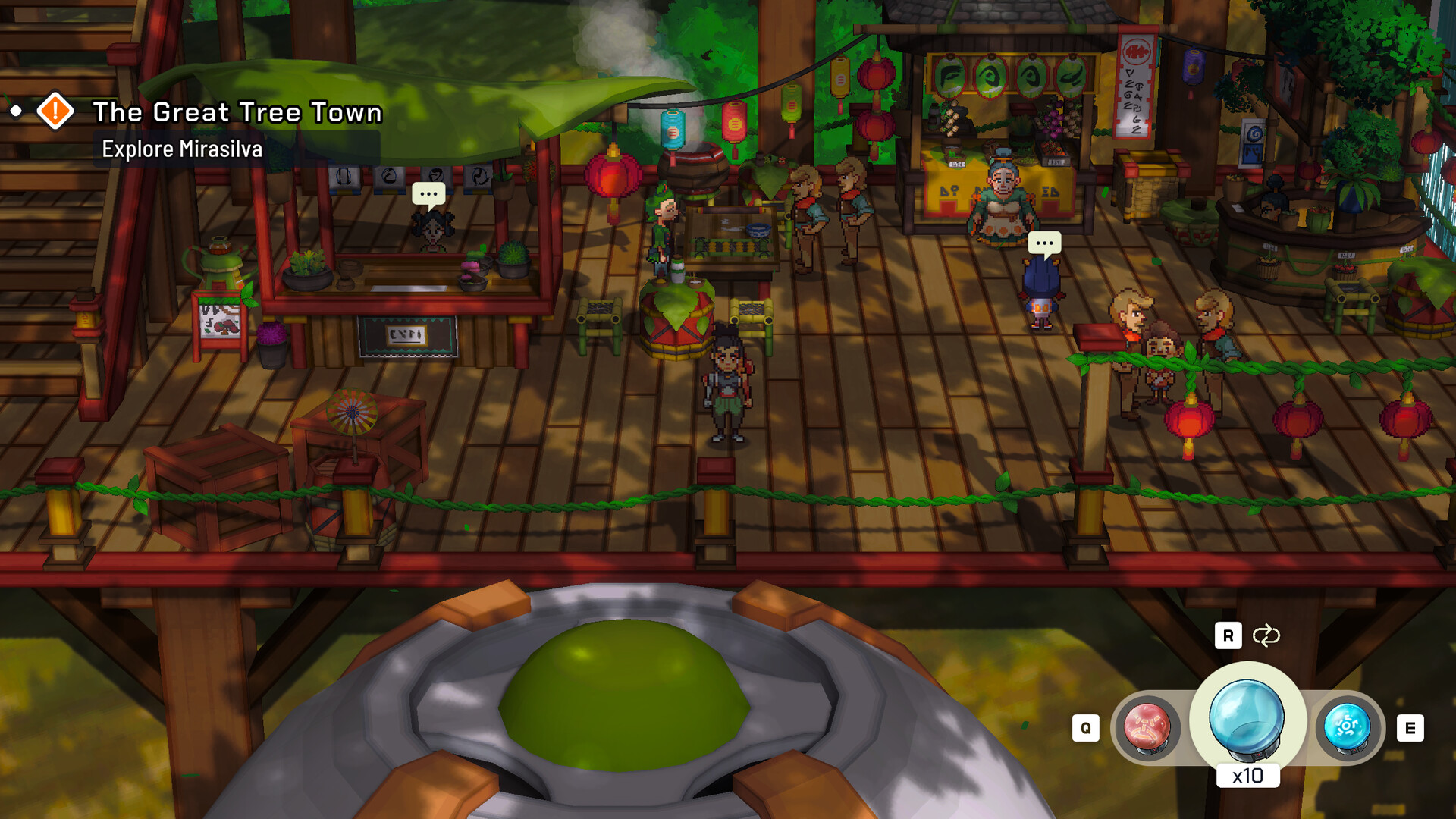
Visually, LumenTale makes excellent use of a 2.5D art style. The environments are vibrant, with water and foliage that feel genuinely alive, giving Talea a tactile sense of place. While I admit that the character models in the open world are not quite to my personal taste, the character portraits used during dialogue are well-drawn and expressive. If I had to levy a criticism, it would be that the game could benefit from more dynamic animations and, crucially, a more robust voice-acting suite to bring the cast to life.
Conclusion
LumenTale: Memories of Trey is a resounding success in the creature-collecting space. It isn’t a “perfect” game, it lacks some polish and its story could use more weight, but it succeeds where it matters most: it is fun. By iterating on combat with a shared resource system and streamlining the capture process with satisfying, skill-based mechanics, it manages to move the needle forward for the entire genre. If you have been waiting for a game that captures the magic of raising and battling cool monsters without the stale mechanics that have permeated the genre for decades, LumenTale is a mandatory addition to your library. It is, quite simply, the most fun I have had with a creature collector in many, many years.
Leave a Reply