
When Echo Generation first arrived in 2021, it was an unexpected gem that truly caught me off guard. I had heard little to nothing about it leading up to its release, yet the moment I stumbled into its world, I was hooked. It wasn’t necessarily because the gameplay was revolutionary; rather, it was the magnetism of its atmosphere and the warmth of its small-town mystery that solidified it as one of my favorite titles of that year.
When the sequel was announced, promising a brand-new battle system and an expanded scope, my interest was piqued. I was eager to see where the developers would take this quirky, nostalgic world. Having spent significant time with Echo Generation 2, I find myself in a bittersweet position. It is a game that manages to live up to some of my expectations with its ambitious design, but, unfortunately, it falls short of capturing the lightning-in-a-bottle magic of its predecessor.
From Neighborhood Secrets to Cosmic Scales
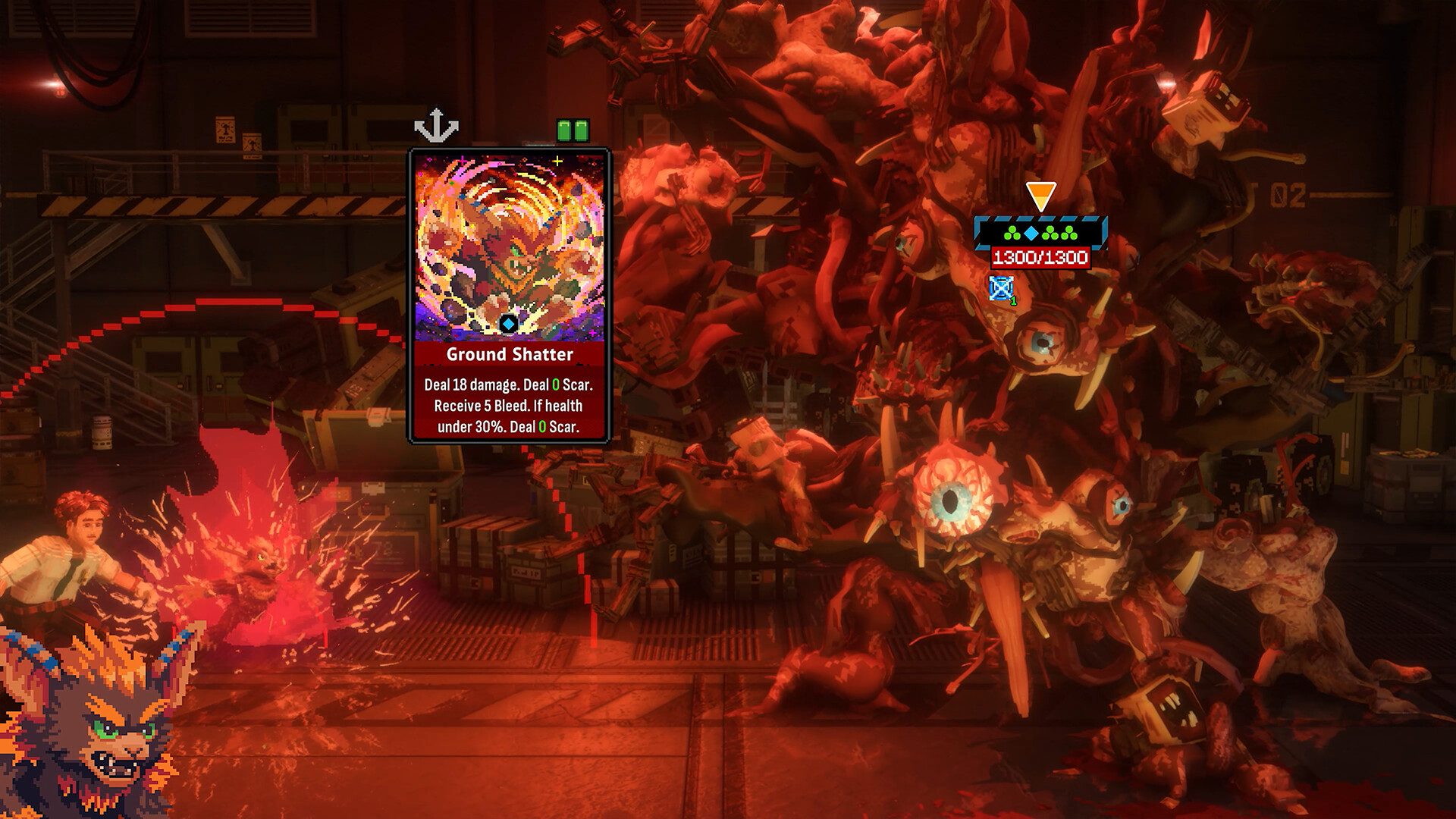
The narrative of Echo Generation 2 is significantly larger in scope. The transition from the intimate, localized mysteries of a quiet town to an expansive, universe-spanning adventure serves as both a direct sequel and a clever prequel. There is a palpable sense of ambition here, and for the most part, the writing is handled with finesse; it is a well-crafted, logical progression for a series looking to grow.
However, I found it difficult to truly invest in the characters and the plot. For me, the lifeblood of the original game was the small-town charm, the feeling of exploring local conspiracies, ghost stories, and suburban anomalies with your friends. By moving away from that grounded atmosphere into an intergalactic and interdimensional epic, the game sheds the very essence that made the first entry so special. While the stakes are higher, the emotional connection feels more distant.
The structure of the story is also a departure. You follow a handful of different characters across separate, converging journeys. At the start, you are given three distinct protagonists with three separate paths to play, and you can freely jump between them. This is a great mechanic if you get stuck on a difficult encounter or a boss, you simply switch to another character’s campaign for a while, but it comes at a cost. Because the game is a few years removed from the original, and the narrative throws you headfirst into the deep end of its cosmic lore, I struggled to reconnect with the world. A bit more hand-holding or a smoother transition from the first game’s themes would have been greatly appreciated.
The Challenge of the Cards
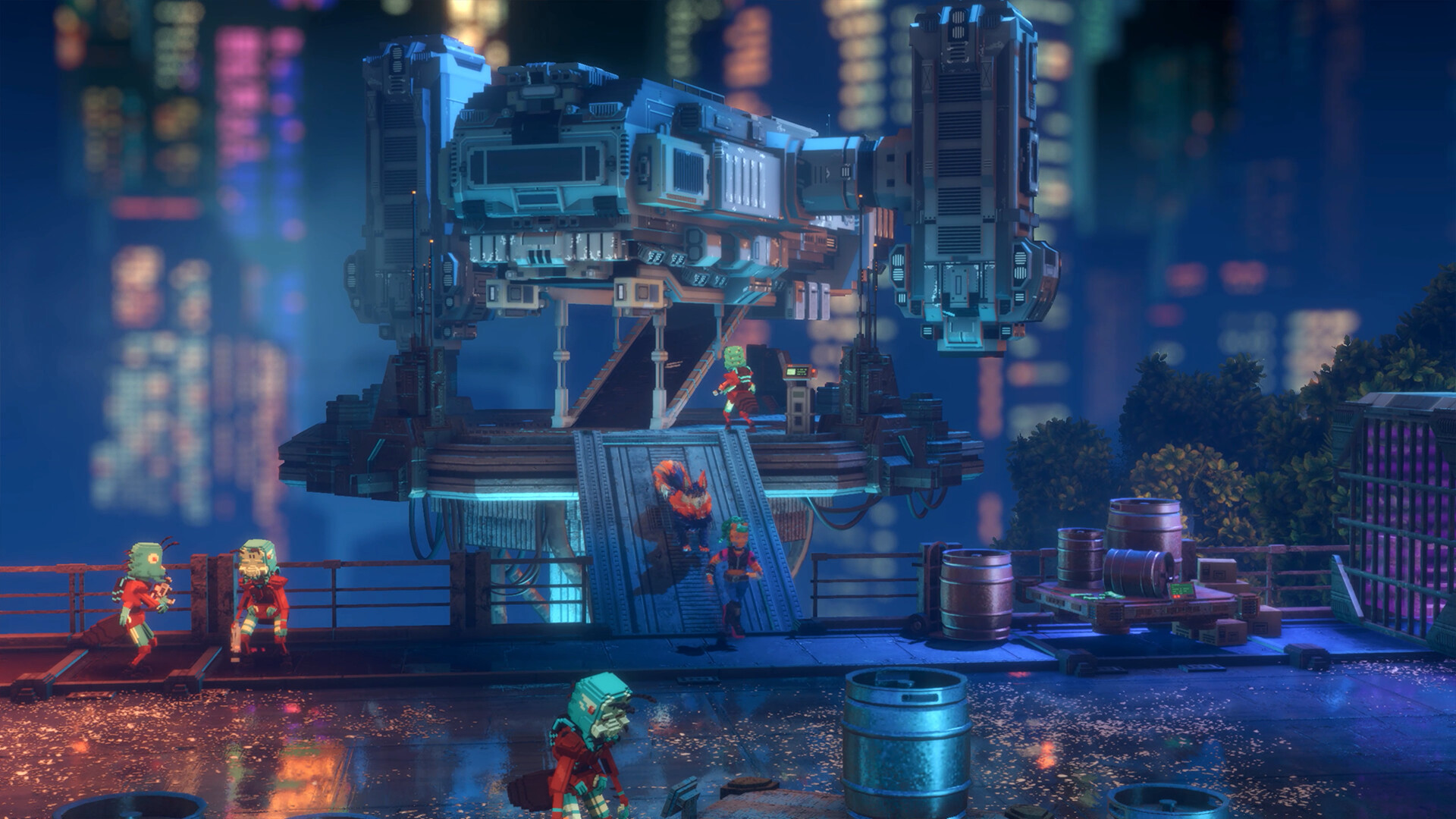
Where the first game was a pretty straightforward turn-based battler, Echo Generation 2 has pivoted entirely to a card-battler system. Exploring the environment and completing mini-quests now rewards you with new cards, which you must use to assemble your deck. Strategy is no longer a suggestion; it is a requirement. You genuinely need to hunt down as many cards as possible to stand a chance at progressing.
On the positive side, the cards themselves are wonderfully integrated into the world. They feel like physical extensions of the characters and the environments, which is a rare feat in the oversaturated market of card-battlers. Your arsenal includes a mix of attacks, debuffs, buffs, and healing abilities, utilizing elements like radioactivity, burning, and bleeding.
However, the game struggles to explain these mechanics clearly. Some effects are intuitive, but others were mysterious to me for hours. This is exacerbated by the open-ended nature of the story; depending on which character you start with, you receive a different level of mechanical explanation, making it clear that the developers had a specific intended order of play that isn’t clearly signposted to the player.
Voxel Beauty Reimagined
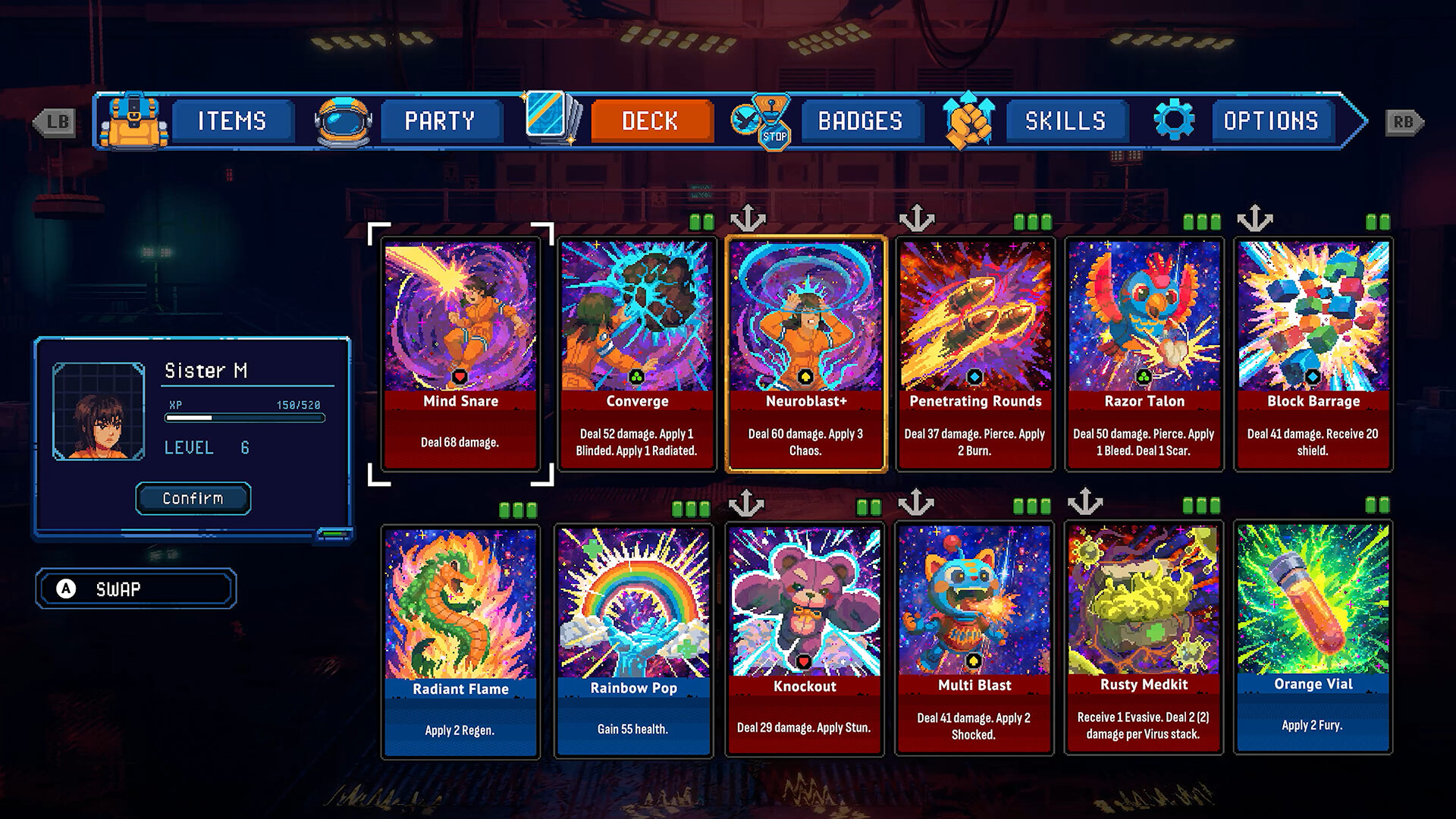
If there is one area where Echo Generation 2 is a triumph, it is the presentation. The voxel aesthetic, which first drew me to the series, has received a massive upgrade. The blocky characters and detailed environments are even more striking this time around.
The lighting, the gore, and the environmental effects come together with a sense of nostalgic beauty that is difficult to put into words. It feels like a blocky fever dream of an 80s sci-fi movie. When this visual style is paired with the game’s electronic, synth-heavy soundtrack, it creates an immersive, cohesive experience that I found myself wanting to return to again and again, even when the combat left me frustrated and the story didnät quite click for me.
A Different Kind of Adventure
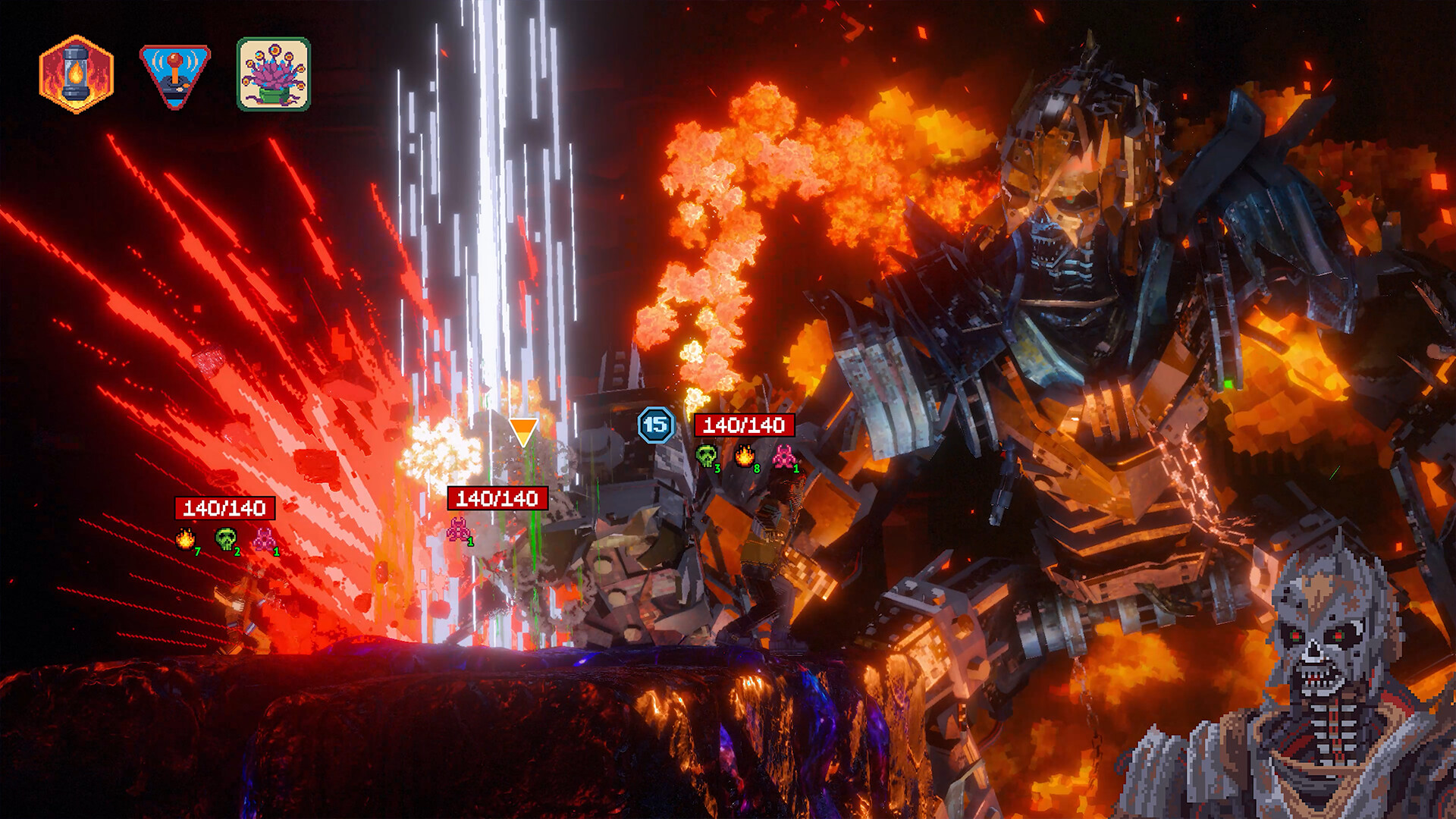
Ultimately, Echo Generation 2 is a very good game that deserves to be played. However, it is fundamentally a different experience from its predecessor, and I still hold the original in higher regard. While the first game was an atmospheric masterclass in childhood wonder and local mystery, the sequel is a mechanical and ambitious endeavor.
The story, while well-written, struggles to find the same level of cohesion as the first, and the new card-battling system, while deep and beautifully integrated, can feel unfairly punishing. If you are looking for a challenging card-battler wrapped in a stunning, high-definition voxel aesthetic, this game will likely delight you. But if you were hoping for a second helping of the intimate, neighborhood-focused magic of the first Echo Generation, you might find yourself feeling a little lost in the cosmos.
Leave a Reply