
The Hellraiser franchise has always occupied a fascinating space in horror cinema. Personally, it is a series I have always wanted to love; the rich, labyrinthine lore and iconic character designs are endlessly compelling, even if the extreme graphic nature of certain scenes has occasionally pushed me away. Naturally, when a video game adaptation set within this depraved universe was announced, the sheer intrigue was impossible to ignore.
Stepping into Clive Barker’s Hellraiser: Revival, it quickly becomes apparent that the game pushes visual boundaries even further than the source material. Yet, against all odds, it manages to hook me from beginning to end. It is a harrowing, unapologetic descent into darkness that proves video games can be an exceptional medium for the unique brand of terror that Clive Barker envisioned.
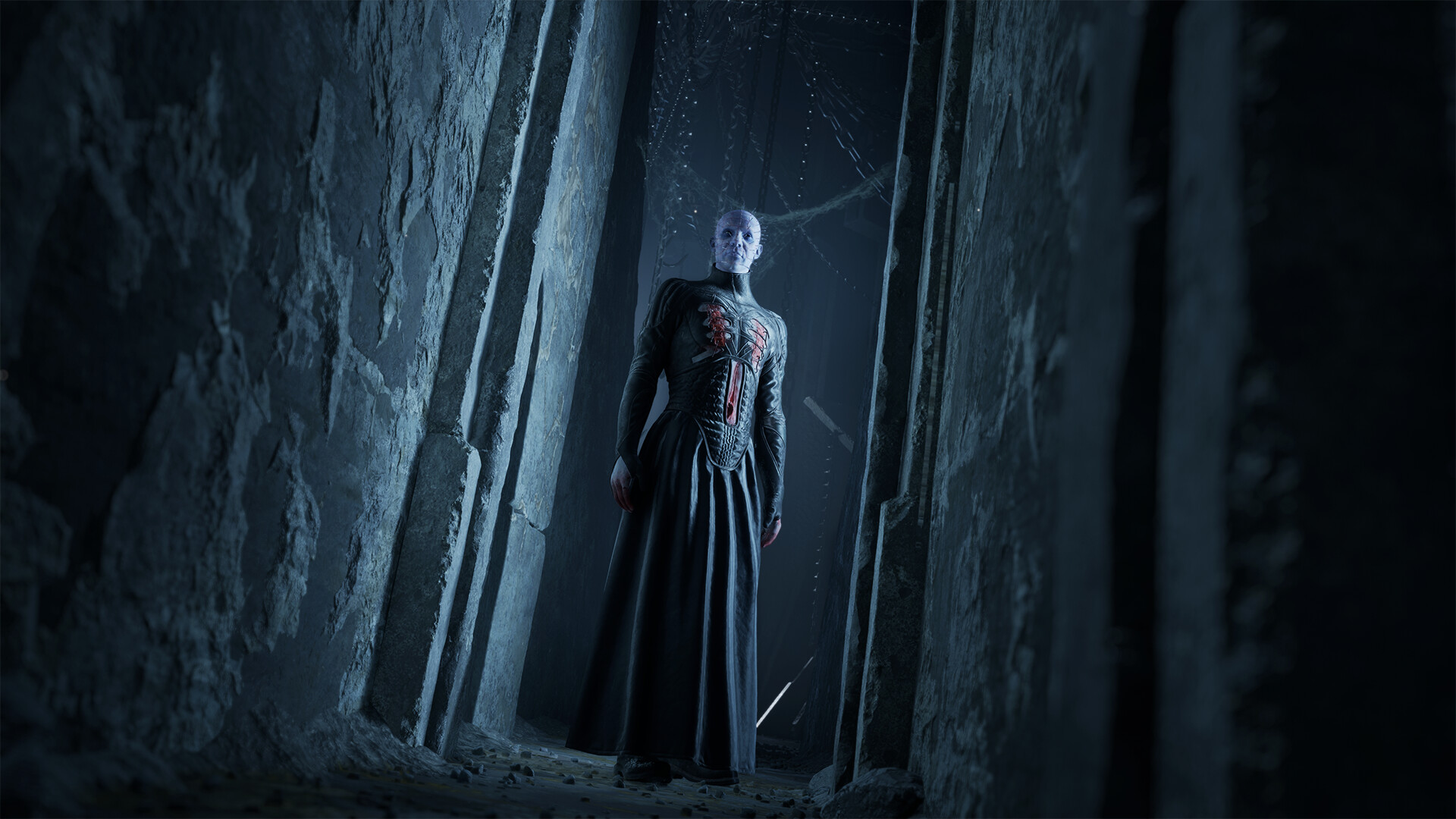
Genesis Configuration shows the way
In Hellraiser: Revival, players step into the shoes of Aidan, a man burdened by a heavy past who is trying to forge a new life with the help of his girlfriend, Sunny. However, this fragile peace shatters upon encountering the infamous Genesis Configuration. Thrust into the shifting, nightmarish architecture of the Labyrinth and a cult, Aidan must survive relentless encounters with the fanatical zealot group known as the Scarlet Church and other monsters to save Sunny.
It is a refreshingly straightforward Hellraiser narrative that stays entirely true to the themes of blood, pain, and transcendent pleasure that define the films. This is a story about the extremes of human sensation, cosmic horror, and everything in between. While it may not reinvent the wheel in terms of high-art storytelling, the plot fits the franchise and the survival horror genre like a well-tailored flayed skin. Throughout Aidan’s grueling journey, the emotional stakes remain high enough to keep me genuinely invested.
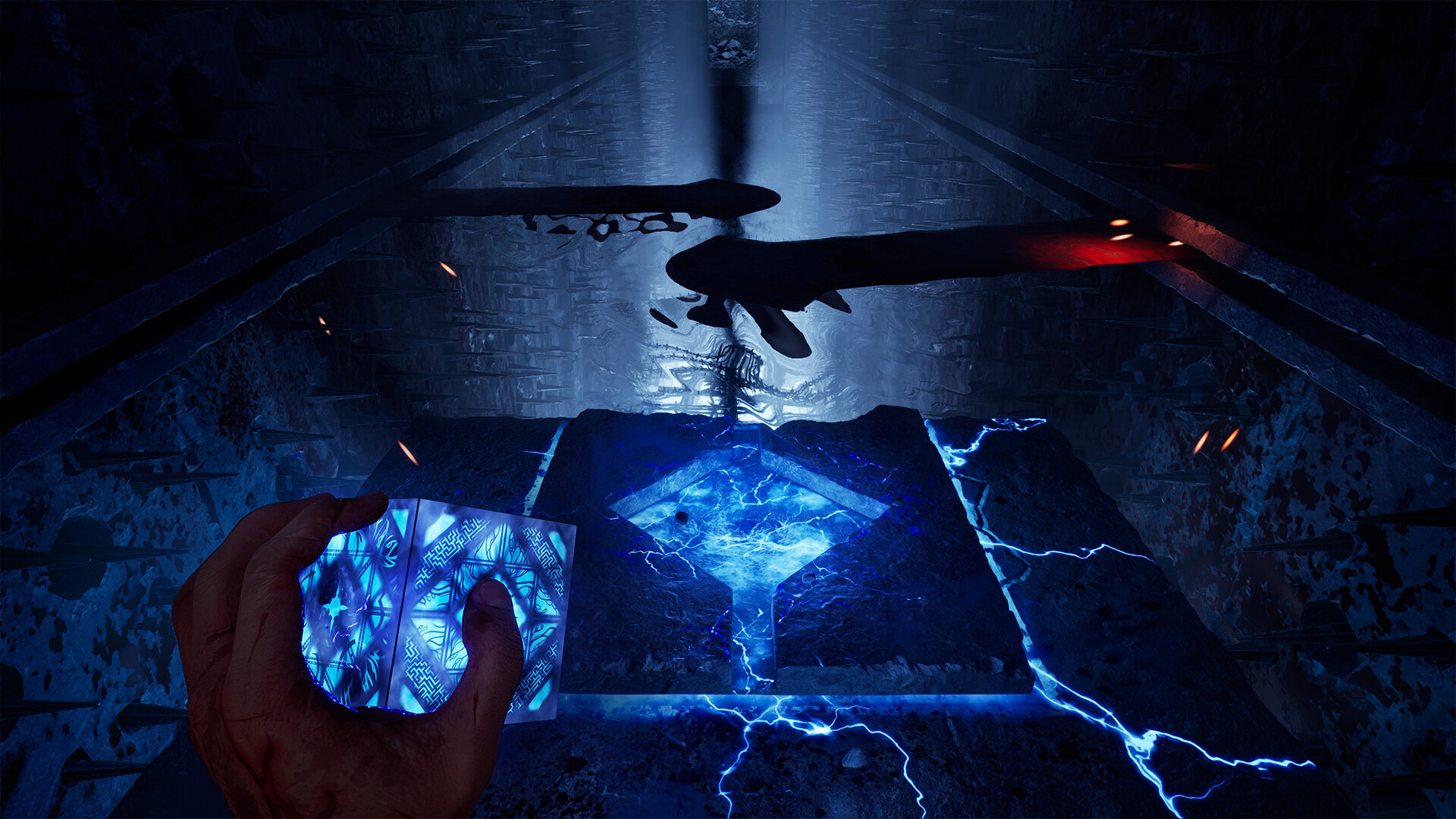
The narrative pacing excels at shifting focus between two distinct types of terror. On one hand, players confront the Scarlet Church, a collective of profoundly depraved individuals whose twisted rituals are brought to the screen in deeply graphic detail. On the other hand, the focus shifts toward the Cenobites and the oppressive geometry of the Labyrinth itself. These segments are punctuated by elegantly simple puzzles rooted in blood and agony, alongside adrenaline-fueled chase sequences that genuinely get the blood pumping.
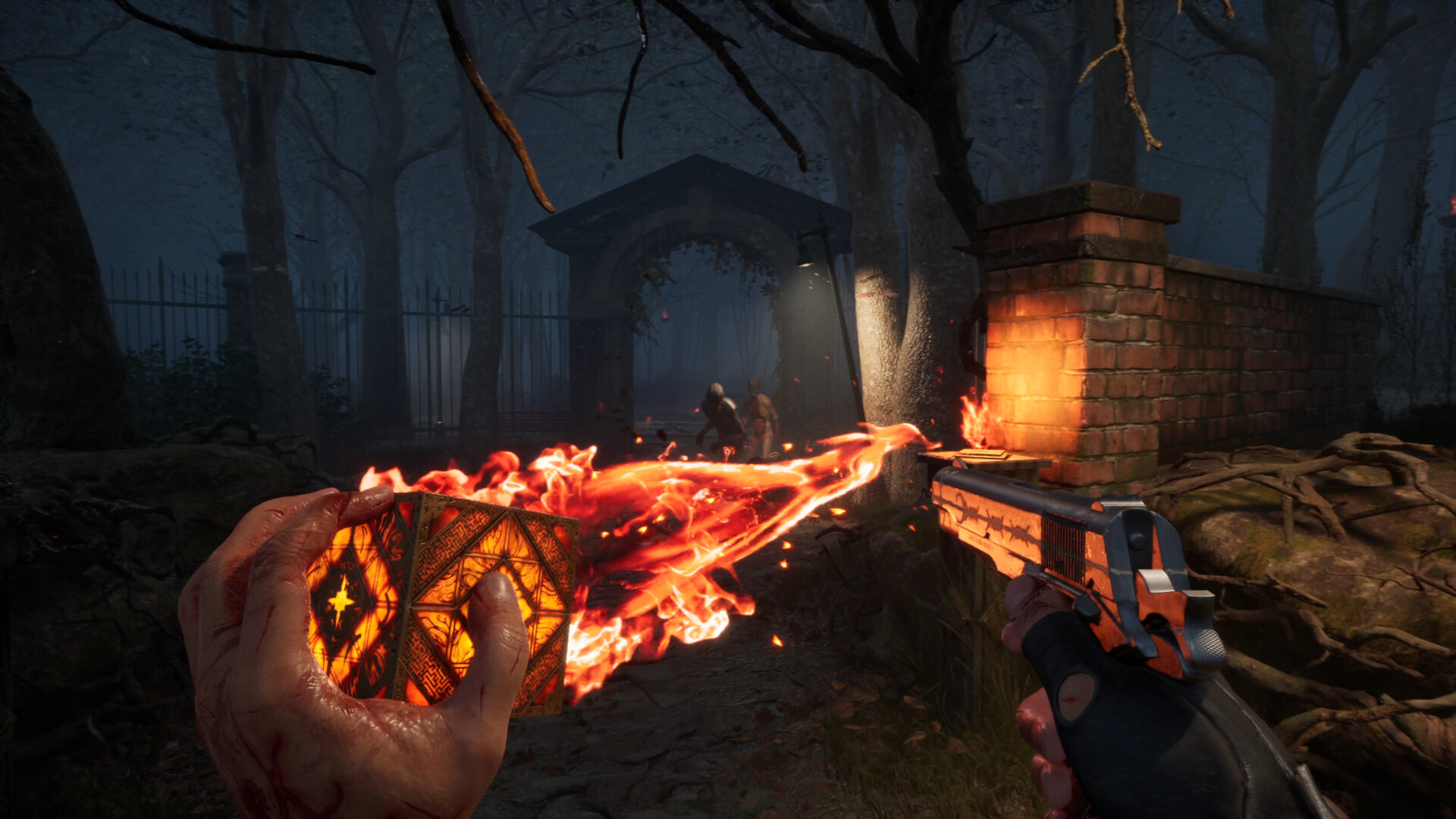
Like Resident Evil, but with even more blood
The gameplay experience evolves over time. The opening hour plays quite differently from the rest of the campaign, leaning heavily into a terrifying, disorienting atmosphere. While an entire game of that initial psychological dread would have been fascinating, the experience eventually shifts into a more action-oriented style reminiscent of Resident Evil 4. Once you settle into this combat-and-exploration flow, the mechanics feel rewarding.
Placing ornate figurines, hunting down bizarre keys, and solving environmental puzzles while fending off terrifying enemies makes the lineage of both the Silent Hill and Resident Evil franchises proudly apparent. Furthermore, the inclusion of a mysterious, cryptic vendor who appears at opportune moments, knowing far more than she lets on, draws direct and welcome parallels to modern classics like Resident Evil 4 and Village.
Inventory management is surprisingly smooth and frictionless. Quest items and crafting materials are neatly separated from standard inventory slots, resulting in a much more streamlined experience than most games in the survival horror genre offer. An auto-sort button functions remarkably well, ensuring players can quickly organize their resources without unnecessary menu-fumbling. Additionally, diligent exploration is rewarded early and often with meaningful upgrades.
Puzzles are a frequent staple of the journey, and while most are straightforward and uncomplicated, they provide a welcome reprieve from fighting, hiding from, or fleeing the cultists and horrors that stalk the halls. The only minor misstep comes in the form of timed puzzles; forcing critical puzzle-solving under severe time constraints rarely feels fun or fitting in any game, and Hellraiser is no exception to this rule.
Despite this, Hellraiser: Revival maintains nice overall pacing. The game expertly balances action, stealth, and puzzle-solving, ensuring that no single mechanic overstays its welcome before transitioning into the next phase of the nightmare.
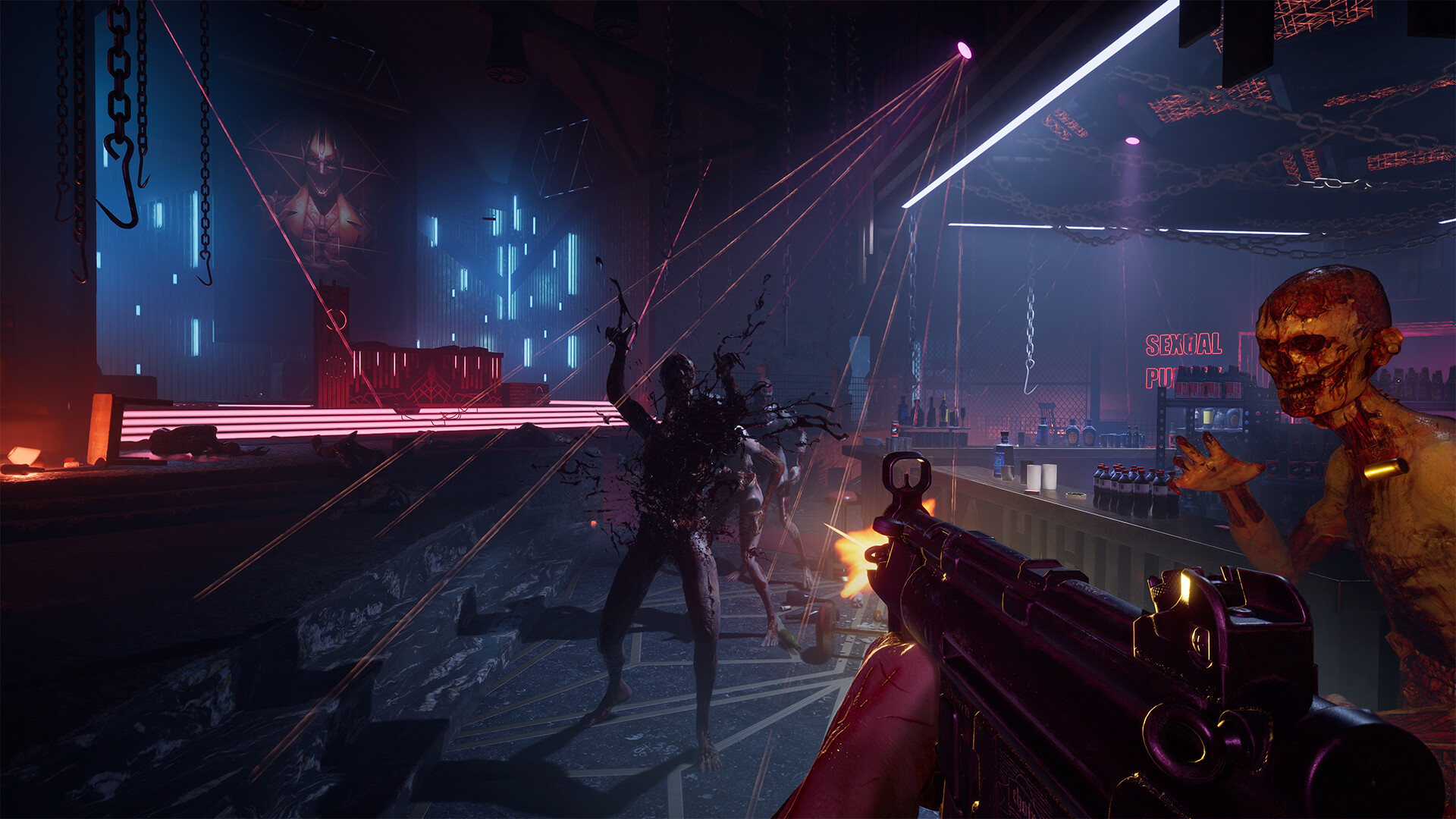
Hellraiser: Revival Does Not Hold Back
Visually, Hellraiser: Revival is a striking achievement. Character models are impressively rendered, and the environments exude a decaying, oppressive grandeur. When it comes to the bodyhorror, featuring exposed flesh, nudity, and visceral anatomical mutilations, the game holds absolutely nothing back. It is decidedly not for the squeamish. Hellraiser: Revival features scenes and imagery quite unlike anything I have previously seen in a mainstream video game; the traditional content warning at the outset almost feels understated given the genuinely freaky sights waiting deeper in the game. The graphical engine rises to the occasion, portraying these dark fantasies with some nice fidelity.
The voice acting strikes a balance between campy and genuinely effective, fitting snugly into the theatrical tradition of the films. Moreover, hearing the legendary Doug Bradley reprise his iconic role as Pinhead lends an undeniable authenticity that any true adaptation desperately needs. His commanding, chilling performance anchors the game firmly in the established cinematic canon.
Conclusion
Clive Barker’s Hellraiser: Revival is undoubtedly not a video game for everyone, just as the films are not horror for everyone. It is a brutal, unflinching horror title featuring striking graphical atrocities, yet it succeeds wildly by fusing the psychological dread of Silent Hill with the action-horror cadence of Resident Evil into a brilliant, hellish concoction.
At its core, Hellraiser: Revival delivers a straightforward, linear survival horror experience complemented by satisfying combat, a compelling narrative, and characters that honor the essence of the source material. By standing firmly on its own two feet, it transcends the typical curse of movie-tie-in video games, delivering a terrifying game that fans of horror or the franchise should play.
Leave a Reply