
Every year, Call of Duty raises the same question: is it worth playing, or is it more of the same? With Modern Warfare 4, the answer is a bit of both. It doesn’t try to reinvent the series, but it delivers a polished, action-packed military shooter with enough variety to remain entertaining.
Campaign: A Tale of Two Perspectives
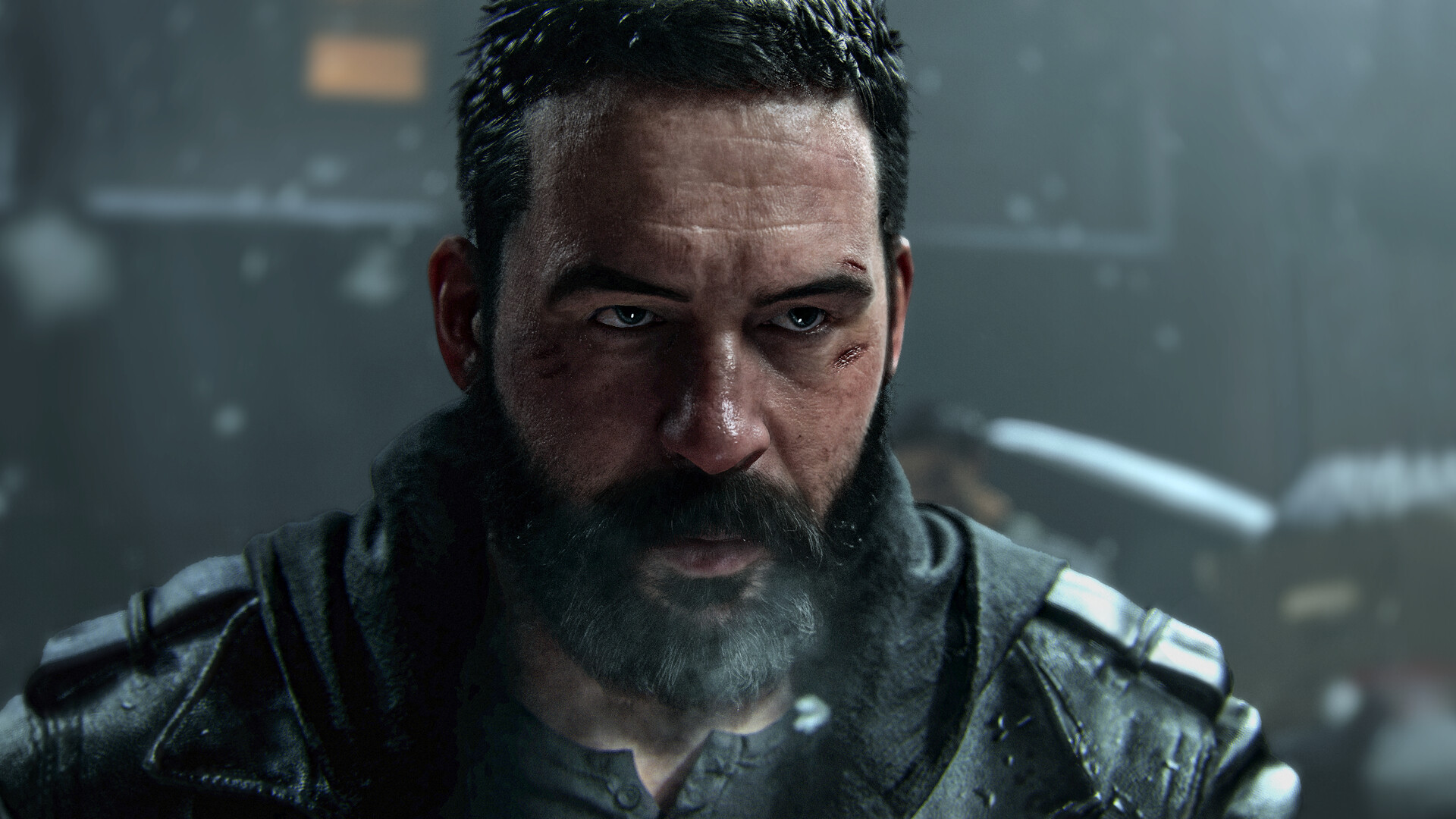
The campaign is the strongest part of the game, and surprisingly, Captain Price isn’t the main reason why.
The story is told from two perspectives. One follows Private Park and a South Korean squad fighting back against a North Korean invasion. The other follows Captain Price, now operating outside the system and pursuing a personal mission. While both storylines offer plenty of variety, I found myself much more invested in the Korean campaign.
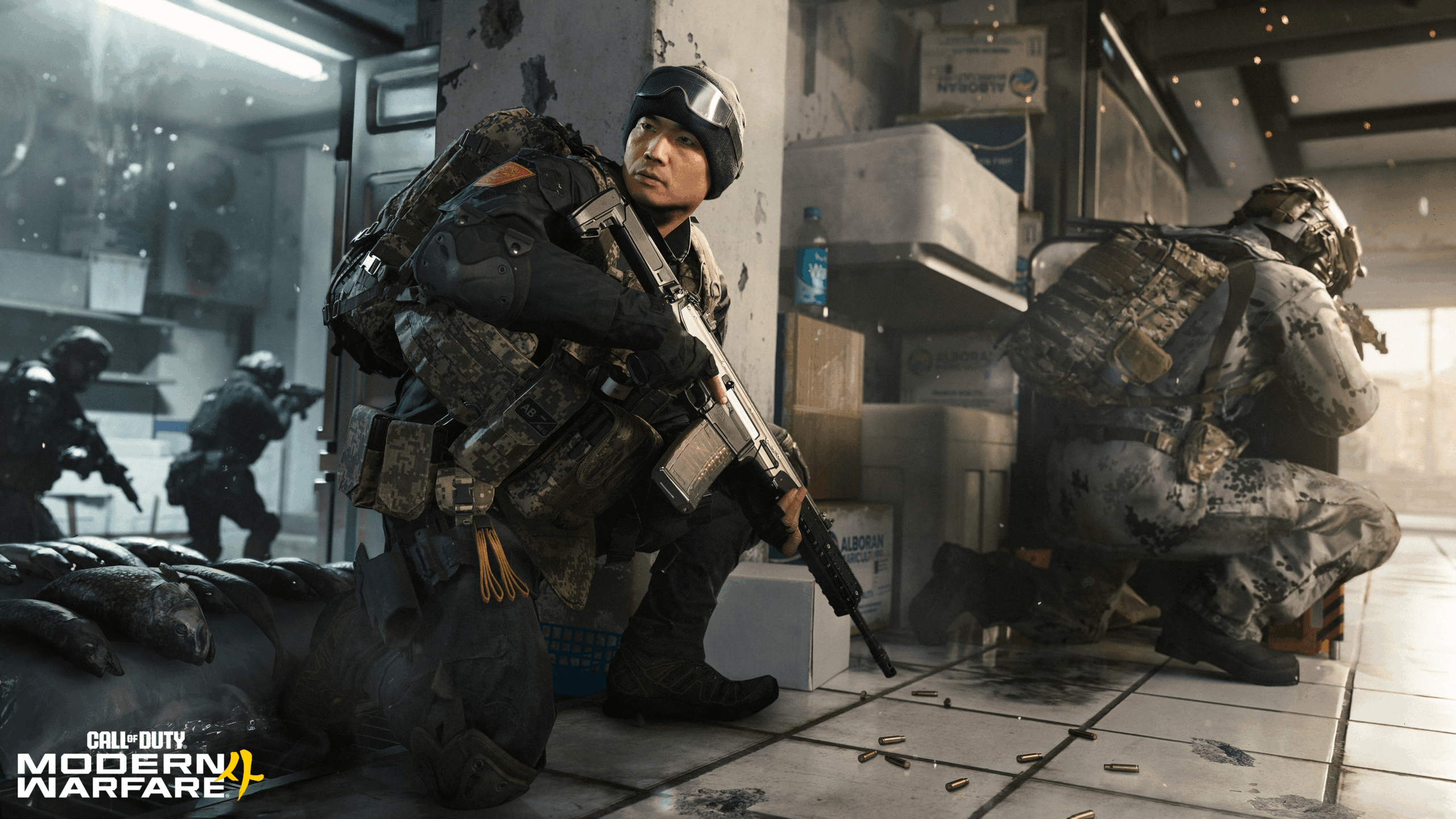
A big part of that comes down to Park’s squad. These soldiers feel like ordinary people caught in a terrible situation rather than invincible action heroes, and their camaraderie makes it easy to care about their story. Conversations and quieter moments give the team personality, making me want to spend more time with them.
The Korean missions also deliver the kind of large-scale action the game does best. You move through ruined streets, defend positions, and fight alongside your squad as the battlefield falls apart around you. The battles feel massive without losing sight of the people fighting beside you, creating some of the campaign’s most memorable moments.
Price’s sections are enjoyable, and his covert operations offer a nice change of pace. However, his storyline feels more familiar and less emotionally engaging than Park’s. Whenever the campaign shifted away from the Korean squad, I usually found myself wanting to get back to them.
Open-World Exploration and Global Locations
One mission around the middle of the campaign particularly stood out to me. It offers something resembling a miniature open world, giving you a larger area to explore and more freedom in how you approach things. I really enjoyed this change of pace. Having some room to explore rather than constantly being guided down a predetermined path felt refreshing. I wouldn’t necessarily want every mission designed this way, but I’d certainly welcome more of them.
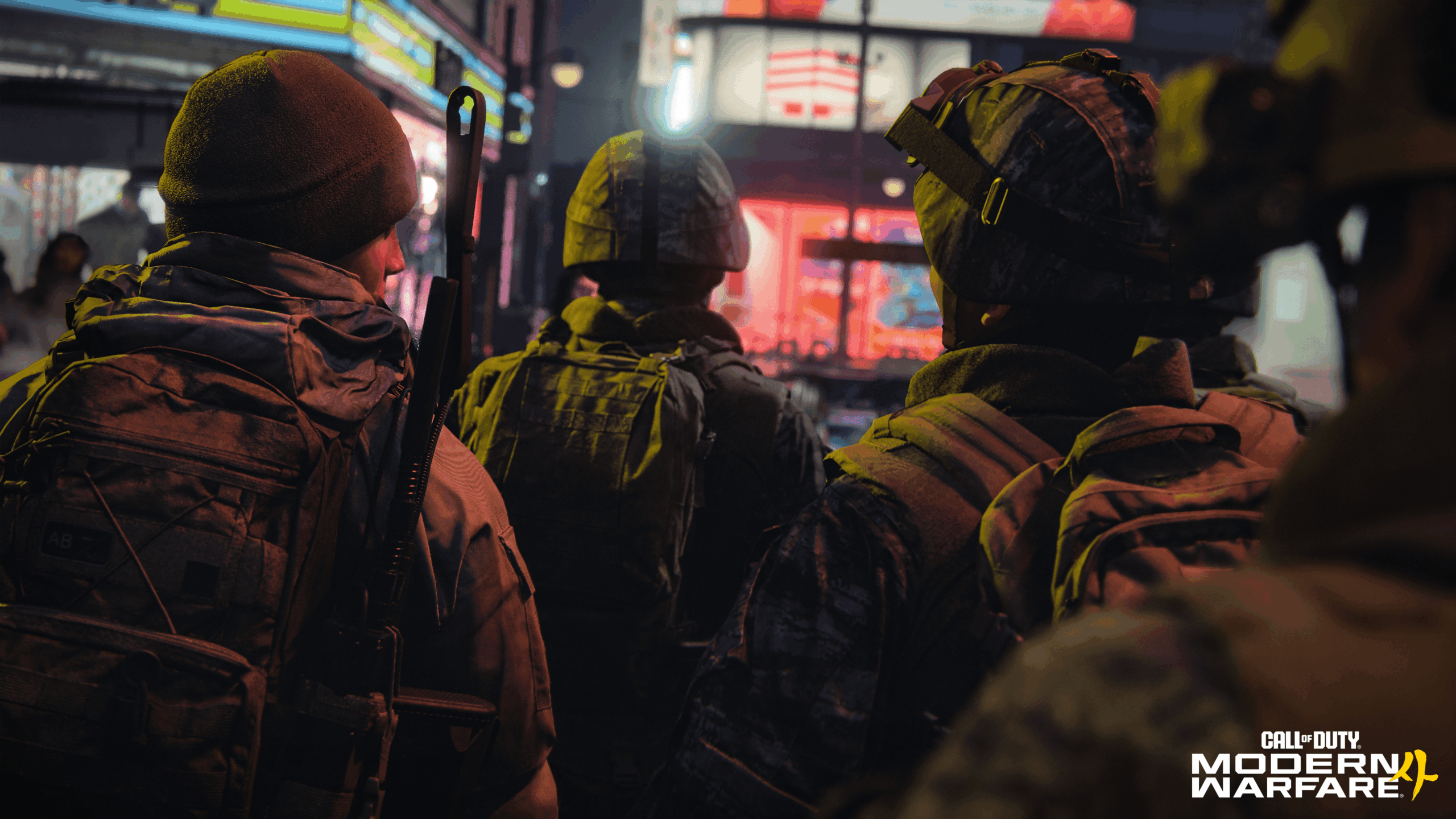
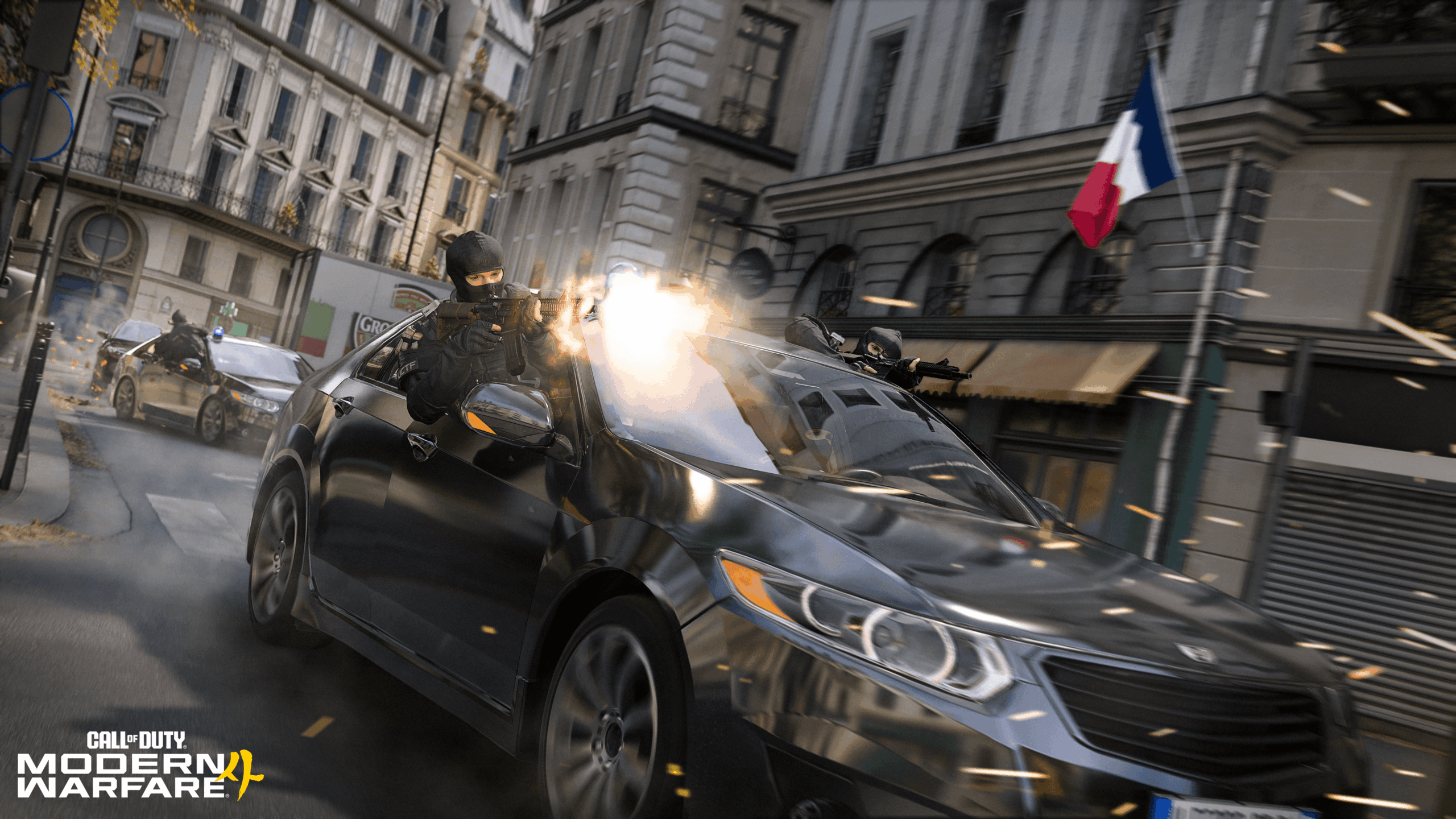
The story takes you through New York, Paris, and Mumbai, offering a mixture of close-quarters firefights and heavily scripted set pieces. It isn’t particularly original, but the pacing rarely slows down. This is classic Call of Duty: dramatic, explosive, and constantly moving forward.
Visuals, Audio, and Gunplay
Modern Warfare 4 looks excellent on PS5. The environments are detailed, the lighting is convincing, and smoke, debris, and explosions give the larger battles a real sense of scale.
The sound design is another highlight. Gunfire sounds powerful and convincing, while explosions and environmental effects add even more impact to the action. Combined with the excellent animations, it all makes for a much more immersive experience.
The animations are equally impressive. Soldiers move, take cover, reload, and react naturally during firefights, while weapon handling feels smooth and satisfying. These details add a lot to the immersion, particularly during the Korean missions, where watching your squad advance through the chaos makes the action feel more convincing. There are refinements to aiming, weapon handling, and movement, but no major changes to the formula. You move forward, take cover, shoot, and repeat. That lack of innovation might disappoint players looking for something completely new, but the core action remains enjoyable because it’s so well executed. Modern Warfare 4 plays it safe, but it rarely feels dull.
Anyone familiar with Modern Warfare will feel right at home. The controls are responsive, and movement is quick without becoming overly acrobatic. Positioning and cover still matter, even when the action gets chaotic.I particularly like the way the weapons feel. There’s a satisfying weight and punch to the gunplay, and the excellent sound design makes firing them even more enjoyable. Reloading, aiming, and shooting all feel incredibly polished. It’s one of those games where simply using the weapons is satisfying in itself. For a shooter, that’s obviously a pretty important quality.
Multiplayer Variety and Classic Modes
Multiplayer offers traditional 6v6 maps, larger Ground War battlegrounds, smaller Gunfight arenas, and the changing Kill Block environment. The variety helps keep things interesting, although familiar problems like questionable spawns still crop up. Thankfully, they do seem to have improved compared to previous entries.
I particularly enjoyed the more traditional multiplayer modes. There’s something about the simple, fast-paced action of classic Call of Duty that never really gets old. That being said, I’m certainly not particularly good at it. I rarely found myself anywhere near the top of the leaderboards, and I probably spent more time getting killed than I’d like to admit. Still, I had a good time, even when things weren’t exactly going my way. You don’t necessarily have to be good at a game to enjoy it, and that’s definitely the case here.
The traditional modes are all here. Team Deathmatch focuses on eliminations, Free-for-All removes the need to rely on teammates, Domination and Hardpoint revolve around objectives, and Kill Confirmed requires players to collect dog tags. Frontline uses team-based spawns and encourages players to push into enemy territory.
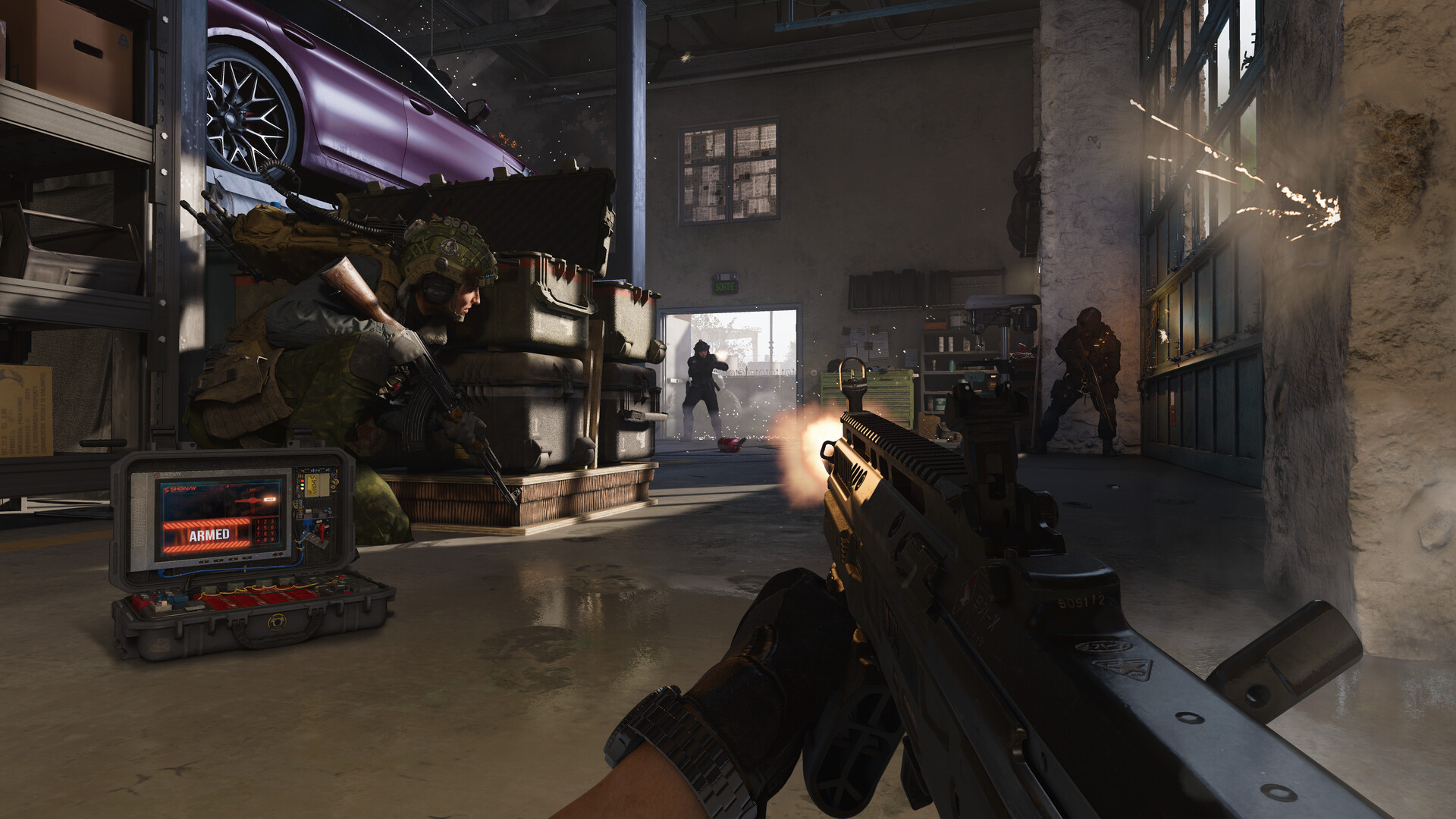
Search & Destroy remains a tense, single-life bomb mode, while Collateral adds a buy phase that lets players spend money earned during rounds on weapons and equipment. Gunfight offers round-based battles with identical loadouts. The modular Kill Block battlefield changes its layout between rounds, while Gun Game takes players through different weapons after each elimination. For larger battles, Ground War: Combat Outpost features 32v32 matches with vehicles and positions to capture and reinforce.
Newer modes add some welcome variety. Inflation revolves around collecting cash from eliminated opponents, with players carrying too much becoming High Value Targets. Hijack requires teams to carry and upload a Data Spike at the enemy communications station. Both modes encourage more teamwork than simply chasing kills.
DMZ: The Standout Experience
DMZ offers a more unpredictable alternative to traditional multiplayer. You enter the Hajin Exclusion Zone alone or with a squad, complete objectives, collect equipment, and try to extract before rival players or AI enemies overwhelm you.
DMZ was easily my favorite multiplayer experience, and it’s where I ended up spending most of my time. I really enjoyed the combination of exploration, objectives, and unpredictable encounters. Unlike the traditional multiplayer modes, where everything happens at a rather frantic pace, DMZ gives you a bit more room to approach things your own way. I also like the tension of knowing that things can go wrong at any moment, especially when you’re carrying valuable equipment and still need to make it out alive.
Its Story Missions, Dynamic Operations, Side Ops, and exploration objectives tie into progression through the Forward Operating Base. Losing equipment can be frustrating, but that sense of risk makes successfully extracting all the more rewarding. For me, DMZ is much more than just an alternative game mode. It’s one of the most enjoyable parts of the entire package and a big reason why I kept coming back.
Conclusion
Modern Warfare 4 feels familiar, but its strong execution and the amount of content across the campaign, multiplayer, and DMZ make up for the lack of innovation. If you’re already tired of the Call of Duty formula, this probably won’t change your mind. But if you’re looking for a polished, action-packed military shooter with great graphics, satisfying gunplay, and plenty to do, Modern Warfare 4 delivers exactly that.
Leave a Reply