
Since the very moment the first teaser screenshot for Replaced graced our screens, it became a focal point of anticipation for me. The art style promised something visceral and revolutionary, a fusion of retro-pixel aesthetics and modern lighting that seemed almost too good to be true. Naturally, this high visual ambition brought a healthy dose of skepticism with it. In an industry where looks can often mask a hollow core, I found myself asking the inevitable question: Is there actually a substantial experience behind the aesthetic, or is this just a beautiful facade? Having finally navigated the somber, rain-slicked streets of its world, I can confirm that my initial hesitation was well-founded. Replaced is a title that demands to be looked at, even if it occasionally forgets that it needs to be played.
A Stagnant Narrative
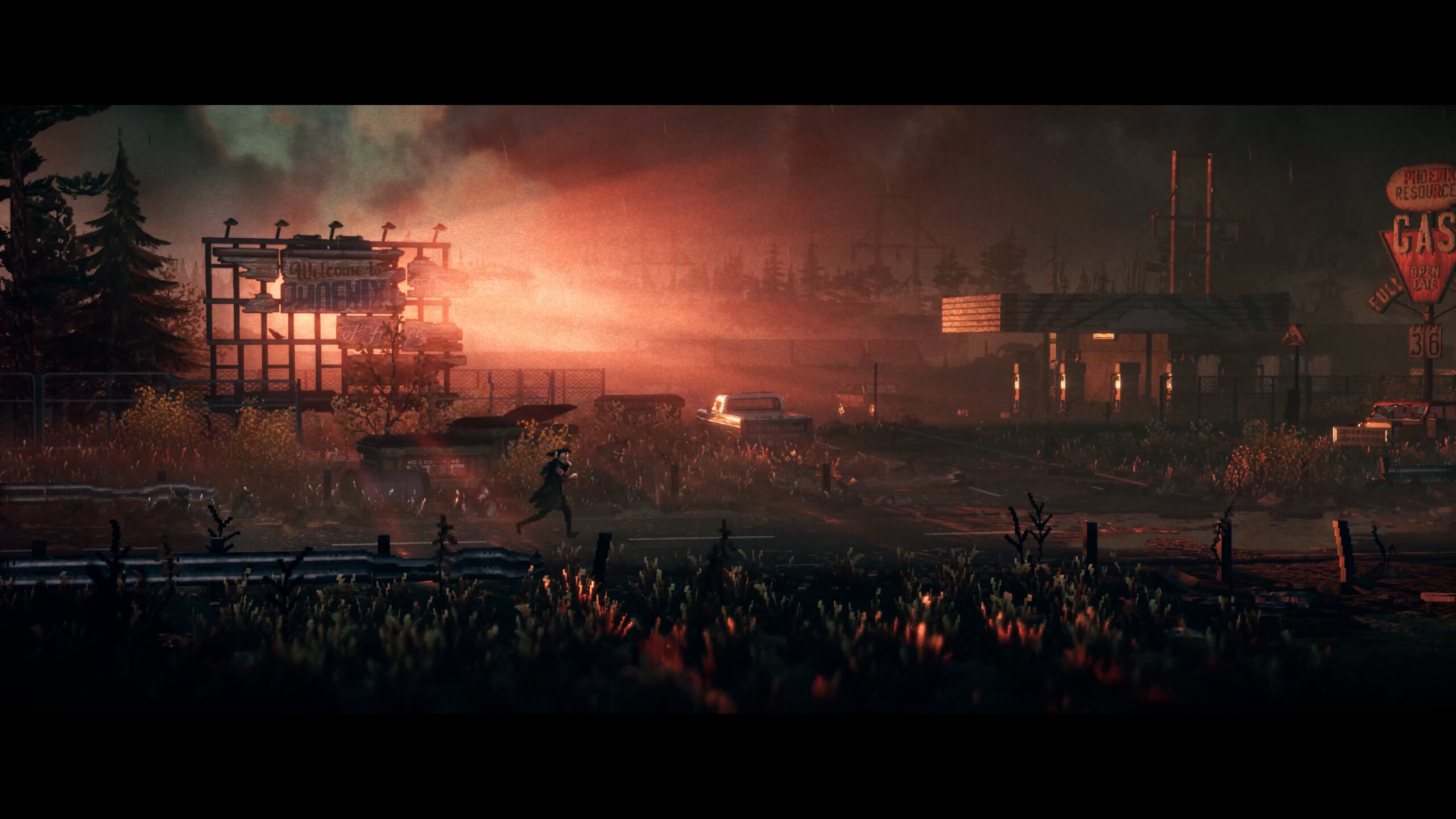
Replaced drops players into an alternate-history 1980s United States, a post-nuclear landscape dripping with the grime and neon-soaked malaise of the cyberpunk genre. You take the role of an AI trapped in a human body, a premise that feels ripe for existential exploration. Your singular directive is to navigate this crumbling society, uncovering the dark truths behind the corporation that birthed you.
While the setup is functional as a mechanical driving force, it rarely rises above that. Throughout my journey, I struggled to form a meaningful connection with the world or its inhabitants. I found myself unable to recall a single character’s name by the time the credits rolled, not because the story was overly complex, but because it lacked the emotional hook necessary to make me care.
This sense of detachment is exacerbated by the absence of voice acting. All dialogue and exposition are delivered through text boxes. While I understand the constraints of a smaller studio, the lack of voice work really hurts the immersion here. In a narrative that is already struggling to compel, the silence makes the world feel surprisingly hollow. Hearing the cadence of a character’s voice could have added the texture needed to make these interactions feel vital; instead, they feel like reading a script in an empty room.
Simple, Safe, and Sometimes Slow
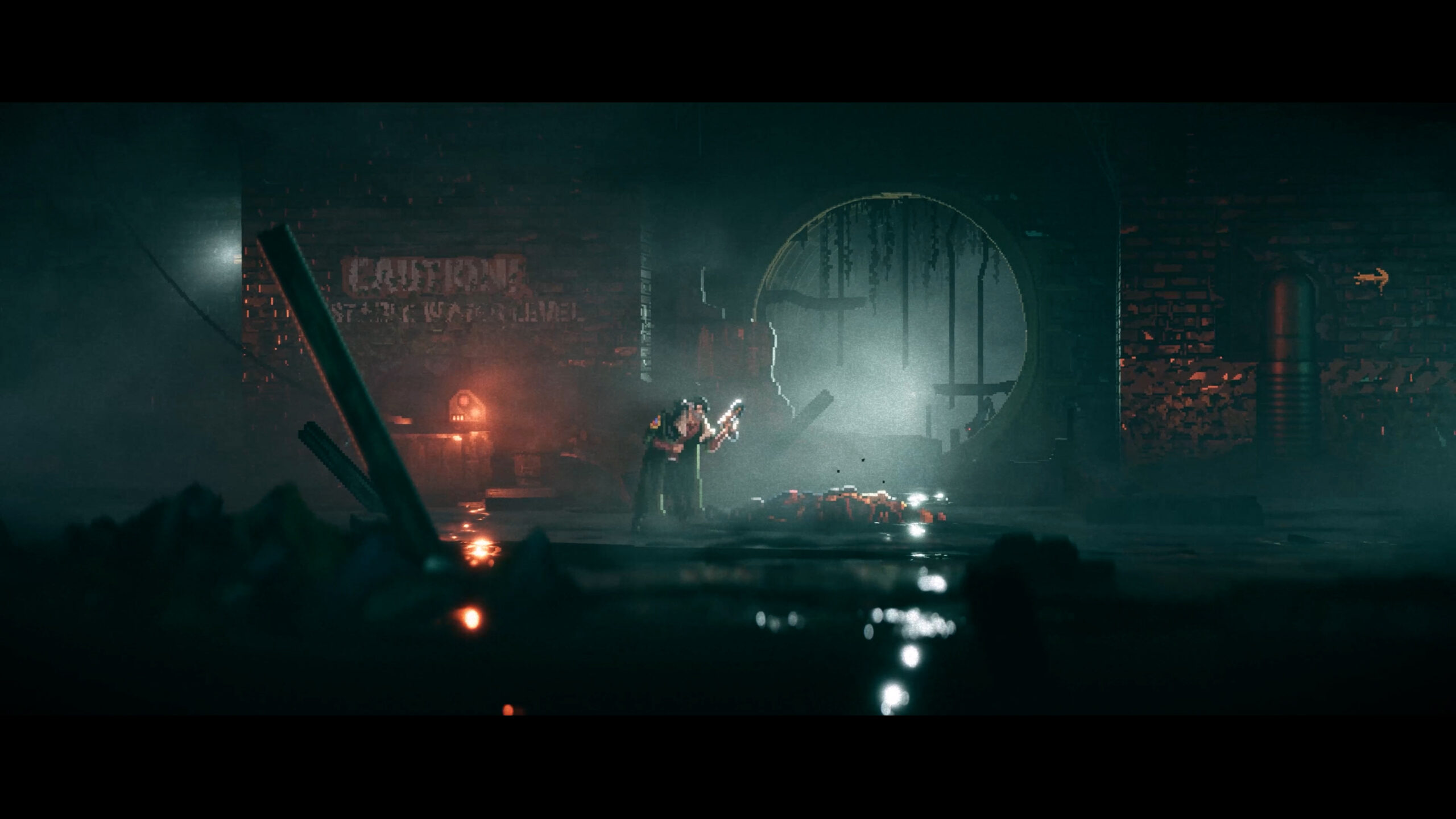
The gameplay experience is a tale of two halves. The prologue is an unfortunate stumbling block, a slow, lethargic introduction that does little more than have the player move to the right and vault over a few boxes. It is frustratingly paced and fails to sell the player on the mechanics of the game. Thankfully, once you push past this sluggish opening, the game finds a rhythm, though perfection is still out of reach.
Replaced functions primarily as a hybrid of platforming puzzles and combat. Both facets suffer from a marked lack of challenge. The puzzles are straightforward, telegraphing their solutions with obvious clarity; you are never left guessing where to go or what object to move next. This simplicity is compounded by the character’s movement speed, which feels sluggish, a design choice that becomes particularly grating during the sections that require backtracking.
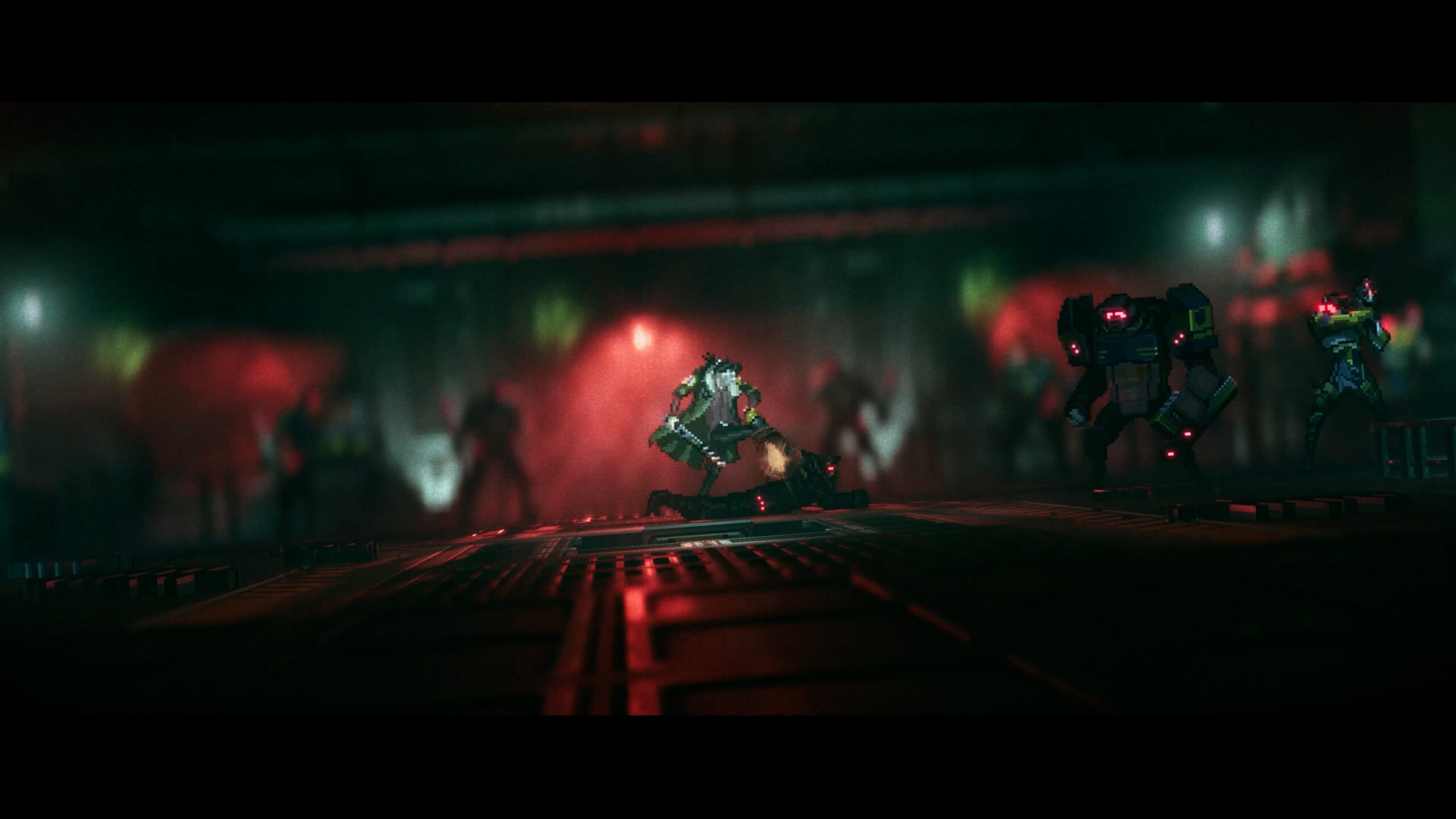
The combat follows this same path of least resistance. You possess a standard toolkit of attacks, dodges, and counters, but the game is far too generous with its windows for reaction. Enemies often feel like they are politely waiting their turn to strike, turning combat into a series of predictable exchanges rather than a frantic struggle for survival. Boss encounters, while visually striking, play out like elongated versions of standard enemy skirmishes, lacking the mechanical complexity or escalating stakes one would hope for in a climactic showdown.
A Masterclass in Cinematography and Style
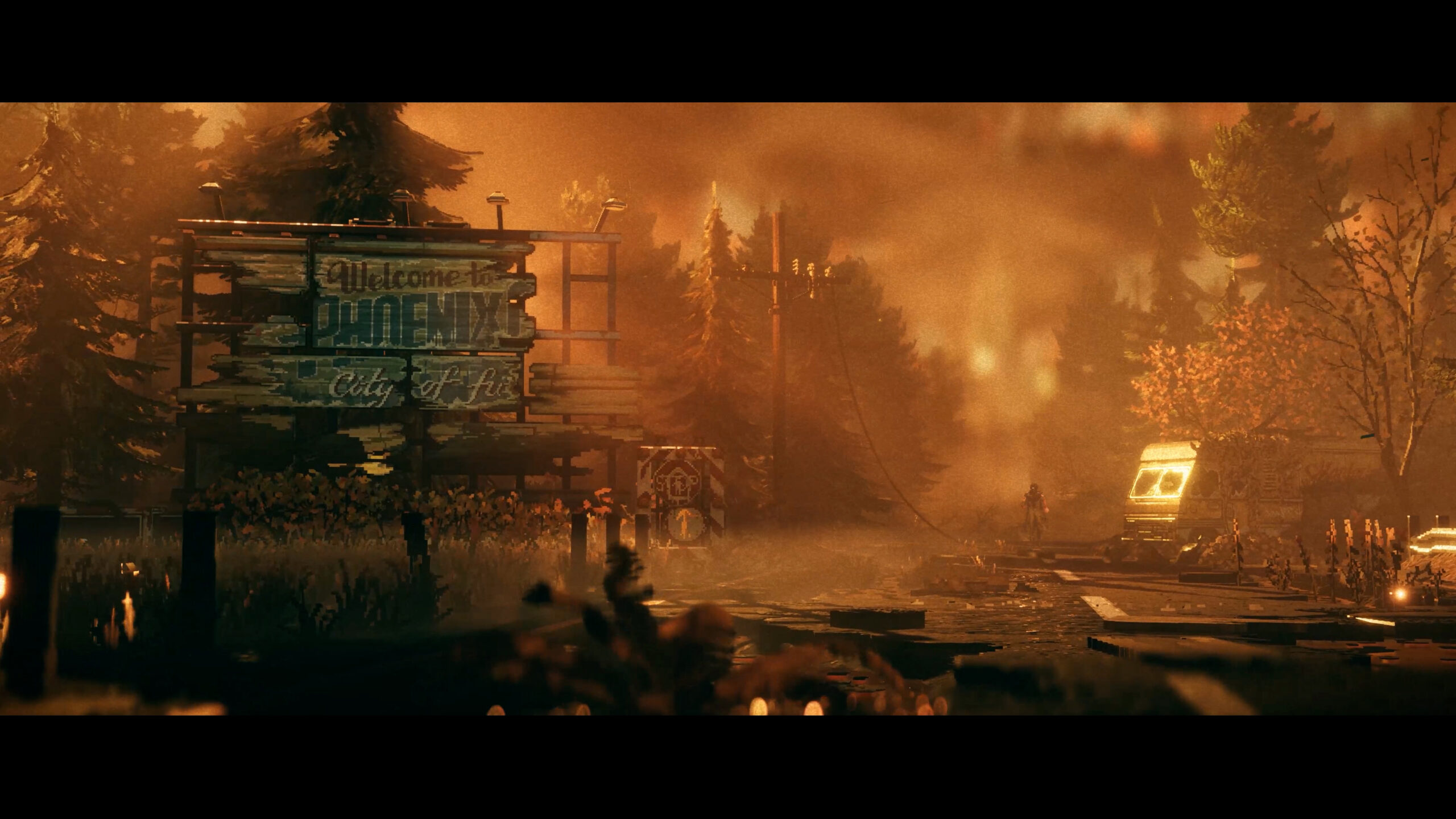
If the gameplay and narrative left me wanting, the presentation offered a complete redemption. Simply put, Replaced is a visual triumph. The team at Sad Cat Studios has achieved something genuinely fresh with camera work. By manipulating angles and movements in ways rarely seen in 2D platformers, the camera feels like an active participant in the story. It rolls with your character after a fall, tracks fluidly behind set pieces, and dynamically shifts to emphasize the scale of the environments. It feels less like controlling a sprite and more like directing a shot in a film.
The aesthetic balance is equally impressive. The game marries detailed pixel art with modern lighting to create something that feels both nostalgic and cutting-edge. The way rain catches the light and how shadows stretch through the environments creates an atmosphere you can almost taste. I found myself frequently lingering in areas just to absorb the composition; the art is of such high quality that I found myself wishing I could hang screenshots of the game on my wall as fine art.
This mastery extends to the soundscape. The soundtrack is a haunting, synth-heavy masterpiece that perfectly encapsulates the cyberpunk dichotomy of cold technology and human desperation. The music reacts to your situation, whether you are cautiously exploring a derelict town or being hunted across a field, and the sound design elevates the cinematic quality of the piece, anchoring the erratic pace of the game in a consistent, compelling mood.
A Beautiful Moving Painting
Replaced is a curious beast. It is less a video game in the traditional sense of deep, engaging, or challenging mechanics, and more a curated, interactive experience. If you are looking for a title to test your reflexes or offer a deep, branching narrative, Replaced will leave you feeling empty.
However, if you are looking for a unique, haunting atmosphere, a game that feels like stepping into a stylish, melancholic movie, then it is an essential play. The marriage of its breathtaking visual aesthetic, its impeccable cinematic direction, and its atmospheric soundtrack makes it a rare, if flawed, treasure. Replaced proves that sometimes, being a beautiful experience is good enough, and in this case, the sheer artistry on display is worth the price of admission.
Leave a Reply