
In a gaming landscape often dominated by hyper-realistic graphics, somber narratives, and predictable genre tropes, titles that lean heavily into the bizarre and irreverent can be a breath of fresh air. Enter Stupid Never Dies, an action-packed roguelite that immediately captures your attention with an intriguing premise and a striking visual identity. The game wastes no time hooking the player, establishing a fascinating backstory and presenting it with a stylistic flair that is hard to ignore.
Struggles with Momentum
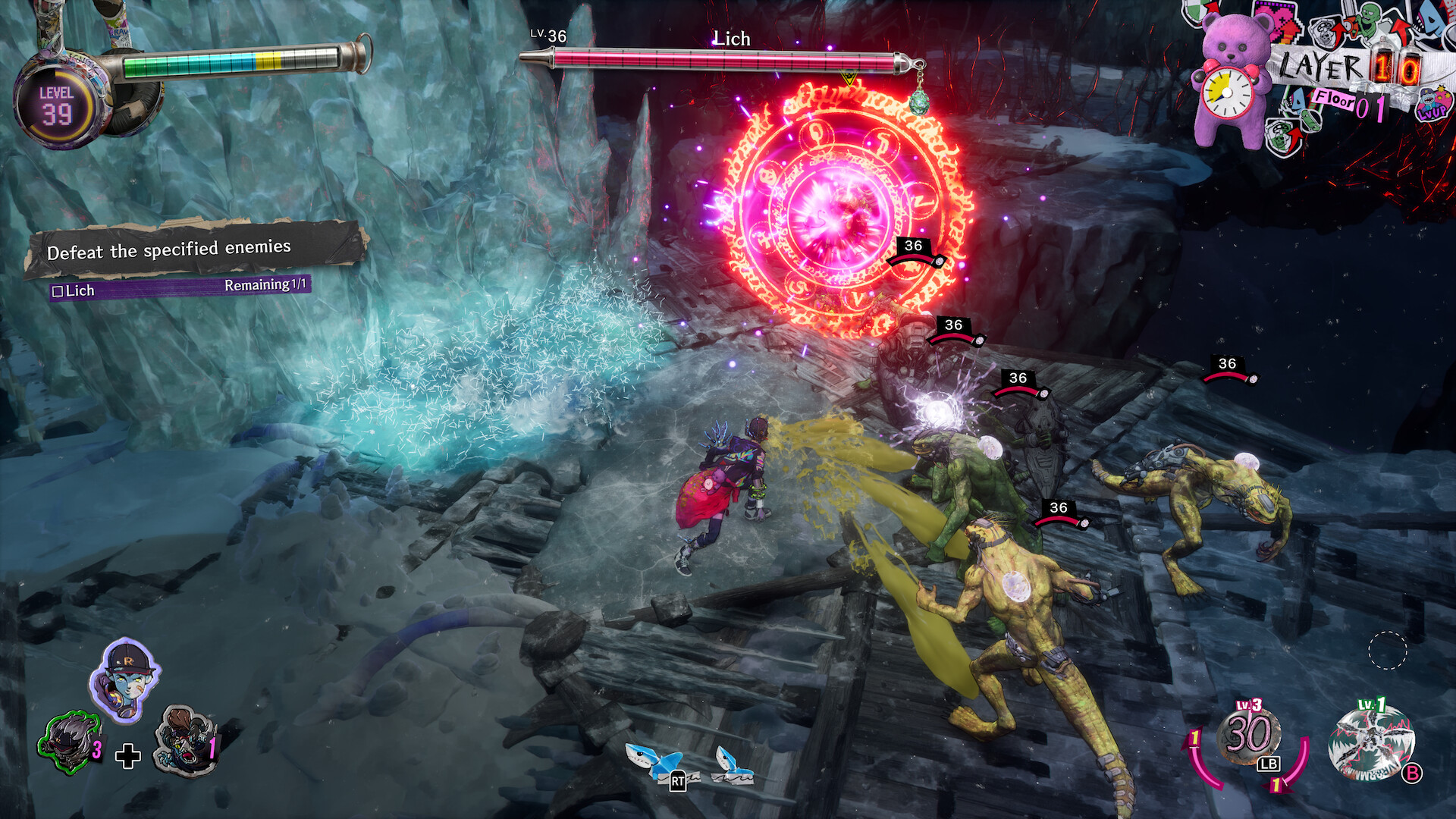
From the very first moments, the game’s presentation shines. Scenes are frequently cut short for comedic or dramatic effect, while dynamic on-screen text, names, and sticker overlays add a distinct punk-rock aesthetic to the user interface. This stylistic choice, combined with the frantic gameplay and idiosyncratic art style, evokes a strong sense of nostalgia for cult-classic titles like Lollipop Chainsaw. It promises a wild, unapologetic ride through a twisted world where logic takes a backseat to sheer spectacle.
Unfortunately, while the initial hook is potent, the narrative that follows struggles to maintain that momentum. As you delve deeper into the experience, the story fails to reach the heights suggested by its opening setup. Instead of a cohesive, satisfying plot arc, you are met with an abundance of unresolved questions and a narrative trajectory that frequently throws weird, random occurrences at the player just for the sake of being eccentric.
Narrative Ambition and Campy Charm
At its heart, Stupid Never Dies is a bizarrely structured love story. The protagonist, Davey, has fallen hopelessly in love with a frozen girl. Aided by a quirky human doctor and a roster of very odd accomplices, Davey sets out on a quest to save his beloved, which conveniently also requires saving humankind and the entire world along the way.
The writing throughout this journey is extremely campy and attempts to be aggressively funny. While it may not induce out-loud laughter for everyone, it succeeds in maintaining a lighthearted, smiling engagement. However, appreciating the humor requires a very specific mindset. Approaching Stupid Never Dies is akin to watching a B-movie about gargantuan killer sharks: when you are in the right mood, the ridiculousness is transcendent and immensely entertaining; when you are not, the very same elements can feel grating and insufferable.
This variability extends to the characters themselves. The cast is undeniably unique and bursting with personality, making it genuinely enjoyable to spend time in their company. Yet, the overall writing remains heavily dependent on the player’s daily disposition. Your mileage with the humor and narrative will vary not just from player to player, but potentially from day to day. On one afternoon, you might find yourself charmed by the absurd dialogue and eccentric situations; on another, the relentless campiness might test your patience.
Pacing Woes and World Design
While the game moves at a brisk, chaotic pace during combat encounters, it hits a frustrating wall when exploring the central hub: the mall. Here, the pacing grinds to an artificial halt. Both movement speed and dialogue delivery within the mall are slow. While one might argue this is meant to emphasize Davey’s nature as a slow-moving zombie with a lethargic voice, it actively detracts from the fun. Introducing such a grounded, sluggish mechanic into an otherwise hyper-stylized and fast-paced game feels counterintuitive and genuinely unpleasant to play through.
To partially alleviate this, developers included a robotic vacuum cleaner for Davey to ride around on, though its inclusion feels largely unnecessary and fails to fix the underlying pacing issue. Fortunately, the developers implemented a thoughtful quality-of-life feature to combat the mall’s sluggishness: fast travel. By simply looking at various rooms within the mall and pressing a prompt, players can instantly teleport to their destination, a genuinely welcome addition that spares players from unnecessary backtracking.
Gameplay Mechanics and Roguelite Loop
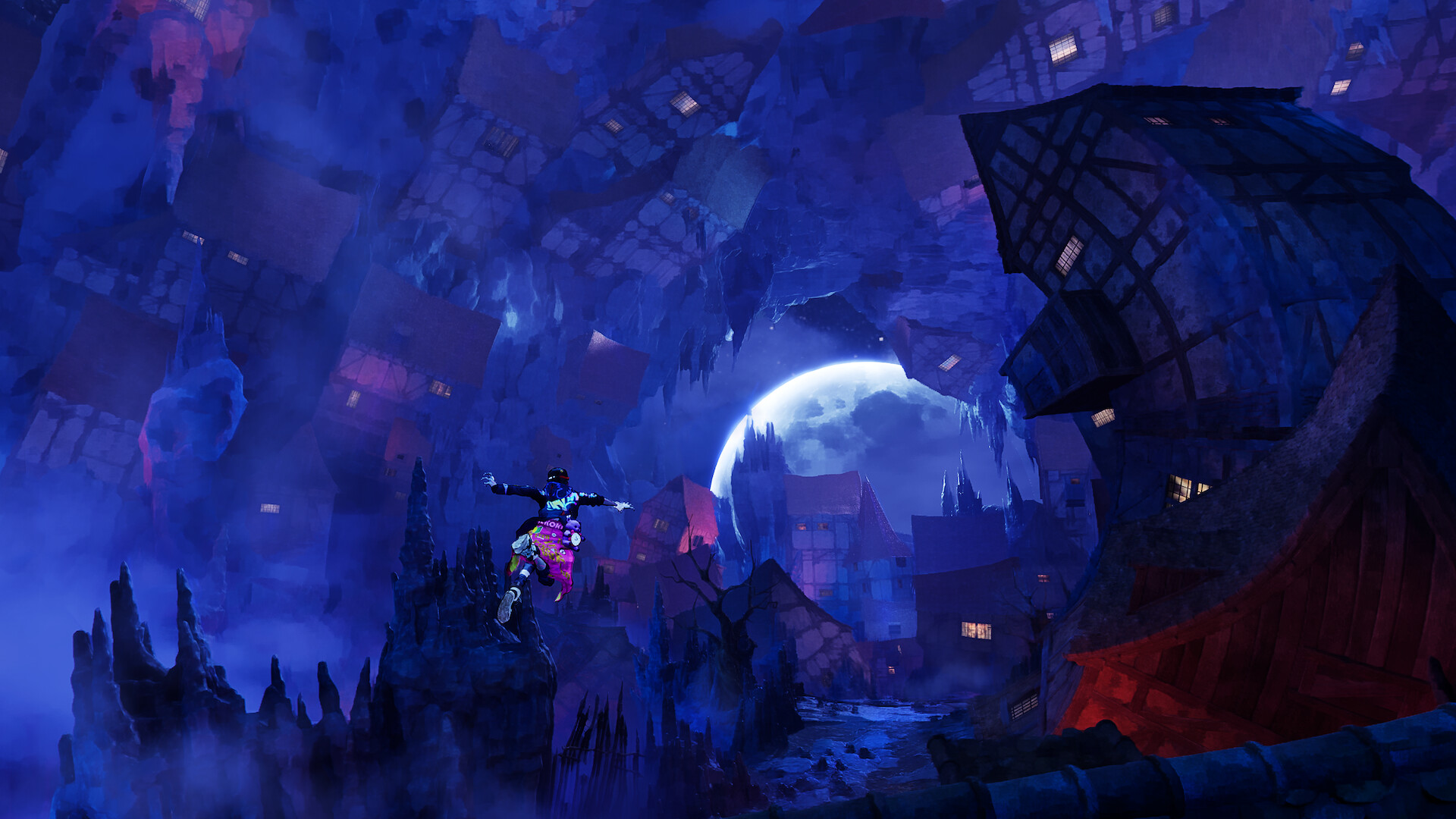
Structurally, Stupid Never Dies is an action roguelite that wastes no time getting players into the action, quite literally starting a run by flushing the player character down a toilet. This descent takes you through various subterranean layers and locations. While these areas feature distinct thematic backdrops, the actual level design and visual assets can feel a bit homogeneous. A greater variety of environments and enemy types would have gone a long way toward keeping the repetitive nature of runs at bay.
Despite these visual similarities, the individual runs are refreshingly short. This brevity works in the game’s favor, keeping the gameplay loop snappy. Runs consist of frequent stops where players can swap out gear, purchase upgrades, and tweak stats before plunging back into battle.
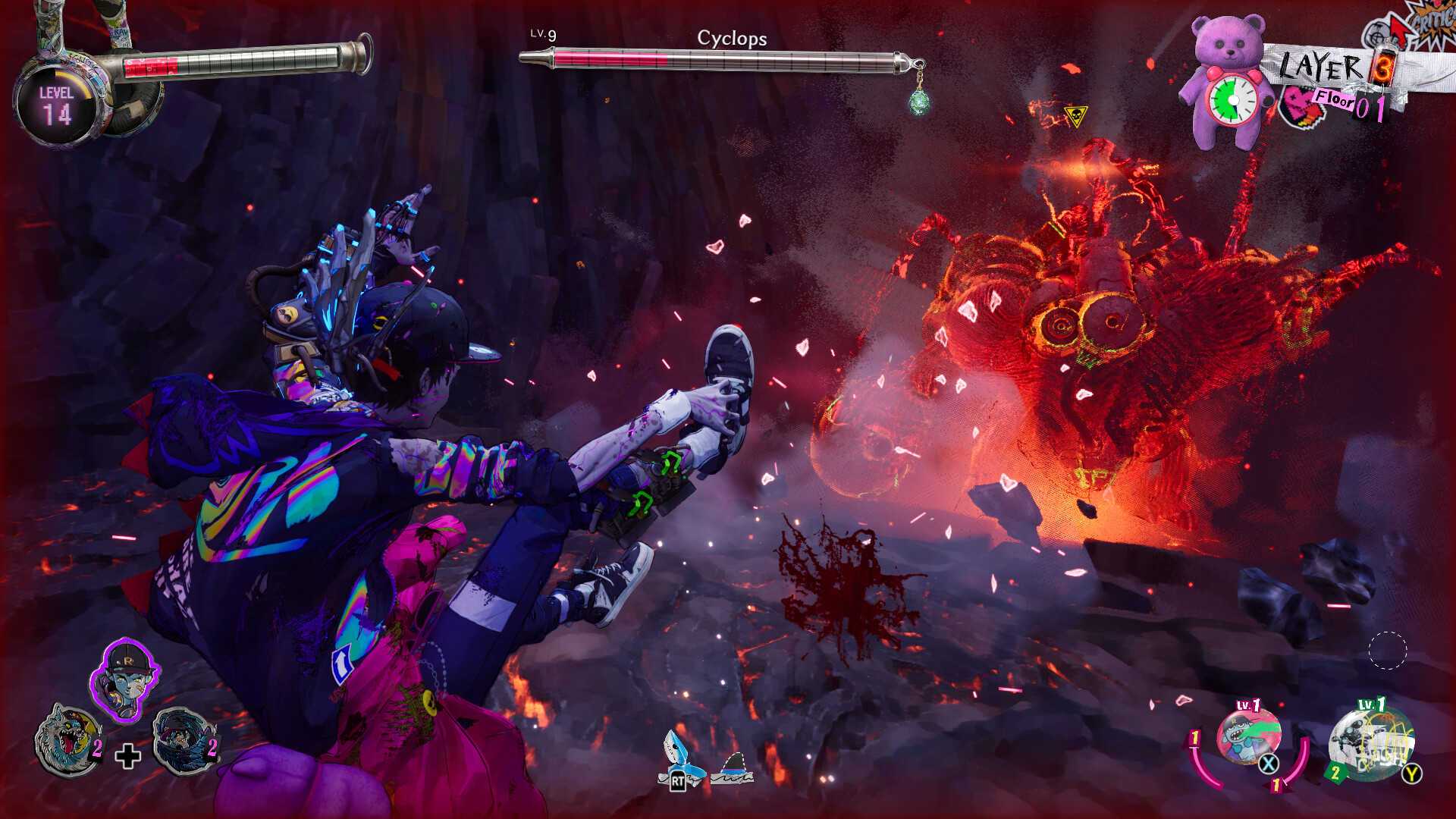
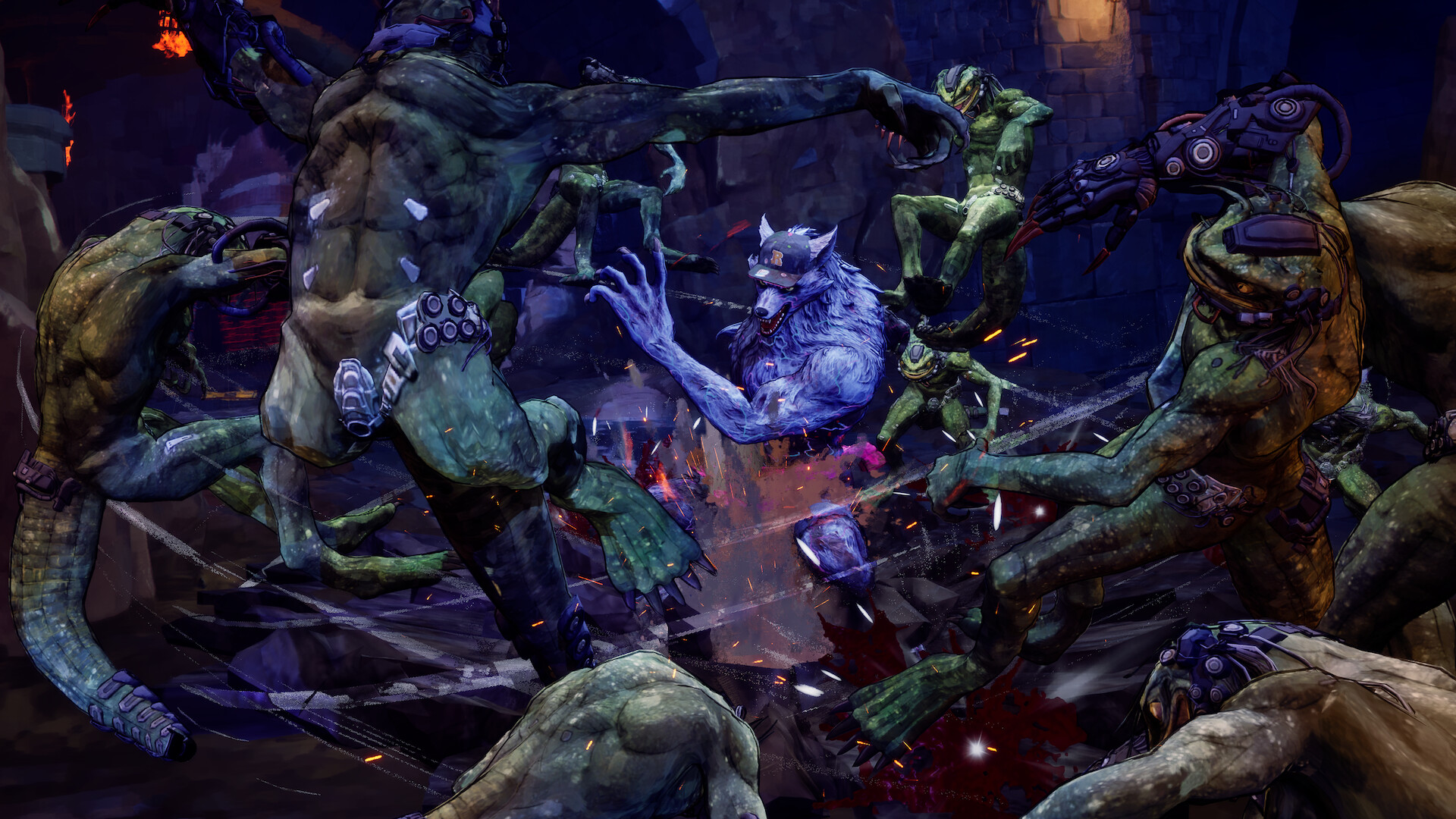
Combat begins feeling fluid, punchy, and thoroughly enjoyable. A standout mechanic involves defeating elite enemies and consuming their cores. Doing so grants temporary access to their unique skill sets, which players can hold onto and deploy strategically rather than using them immediately. Furthermore, these elite forms grant distinct traversal abilities, encouraging players to remember which elite holds what power if they wish to hunt down hidden secrets. Players can seamlessly transition from regular zombie combat into the form of a defeated elite, such as a ferocious werewolf, though these powerful transformations are limited to a couple of levels.
As you progress, you dive deeper through the layers of the world, punctuated by occasional boss fights. Between these layers, the game forces periodic narrative breaks, pulling you out of the action to advance the story before dropping you right back into the fray. While you encounter various upgrade choices during runs, these perks, even when leveled up between runs, ultimately feel impactful only on a superficial level, rarely altering your playstyle in a meaningful way.
Compounding this is the game’s longevity. Clocking in at around 14 hours for a standard playthrough, the core gameplay loop unfortunately begins to wear thin. The combat, while fun initially, suffers from a lack of depth and enemy variety, making the final few hours feel somewhat like a slog.
Conclusion
Ultimately, Stupid Never Dies is a hard sell. It is a title brimming with intriguing ideas and flashes of brilliance, and its overall execution is far from poor. However, it struggles to truly stand out in the crowded action-roguelite genre.
The characters are memorable and fun when the player is receptive to the humor, but the narrative fails to capitalize on its wildly imaginative premise. The combat is responsive and satisfying at first, yet it ultimately succumbs to repetitiveness over the course of its runtime. Throughout the experience, the game frustratingly feels like it is taking one step forward and two steps back.
Despite its flaws, the core concepts and stylistic execution show a lot of promise. Stupid Never Dies functions brilliantly as a proof-of-concept. With a refined approach and deeper variety in a potential sequel, this unique universe has all the raw ingredients needed to get things entirely right the second time around.
Leave a Reply