
I have never played a game in the OPUS series before, but seeing screenshots from OPUS: Prism Peak and hearing the buzz surrounding it immediately caught my attention. The visual aesthetic immediately called to mind the breathtaking artistry of a Studio Ghibli film or a Makoto Shinkai masterpiece, as if those iconic animation styles had been breathed into life within a digital interactive medium. From start to finish, I felt as though I was participating in a feature-length film directed by a visionary storyteller like Miyazaki or Shinkai, and I cherished every single second of the experience.
A Multilayered Narrative
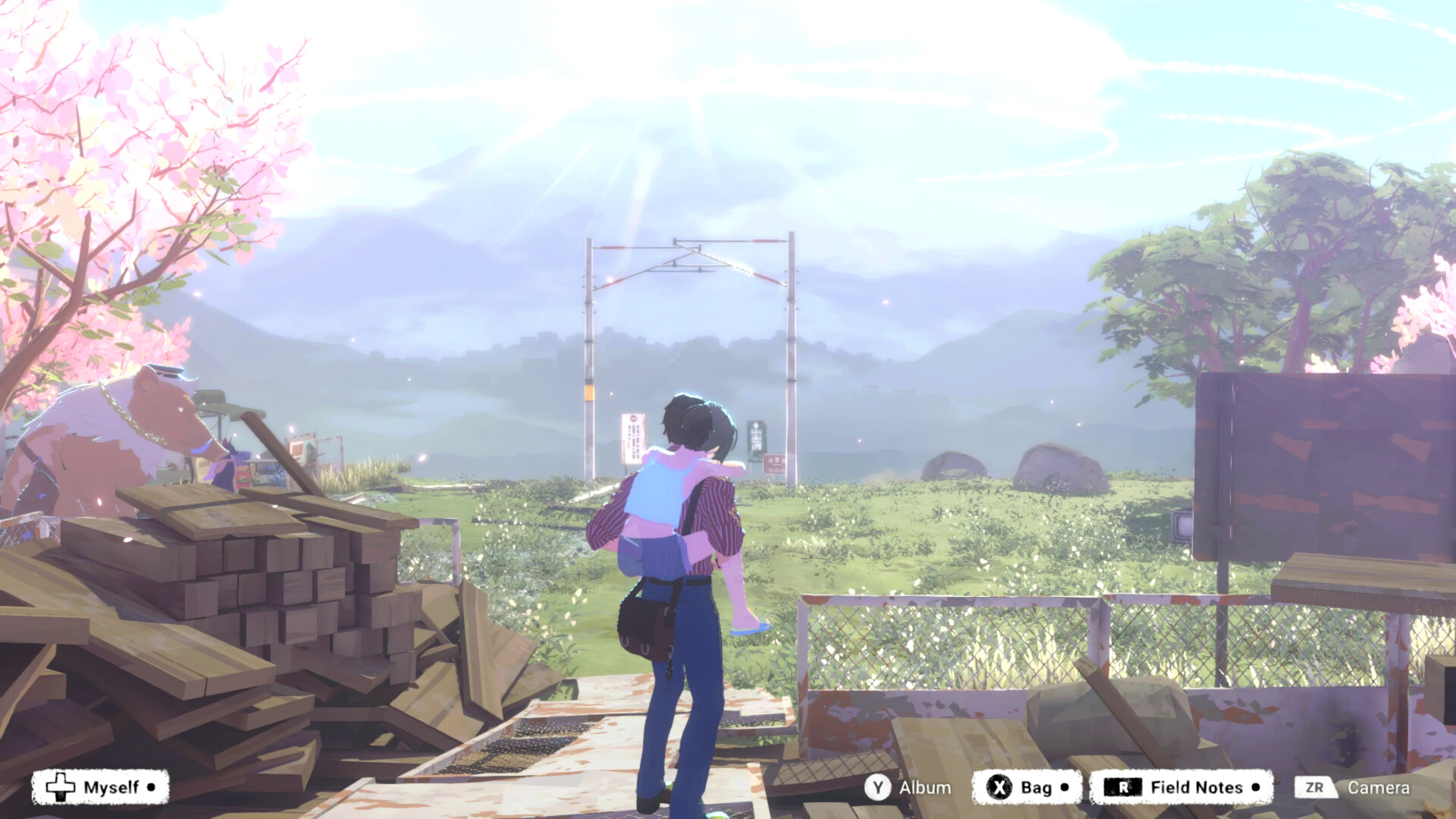
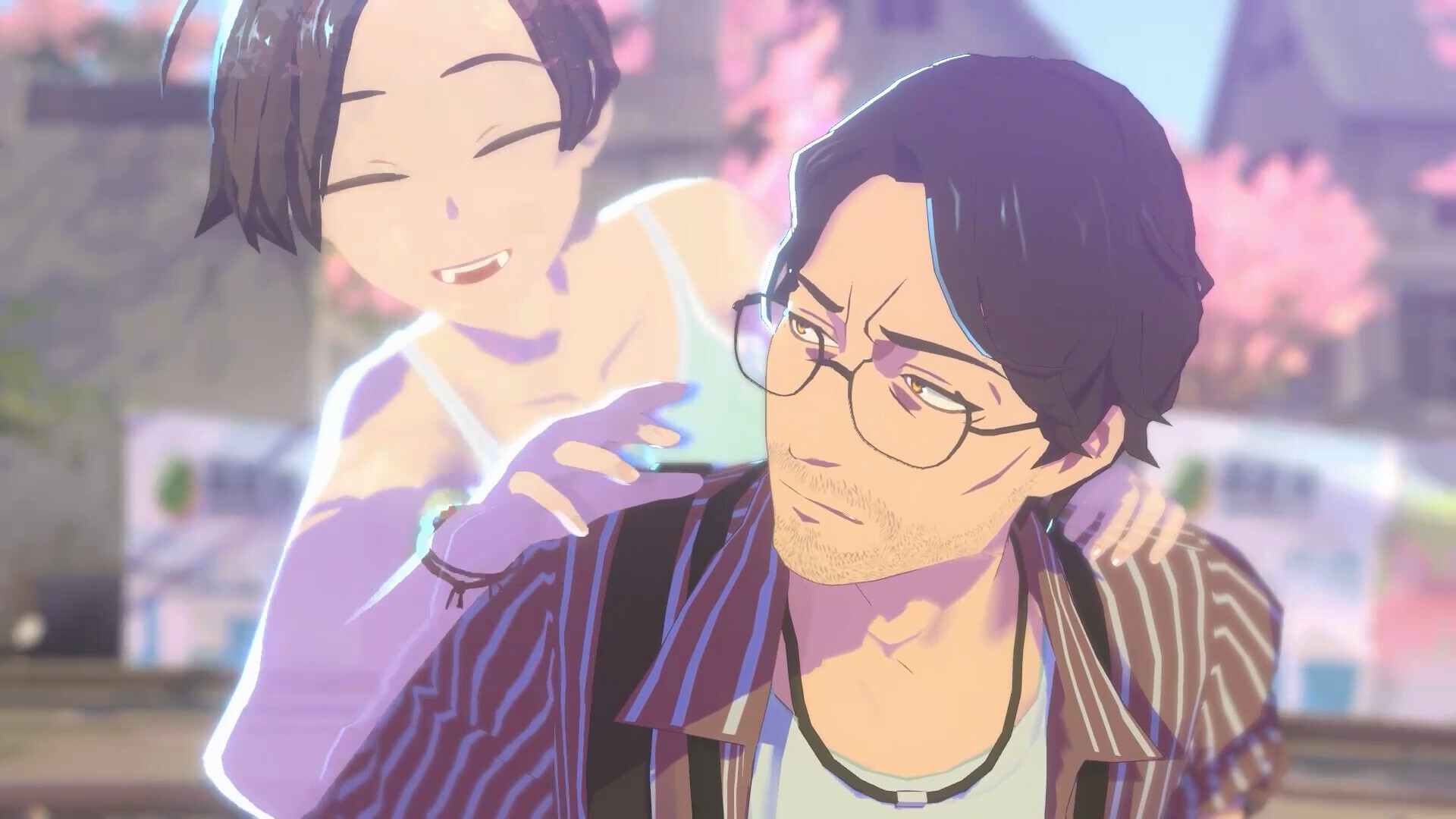
You play as Eugene, a former photographer who carries the heavy burden of perceived failure. Life has not gone the way he planned, and after a harrowing car crash, he wakes up in a surreal, ethereal world, a place mirrored after our own, yet populated by wandering spirits. Here, he meets a young girl who is slowly fading away. Your task is to escort her up to a distant, looming mountain in hopes that a mysterious seer can prevent her from vanishing into nothingness.
The core premise feels ripped from the pages of a Studio Ghibli script, and is executed with a unique, modern grace. During your pilgrimage, you encounter a myriad of spirit creatures, each in need of your assistance just as much as you need theirs. My personal favorite was a boar who works as a conductor on a spirit train, a character that perfectly encapsulates the game’s whimsical yet melancholic charm. As the journey progresses, these side characters gain depth, revealing themselves to be integral pieces of a much larger, emotional puzzle.
While the story appears on the surface to be a simple mission to save the girl, OPUS: Prism Peak dives into deeper existential waters. The narrative peels back layers to reveal a poignant exploration of self-discovery and the acceptance of one’s history. It is a story about finding peace with the past to navigate a future that feels uncertain.
Gameplay as an Art Form
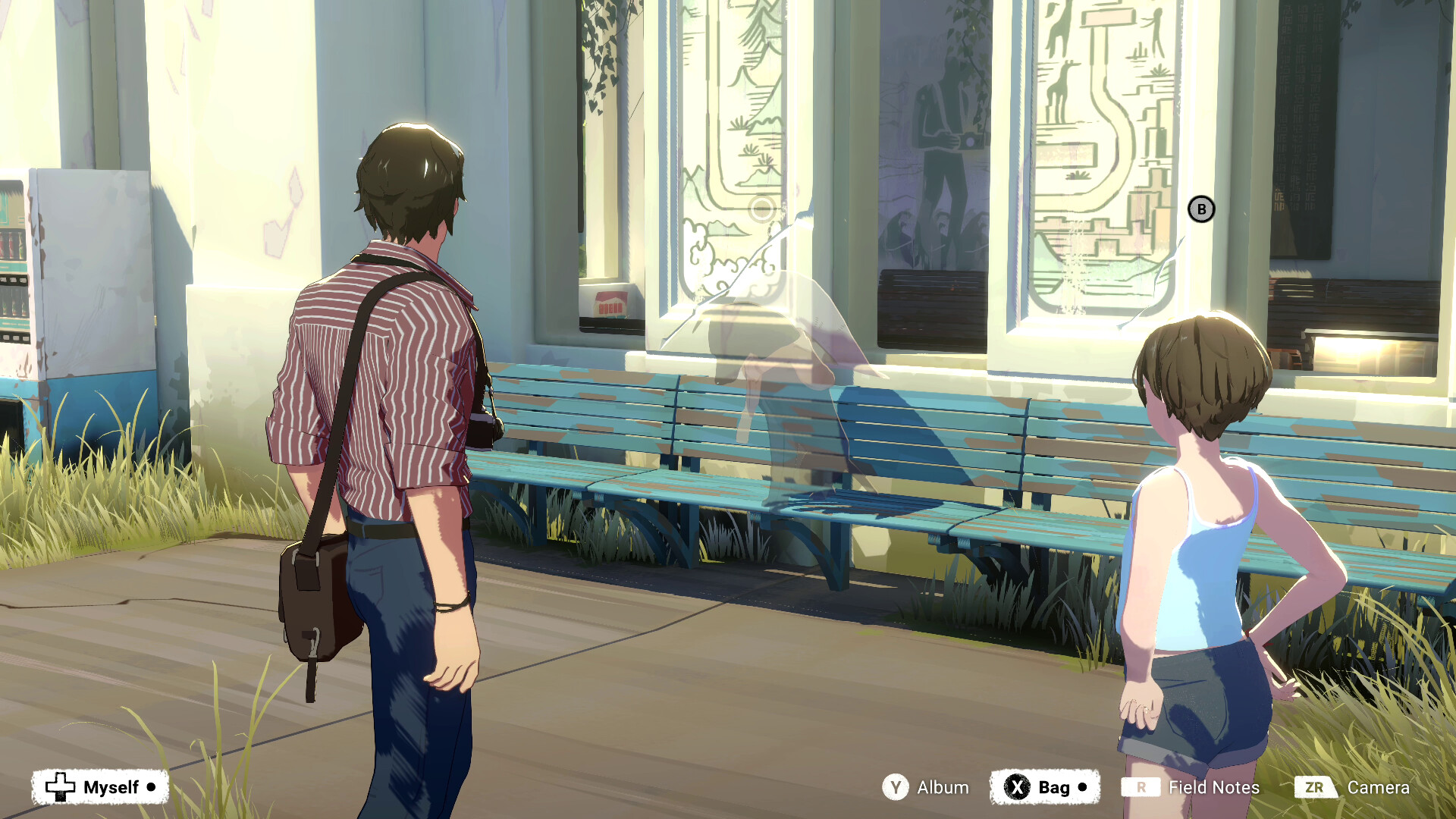
The gameplay in OPUS: Prism Peak is inextricably linked to Eugene’s identity as a photographer. You traverse gorgeous environments, engaging in environmental storytelling that rewards a keen eye. To capture a photograph, the game demands more than a simple button press; you must contend with framing, timing, exposure, focus, and filters. While it sounds technical, it is remarkably intuitive. The game gently guides you if your settings are off, making the act of photography feel like a meditative practice rather than a chore.
This mechanic isn’t just for show; it is the primary way you uncover the secrets of the spirit world. Taking photos feels natural, important, and deeply satisfying. Furthermore, the choices you make throughout your journey carry weight, ultimately influencing the conclusion of your pilgrimage.
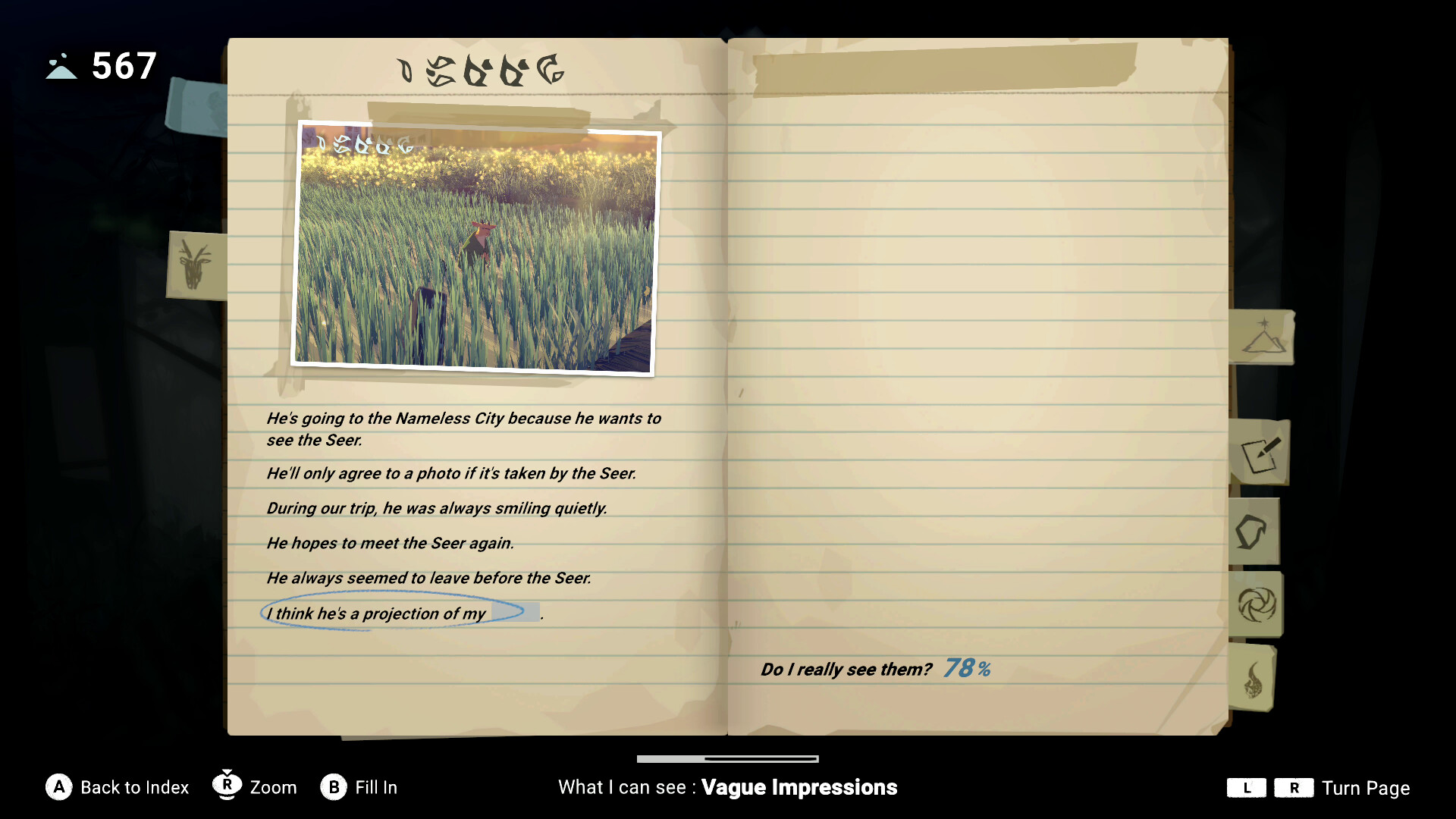
For those who enjoy a deeper dive into world-building, the “Dusklands Field Notes” offer a compelling optional layer. You can collect pictures and identify spirits by deciphering a unique in-game language. By solving puzzles and reading fragments throughout the world, you can piece together the alphabet of this realm. Taking the time to do this is highly recommended, as identifying these spirits provides invaluable context and rich background lore for the characters you meet along the way.
A Feast for the Senses
OPUS: Prism Peak is, quite simply, a stunning achievement in visual design. The environments shift seamlessly from sunny, saturated vistas to moody, high-contrast landscapes that use shadow and light to tell a story. It captures that elusive magical look of Ghibli films with startling accuracy. Moving through these spaces feels like stepping into a hand-painted dream.
The presentation is elevated further by stellar voice acting. The Japanese cast, in particular, delivers a performance so evocative and sincere that it transforms the emotional stakes of every scene. When paired with a hauntingly beautiful soundtrack that swells and fades in perfect harmony with the narrative, the experience reaches heights few games ever achieve.
Conclusion
OPUS: Prism Peak was a genuine surprise. I went in with zero expectations regarding the series and came out having played one of the most beautiful and resonant games of the year. It manages to balance a complex, multi-layered story with accessible yet meaningful gameplay mechanics. I found myself frequently teetering between smiles and tears, completely immersed in the fate of Eugene and his companion. To say that OPUS: Prism Peak feels like playing a movie from Studio Ghibli or Makoto Shinkai is the highest compliment I can give, it is a visual and emotional triumph that stays with you long after the credits roll.
Leave a Reply