
It has been a particularly strong year for narrative-driven experiences where atmosphere and emotional resonance take center stage. Forever Ago immediately places itself in this comforting genre, presenting a thoughtful tale about loss, moving on, and rediscovering oneself in the latter stages of life. On paper, it hits all the right notes, offering a serene escape. However, while the game effortlessly delivers on mood through breathtaking vistas and a phenomenal musical score, its narrative depth and mechanical execution ultimately leave something to be desired.

A Journey Through Grief and Nostalgia
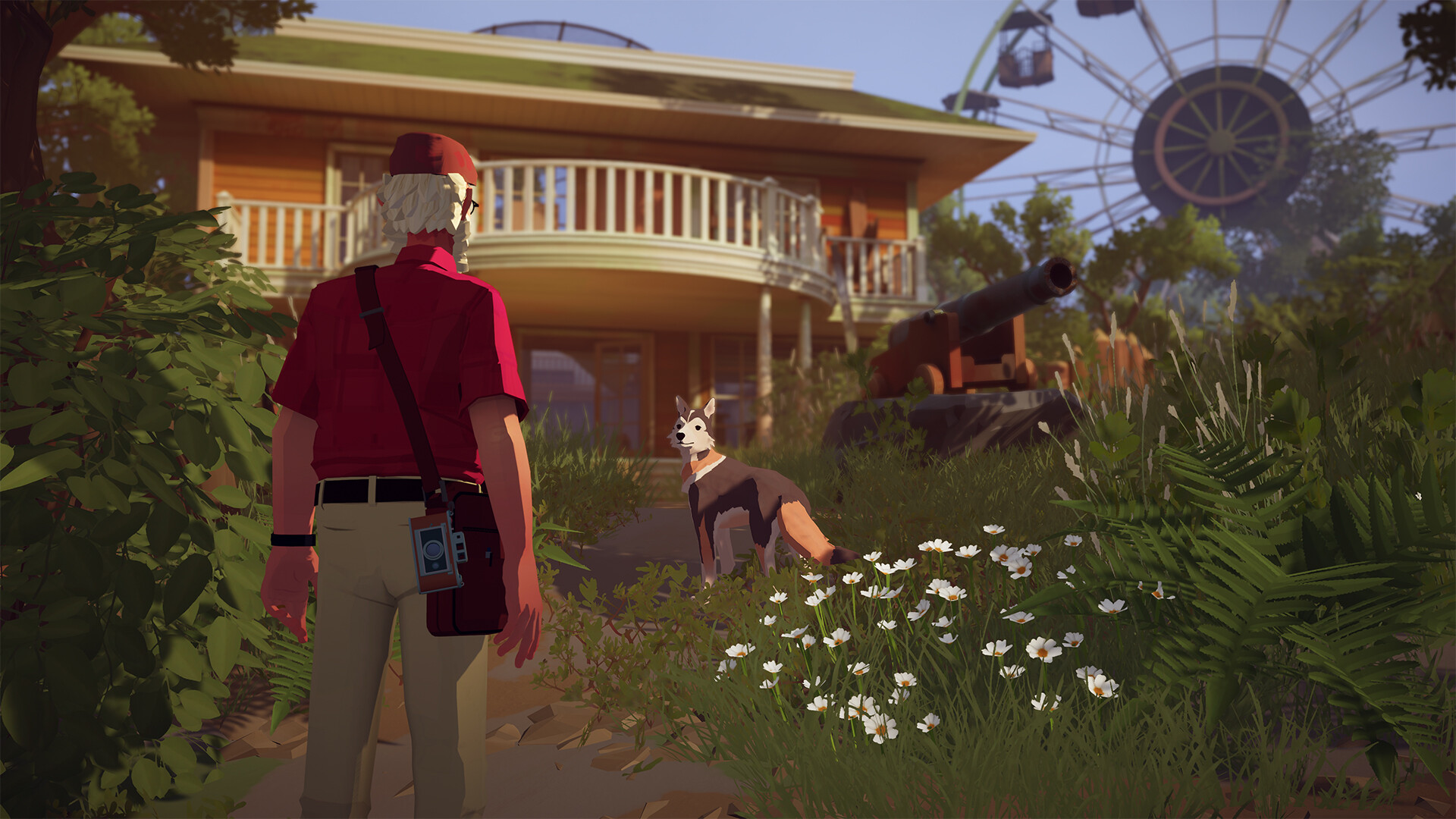
In Forever Ago, players follow the elderly protagonist, Alfred, as he embarks on a poignant road trip. His mission is twofold: to revisit the places of his past and to grapple with deep-seated grief. The narrative explores his current journey alongside nostalgic glimpses of a time long gone, when he and his wife visited these locations. Throughout the trip, Alfred undergoes a subtle internal transformation, watching his lingering anger slowly shift into something softer and more reconciliatory.
The story purposefully plays it safe, aiming for a comforting, feel-good atmosphere rather than a harrowing emotional breakdown. However, this cautious approach prevents the narrative from reaching any heights, a shortcoming exacerbated by occasionally uneven writing. Even so, it serves as a pleasant experience for a quiet evening when you are too tired for heavy decision-making and simply want to tag along for a safe, beautiful ride.
The overarching theme of the game revolves around nostalgia and the relentless march of time. We all harbor places in our memories from days gone by, and revisiting them serves as a bittersweet reminder of just how much both the world and we ourselves have changed.
Cinematic Presentation and a Stellar Soundtrack
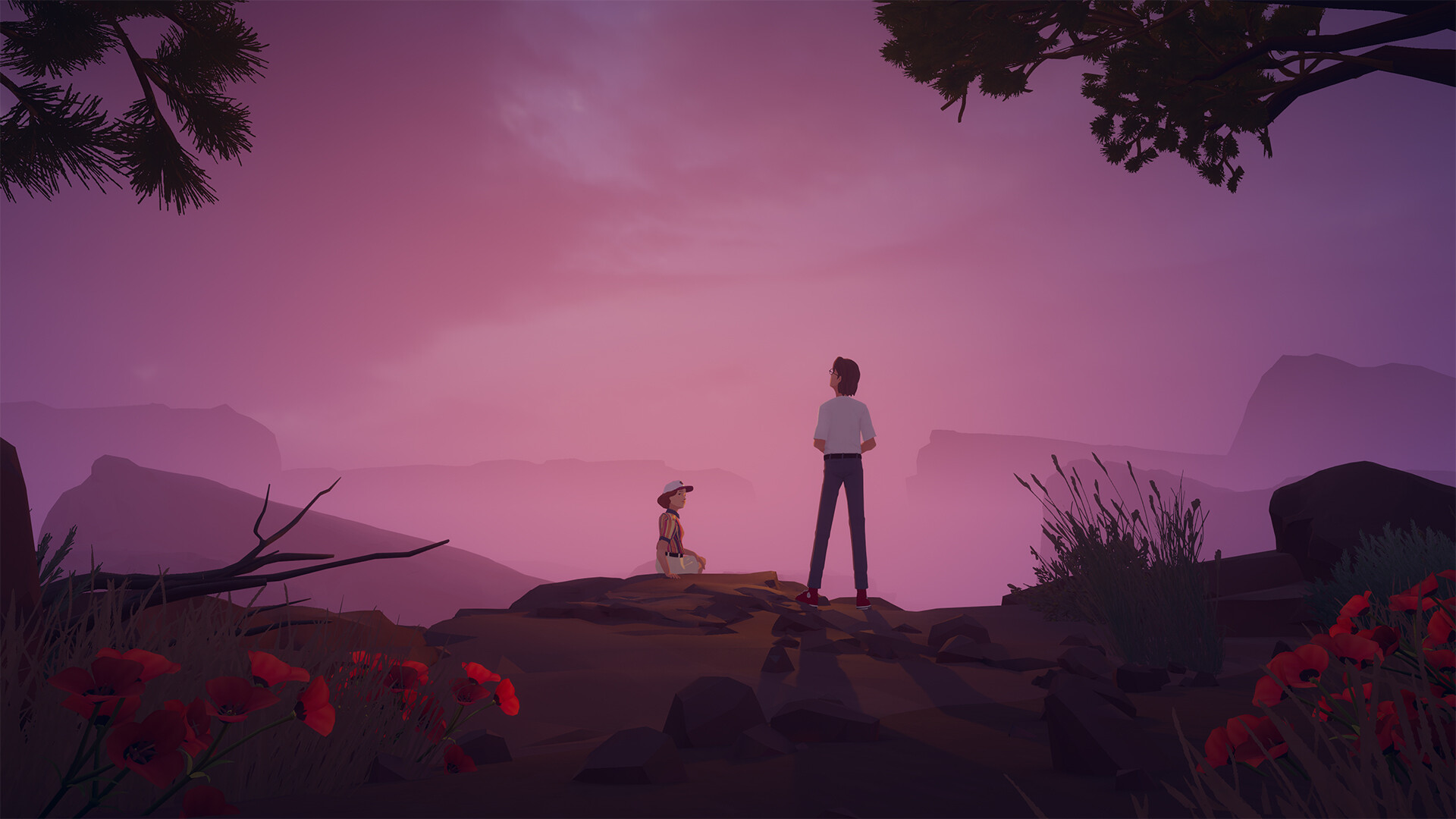
Where Forever Ago truly shines is in its presentation. The game’s scene transitions are frequently handled with cinematic flair, mimicking the editing of a well-crafted movie. It seamlessly pivots from brisk, lighthearted moments of humor to lingering, contemplative camera panoramas that allow the player to soak in the atmosphere.
Accompanying these cinematic views is a genuinely stellar soundtrack. The music fits every scene with precision, melancholic melodies that accompany Alfred as he explores. This auditory landscape is nothing short of exceptional, establishing a mood that lingers long after you put the controller down. Visually, the game utilizes a vibrant color palette combined with gorgeous lighting to create serene, picturesque scenes. It is a world that is an absolute joy to look at, one that makes you wish you could spend even more time in it, ideally alongside a deeper story and a richer cast of characters to meet along the way.
Gameplay and Pacing Hesitations
Unfortunately, the gameplay mechanics and structural pacing do not quite match the heights of the game’s presentation. Forever Ago suffers from inconsistent player agency. There are stretches where the game strips away control, reducing your input to a simple button prompt or a brief scripted walk before taking the reins back. I would have wished for a bit more interactivity during these passive moments, even something as simple as holding down a button while the bus is in motion, to make the player feel genuinely invested in the journey.
When you are granted full control, technical friction often gets in the way. Interacting with objects in the environment can be frustratingly finicky; you are required to stand completely still and look at an item from an exact, narrow angle. While not a game-breaking flaw, it is an annoying hurdle in a genre where seamless interaction is typically the standard.
Worse still are the movement controls during specific set pieces. A particularly egregious example involves a sluggish and unresponsive rowing sequence. The mechanics in this specific section were so off-target that they threatened to sour my appreciation of the otherwise lovely experience. Compounding these mechanical grievances are pacing issues that occasionally disrupt the flow between passive observation and active exploration.

Conclusion
On paper, everything about Forever Ago aligns with the types of games I adore, the kind I would readily champion for a Game of the Year list. It is accompanied by a breathtaking soundtrack, stunning environments, and the bones of a narrative featuring characters who could have been unforgettable had we been given the chance to know them better.
Ultimately, while Forever Ago succeeds in creating a gorgeous, vibe-heavy digital postcard of a road trip, it stumbles over smaller gameplay obstacles and a narrative that lacks the sharp, engaging writing this specific genre demands to truly excel. It is a worthwhile ride for a quiet night, but it stops just short of being a very good game.
Leave a Reply