
For the past several years, the gaming landscape has been utterly dominated by the Soulslike genre whenever developers decide to tackle dark fantasy worlds filled with hideous monsters. Because of this trend, it is immensely refreshing to dive into Onimusha: Way of the Sword, a title that proudly returns to its roots as a pure, unadulterated action-adventure game at its core. Spanning over 20 hours of gameplay, this title manages to combine a deeply engaging story, phenomenal combat, stunning visuals, and memorable side quests that will stick with you long after the credits roll.
Cinematic Combat and Audiovisual Mastery
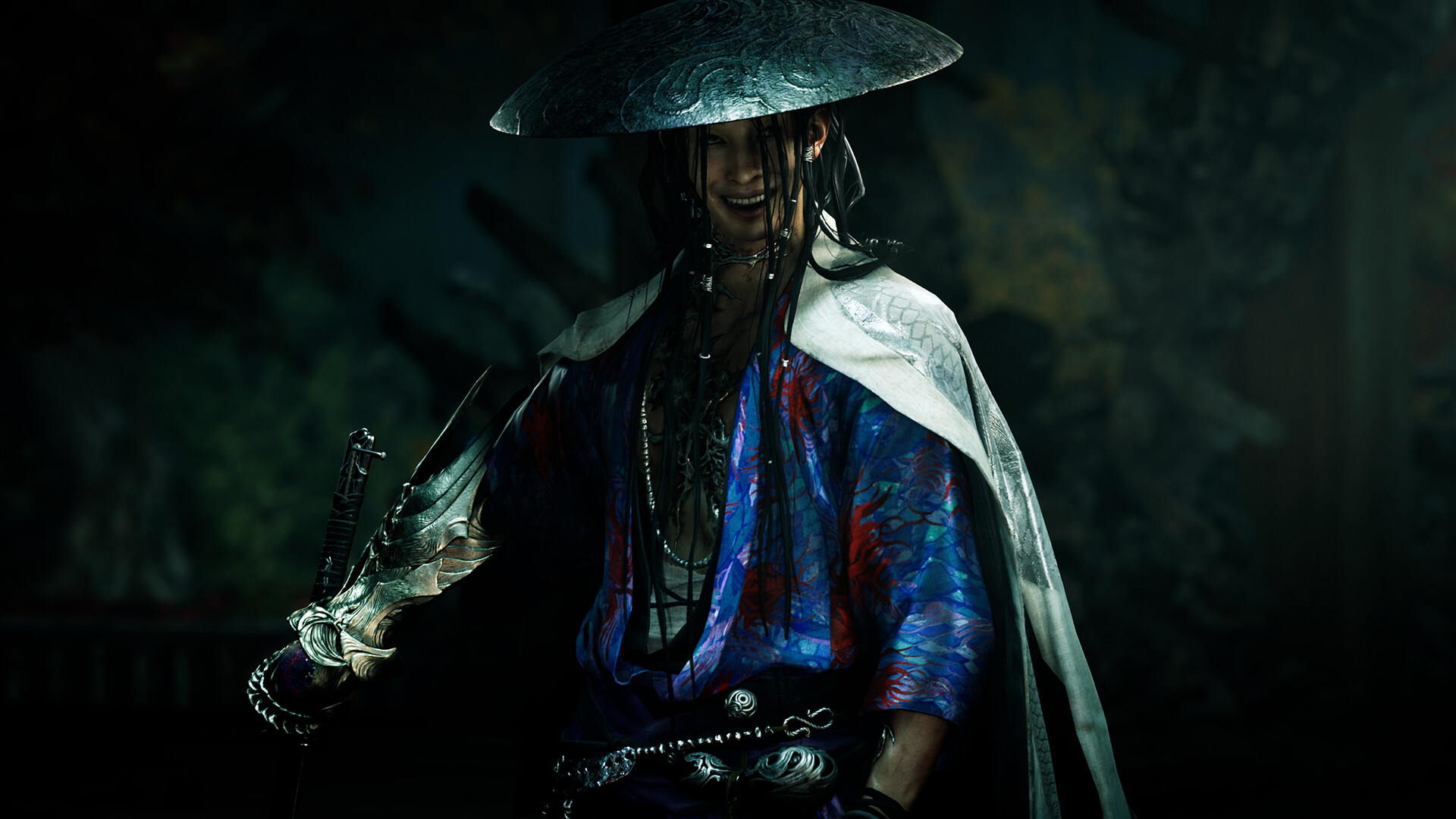
One of the first things that immediately stands out in Onimusha: Way of the Sword is the high quality of the voice acting. Usually, when playing a game originating from Japan, I default to the Japanese audio track out of habit. However, I quickly fell in love with some of the performances in the English dub, to the point where I happily stuck with it for the entirety of my playthrough. This stellar voice work extends directly to the main villain of the game. Without spoiling who it is, this antagonist easily stands out as one of the best villains I have encountered in a video game over the last couple of years, largely thanks to the phenomenal vocal performance behind them.
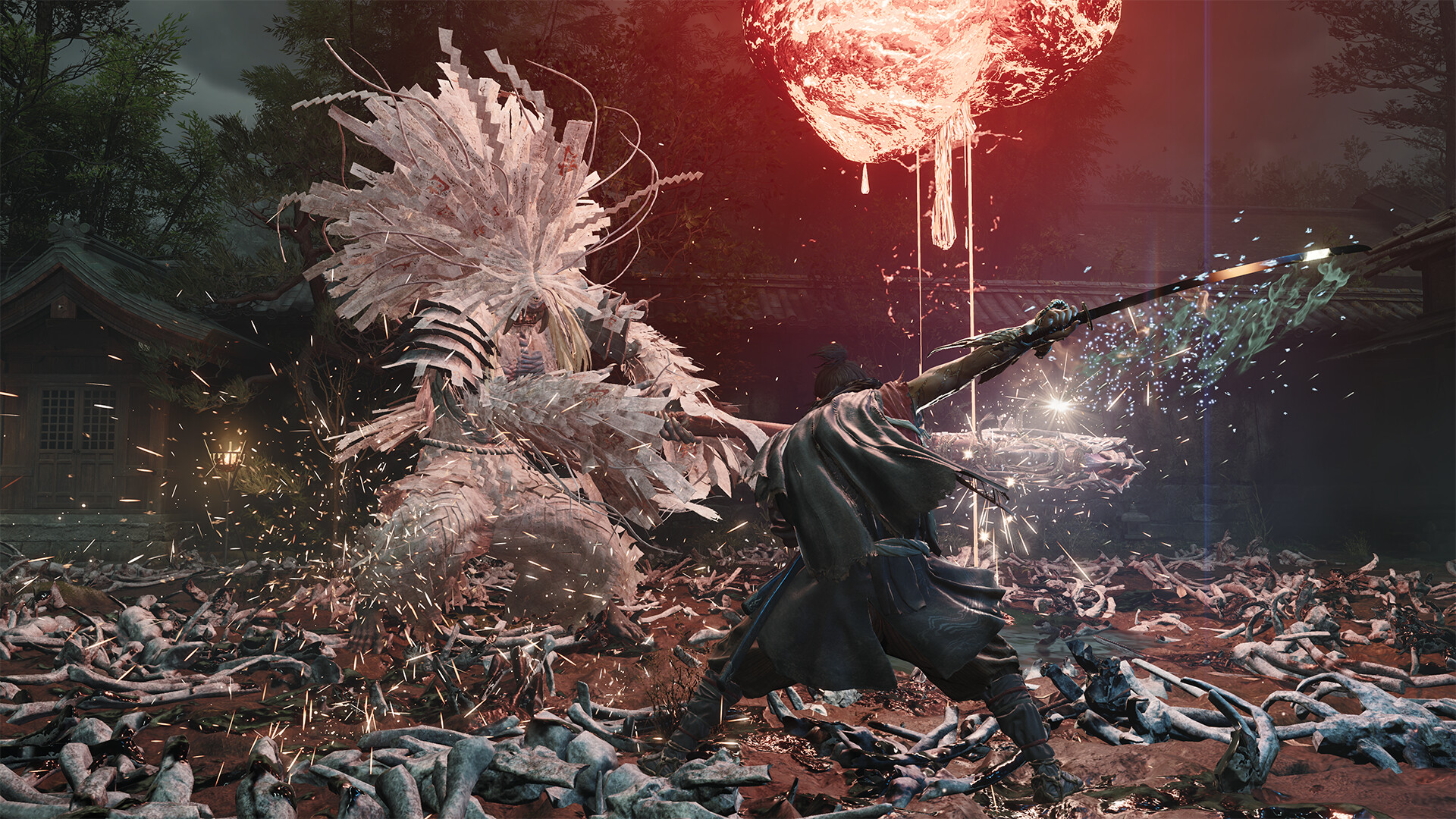
Beyond the voice work, the overall presentation is great. The cutscenes are so wonderfully choreographed that they genuinely feel like you are watching a high-budget action movie. It is honestly hard to overstate how good they look. Fortunately, this high-end cinematic quality seamlessly translates into the actual gameplay, particularly during combat.
The combat mechanics are exceptionally smooth and responsive. It did take me a little while to adjust to a game where I cannot cancel out of an attack animation mid-swing, but once that combat rhythm finally clicked, every single battle felt like a choreographed dance. While hitting a parry or a dodge in other games usually feels and sounds satisfying, Onimusha: Way of the Sword takes it a step further by making those defensive maneuvers look incredible. When you time your parries and dodges perfectly, the ensuing animations make the fighting look so remarkably cool that you genuinely feel like you are playing the lead role in a well-coordinated martial arts film.
Combat is further spiced up by the ability to interact with and use objects in the environment. Utilizing environmental props during a fight is both useful and visually striking, sometimes looking genuinely cool, and at other times wonderfully hilarious in the best way possible. My only critique here is that I wish the developers had included a wider variety of these objects, as the few currently available tend to get a bit repetitive rather quickly.
Exploring Kyoto: The Good and the Repetitive
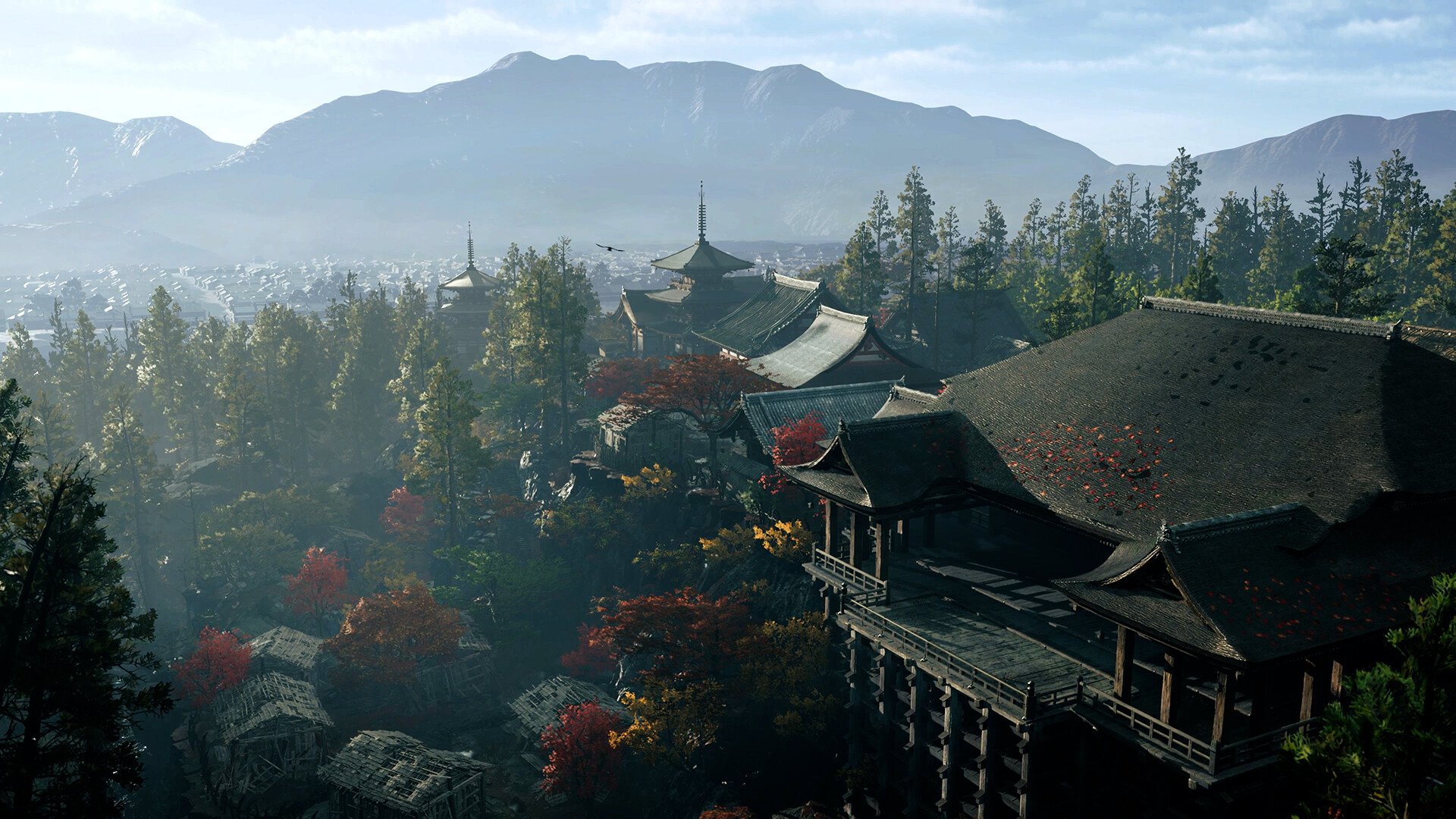
The game takes place in and around Kyoto, allowing you to freely roam the city as you unlock new areas throughout the progression of the campaign. This open map is designed in a classic Ubisoft-style, packed with various icons, side missions, and collectibles that help upgrade your character and gear. The side missions are a particular highlight, ranging from touching short stories about everyday people needing assistance to a series of standalone ghost stories that you must investigate. These ghost tales are exceptionally well-crafted and add a lot of flavor to the world.
However, the mission structure for the main campaign is a bit of a mixed bag. On one hand, you have fantastic, tightly designed linear levels where you solve simple puzzles and cut down enemies while navigating through richly detailed and interesting environments. On the other hand, you occasionally encounter more open, barren maps where your primary objective is to hunt down flowers emitting a red mist and shut down a series of rifts. Frankly, these specific objectives are not very fun. Sadly, the game leans heavily into these repetitive tasks toward the end, culminating in a late-game level with these exact objectives that feels like it will never end.
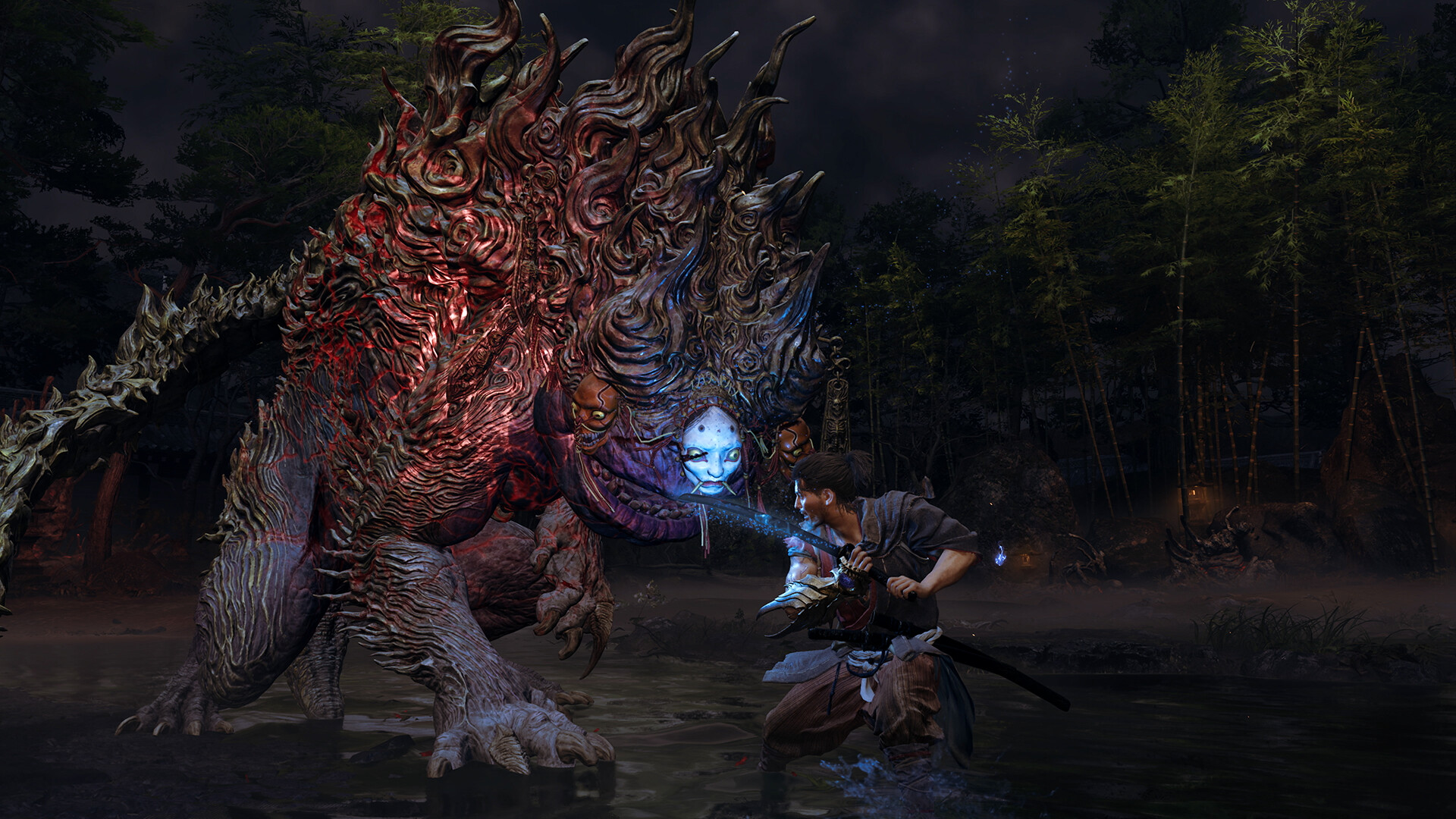
Similarly, while the game features some incredible enemy designs, ranging from bizarre heads using their ears to fly, to terrifying fish-women monsters lurking in the waters, the overall enemy variety is a bit lacking over a 20-hour runtime. The boss fights themselves are undeniably great; they look good, play well, and feel rewarding, but you do notice certain boss encounters being reused as you progress.
It is also worth noting that while the game features plenty of challenging boss battles, especially toward the tail end of the journey that may take a few tries, Onimusha: Way of the Sword is not necessarily trying to be punishingly difficult. Instead, its primary goal is to make you look cool and have pure, unadulterated fun.
A Soulful Story of Humanity and Loss
Threading all of this gameplay together is a surprisingly poignant narrative. The main plot is straightforward on the surface: you are tasked with defending Kyoto and protecting a gate to Hell. In doing so, you cross paths with a colorful cast of characters, both heroic and villainous, that leave a lasting impression.
At its heart, however, the story is a profound meditation on what it means to be human. It explores the heavy costs that come with our humanity, and the tragic consequences that befall those who are unwilling or unable to pay those costs. Grounded somewhat in Buddhist philosophy, these deeper philosophical thoughts weave naturally throughout the adventure.
This thematic weight is balanced brilliantly by the game’s sense of humor. Onimusha: Way of the Sword features genuinely great comedic moments that fit surprisingly well alongside its darker, grim themes. I shared some hearty laughs with this game, which were then artfully juxtaposed with near-tearful moments that forced me to reflect deeply on life and loss. Striking this emotional balance is no easy feat, but the developers pulled it off remarkably well.
Conclusion
Onimusha: Way of the Sword is a triumph. It successfully executes the classic action-adventure formula by prioritizing pure fun and stunning visual flair over grueling, trial-and-error difficulty. While it is a bit on the long side, which ultimately makes the enemy variety and certain late-game level designs feel a bit repetitive, these minor pacing issues do not detract heavily from an otherwise great experience. It delivers a great story, amazing combat choreography, top-tier voice acting, and memorable side content, resulting in a game that looks damn good while reminding us why we fell in love with action games in the first place.
Leave a Reply