
Deadhaus Sonata feels like one of those projects where you can clearly see the ambition behind it, but almost every part of the experience currently feels undercooked. After spending time with this early version, the strongest impression it leaves isn’t that of a finished action RPG, but rather an Unreal Engine prototype that somehow evolved into a playable game.
The Mechanics (Or, What Could Have Been)
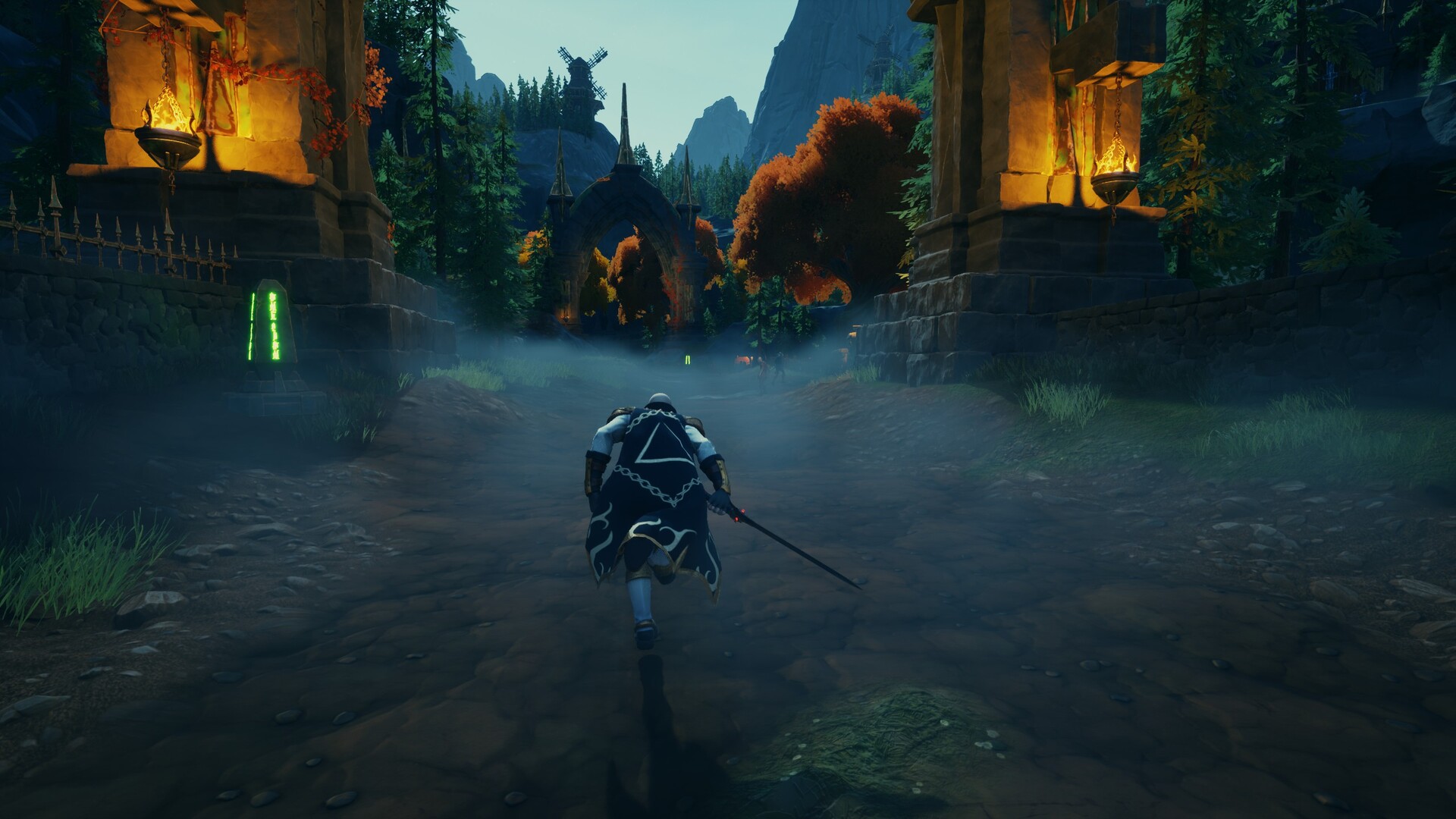
At its core, the game revolves around a hub-world structure where players travel between missions, combat arenas, and progression systems while slowly unlocking stronger abilities. There are actually a few interesting mechanics buried underneath the rough presentation. You can collect inscriptions that strengthen your powers and customize your build, while a separate card system allows you to equip and experiment with different abilities and modifiers. In theory, these systems give the game some long-term progression depth and create a decent foundation for build experimentation.
The problem is that almost everything surrounding those systems feels unfinished. Combat lacks impact and consistency. Animations are stiff, awkward, and sometimes outright broken. Characters can occasionally get stuck mid-animation, enemies react strangely to hits, and movement often feels floaty rather than deliberate. There are moments where the entire experience starts feeling less like a cohesive ARPG and more like a technical showcase where different systems are barely functioning together.
Enemy variety is decent enough at first glance. The game introduces different enemy types relatively early, and there are at least attempts at creating varied encounters. However, the reuse of enemies becomes noticeable very quickly, and because combat itself lacks satisfying feedback, encounters start blending together long before the game has earned that repetition.
Lost in the Labyrinth (Of Bad UI)
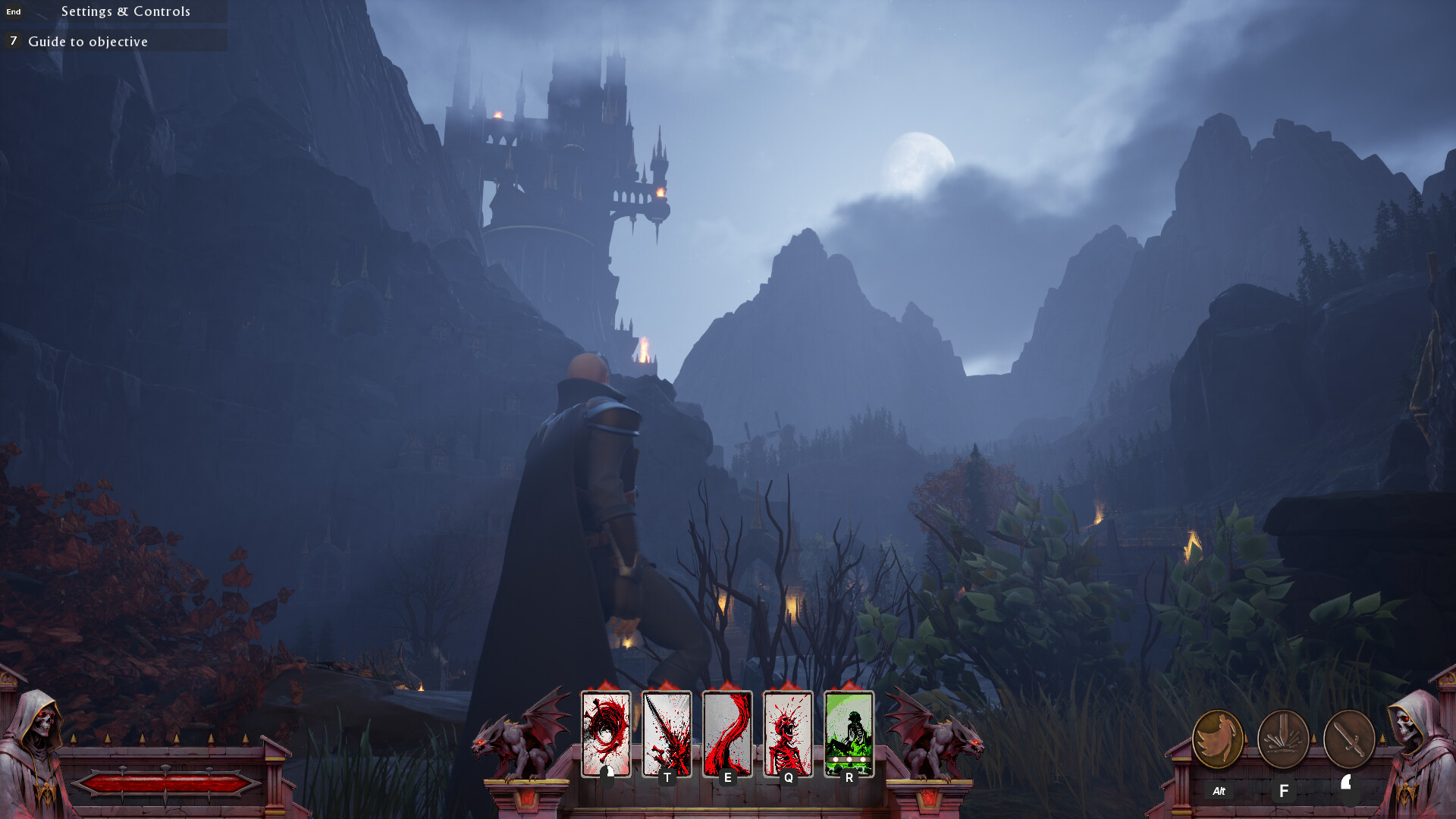
The game also struggles heavily with clarity. Objectives are often poorly communicated, progression can feel confusing, and there are multiple moments where it becomes genuinely difficult to tell whether you are doing something wrong or whether the game itself is bugging out. More than once, I found myself wandering around, unsure if I had missed an objective, failed to trigger something correctly, or simply hit an unfinished progression wall caused by technical issues.
Unfortunately, the menu interface does little to help. The UI feels half-finished throughout most of the experience, with clunky navigation, awkward layouts, and menus that sometimes look like placeholder assets waiting for a final pass that never happened. Combined with the game’s already rough structure, it reinforces the feeling that Deadhaus Sonata is still extremely far away from being a polished release.
Generic Fantasy or Just Goth Geometry?
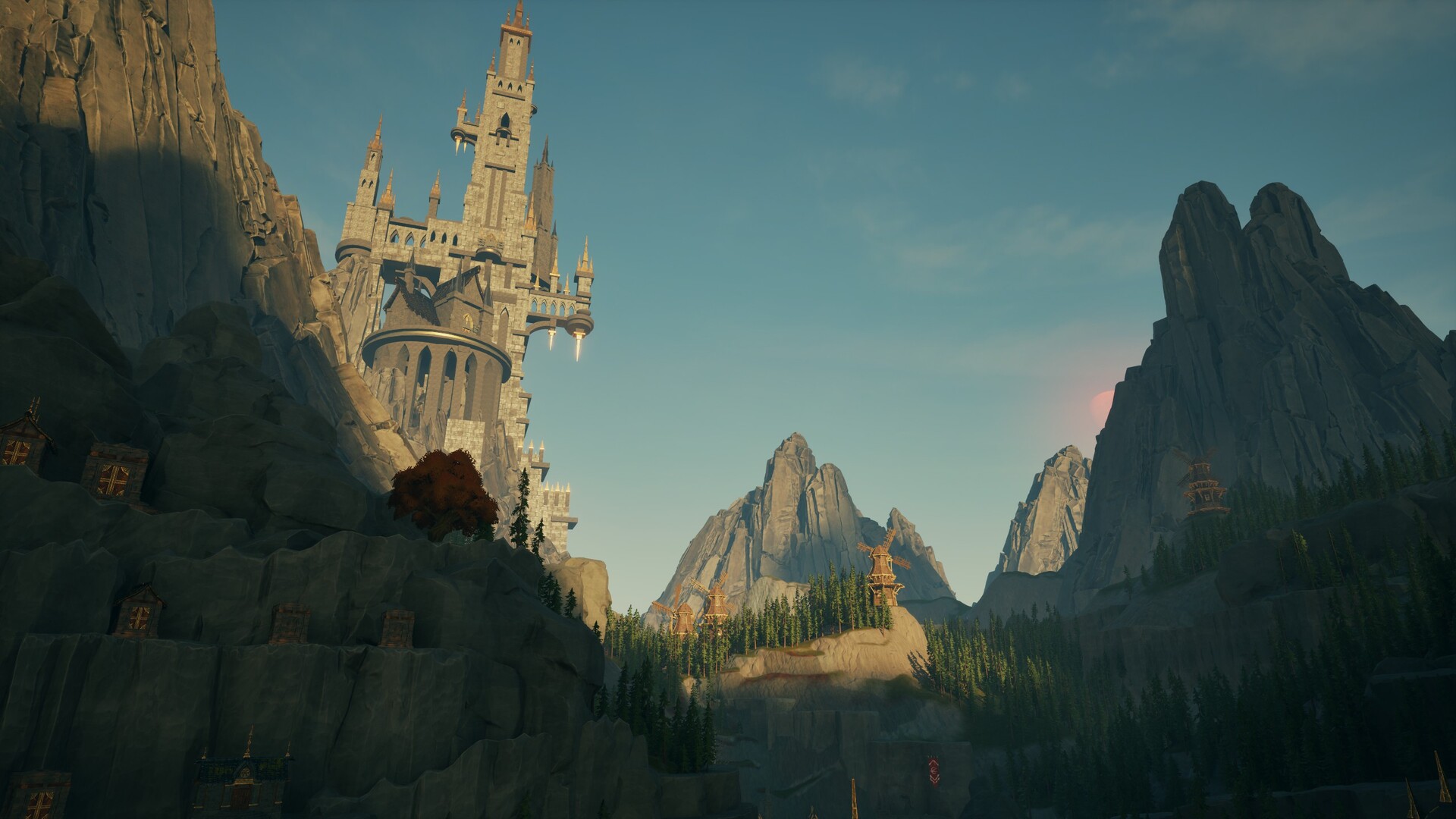
Despite running on Unreal Engine, the environments feel dated, empty, and surprisingly uninspired. Rather than creating a memorable dark fantasy atmosphere, many of the locations simply look like generic test environments built to showcase lighting effects and particle systems. The entire presentation constantly gives off “Unreal Engine template” energy: functional enough to demonstrate systems, but lacking the artistic identity or polish needed to create a believable world.
The narration attempts to guide players through the experience and explain mechanics or story beats, but the voice work itself is fairly forgettable. It serves a purpose without ever becoming particularly engaging or memorable.
A Skeleton of a Game
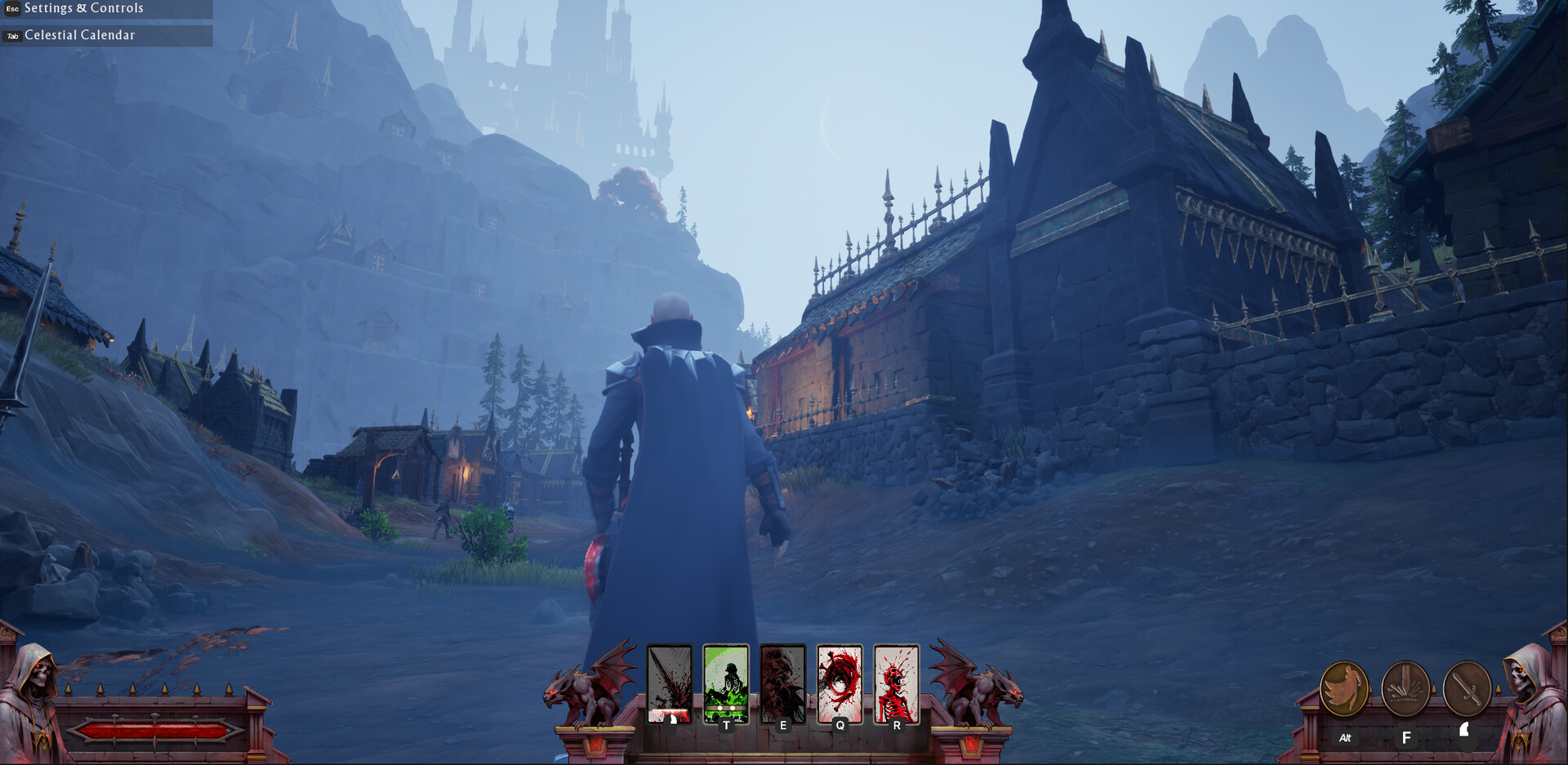
What makes the whole thing frustrating is that there are occasional glimpses of potential underneath the mess. The dark fantasy concept is interesting, some of the progression mechanics could evolve into something genuinely enjoyable, and the overall idea of building powerful undead characters through cards and inscriptions has some promise. But right now, Deadhaus Sonata feels less like a game approaching release and more like a project still searching for its final shape.
At this stage, it’s difficult to recommend to anyone outside of the most patient Early Access players. There may eventually be something worthwhile here, but as it currently stands, the game feels unfinished in almost every major area.
Leave a Reply