
EverSiege: Untold Ages arrives with an intriguing premise: a MOBA‑style battlefield fused with RTS‑like resource management and wrapped in the unforgiving framework of a roguelike. From the moment you step onto the single‑lane map, the game thrusts you into a fast‑paced clash of heroes, minions, and towers that feels familiar enough to satisfy any MOBA veteran while still managing to sidestep the usual toxicity of the genre. The lack of a chat‑driven “trash‑talk” community is a surprising breath of fresh air; you can focus on timing your ultimate, positioning your troops, and upgrading your base without worrying about being called a “feed” by a stranger.
The Core Loop: MOBA‑style Action Meets Roguelike Persistence
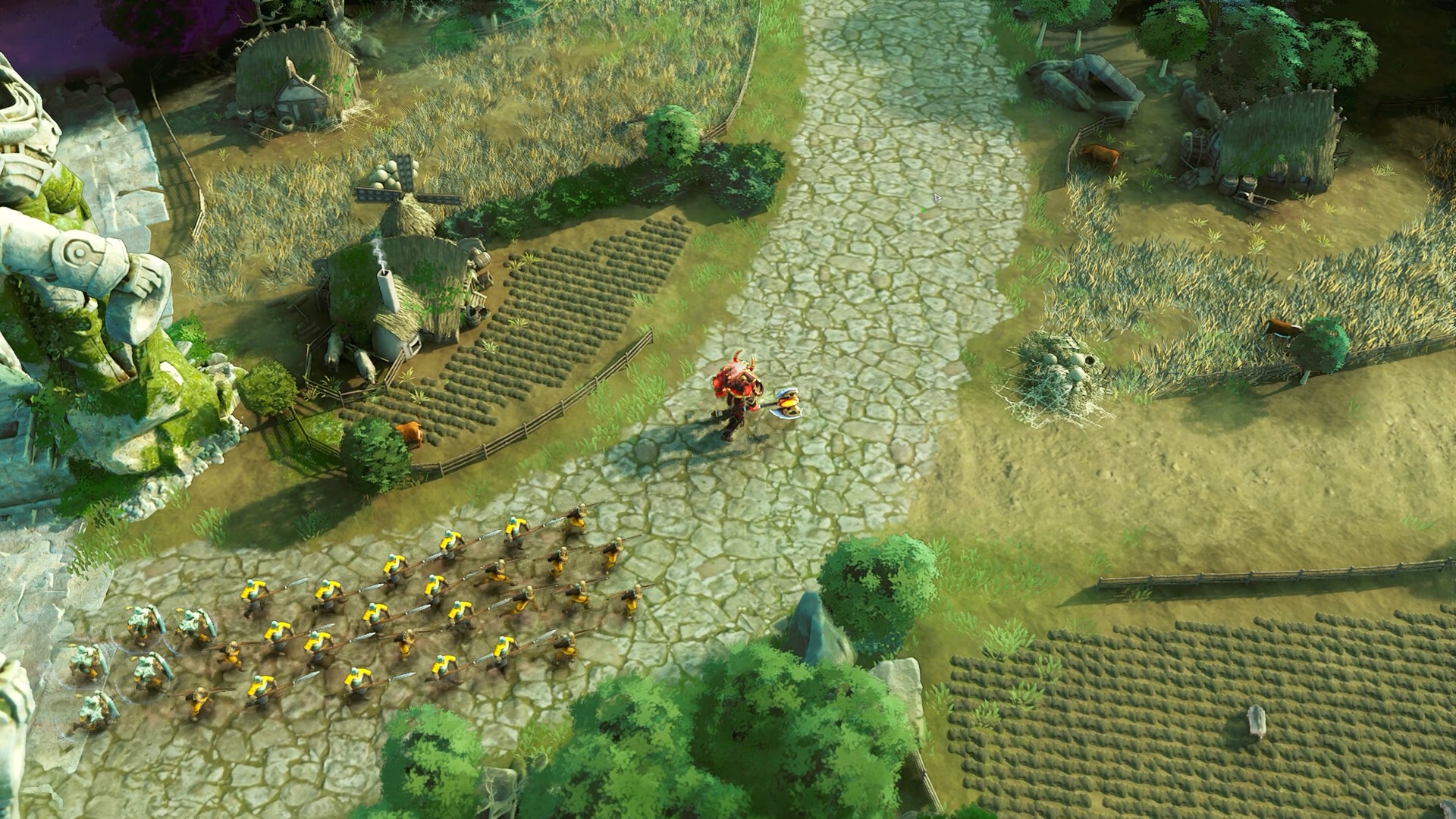
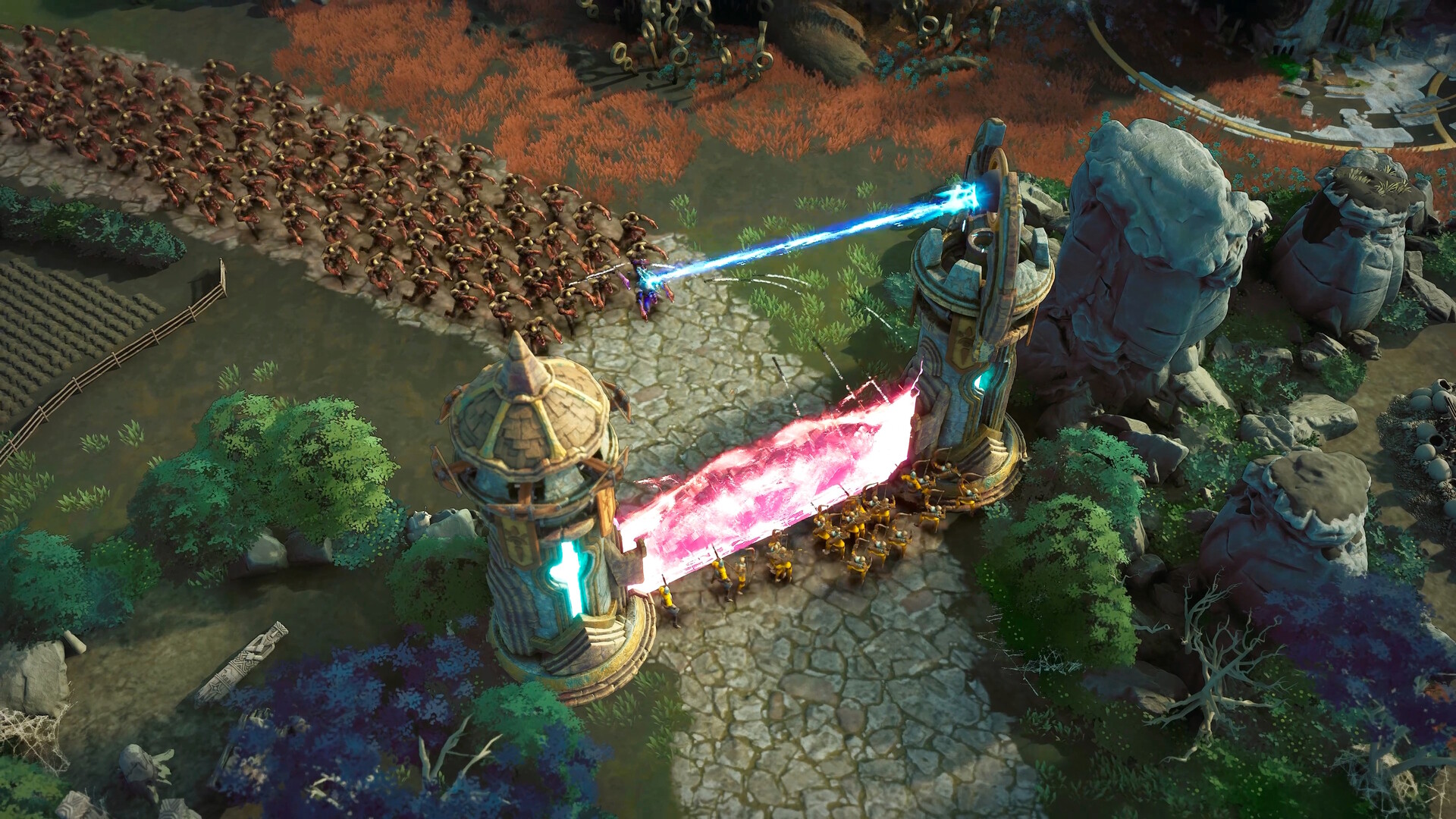
The RTS elements are the most distinctive part of the experience. Gathering crystal shards, constructing towers, and unlocking tech upgrades for your troops give the game a layer of strategic depth that most MOBAs lack. The visual design leans heavily into a cozy fantasy aesthetic—soft lighting, stylised wooden fortifications, and whimsical hero designs—making each skirmish feel like a miniature, animated storybook rather than a cold, sterile arena.
Even though the MOBA core shines, the game never fully capitalises on its RTS potential. The resource nodes are limited, building options are static, and the upgrade tree feels more like a cosmetic flourish than a strategic decision tree. For a title that advertises a hybrid experience, I would have loved to see more nuanced base‑building choices, siege weapons, or even a simple “macro‑management” mechanic that forces you to balance hero combat with macro‑economics. As it stands, the RTS flavour is more of a garnish than a main course.
The game offers permanent death per run, a handful of unlockable heroes, and a sense of progression that persists even when you fail. Between attempts you can spend accumulated soul fragments on new champions, minor artifact upgrades, or base improvements that make subsequent runs feel just a little easier. That loop of “lose, unlock, try again” does a solid job of rewarding the time you invest, and the incremental feeling of growth is one of the game’s strongest hooks.
However, the implementation falls short because the map itself is completely static. All buildings, resource points, and capture‑able artifacts sit in the same exact locations each time you start a new run. While enemy squads, mini‑bosses, and end‑game bosses shuffle their spawn patterns, the core points of interest never change. Classic roguelikes thrive on procedural variation to keep each attempt feeling fresh; here, the lack of randomisation makes the experience feel like you’re running the same level on a loop. After a few hours, roughly the length of a successful run is around an hour, you’ll recognize every point of interest.The novelty wears thin quickly, and the inevitable feeling of déjà‑vu can turn what should be a thrilling marathon into a tedious grind.
Solo Play: The Save‑System Snafu
If you prefer flying solo, you’ll run into a glaring design oversight: there is no ability to save mid‑run. A full, successful run can easily stretch to an hour or more, especially when you’re experimenting with new heroes or trying to perfect your macro‑strategy. The inability to save and resume at another time means you must either commit a full block of time or risk losing progress if you’re forced to step away. This design choice makes it difficult to slot EverSiege into a busy schedule and forces you to prioritize it over other, more forgiving titles.
From a practical standpoint, this limitation is a deal‑breaker for many players. Imagine a sudden work call, a family dinner, or even a power outage—any interruption forces you to start over, which feels punitive rather than challenging.
Co‑op Potential Undermined by Rough Edges
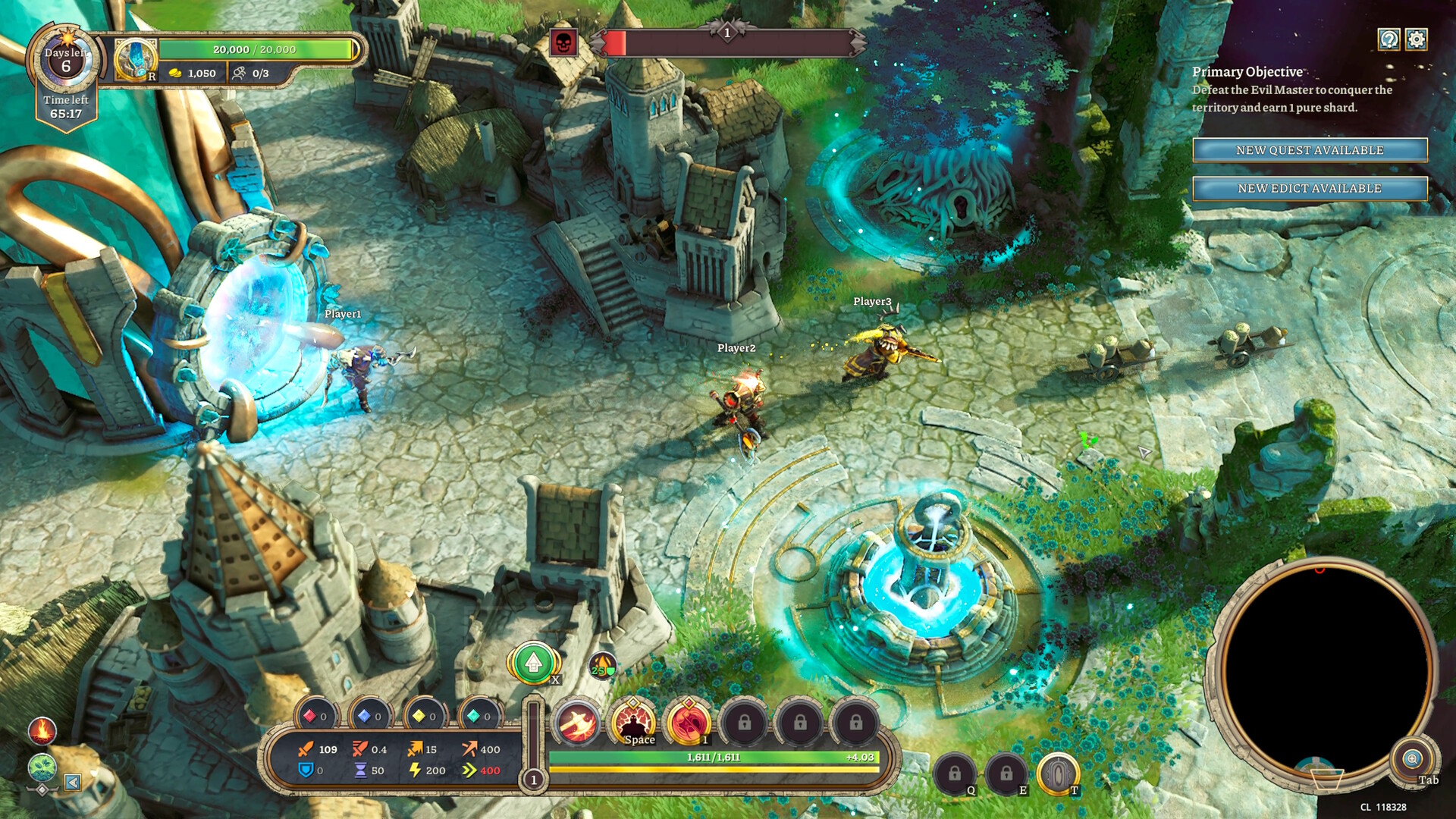
EverSiege does support cooperative play for up to three players, and the experience is undeniably more chaotic and fun when you’re shouting strategies across a voice chat. The single‑lane map suddenly feels like a mini‑league of legends skirmish, and coordinated pushes become genuinely satisfying.
Unfortunately, the multiplayer implementation is riddled with issues that hinder its adoption:
Host‑Centric Progression, only the host retains any unlocked heroes or upgrades between runs.No Rejoin Mechanic, getting disconnected (a common occurrence in online play) forces you out of the run entirely. There is no “reconnect and pick up where you left off” option, which can be demoralising, especially after you’ve invested significant time in a particular attempt. Missing Quick‑Match, The game lacks a quick play button letting you easily play with randoms. You must manually coordinate with friends, and there is no lobby for matchmaking with strangers. This barrier removes the possibility of casual drop‑in sessions that could keep the community lively. Join‑In‑Progress Unavailable, once a run has begun, late‑joining players cannot hop in mid‑battle. The only way to play together is to start the run from the very beginning, limiting flexibility for groups with differing schedules.
A Good Game That Never Fully Realises Its Vision
EverSiege: Untold Ages succeeds at delivering an enjoyable MOBA core, wrapped in a low‑toxic, fantasy‑cozy visual package. The hybrid of hero‑centric combat and light RTS mechanics feels fresh, and the persistent unlock system provides a satisfying sense of progression even after repeated failures.
However, the game’s biggest drawbacks are structural rather than superficial. The static map design robs the roguelike foundation of its essential variety, leading to quickly repetitive runs. The absence of a mid‑run save function makes solo sessions a logistical headache, forcing players to allocate large, uninterrupted time blocks. Multiplayer, while fun in theory, suffers from host‑only progression, no reconnect feature, and a lack of matchmaking, limiting its accessibility and replay value.
In short, EverSiege: Untold Ages is a solid, enjoyable experiment that flirts with greatness but falls short of its own ambition. If you’re a fan of MOBA gameplay and can tolerate the repetitive map and hour‑long commitment per run, you’ll find plenty to love. But if you value procedural variety, flexible session lengths, and robust multiplayer infrastructure, you may end up wishing the developers had polished those core pillars before releasing the title.
Leave a Reply