
Greedfall: The Dying World aims to carve out its own space in the crowded landscape of modern RPGs by boldly exploring complex themes like racism, colonialism, and imperialism. Drawing inspiration from classic adventure tales and early Bioware titles, it seeks to deliver a rich narrative experience filled with morally grey choices, memorable companions, and dense storytelling. However, while its ambition shines through, the game’s execution reveals a series of uneven moments, from technical shortcomings to gameplay limitations, that ultimately temper its potential. In this review, we’ll delve into what makes Greedfall a nostalgic yet flawed homage to the RPGs of yesteryear, and whether its heartfelt storytelling can outweigh its rough edges.
Ambitious Themes, Uneven Execution
Greedfall: The Dying World sets itself apart from most modern RPGs by tackling the heavy‑handed subjects of racism, colonialism, and imperialism head‑on. The narrative is framed as a classic adventure‑of‑discovery tale, think “The Adventures of Sinbad” or “Gulliver’s Travels”—where each new settlement feels like a self-contained short story. This episodic structure is a clear homage to the early Bioware titles such as Star Wars: Knights of the Old Republic and the original Dragon Age, where a central red thread binds together a series of distinct locales and characters.
The writing does an admirable job of weaving contemporary moral questions into a fantasy setting, making the world feel both foreign and eerily familiar. The themes are not mere window‑dressing; they inform quests, faction dynamics, and even the way companions react to your choices.
However, the execution of the branching dialogue system leaves much to be desired. While the game advertises meaningful choices, many conversations are clearly written for a single scenario, creating a jarring disconnect when your actions diverge from the expected path. A glaring example occurs early in the game during a theft investigation. You locate the culprit with the help of the officer who gave you the quest, even assisting him in the final confrontation. Yet, when you return to his office, he behaves as though he never knew the thief or the outcome at all. The dialogue does not acknowledge your involvement, breaking immersion and undermining the promised agency.
The inconsistency is not limited to one quest. Throughout the game, NPCs occasionally ignore significant events you have triggered, making it feel as though the dialogue trees are a patchwork of scripted moments rather than a fully dynamic system.
Linear Freedom in an Open‑World Era
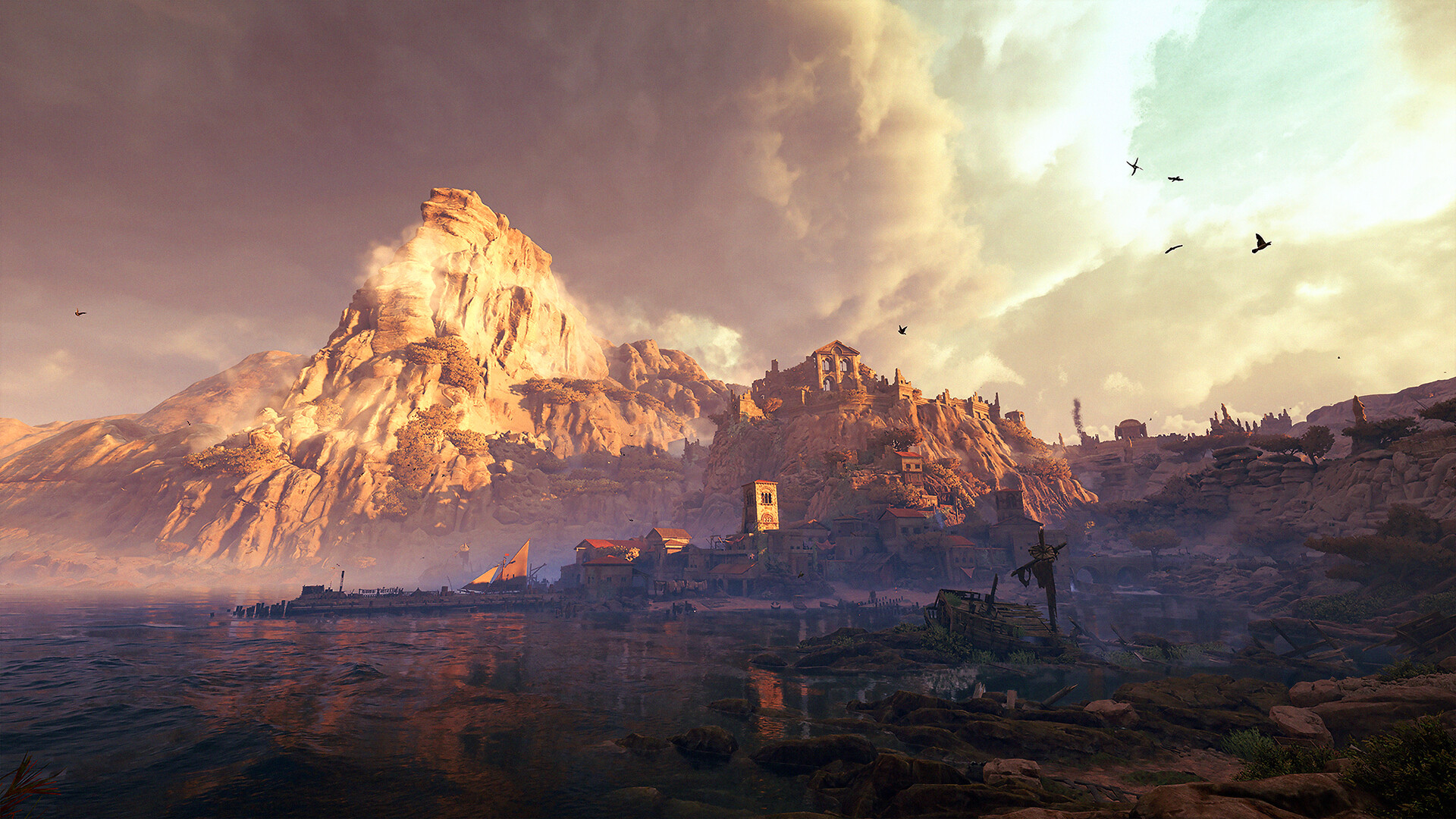
Greedfall’s map is dominated by sprawling cities and their surrounding environments. This design decision is a breath of fresh air in a market saturated with endless, directionless open worlds. The cities don’t really feel lived‑in, but are filled with taverns, and political intrigue, offering the kind of dense, story‑rich hubs that I miss in newer RPGs. The surrounding zones, although smaller in scale, are each thematically distinct.
That said, the world is far from truly open. The game’s structure is deliberately linear, guiding you from one story beat to the next. While this can feel restrictive to players accustomed to the freedom of titles like The Witcher 3 or Elden Ring, it also mirrors classic Bioware design, where the emphasis is on narrative pacing rather than endless traversal. For fans of story‑centric RPGs, this linearity is an asset; for those seeking sandbox exploration, it may feel limiting.
A technical annoyance that accompanies the world design is the long loading times when transitioning between zones. Conversely, fast‑travel within a zone is instantaneous, suggesting the engine handles streaming well once you’re already in a loaded area. The discrepancy is frustrating.
Rich Backstories, Strong Performances
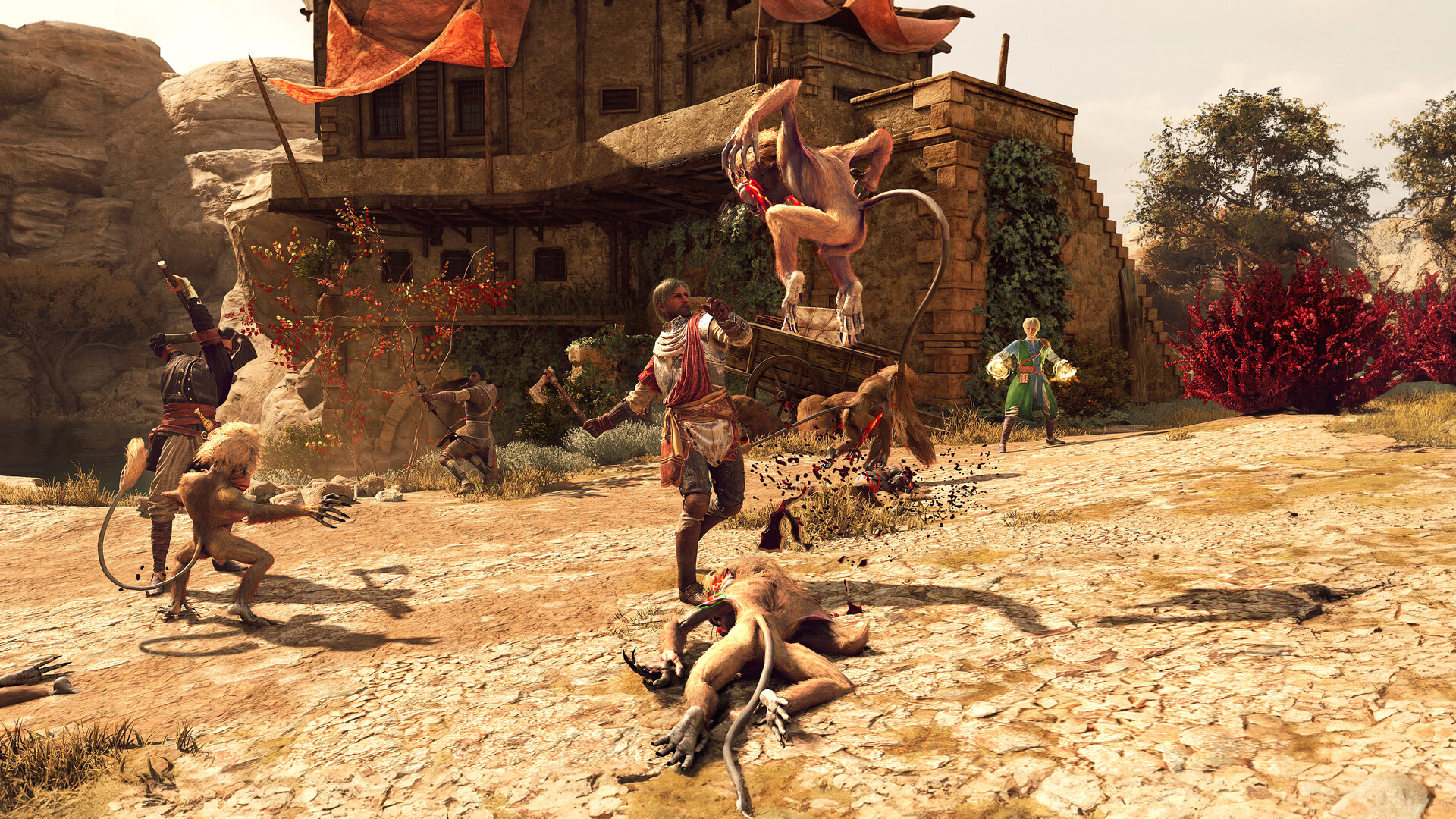
One of Greedfall’s greatest achievements is its cast of companions. Each ally arrives with a personal questline that rivals the main story in depth and emotional resonance. These side narratives often delve deeper into the game’s dark themes, providing alternate perspectives on colonial oppression, cultural heritage, and personal trauma. Spending time with them feels rewarding; their dialogues are some of the few consistently well‑written moments in the game.
The companions are also visually distinct, representing a variety of cultural backgrounds that enrich the world’s lore. Their interactions with the protagonist and each other help flesh out the political landscape, making factions feel organic rather than mere gameplay mechanics.
Unfortunately, the technical execution of character animation undermines their charisma. Facial animations are stiff, and lip‑sync frequently misses the mark, especially in close‑up conversations. When a companion delivers an emotionally charged line, the disconnect between voice and mouth movement can be jarring, pulling you out of the moment. The engine, which feels dated when examined up close, struggles to render realistic expressions, reminding you that the game’s visual ambitions are still rooted in an older generation of technology.
Gameplay Options Without Depth
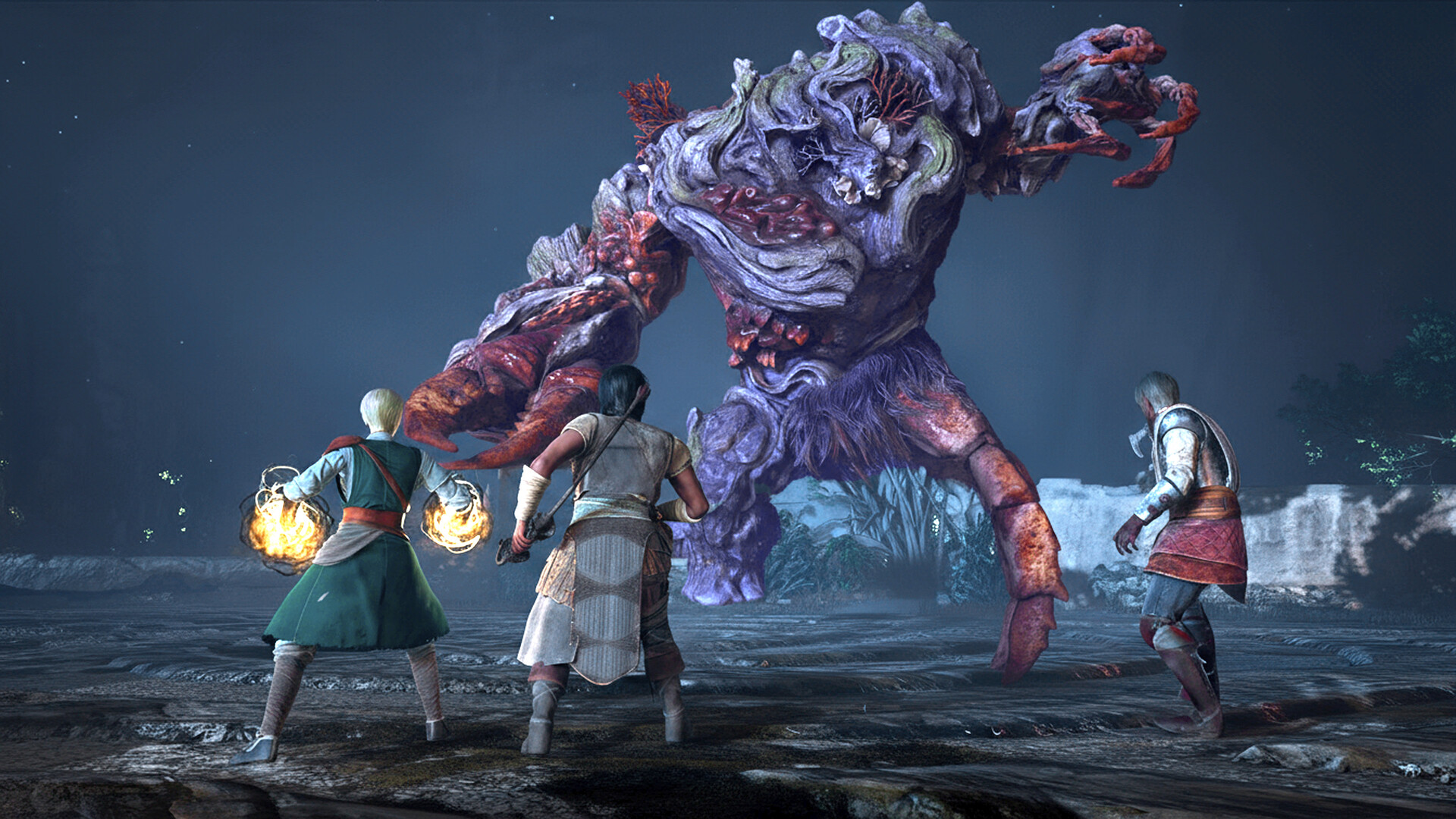
Combat in Greedfall is where expectations meet reality. The system offers three distinct playstyles: Tactical – A pause‑and‑plan mode where you control the entire party. Focused – You manage only your character while AI handles the companions. Hybrid – A blend that lets you switch control between party members on the fly.
I gravitated toward the Hybrid mode, finding it the best compromise between strategic oversight and fluid action. It allows you to intervene when a companion’s AI falters without demanding micromanagement of the entire squad. This flexibility is a thoughtful inclusion, catering to both tactical purists and fans of more action‑oriented combat.
Nevertheless, the underlying combat feels generic. Enemy AI is predictable, and the skill set for both the player and companions lacks distinctiveness. The class and skill trees are opaque; it’s hard to discern which abilities truly shine and which are filler. Companions often share overlapping skill sets, making team composition feel messy rather than strategic. Building a diverse, synergistic party becomes a trial‑and‑error process instead of a satisfying design choice.
The combat animations mirror the same stiffness found in dialogues. Attacks feel weightless, and hit reactions are minimal, reducing the visceral satisfaction that many modern RPGs provide. For a game where dialogue and investigation should take precedence over killing, the combat could have been more of a backdrop than a core mechanic. As it stands, it feels more like a perfunctory requirement than an integrated feature.
Conclusion: A Nostalgic Journey Worth the Detour
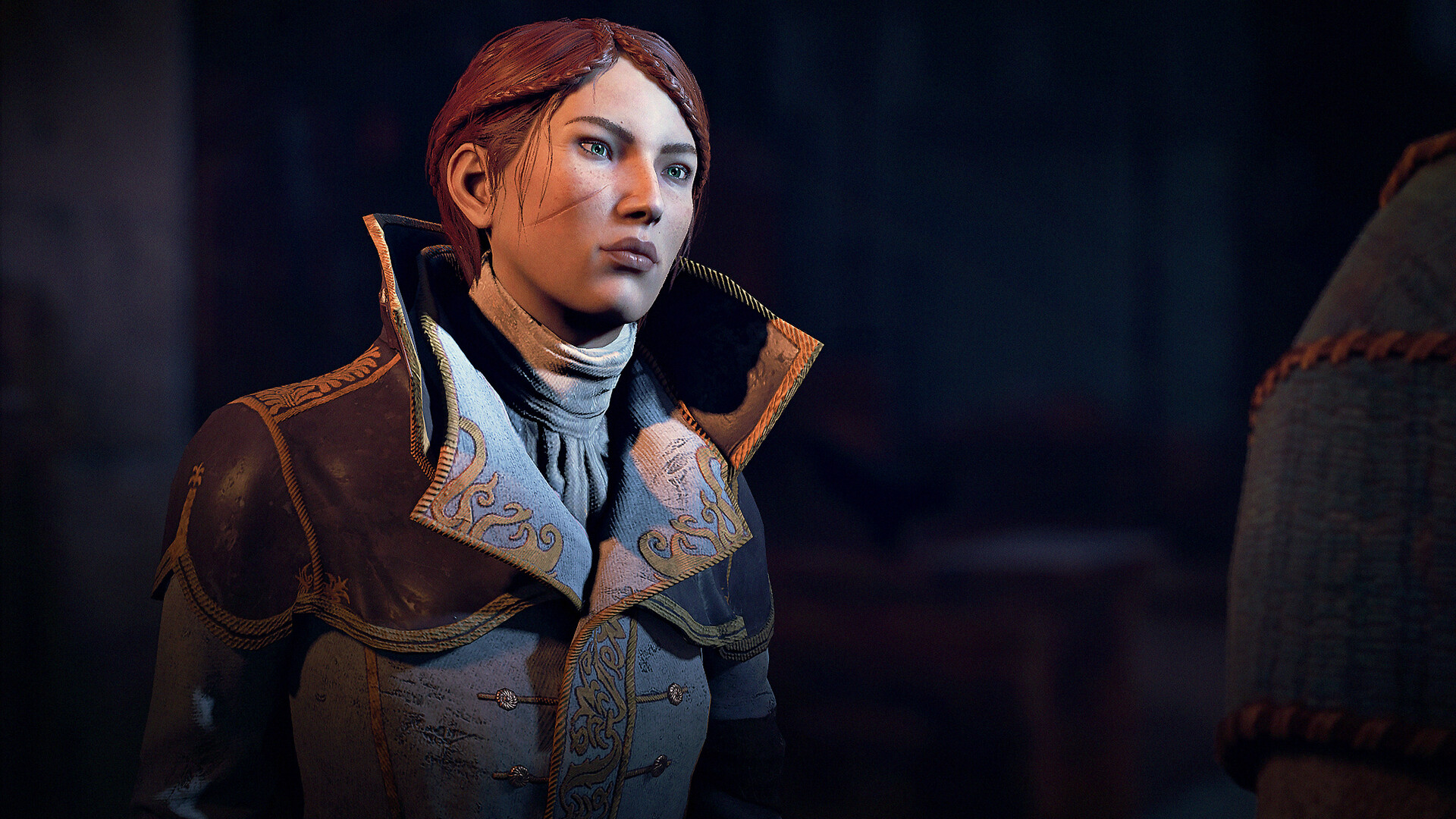
Greedfall: The Dying World is unapologetically a love letter to the golden age of Bioware RPGs. Its emphasis on story, morally ambiguous choices, and richly written companions harkens back to Kotor and the first Dragon Age. The game’s willingness to confront colonial history and racial tension lends it a relevance that many fantasy titles shy away from.
Yet, nostalgia alone cannot mask the rough edges. Inconsistent dialogue branching, a clunky skill system, uninspired combat, and dated animation technology prevent Greedfall from reaching its full potential. The linear design, while refreshing to some, may alienate players who crave the freedom of a true open world. Long loading times further sap momentum together with the technical bugs.
If you are a veteran of narrative‑driven RPGs who values deep character interactions and thematic storytelling over polished combat, Greedfall offers a compelling, if imperfect, experience. It may not be the definitive colonial‑themed RPG of the decade, but it stands as a solid, if rough, homage to the games that defined a generation.
Leave a Reply