
With The Rogue Prince of Persia finally receiving a physical release for PS5, Switch, and the brand‑new Switch 2, the timing felt perfect to revisit a title we missed the first time around. In this review we’ll break down what makes the game stand out, where it stumbles, and why it might be the most enjoyable roguelite‑platformer in the last couple of years.
A Modern Prince
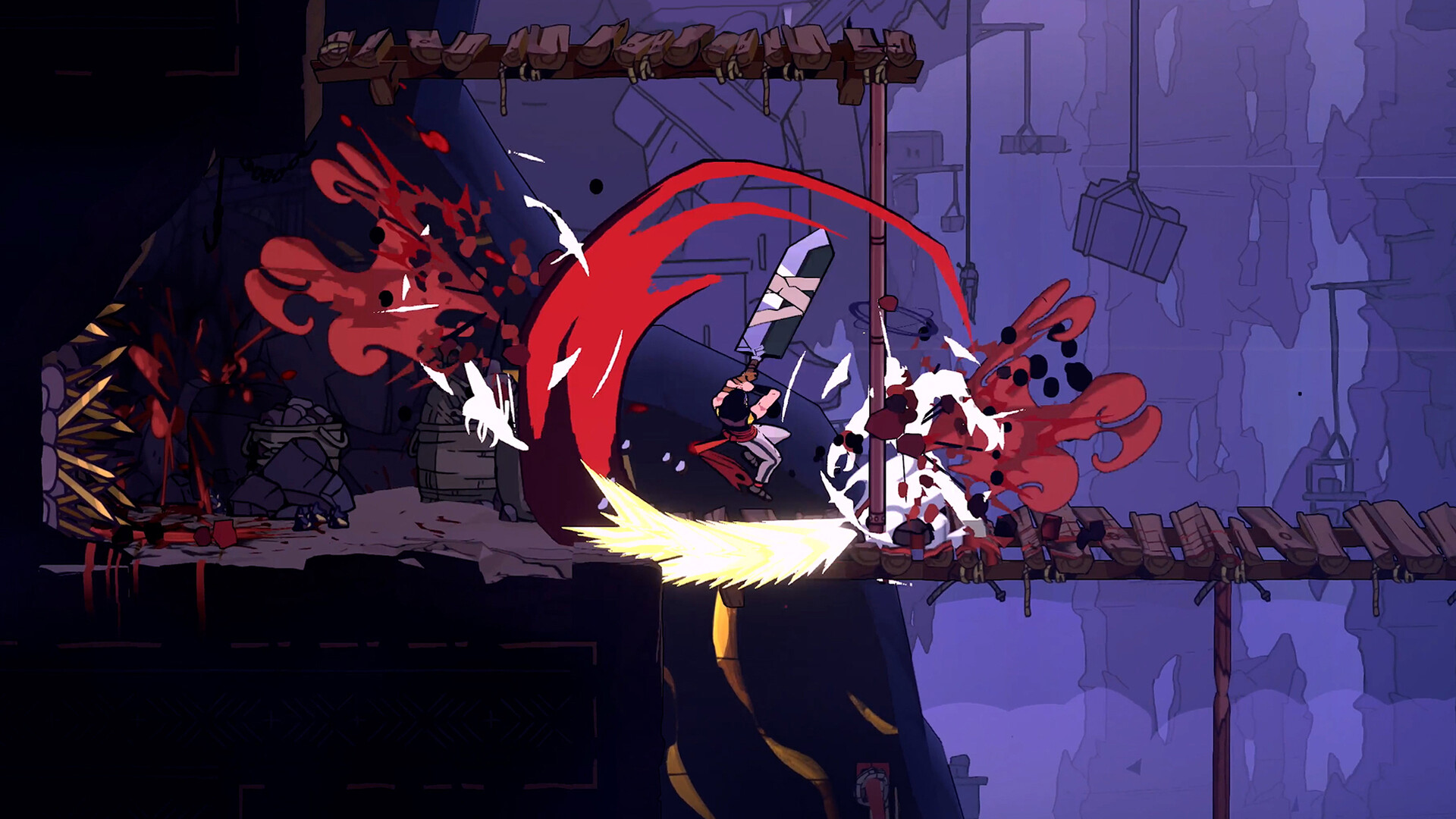
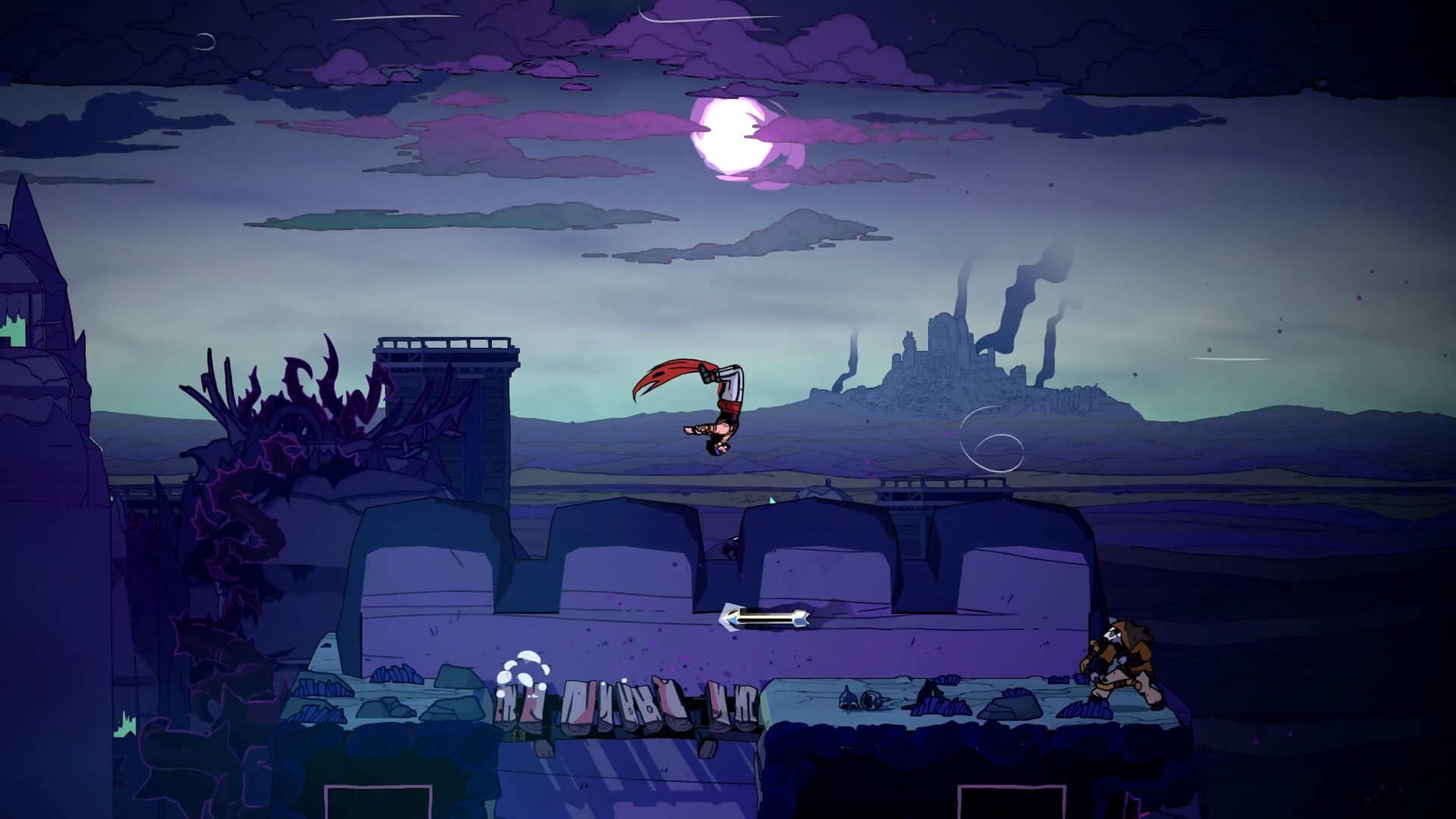
The Rogue Prince of Persia comes with some great and very satisfying movement. The parkouring the prince does feels like a modern take on the classic Prince of Persia. Not only does it feel smooth to slide walls, jump and roll in platforming or enemy encounters, but it also looks very good. The fluidity of the controls makes each leap feel earned, and the sense of speed never turns into a blur of chaos.
The Rogue Prince of Persia is a fast paced game, both when it comes to movement, but especially when it comes to combat encounters where there is short combat time per enemy, making the flow feel very good and the constant feeling of moving much clearer. In the later stages of the game, however, the combat feels a little messy with a lot happening on the screen at the same time with effects from the visuals of attacks and enemies happening at once, making it hard to see what is happening. This visual overload can be disorienting, but the core design, quick, bite‑size fights that force you to keep moving, still shines. The variety of weapons and skills you unlock keeps each encounter feeling distinct, even if the particle effects sometimes compete for attention.
Narrative on the Run
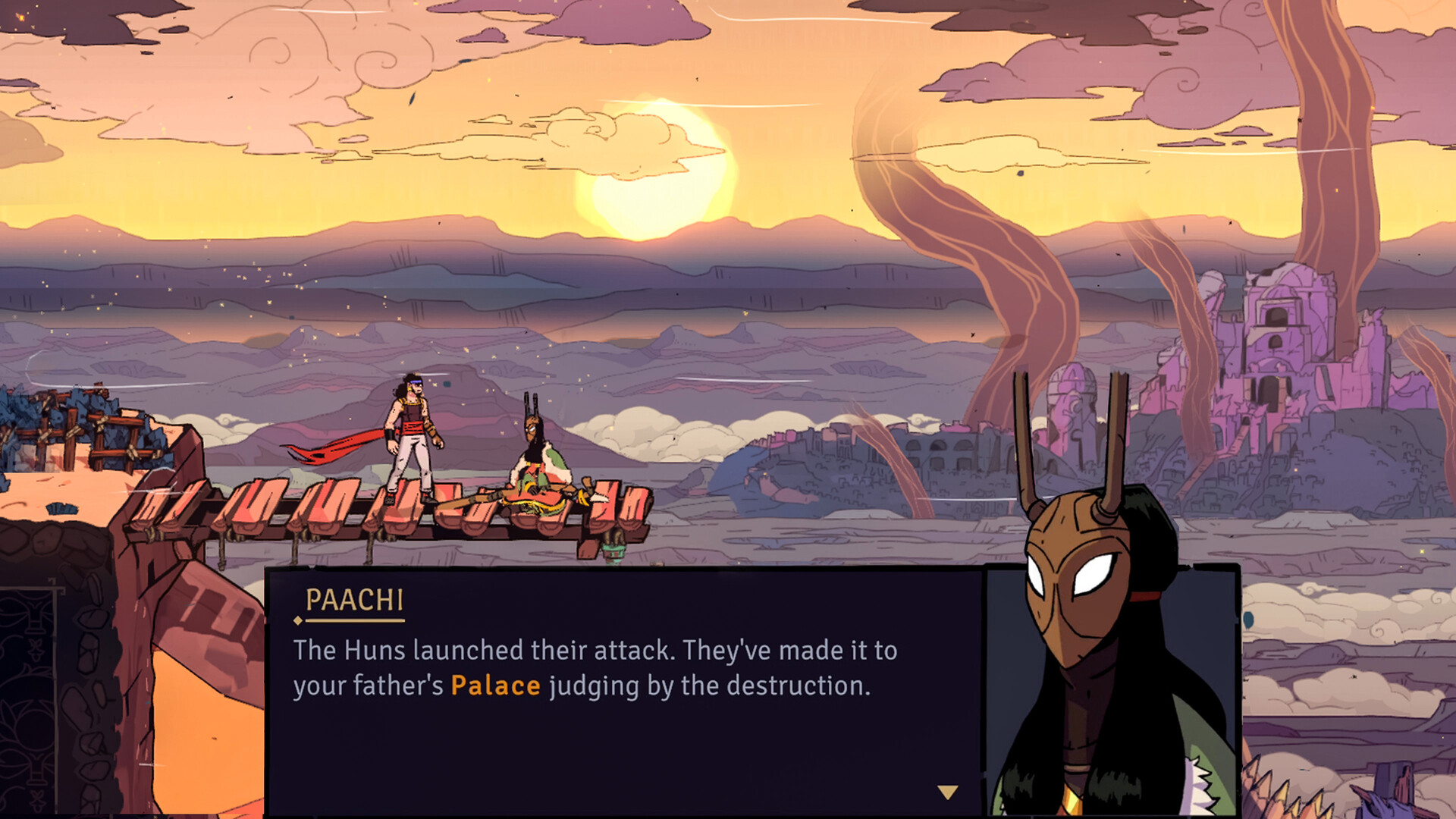
I also think the story progression is really nice; there are a bunch of objectives during your runs that pushes the story, lore or characters forward, so even if you don’t finish a run, you still get a progression in the story and feel like you have gotten further with the game. The narrative is woven into the run‑based structure, so each new objective feels like a puzzle piece rather than a forced cutscene. Even when you die, the brief memory fragments you collect keep the plot moving, making every death feel like part of a larger tapestry rather than a setback.
A Roguelike Worth Staring At
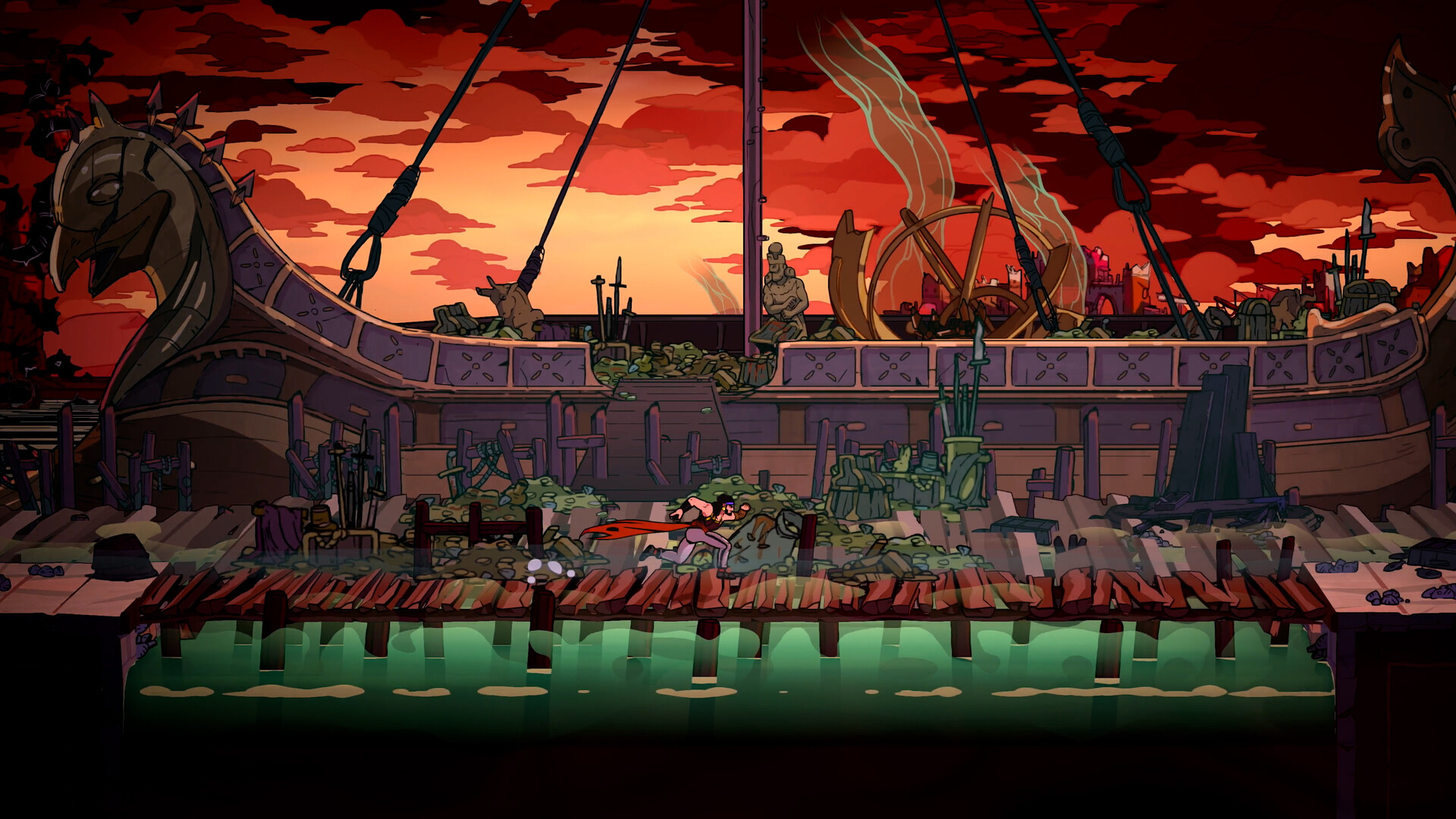
I find the art style very appealing. The colour palette is really nice and how they use hard shades to outline characters and objects looks so good. This combined with the really smooth animations makes this one of my favorite looking roguelikes. The visual identity is both vibrant and restrained: bright accents highlight interactive objects while the deeper shadows give the world a timeless, almost tapestry‑like feel. The hard‑edge outlines give each character a silhouette that pops against the background, making it easy to read the action, except in those later‑stage combat overload moments mentioned earlier.
Short & Sweet, Yet Deep
It is not a super long game, but it is more of a short & sweet experience. You can play it more and collect things like costumes, but I hit the credits in about 13 hours and that felt like a perfect experience. But if you want to go beyond the story, there are a multitude of trails and ways to keep playing the game that are really good. The Rogue Prince of Persia compared to other games in the genre, isn’t a very hard game and I found that very refreshing. It still is a roguelite, but it is on the easier side and I applauded it for not going harder than it needs to be.
The difficulty curve feels intentional: early runs teach you the core mechanics without punishing you, while later runs introduce more enemies, tighter platforming sections, and those messy visual effects that test your reflexes. The balance strikes a sweet spot for both newcomers to the roguelite genre and veterans looking for a breezier experience.
The metaprogression system is a highlight. As you collect relics and complete objectives, you unlock new weapons, costumes, and even passive abilities that persist across runs. This sense of permanent growth turns each failure into a stepping stone rather than a dead‑end, encouraging you to experiment with different builds. Whether you prefer a swift dagger combo, a heavy sword swing, or a magical staff, the game accommodates your playstyle while still rewarding skillful execution.
Conclusion
The Rogue Prince of Persia delivers a polished, fast‑paced platforming experience wrapped in a visually striking package. Its modern parkour feels as satisfying as any recent action‑platformer, while the combat, though occasionally cluttered, remains exhilarating thanks to its brisk pacing. The story is cleverly interwoven with gameplay, ensuring that even incomplete runs push the narrative forward.
At roughly 13 hours for the main story, the game offers a concise but complete adventure, with plenty of post‑story content to keep you looping through new weapons, costumes, and challenges. Its approachable difficulty sets it apart from the grind‑heavy roguelites that dominate the market, making it a welcoming entry point without sacrificing depth.
If you enjoy smooth movement, vibrant art, and a roguelite that respects your time, The Rogue Prince of Persia is a title you’ll want to add to your library. Its blend of tight controls, rewarding metaprogression, and a story that marches forward even when you fall makes it one of the most compelling, short‑and‑sweet experiences of the year.
Leave a Reply