
In the crowded landscape of roguelike titles, it takes something truly unique to stand out. Artificer’s Minos manages to carve out a distinct identity by flipping the script on traditional dungeon crawlers. Instead of playing the hero delving into the dark, you are Asterion, the son of Minos and a Minotaur tasked with protecting the heart of the Labyrinth. Set against the backdrop of Greek mythology, the game forces you to embrace your inner architect of doom, tasking you with crafting lethal mazes to slaughter waves of greedy adventurers.
A Masterclass in Labyrinthine Design
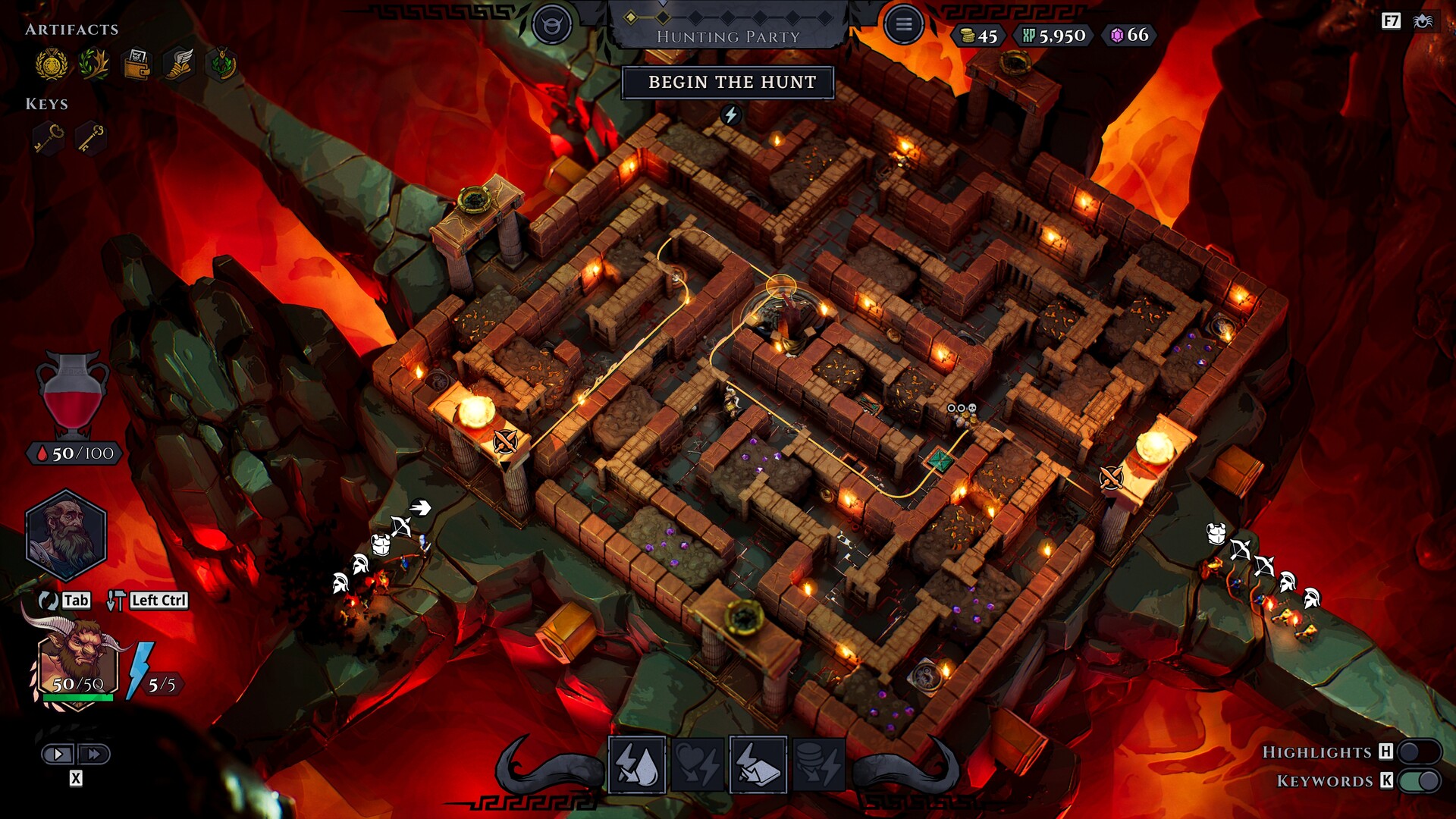
The core loop of Minos is a refreshing hybrid of tower defense and roguelike mechanics. Each level begins as a blank slate or a basic layout, where you must strategically place traps, destroy existing rock formations, and construct your own walls to manipulate the movement of intruders. The satisfaction of watching a perfectly orchestrated death-trap chain reaction is immense.
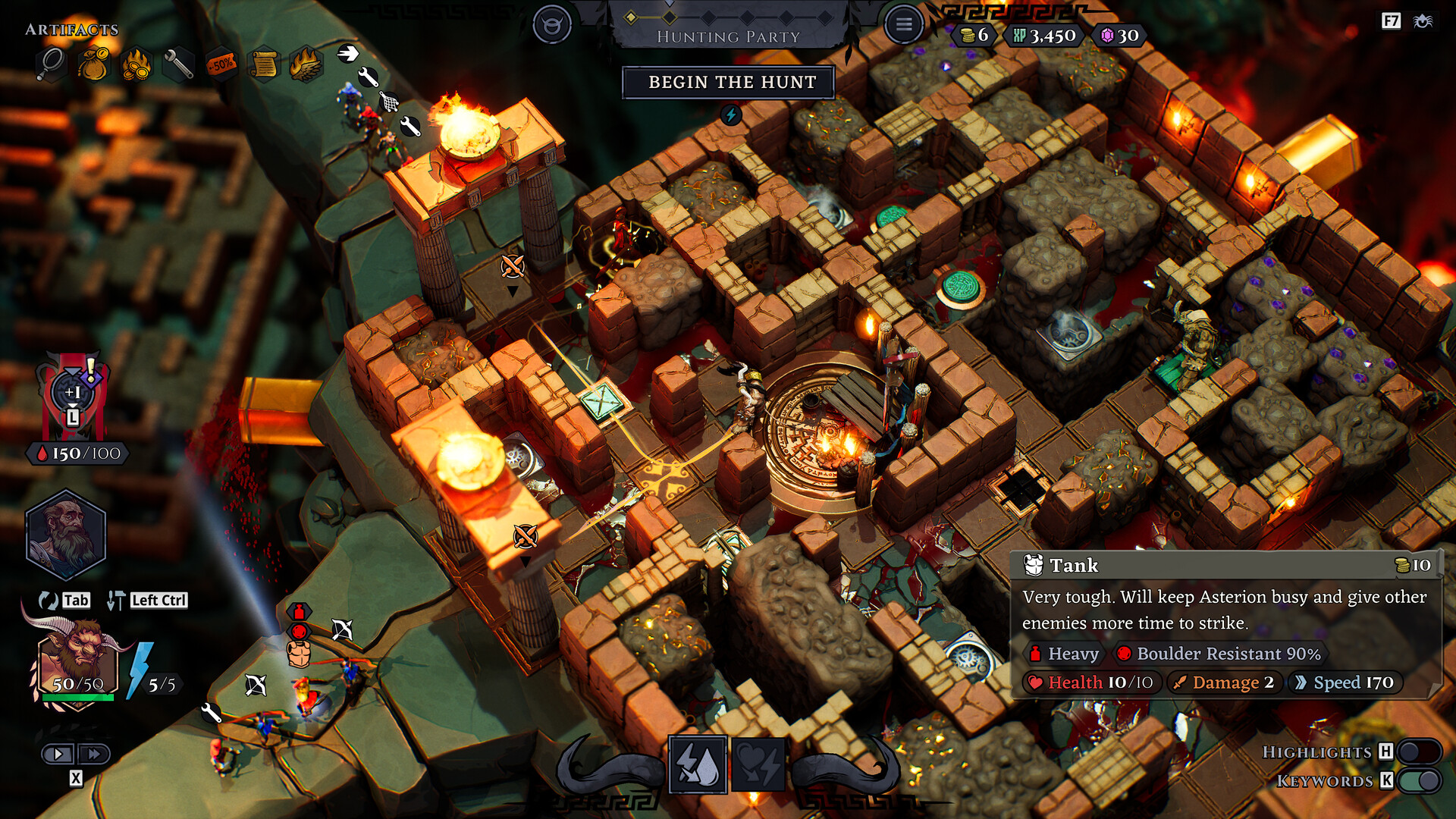
The trap variety is where the game truly shines. You aren’t just placing stationary spikes; you are designing a flow. There are high-damage options like ballistas for single-target elimination, and area-of-effect tools like buzzsaws that can wipe out groups if they are funneled into a bottleneck. The game also introduces clever, timing-based mechanics, such as doors that slam down only after a certain number of enemies have passed, or utility traps that lure intruders down alternate corridors. Because you start each run with a random assortment of these tools, every session feels distinct, forcing you to adapt your defensive strategy to the specific traps.
When you successfully build a labyrinth that operates like a well-oiled machine, there is a serene, sadistic pleasure in sitting back and watching the final waves succumb to your design without you needing to lift a finger.
The Beast Within: Asterion’s Role
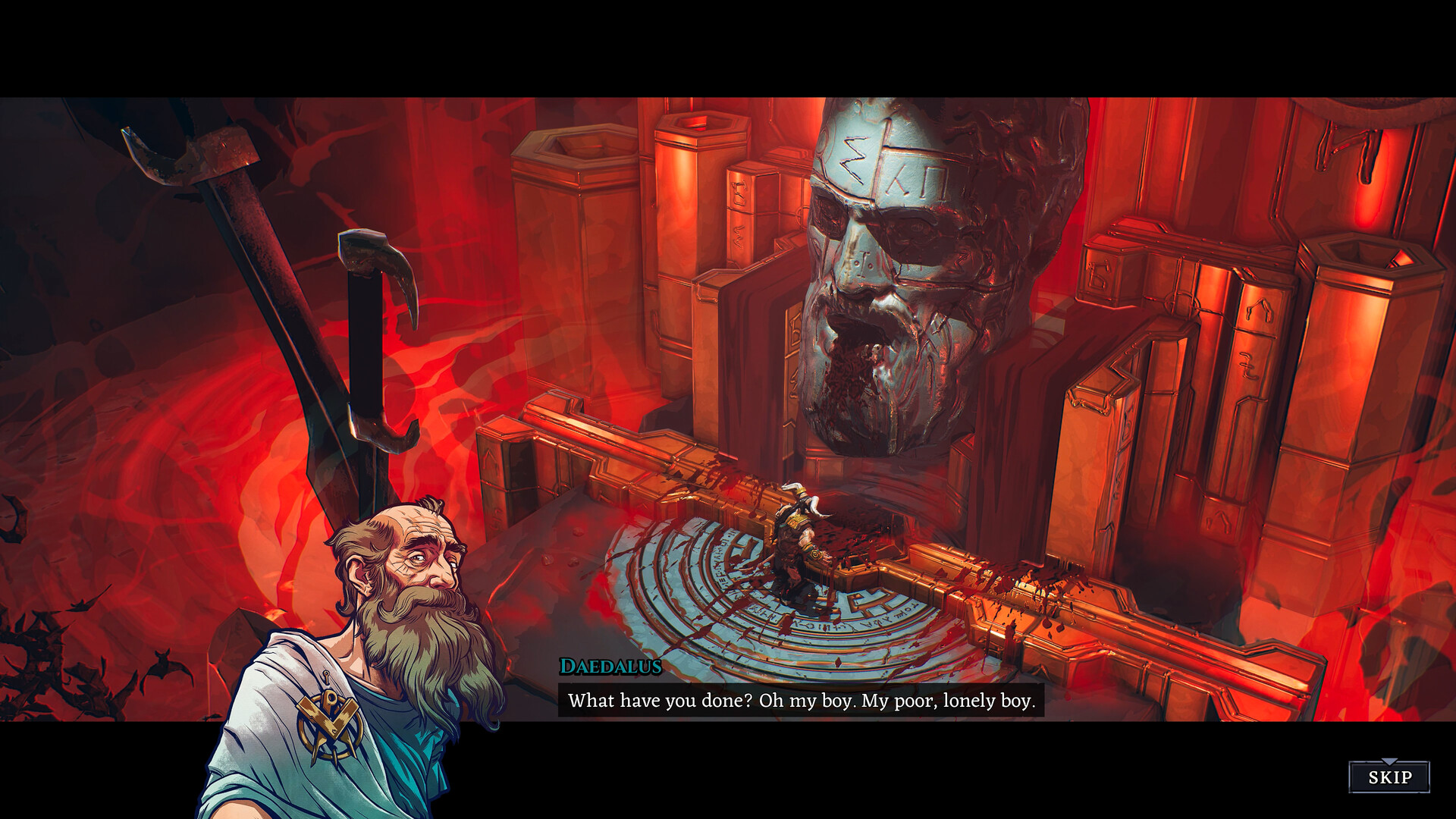
While the traps are your primary defense, you are not helpless. Asterion functions as the final line of resistance. Between waves and runs, he can be upgraded to reflect his true nature as a Minotaur—the deeper you descend into the labyrinth, the more monstrous he becomes, gaining health, damage, and survivability.
There were moments in my playtime where Asterion felt so powerful that I could handle the first few levels of a run using only his melee strikes. This transition from a defensive architect to a frontline powerhouse provides a satisfying sense of progression and adds an action-roguelike layer to the gameplay. However, it isn’t without its frustrations. The combat system relies on an auto-attack mechanic rather than a dedicated button press. Occasionally, this feels unresponsive; I frequently found myself walking right up to an enemy, only for Asterion to stand idle while taking unnecessary damage. It is a minor technical hiccup, but one that can be jarring in the heat of a difficult run.
Progression, Aesthetics, and Longevity
Visually, Minos nails the atmosphere. The Greek dungeon aesthetic is gritty, oppressive, sun-drenched and perfectly complemented by the chaotic, bloody feedback provided by the traps. Seeing your intricate designs turn the hallways into a slaughterhouse provides a visceral gratification.
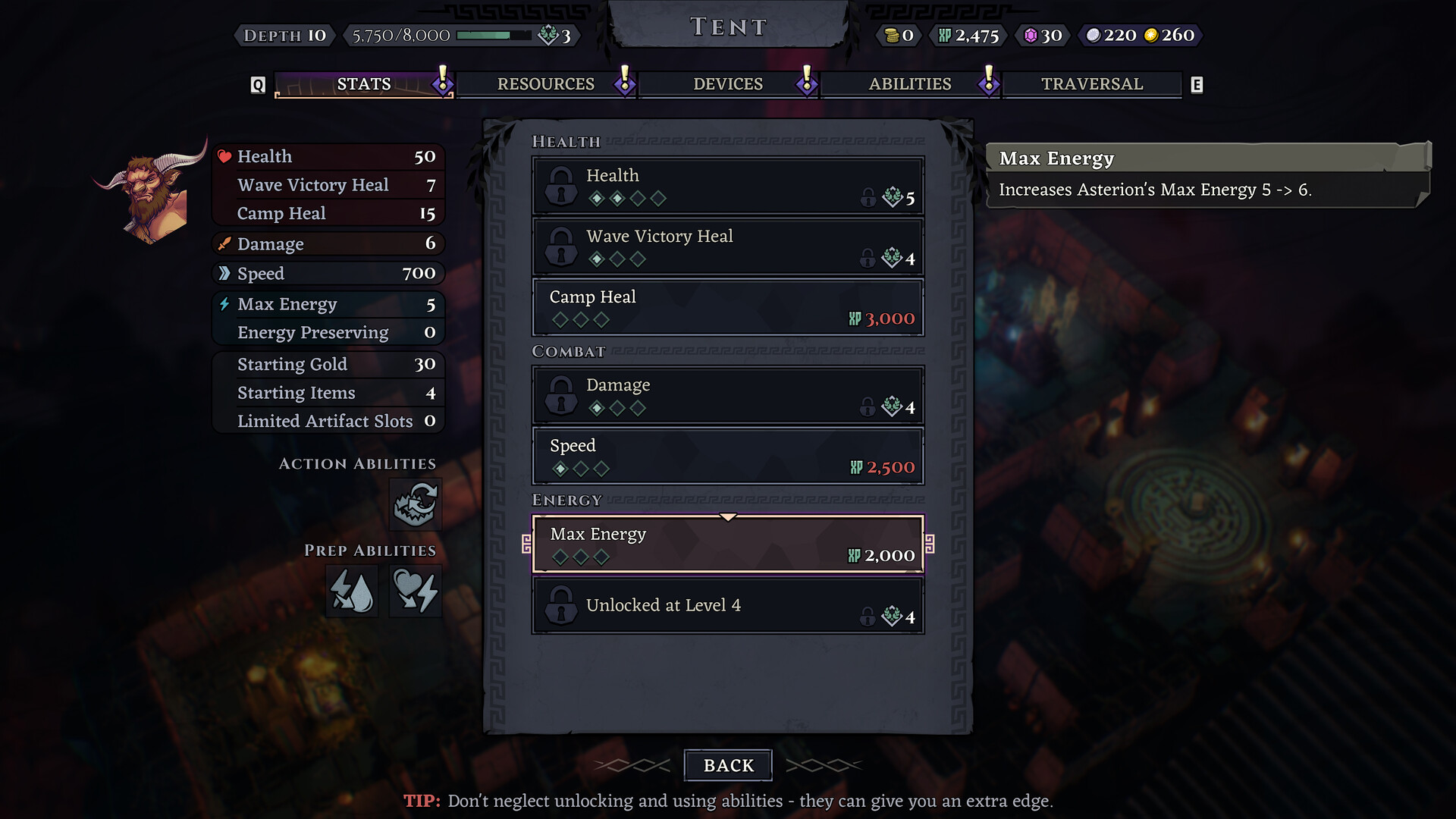
The progression system is equally deep. As you play, you earn gems and experience points, both of which are essential for unlocking new traps, upgrading existing ones, and enhancing Asterion’s skill set. The game does a great job of making you feel the weight of your progress; shortcuts unlock as you reach certain depths, ensuring that you aren’t forced to repeat the easy levels for too long after a failed run. There is a constant sense of forward momentum that makes the “one more run” feeling nearly impossible to resist.
Conclusion: A Must-Play for Roguelike Enthusiasts
While the early-game experience can feel a bit sluggish and the auto-attack jitters can lead to some frustrating deaths, Minos is an undeniably addictive experience. Artificer has created a game that is as mentally stimulating as it is cathartic.
The blend of tactical trap placement and kinetic combat creates a unique rhythm that separates it from standard dungeon crawlers. Despite the minor flaws, the rewarding progression system and the sheer joy of watching an adventuring party fall to your brilliance make Minos an easy recommendation. It has all the hallmarks of a title that will remain installed on my system for the rest of the year, a dark, gritty, and incredibly satisfying roguelike that invites you to build the ultimate death trap, again and again.
Leave a Reply