
Ride 6 arrives as a respectable addition to the niche of motorcycle‑racing sims. It clearly targets enthusiasts rather than casual gamers, offering a robust core of features while stumbling over consistency in several key areas. Below, I break down the game’s strengths and shortcomings to help you decide whether it deserves a place on your shelf.
Bikes and Handling
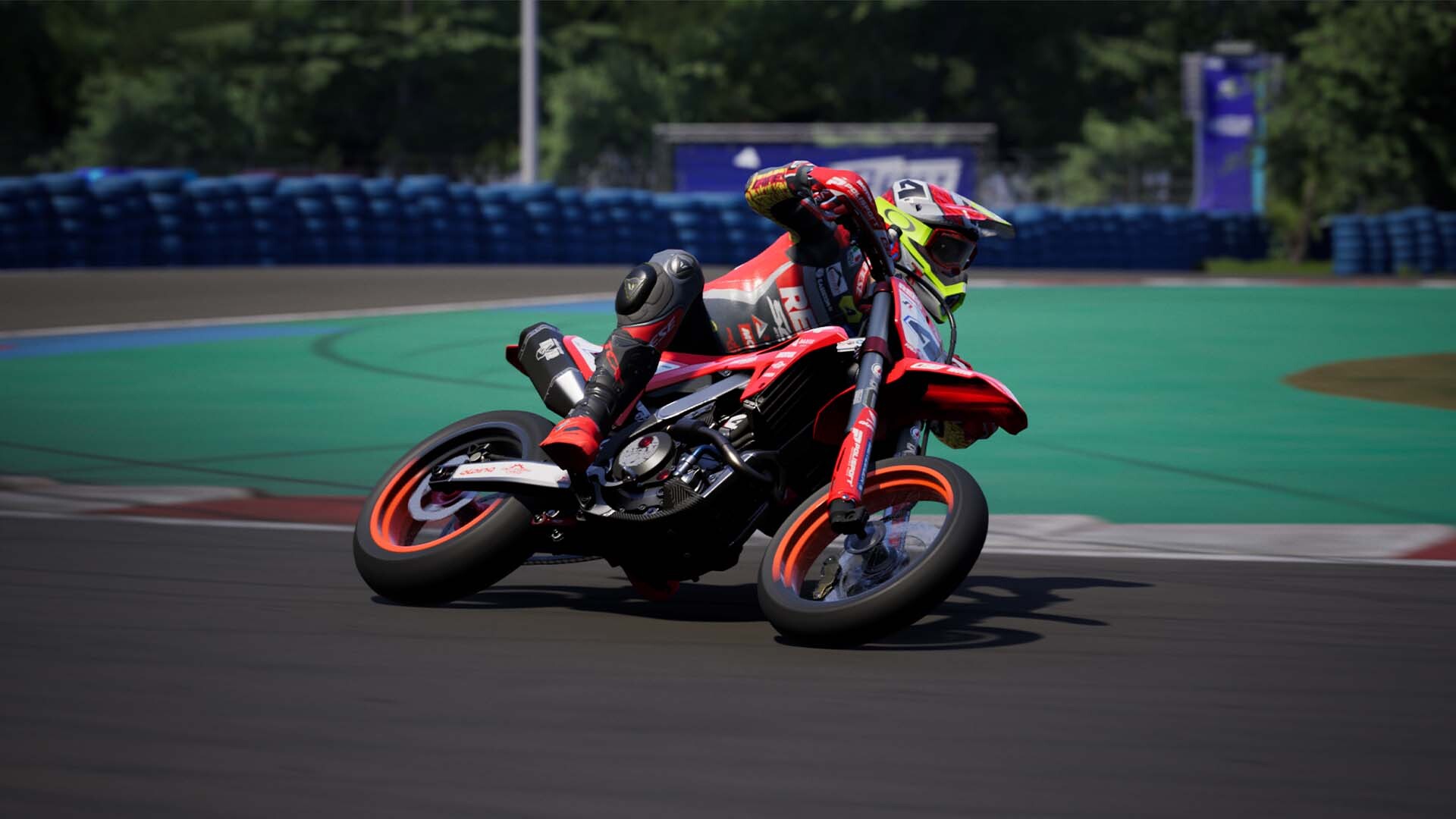
One of Ride 6’s most commendable achievements is its extensive motorcycle lineup. From high‑performance race bikes to rugged enduro machines and even city scooters, the selection feels comprehensive. Each class possesses a distinct feel: sport bikes snap around corners, enduros hug the terrain with confidence, and the heavier scooters convey a satisfying sense of mass. The developers have captured the nuance of weight distribution well enough that switching between weight classes feels genuinely different, adding depth to each race.
For newcomers, the riding school is a genuinely useful feature. It guides players through essential skills and mechanics step by step, making the learning curve more manageable. However, as someone not that familiar with motorcycle games, the controls initially felt awkward, slow and unintuitive. But after a few races they became more natural, and while the handling never feels exceptional, it is ultimately serviceable and responsive enough.
Presentation is a Rollercoaster Ride
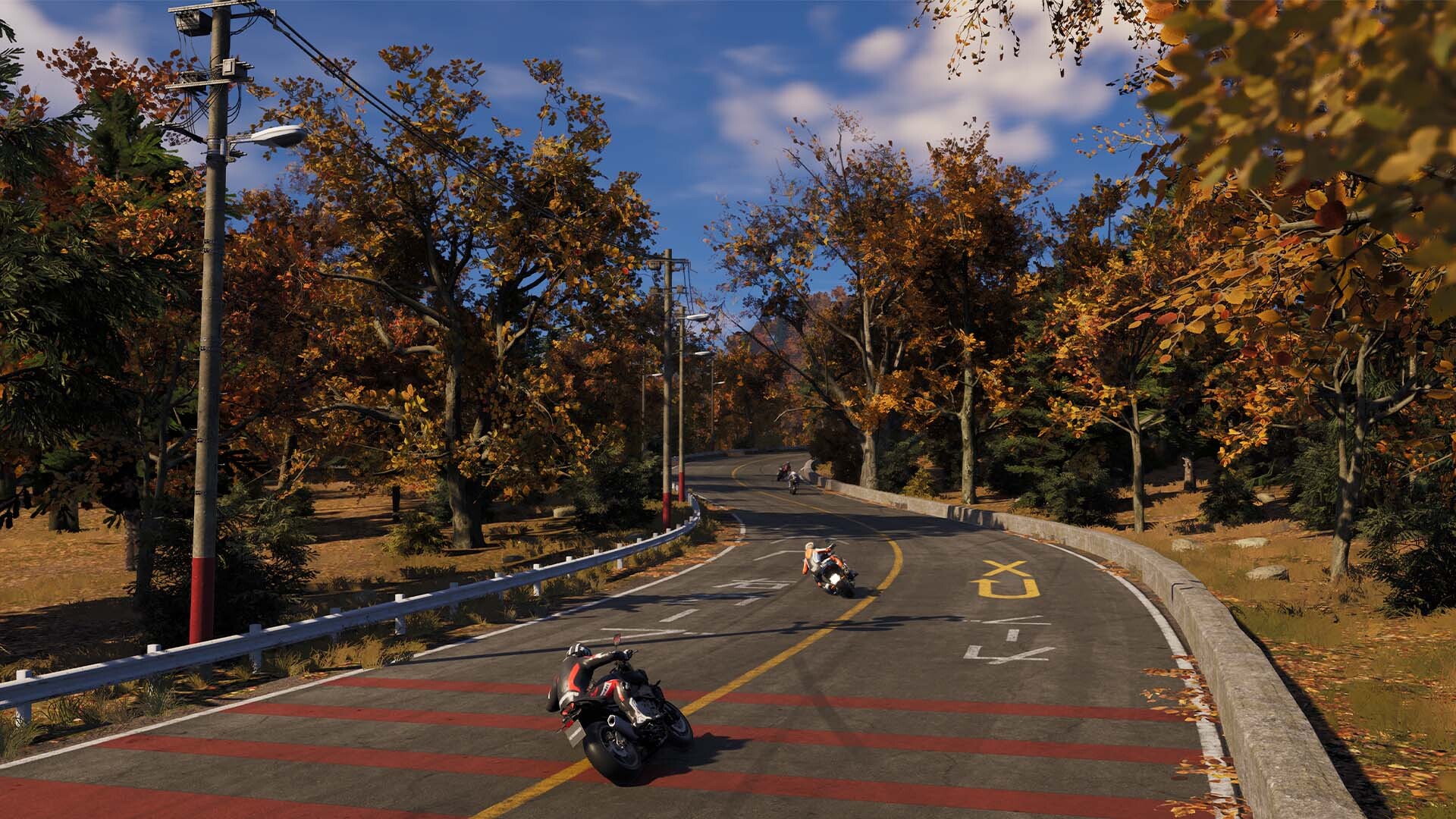
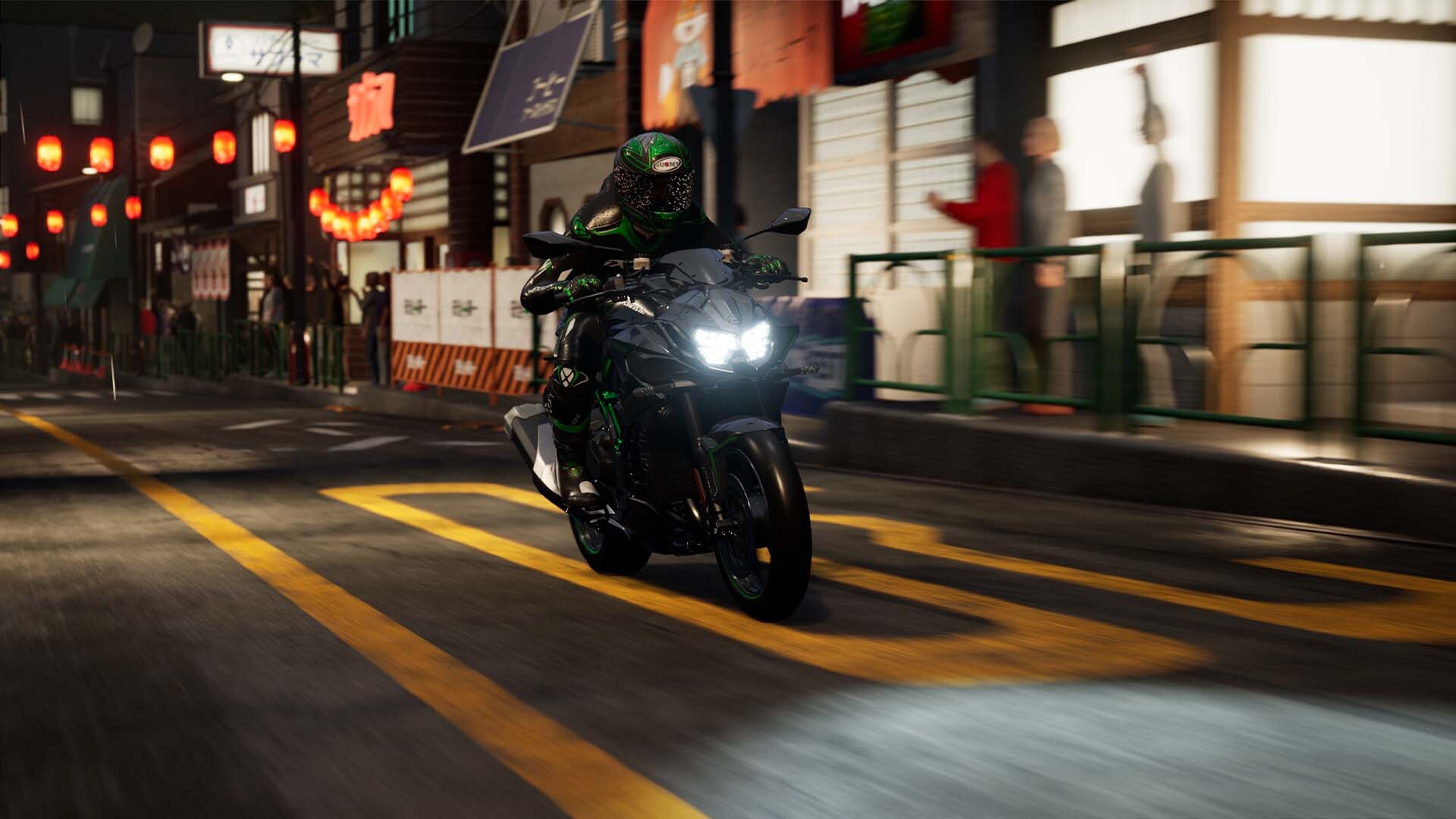
Graphics are where Ride 6 shows the most variance. Certain tracks and bike models boast modern, highly detailed textures and convincing lighting, immersing the player in a realistic world. Unfortunately, this polish is not uniform. Cutscenes appear dated, with low‑resolution models and stiff animation that pull you out of the experience. The disparity between high‑quality in‑game assets and the subpar cinematic elements hampers overall immersion.
Audio follows a similar pattern. Engine roars are authentic and varied, reflecting the distinct character of each bike. However, the soundtrack quickly becomes repetitive; the limited track selection lacks the dynamism needed to keep the racing atmosphere fresh. Sound effects are functional but never particularly memorable.

Bland Story with a Good Ai
Artificial intelligence opponents generally provide a fair challenge. They exhibit competent racing lines and make occasional overtakes that feel earned. The occasional rubber‑banding—where trailing racers inexplicably close gaps—can feel artificial, detracting from the satisfaction of a skill‑based victory. Nevertheless, the AI’s overall performance remains solid enough not to dominate the experience.
The campaign is structured around a festival framework. Players unlock new events by completing specific challenges, which are presented through a menu‑driven interface. While this system works, it lacks narrative depth or an open‑world element that could foster engagement. The progression feels anonymous, and after a handful of races the novelty wears thin. For players seeking a story or a sense of exploration, the mode feels notably bland.
Conclusion
Ride 6 delivers a competent core experience, especially thanks to its diverse bike roster and distinguishable handling characteristics. The Riding School eases newcomers into the genre, and the AI offers a reasonable level of competition. However, uneven graphics, repetitive music, and a forgettable campaign prevent the title from rising to the level of a standout racing title.
Ride 6 is an okay motorcycle racing game that will satisfy dedicated fans looking for variety and solid mechanics. If you are not already invested in motorcycle‑focused racing, the game’s lack of polish and narrative hook may make it a hard sell.
Leave a Reply