
Ryu Ga Gotoku Studio has earned a reputation for churning out high‑octane releases at a break‑neck pace, often two titles a year, while still managing to keep each entry feeling fresh. 2026 opened with a double‑dose of Yakuza content: the long‑awaited remake continuation Yakuza Kiwami 3, which pushes the story of Kazuma Kiryu forward, and Dark Ties, a compact prologue‑style side adventure that slots into the same world.
Both games aim to blend nostalgia with the newer design language introduced in the recent Like a Dragon entries. The result is a mixed bag. Kiwami 3 tries to reinvent parts of the classic narrative, sometimes to the chagrin of die‑hard fans, while Dark Ties feels more like a bonus chapter than a full‑blown expansion. Still, the pair together offer a compelling way to re‑experience Kiryu’s evolving saga.
From Okinawa Sunshine to Kamurocho’s Neon Shadows
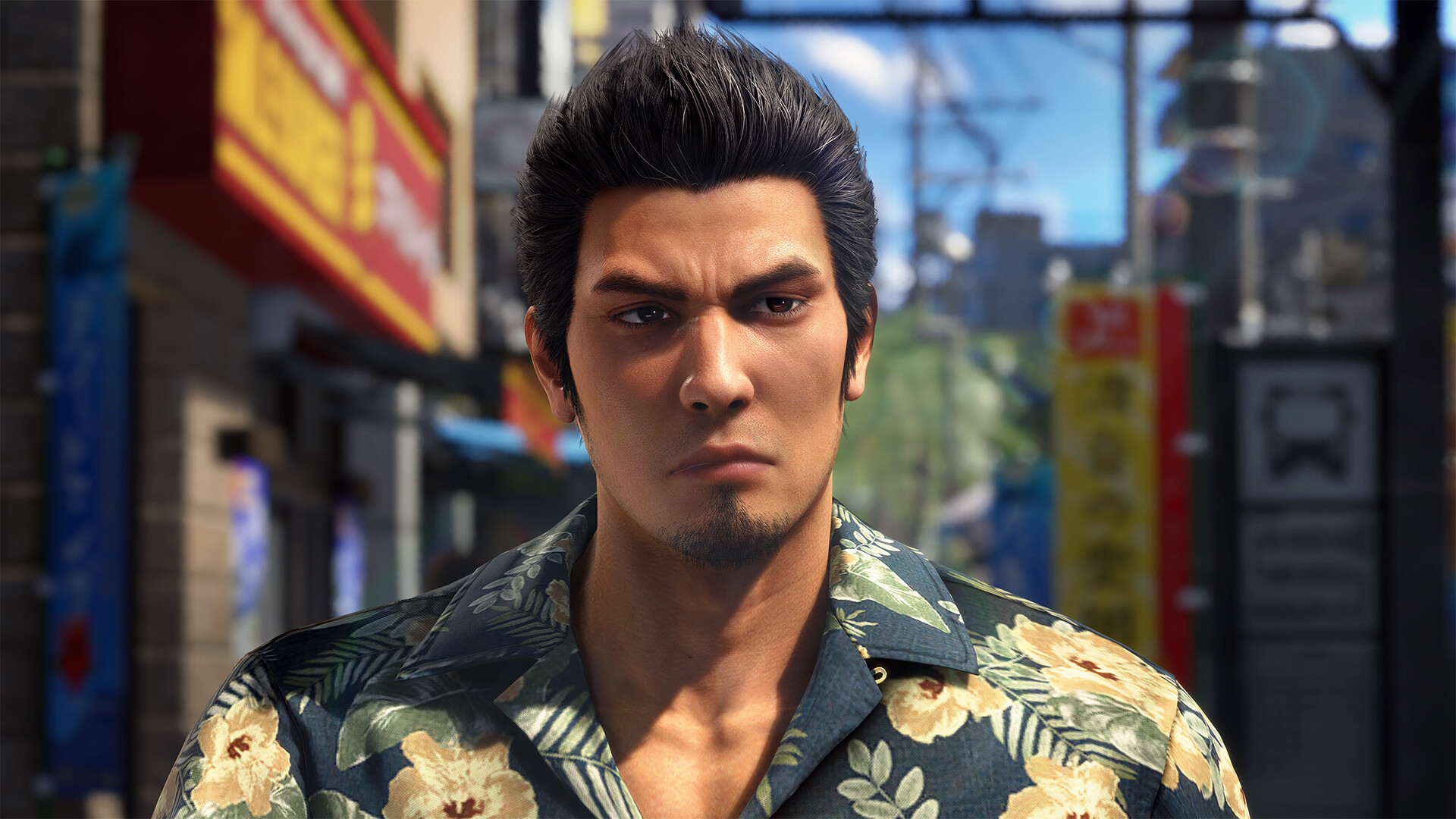
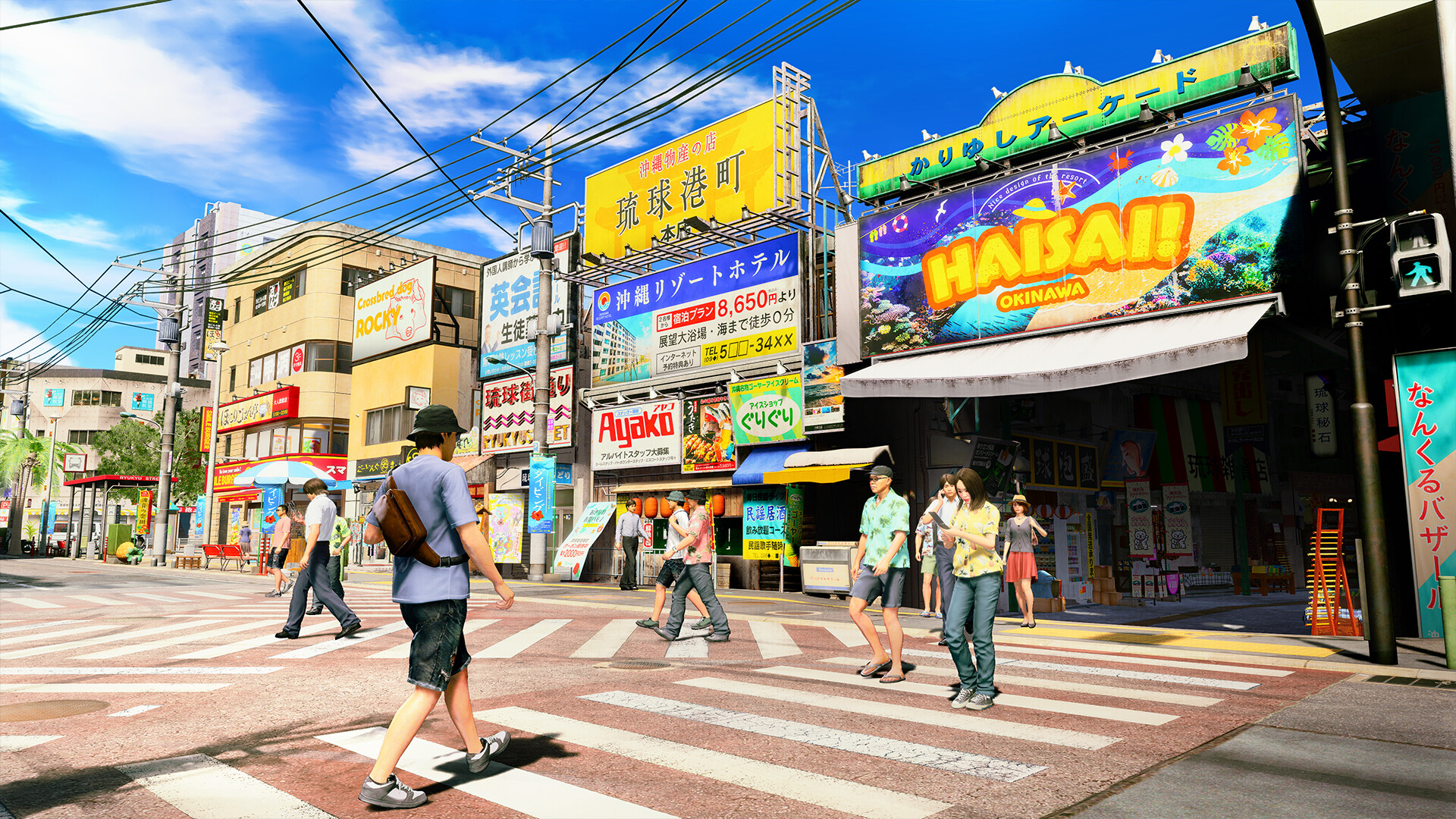
After the climactic showdown of Yakuza 2, Kiryu finally hangs up his fists to run the Morning Glory Orphanage on the sun‑kissed island of Okinawa. The premise feels like a natural evolution: a hardened yakuza turned dad, caring for a group of kids. Of course, trouble doesn’t stay far away. A fight to protect the orphanage drags Kiryu back into the murky waters of yakuza politics and corrupt city officials, pulling him once more into the neon‑lit chaos of Kamurocho.
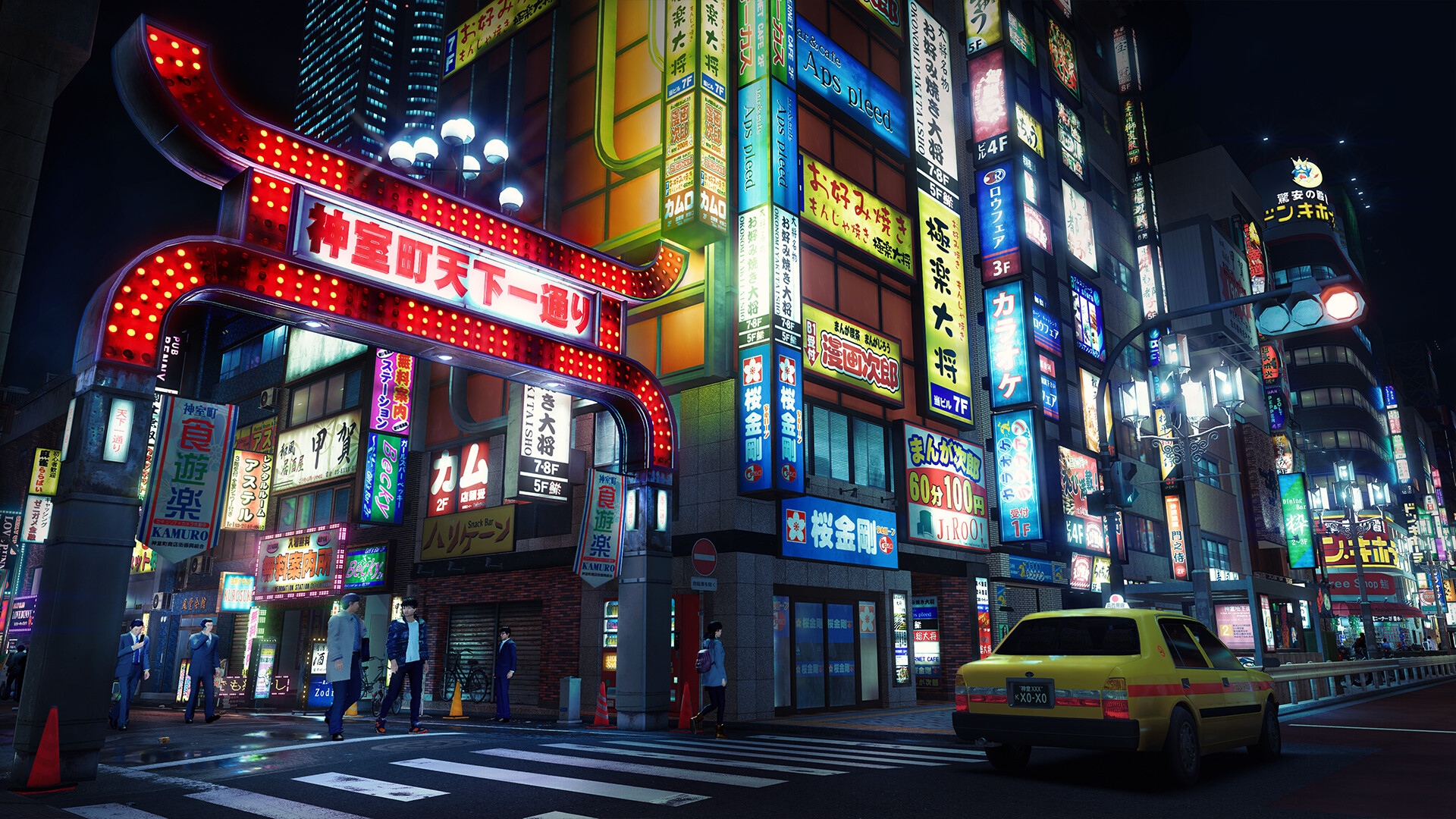
The juxtaposition between bright, tropical Okinawa and the gritty, rain‑slick streets of Kamurocho is one of the game’s strongest narrative beats. The updated graphics in Kiwami 3 make the contrast pop—lush palm trees sway while distant fireworks burst over a city awash in neon. The visual upgrade accentuates the thematic conflict: Kiryu’s yearning for a peaceful life versus the inescapable pull of his past.
Retcons and Their Reception
Yakuza Kiwami 3 does not shy away from rewriting certain plot points from the original Yakuza 3. Some of these retcons, especially those that alter key character motivations, have sparked debate among longtime fans. For newcomers, however, the changes are largely invisible; the story still delivers its core emotional beats without the baggage of prior knowledge.
The biggest narrative shift is the trimming down of side stories from the original’s 100 to a more manageable 31. While many fans will mourn the loss of beloved, multi‑step sub‑plots, the new selection actually filters out many of the more forgettable tangents. The trade‑off is a tighter game that moves faster, though at the cost of some fan‑favorite moments.
A Cohesive Mix of Old and New Mechanics
One of the most noticeable additions is the biker gang storyline. Structurally, it feels akin to the clan battles from earlier entries, but the execution borrows heavily from the chaotic boarding fights introduced in Pirate Yakuza in Hawaii. Riding on a roaring motorbike, you clash with rival crews in melee combat. It’s a fresh set‑piece that meshes well with the series’ penchant for over‑the‑top action—even if it doesn’t revolutionize anything.
If there’s a standout feature, it’s the slice‑of‑life content centered on the Morning Glory Orphanage. The Dad Rank system encourages players to engage in a variety of mini‑games: sewing for the children, helping with homework, chasing insects and tending a garden. Each activity deepens Kiryu’s bond with the kids and unlocks small, heart‑warming sub‑stories that flesh out their personalities.
A particularly charming side quest has Kiryu learning to cook alongside Hakura. As you master new recipes, the children’s admiration grows, and you’re rewarded with both culinary bonuses and narrative moments that feel rewarding. I easily spent several hours tending to the orphanage before returning to the main plot, proof that the developers succeeded in making these domestic chores feel as compelling as a street brawl.
Yakuza Kiwami 3 also lifts two smaller systems from the recent Like a Dragon titles: LaLaLa Lovelies – A re‑themed version of Infinite Wealth’s Aloha Links. It’s a light‑hearted collection mechanic that encourages exploration and completionist tendencies. Photo Rally, This photo‑hunt mode turns Okinawa and Kamuroch, rewarding you for snapping snapshots of iconic locales.
The long‑standing skill tree of earlier Yakuza games is replaced with a simplified version and also brings with it a new master character, offering a fresh sub‑storyline that, while not as memorable as the original mentors, still provides useful training sessions and narrative context. It’s a modest addition that fits neatly into the revamped progression flow.
Polished Yet Inconsistent
Visually, Kiwami 3 shines. The seaside vistas of Okinawa are rendered with vibrant colors and lush detail, while Kamurocho’s bustling streets feel more alive than I’ve gotten used to over the years. Cutscenes now boast high‑definition facial animation, in most cutscenes, and still manages to make other scenes, like substories, look dated.
Much of the in‑game dialogue in substories remains unvoiced, relying on on‑screen text bubbles. For a series that has invested heavily in top‑tier voice acting, the decision feels dated and breaks immersion. Voice work remains one of the series’ strongest assets. The returning cast delivers their usual gritty performances, while two new voice actors add fresh energy to the roster. Despite some controversy surrounding casting choices, the overall voice direction feels cohesive and enhances the game’s emotional beats.
Dark Ties – A Brief, Side‑Story Detour
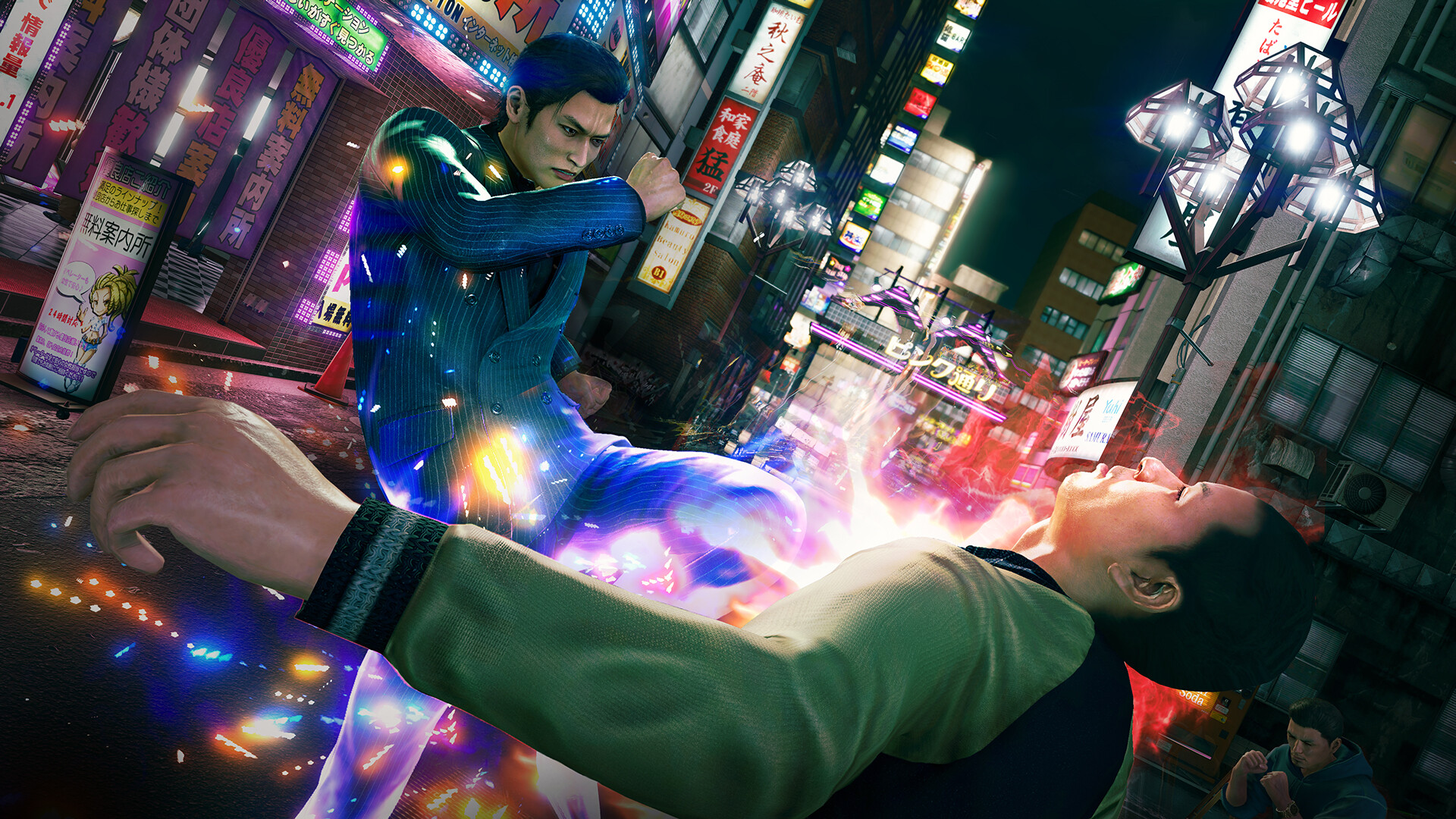
Dark Ties is marketed as a big addition to the Kiwami 3 package, but its actual content is modest, a handful of hours at most. The narrative follows Yoshitaka Mine, a rising yakuza figure whose ambitions intersect with Kiryu’s world. While the storyline is competently written and offers a new perspective on a character we have seen before but know little about, it never transcends the realm of a side‑story.
Given its short length and peripheral focus, Dark Ties feels more like an optional bonus for completists rather than a must‑play expansion. Those already invested in the main plot may find the extra hours worthwhile for the extra lore, but players seeking a substantial continuation of Yakuza will likely consider it filler.
Conclusion – A Worthwhile Yet Imperfect Evolution
Yakuza Kiwami 3 and its companion piece Dark Ties do not achieve the flawless remake status set by other modern remakes. The retcons and trimmed side‑story roster may irk purists, and the uneven presentation, prevents the experience from feeling wholly cohesive.
Nevertheless, the game excels where it matters most to the series: delivering a heartfelt main narrative, introducing engaging new gameplay loops (especially the orphanage mini‑games), and modernizing systems. The infusion of mechanics from the newer Like a Dragon titles creates a smoother, more unified experience, bridging the gap between the classic Yakuza feel and contemporary design sensibilities.
Dark Ties may not live up to the hype of a full expansion, but it still offers a neat glimpse into the wider world of Kamurocho’s power players. For players who have journeyed through Kiwami 1 and 2, or for newcomers coming from the latest Like a Dragon installments, this duo provides a satisfying continuation of Kiryu’s saga, one that balances nostalgia with fresh content, even if the balance isn’t always perfect.
In the end, Yakuza Kiwami 3 & Dark Ties stand as a solid, if imperfect, chapter in the long‑running franchise—a testament to Ryu Ga Gotoku Studio’s ability to keep the series moving forward at breakneck speed, while still delivering moments that remind us why we fell in love with Kiryu’s world in the first place.
Leave a Reply