
When Team Ninja announced Nioh 3, the expectation was simple: a fast‑paced, samurai‑styled Souls‑like with the trademark difficulty of its predecessors. What arrived, however, feels like a curious hybrid—the wide‑open exploration of Elden Ring, the clear‑cut map icons and waypoint system of a typical Ubisoft open‑world title, and the avalanche of loot you’d expect from a Diablo or Borderlands run. At first glance, this mixture could feel disjointed, but Nioh 3 surprisingly knits these disparate ideas together into a cohesive, and often exhilarating, experience. It isn’t perfect, but it’s an experiment that pays off.
Story: A Backdrop for Combat, Exploration, and Co‑Op Chaos
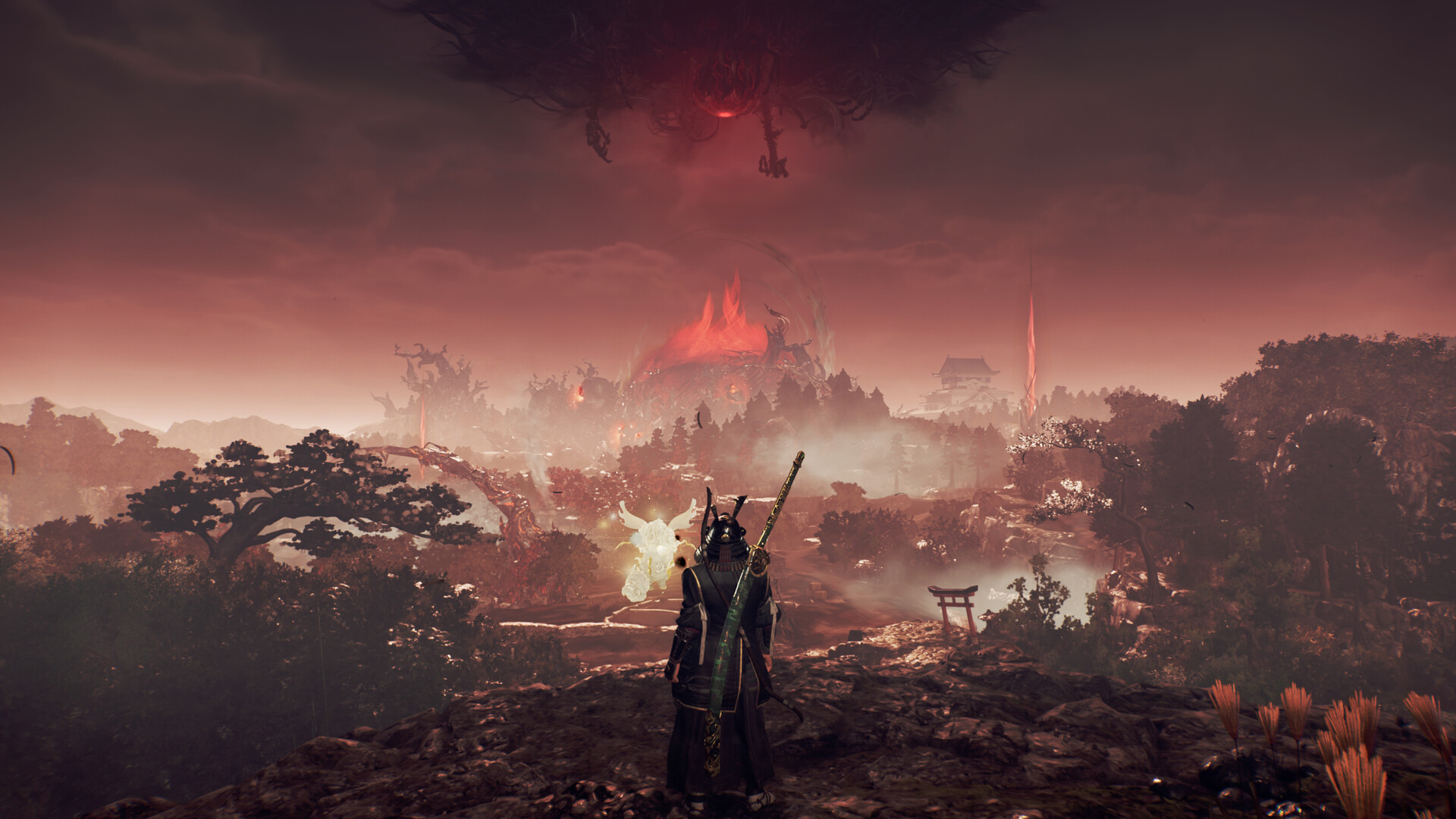
If you’ve ever played through Nioh 3 you’ll quickly realize that the narrative is more a stage set than a driving force. The premise is straightforward: multiple factions vie for control of a fractured Japan, each hoping to become the ultimate Shogun, while demonic forces spill across divergent timelines, threatening to engulf the world in darkness.
The story never really demands your full attention.Cutscenes are concise enough that they never feel like a chore.The lack of an interesting story lets you focus on the combat, the exploration, and the camaraderie that the game’s robust multiplayer brings. The lore is there if you care to dig into it, but it won’t force you to choose between reading a scroll and slashing a demon.
Samurai vs. Ninja, Two Playstyles in One Body
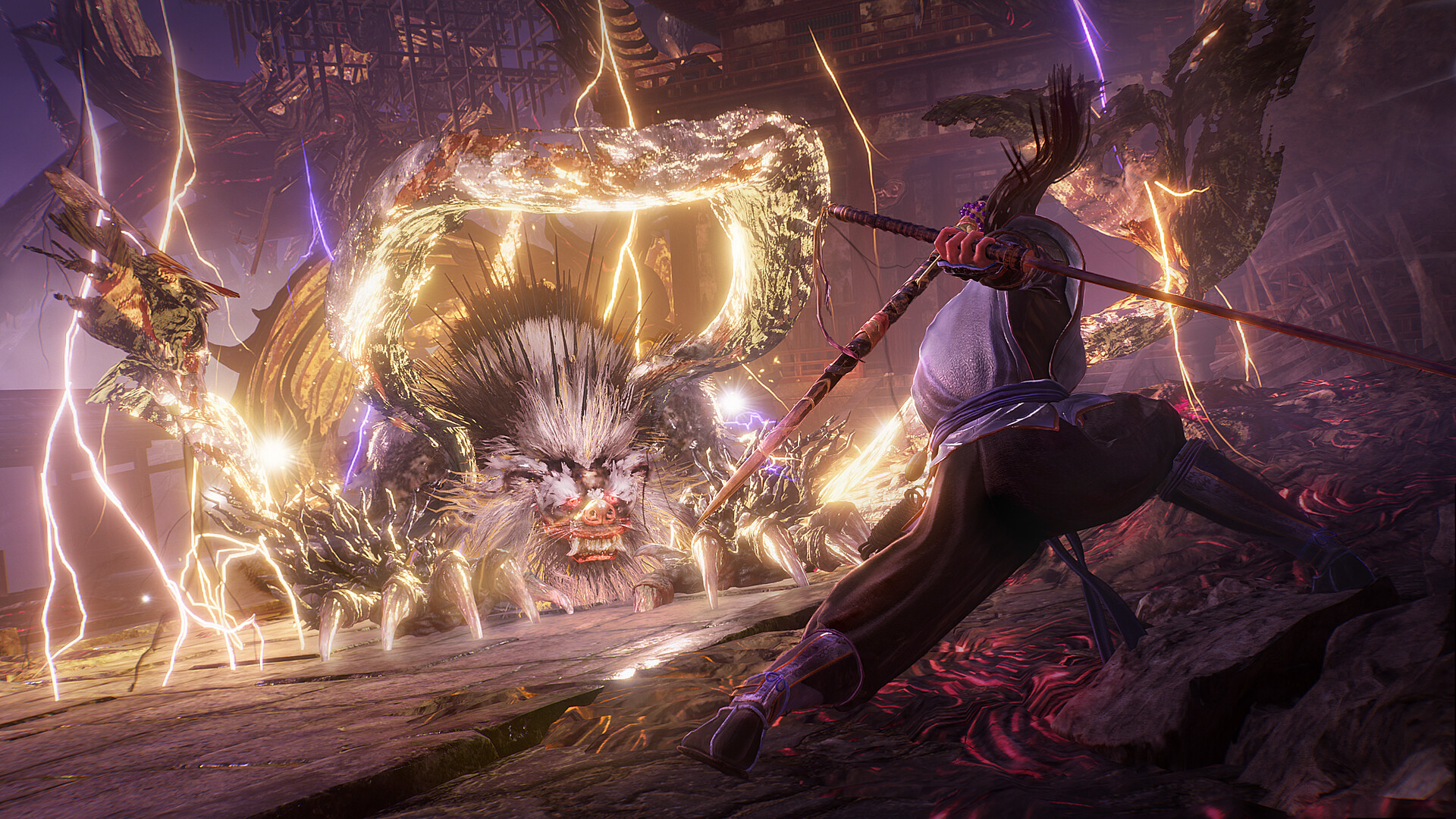
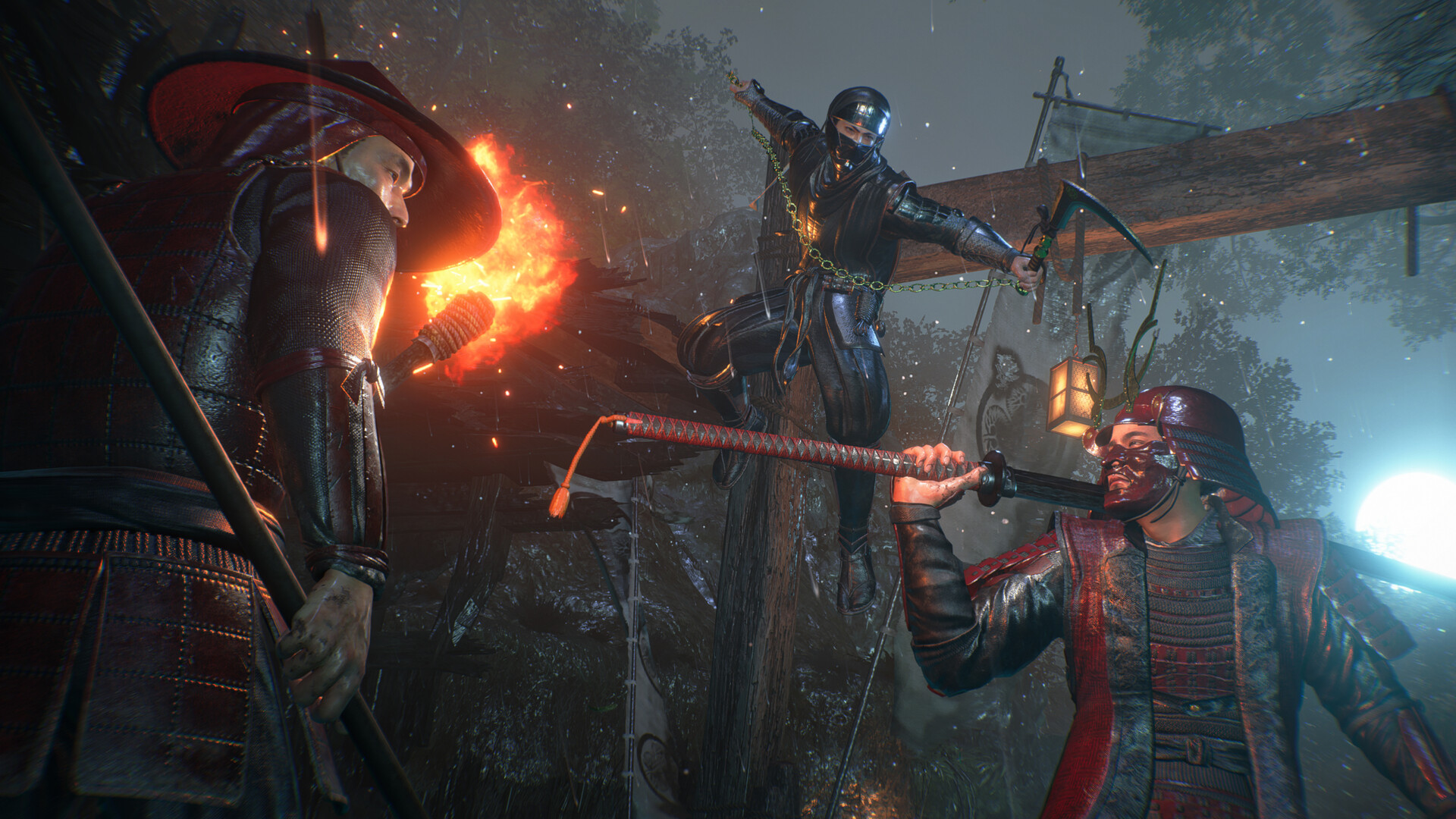
The core gameplay loop gives you the ability to toggle between two distinct archetypes on the fly: the Samurai and the Ninja. Samurai are heavier, slower, and built around a classic “hit‑and‑hold” approach. He can block, parry, and sustain larger blows, rewarding patience and timing. Ninja is a speed demon, both in movement and attacks. He deals extra damage when striking from behind and shines when you want to weave in and out of combat like a phantom.
Both classes feel polished and purposeful. The transition is seamless; a quick press of the class‑swap button lets you parry a red‑glowing attack as a Samurai, then immediately dash back as a Ninja to finish the enemy with a flurry of swift strikes. This fluidity adds a tactical layer rarely seen in other Souls‑likes, where you’re usually locked into a single combat style for the duration of a fight.
Weapon Variety and Personal Preference
Nioh 3 offers a broad arsenal, a few being: katana, naginata, spears, dual daggers, and even ranged options like the bow. Each weapon type has its own move set and rhythm, further encouraging experimentation. Personally, I found myself gravitating toward the Ninja’s agility with dual weapons, preferring to “run around my enemies and mash in attacks” rather than enduring the Samurai’s measured slog with bigger two handed weapons. Yet the Samurai’s ability to absorb punishment and punish with heavy hits makes it indispensable for tougher, more telegraphed foes.
One of the game’s strongest points is its deep customization. Almost every mechanic can be tweaked to suit your playstyle. Parry behavior, disable the forced class swap on red attacks if you prefer a single‑class approach. Loot handling, auto‑sell or donate equipment below a chosen rarity, sparing you from inventory clutter.
The sheer volume of menus can be overwhelming at first—there are dozens of systems affecting combat, progression, and loot. While a guide is helpful for untangling the minutiae, you don’t need to master everything to enjoy the game. Casual players can jump right in and have a blast; hardcore min‑maxers will find a playground teeming with optimization possibilities.
Loot: A Treasure Trove That Can Feel Overwhelming
If you’ve ever looted a Diablo run or a Borderlands chest, you’ll recognize the deluge of items that Nioh 3 throws at you. Weapons, armor, talismans, consumables, and an array of crafting materials appear at a frantic pace. By the time you’re an hour in, the screen is saturated with glowing pickups, and the novelty begins to wear thin.
The auto‑equip system is a welcome salvation. It automatically slots the highest‑ranking gear after your choice of agility rank, letting you focus on the weapon categories you love while ignoring the rest. This reduces the “what do I keep?” decision fatigue and keeps the gameplay loop smooth.
That said, the quantity can eclipse quality. Many items feel interchangeable, and the lack of truly unique artifacts can make the loot feel like a numbers game rather than a hunt for legendary gear. A more curated loot pool—perhaps with rarer, story‑driven items—would have elevated the experience, giving players memorable moments akin to finding the Sword of Night and Flame in Elden Ring.
Ubisoft‑Style Zones with Souls‑like Rewards
Nioh 3’s world design blends open‑area freedom with structured zoning. The map isn’t a seamless continent like Elden Ring; instead, each large region is divided into sub‑zones, each marked by a set of icons as you encounter them, hidden caches, and mini‑bosses. This approach feels more akin to Ubisoft’s system, giving a sense of direction without sacrificing the joy of discovery.
Exploration incentives: Clearing the zone’s objectives grants solid rewards, new gear, skill points, upgrades, making the urge to wander feel worthwhile. Mini‑bosses and secrets are cleverly placed challenges that reward precise combat skill and provide a meaningful boost to your character’s progression.
The sense of accomplishment after fully clearing a zone, checking off every icon, and defeating its hidden boss is genuinely satisfying. The combat remains sharp, the enemies, though occasionally visually repetitive, behave with enough variety to keep encounters interesting.
Finally, a Souls‑like That Plays Nicely With Friends
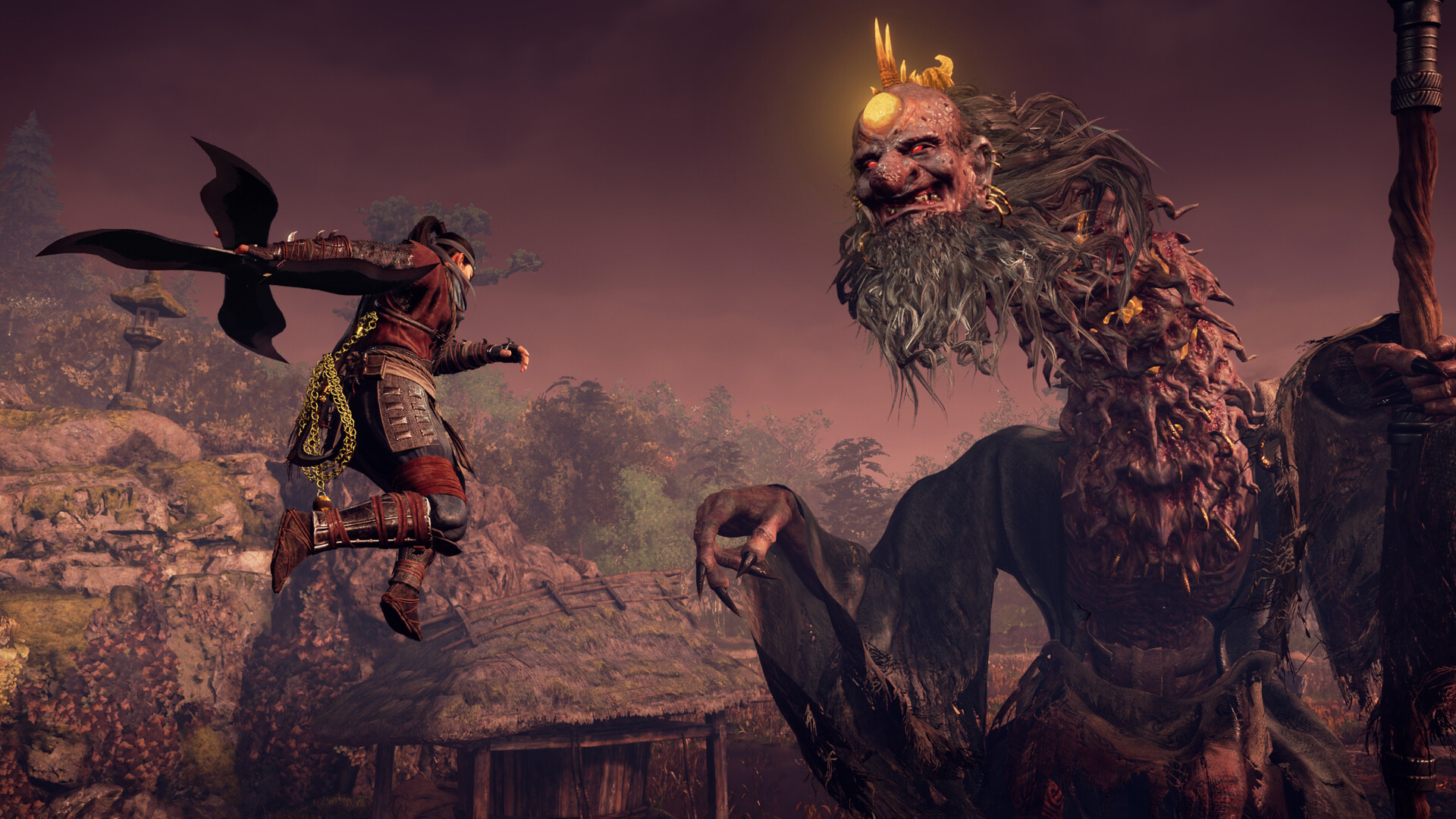
If you’ve ever tried to co‑op a Souls‑like, you know the pain. Nioh 3 shatters these barriers with a surprisingly user‑friendly multiplayer framework. Ghost summons, You can call upon the spirits of other players for assistance. The cost is cheap,just a handful of consumables that you’ll find aplenty, but more like we are used to in Souls-like.
Then you have adventures. Team up with one or two friends (or strangers) and explore together. The crucial difference is that all progress you earn—experience, loot, story beats—sticks to your own character, regardless of who hosts the session.
Seamless drop‑in/ drop‑out: You won’t be booted after a boss fight, just by winning, and you won’t lose any of your earned resources if you get disconnected.
Having finally found a Souls‑like that respects your time and progress while you play with friends feels like a revelation. The frustrations that made online co‑op feel like a gamble in games like Dark Souls or Elden Ring are largely eliminated here, making Nioh 3 the most accessible and enjoyable multiplayer experience in the genre to date.
Solid Performance, But Visual Variety Lags
Graphically, Nioh 3 leans into a stylized, somewhat muted aesthetic, think a palette of earth tones and sepia. The game runs buttery smooth on modern hardware, a non‑negotiable requirement for a genre where split‑second timing is everything. Environmental variety, here lies a shortcoming. While zones are distinct in layout, they tend to share similar color schemes and enemy silhouettes, making later areas feel less fresh. Even the boss designs occasionally blur together, lacking the visual flair that helps each encounter feel unique.
A more diverse art direction—different lighting, weather effects, or cultural motifs—could have made the open world feel richer and more immersive. As it stands, the visual repetition may cause fatigue for players accustomed to the vibrant ecosystems of other open world games.
Conclusion – A Flawed Yet Fun Fusion, Best Played With Friends
Nioh 3 isn’t going to dethrone the reigning titans of the Souls‑like genre, nor will it redefine open‑world design. It sits somewhere in the middle, taking the combat depth of the series, seasoning it with a dual‑class system, and wrapping it in a map and loot structure that feels more at home in a looter‑shooter.
If you’re a fan of loot‑heavy, min‑maxable action and you crave a co‑op experience that actually works, Nioh 3 delivers a surprisingly satisfying package. It may not be the most polished Souls‑like or the most breathtaking open world, but it offers something the genre has been missing for years—a genuinely enjoyable multiplayer adventure. Grab a friend, choose your favorite class, and dive into the chaotic fight for Japan’s soul, you’ll likely find that the sum of its parts is far greater than you expected.
Leave a Reply