
God of War: Sons of Sparta promises to be an ambitious blend of mythic storytelling and exploratory gameplay, aiming to carve out its own space within the Metroidvania genre. Boasting retro visuals and a rich narrative backdrop rooted in Kratos’s early years, the game sets high expectations. However, beneath its exterior lies a title that struggles to live up to its legacy, often sacrificing tight, instinctive gameplay in favor of aesthetic allure. The game is polished enough to be released under Sony’s banner, yet it often forgets the basics that make a Metroidvania feel tight and instinctive.
Lackluster combat
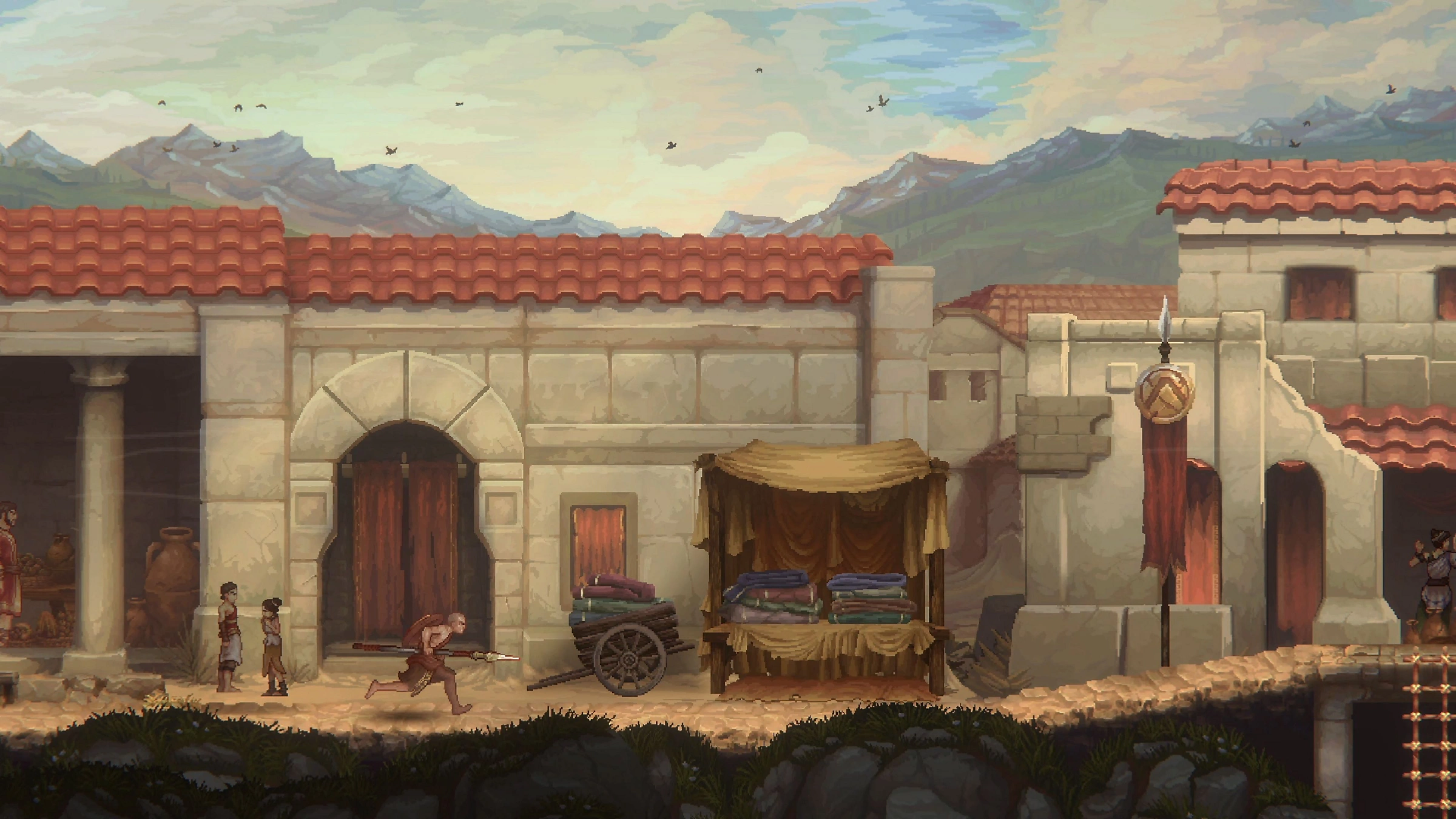
On paper, the God of War universe should be a perfect fit for a Metroidvania: sprawling mythic locales, a plethora of weapons, and a protagonist with a rich arsenal. In practice, Sons of Sparta settles for “okay.” The pacing is sluggish; movement feels deliberately heavy, and the combat system is surprisingly basic. Basic combos, predictable enemy patterns, and a lack of meaningful upgrades leave the battles feeling more like a chore than a thrilling showcase of Kratos’s prowess.
Modern Metroidvanias, Silksong, Ori and the Blind Forest, Prince of Persia: The Lost Crown, have pushed the genre’s combat and exploration into a dance of timing, strategy, and satisfying risk‑reward loops. Sons of Sparta doesn’t keep up. And the limited variety of enemy types makes the ten‑hour journey feel repetitive. By the third hour you’re confronting the same handful of foes with the same set of moves, and the sense of progression stalls.
Beautiful backdrops but lacking character design
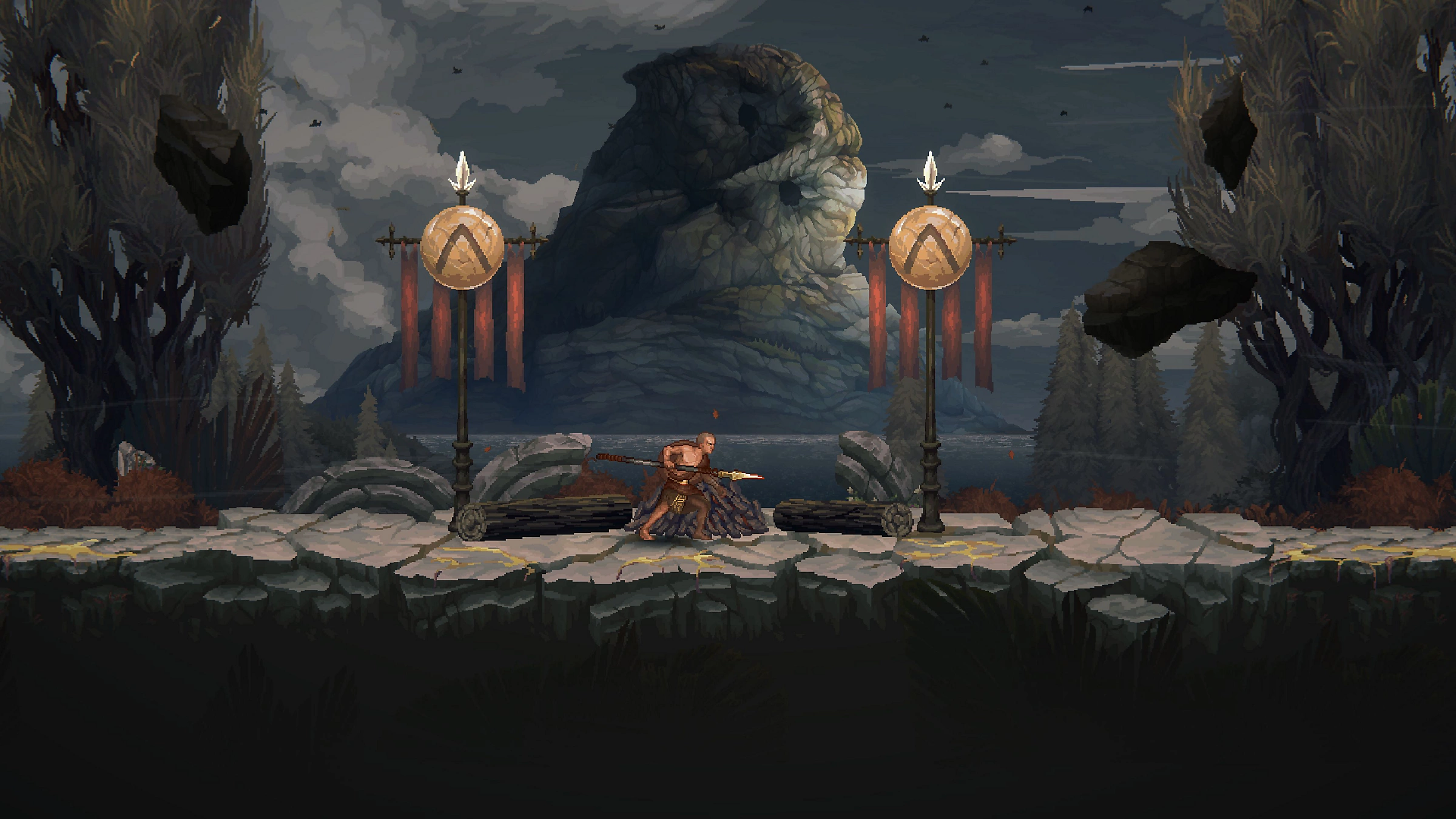
The backdrops are gorgeous, drenched in the warm, mythic palette. Birds glide across the sky, distant waterfalls churn, and the world feels alive in a way that many contemporary Metroidvanias lack. The environments breathe, offering a sense of scale that makes each new region feel like a discovery rather than a repetitive hallway.
However, visual beauty alone cannot carry a game that aspires to be more than a scenic side‑scroll. Compared to indie titles that achieve comparable fidelity with tighter design, the art direction lies on a foundation that never fully reaches the heights its graphics suggest.
A surprising shortfall lies in the character models. Despite Sony’s massive budget, many of the NPCs and even secondary enemies look less polished than those in indie games that rely on stylized art to hide technical limitations. Animations swing between fluid and oddly stiff; a perfectly smooth dodge can be followed by a clunky, robotic attack animation that breaks immersion.
Long loading times are an irritating reality throughout Sons of Sparta. Transitioning between zones often takes longer than it should, pulling you out of the atmosphere just as you’re beginning to get invested. Coupled with occasional frame‑rate dips in denser scenes, the technical polish feels uneven. In a genre that thrives on seamless exploration, these hiccups feel especially jarring.
A classic Disney game without modern QoL
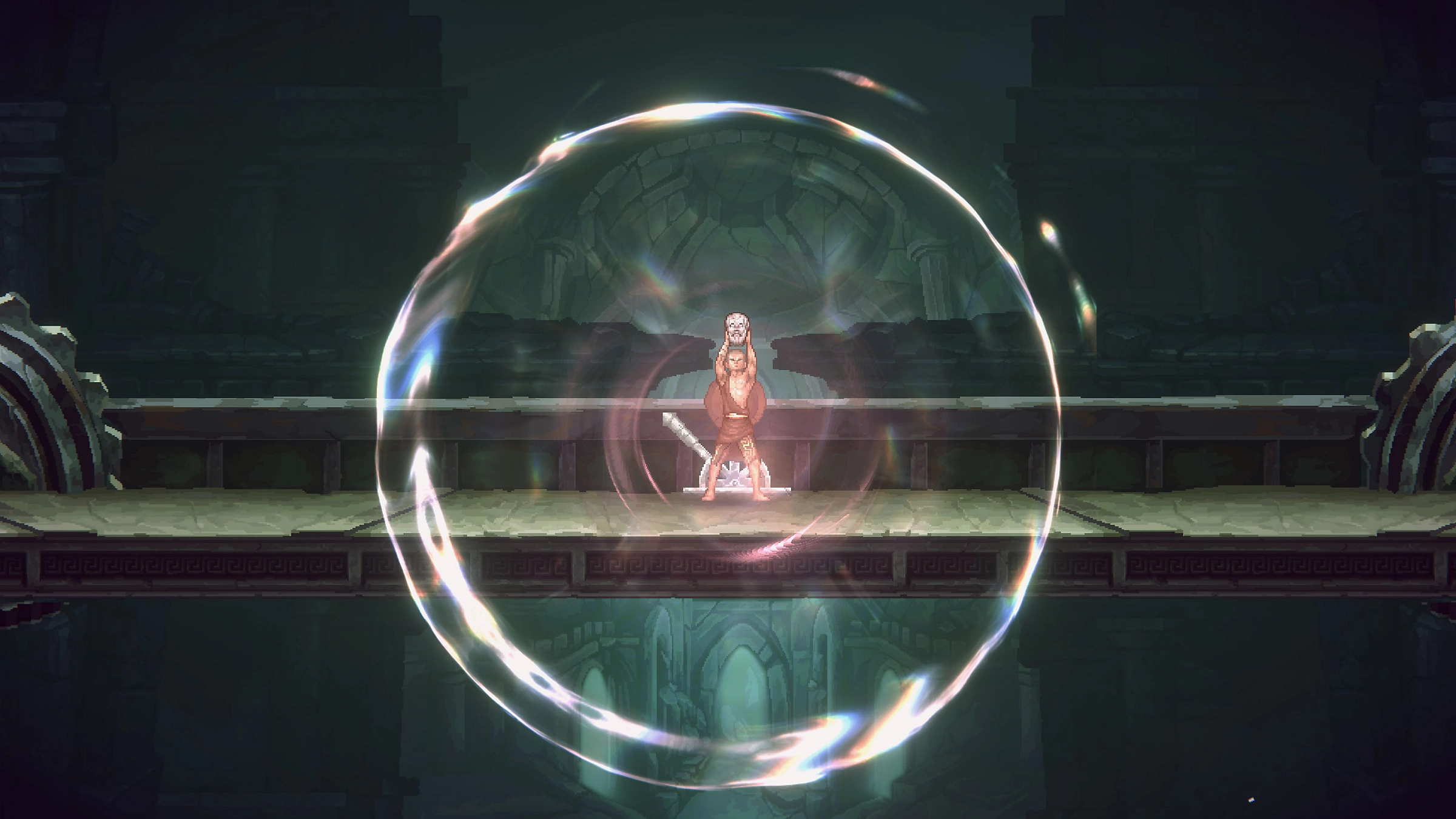
The game’s pacing suffers most noticeably at the start. Early parts linger on exposition and low‑stakes platforming, making it difficult for the title to find the rhythm that Metroidvanias need to stay compelling. The story itself is a decent foray into Kratos’s youth, an intriguing concept that offers a fresh perspective on an otherwise well‑trodden mythos. Yet the narrative feels more like filler than canonical expansion; it adds flavor but doesn’t push the overall lore forward in any meaningful way.
The sense of being an homage to classic Disney platformers, bright, whimsical set‑pieces with a focus on visual storytelling—clashes with the expectations for a modern, gritty God of War experience. The game tries to straddle both worlds, ending up in a limbo where it satisfies neither the hardcore Metroidvania fan nor the franchise purist.
When measured against recent genre leaders, Sons of Sparta falls short. Silksong delivers a crisp, layered combat system and a world that evolves with every new ability. Prince of Persia: The Lost Crown, another big‑studio Metroidvania, offers tight platforming, diverse enemy design, and a narrative that feels integral to gameplay. Sons of Sparta looks beautiful, but its mechanics and pacing remain stuck in an earlier era of game design. It feels more like a nostalgic tribute than a genuine evolution of the Metroidvania formula.
Conclusion
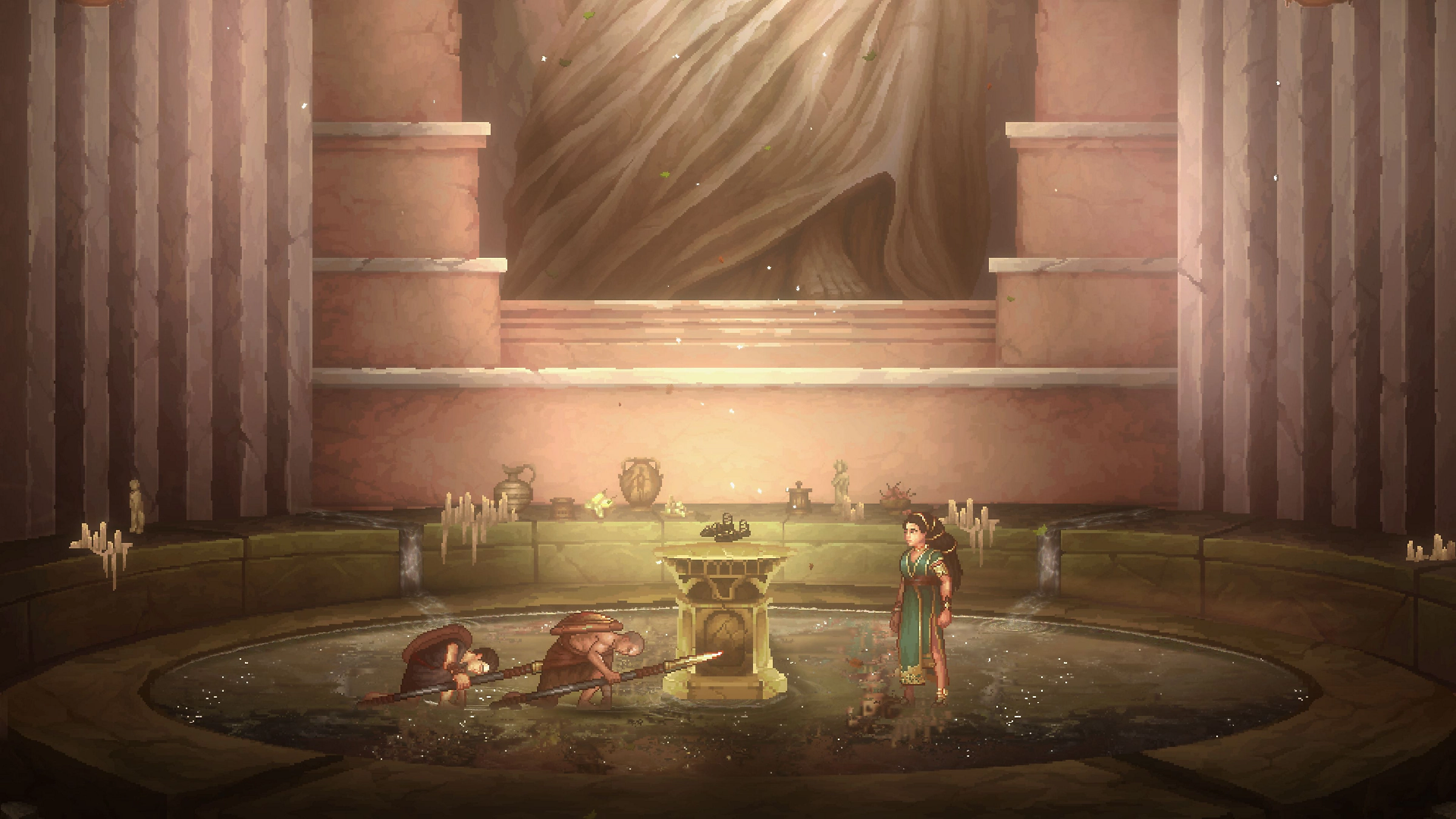
God of War: Sons of Sparta is a mixed bag. Its visual design might be lacking but the ambition to explore Kratos’s formative years are commendable, and the atmospheric backdrops look good. The game is hampered by clunky controls, sluggish pacing, rudimentary combat, limited enemy variety, and technical quirks that interrupt immersion.
For fans of the God of War narrative who are looking for a short side story, the title might be worth a playthrough. For anyone expecting a modern Metroidvania that leverages Sony’s resources to push the genre forward, the experience feels mediocre at best. In the end, Sons of Sparta serves as an intriguing concept that never fully realizes its potential, a beautiful shell housing a modest, under‑cooked gameplay core.
Leave a Reply