
Ever since their groundbreaking work on the original Max Payne, Remedy Entertainment has firmly established itself as one of the most distinctive and visionary developers in the industry. I still vividly remember the goosebumps elicited by the very first teaser trailer for Alan Wake, and I thoroughly enjoyed the underappreciated sci-fi ambitions of Quantum Break. Even my journey with the original Control was a slow burn; though we didn’t immediately click upon my initial playthrough, a return trip saw the pieces fall into place, leading me to scour every corner of the game for hidden lore and classified documents. Naturally, approaching a true continuation of that universe filled me with high expectations, albeit tempered by careful optimism. While Control Resonant ultimately feels a bit disconnected from the studio’s previous games, it still manages to introduce some genuinely fascinating ideas to the table.
Surreal Architectural Degradation
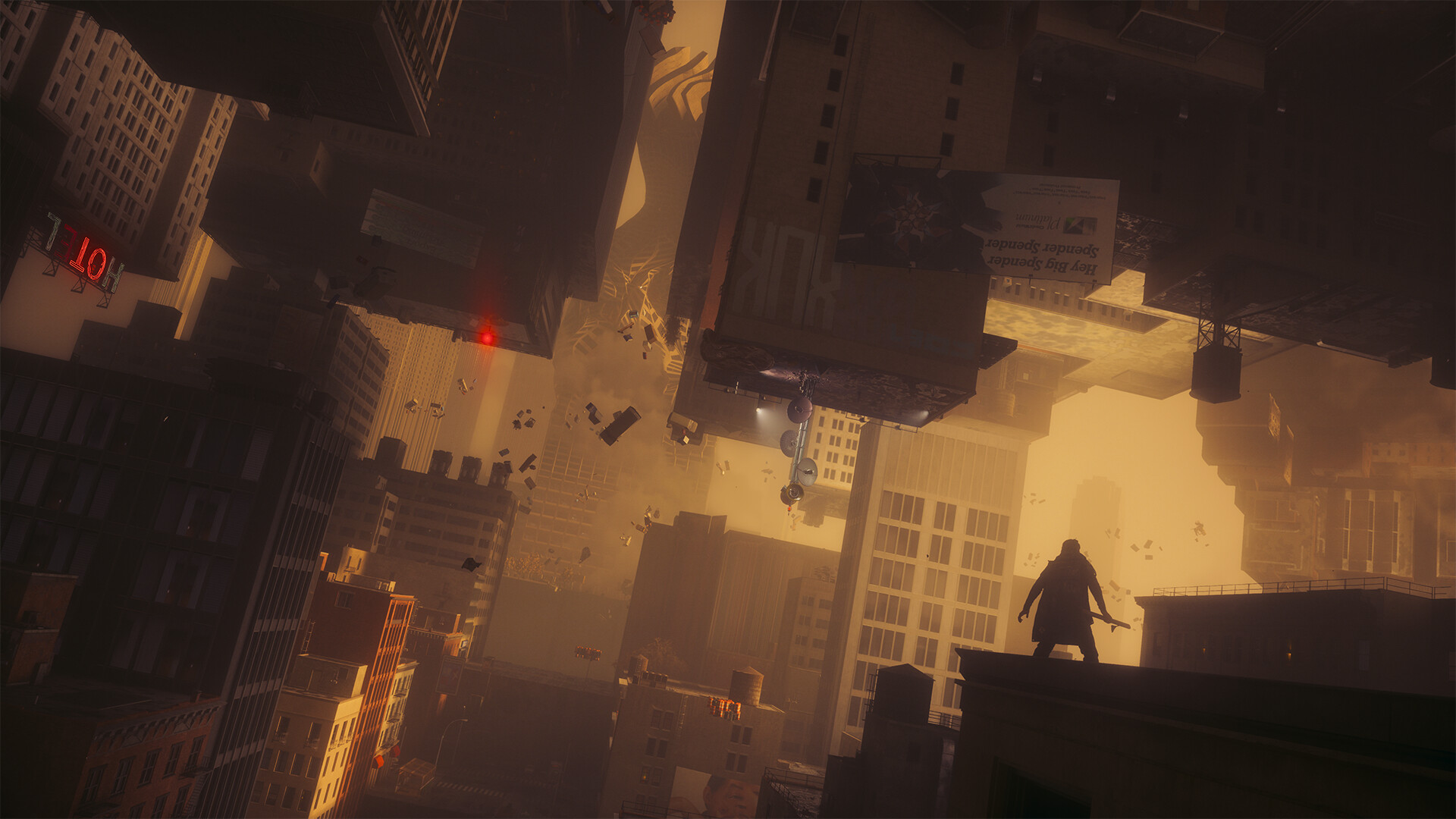
Control Resonant picks up immediately where its predecessor left off: the Hiss have breached the confines of The Oldest House, Director Jesse Faden has mysteriously vanished, and the burden of it all falls upon her brother, Dylan, the very same Dylan who wreaked havoc among Federal Bureau of Control agents during his prior containment breach. The stakes have now expanded dramatically, leaving Manhattan entirely sealed off and warped by reality-bending anomalies. Parts of the city are inverted, normal geography is thrown completely haywire, and loose Objects of Power roam the streets alongside aggressive Hiss entities.
The city itself, and its surreal architectural degradation as the game progresses, serves as the true centerpiece of the experience. It is an environment unlike anything else currently in the video game landscape, imagine the liminal dread of the Backrooms rendered on a blockbuster scale.
Despite this incredible premise, however, the narrative struggles to fully capitalize on its potential, ultimately culminating in a rather flat resolution. There is a compelling emotional undercurrent woven into the shared history of Jesse and Dylan, which eventually pays off in one of the most mechanically inventive and visually striking levels in any Remedy game to date. Yet, aside from their sibling dynamic, the driving force of the game for me was not the plot, which is usually Remedy’s strongest suit, but rather the morbid curiosity of seeing what insane environmental set-piece the developers would throw at me next.
Unfortunately, Dylan proves to be a remarkably unengaging protagonist. Aside from some crucial character beats near the end of the narrative, he feels painfully bland and stiff. Whether this emotional detachment was a deliberate narrative choice or a misstep in execution is debatable, but his dialogue and monologues suffer from uninspired writing. Coupled with a stiff vocal performance, I found it exceedingly difficult to connect with him or invest in his plight.
This character disconnect extends to the broader cast, which feels uncharacteristically weak for a studio renowned for its rich character writing. The only truly compelling “character” in the game is Manhattan itself. Yet, even as the urban landscape dynamically shifts and evolves throughout your playthrough, it ultimately fails to sustain the intoxicating atmosphere and singular identity that The Oldest House maintained in the original Control.
Combat With Friction
Where Control Resonant truly shines is its traversal system. Moving through the distorted cityscape feels magnificent from the outset and remains exhilarating right through to the credits. Most movement abilities are unlocked relatively early in the experience, turning navigation into an absolute joy. Whether you are mid-dash, soaring through the air, or manually manipulating gravity to flip the street above into the ground beneath your feet, the mechanics look stunning and feel even better to execute. Traversal easily stands as my favorite component of the gameplay loop.
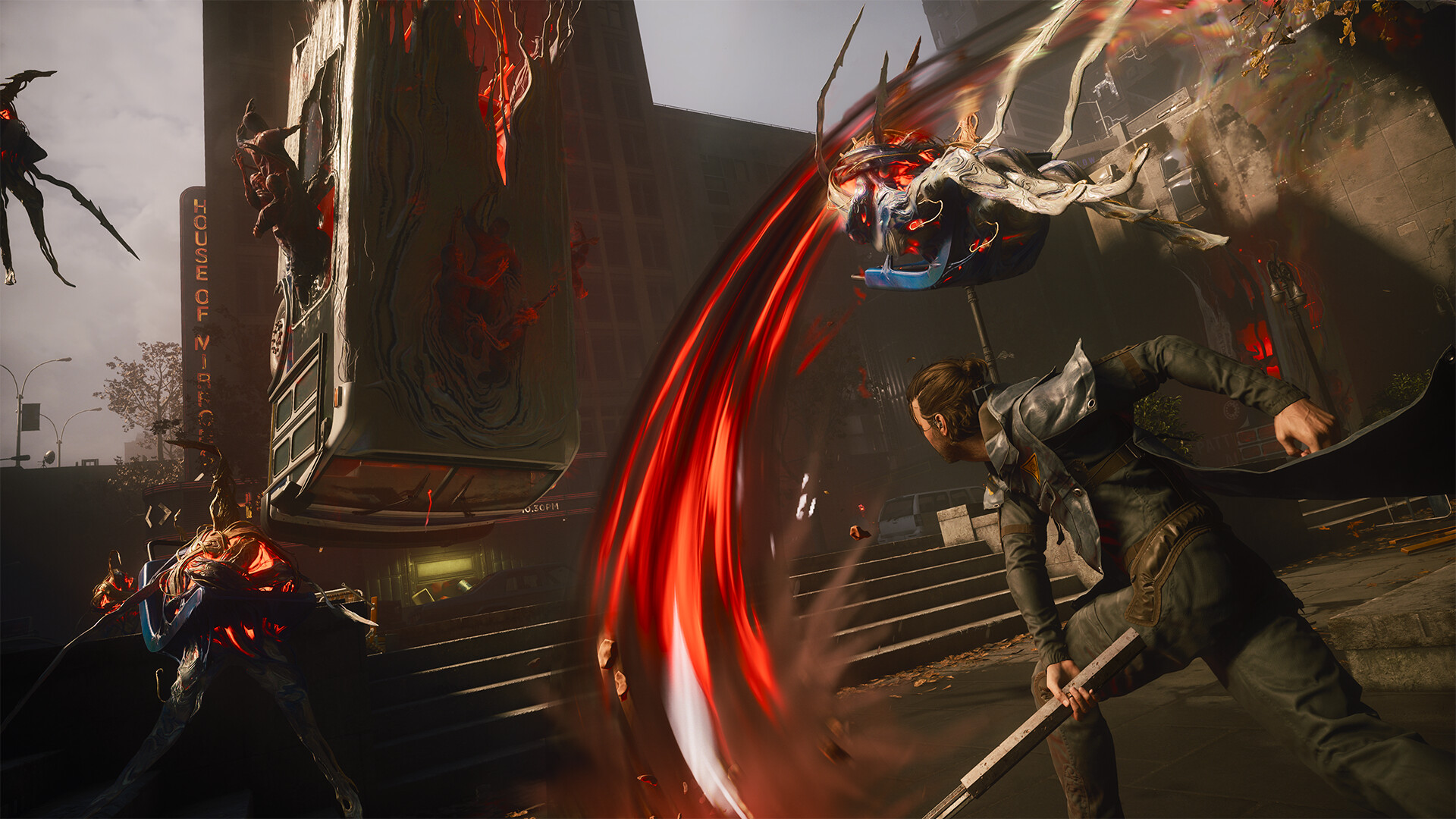
Combat, conversely, requires patience. It starts out feeling somewhat rigid and uninspired, but gradually blossoms into a satisfying system, provided you stick with the game long enough to reach the halfway mark. Once your full suite of traversal options and skill trees are unlocked, the combat opens up to accommodate a variety of playstyles. Players can spec heavily into raw damage output, focus on staggering enemies to trigger visceral execution animations, or experiment with specialized tactical builds.
The game introduces a dense web of overlapping combat systems and visual effects without much hand-holding. While this lack of direct instruction encourages organic experimentation with weapons and upgrades, it can initially feel overwhelming. By the end of the campaign, however, the combat sandbox coalesces into a responsive and rewarding experience.
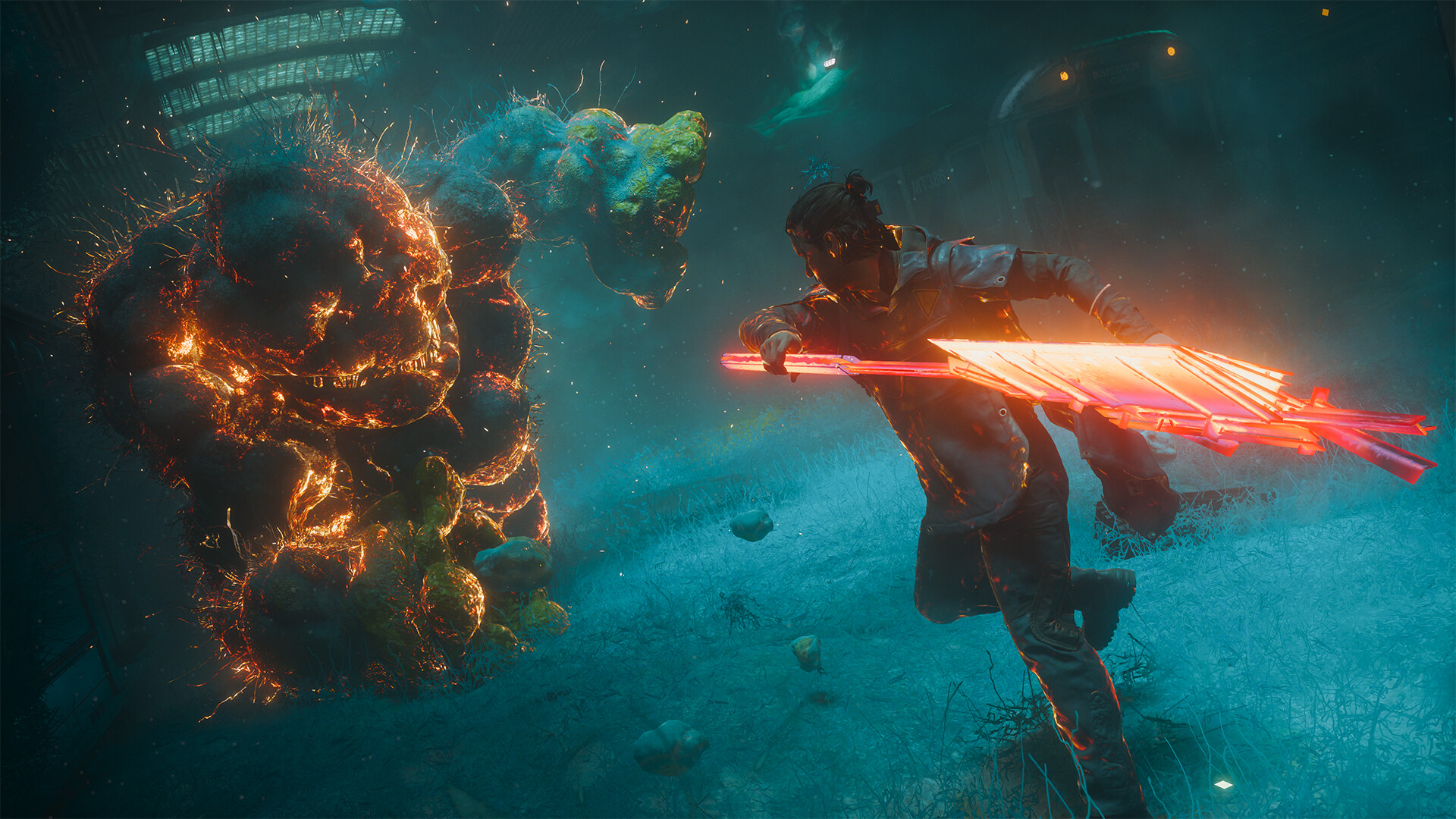
That said, the combat is not without friction. A prominent issue lies in enemy health scaling. Standard grunts and bosses alike suffer from a distinct bullet sponge syndrome, absorbing great amounts of damage that frequently stretches skirmishes past their welcome. While individual boss encounters boast breathtaking aesthetic set pieces and grand scale, their protracted health pools cause them to drag on, eventually transforming thrilling battles into tedious chores.
To their credit, the developers made a commendable design choice regarding player friction: Control Resonant features a robust suite of accessibility sliders. Allowing players to fine-tune variables such as incoming and outgoing damage ensures that the experience remains fluid without forcing tedious grinding or mandatory side activities just to stay level-appropriate. It is an exceptional feature that players should feel no hesitation in utilizing.
The open-world structure introduces a mixed bag of side activities and missions. Some side quests are exceptionally written and deeply engaging, while others devolve into mundane filler. The open world relies heavily on standard tropes, such as collecting scattered items or activating radio masts to clear fog from the map. Compounding this issue is the game’s tendency to occasionally gate main story progression behind these peripheral tasks, a design philosophy that rarely feels rewarding, as it blurs the line between mandatory narrative momentum and optional exploration.

Stiff Characters and Amazing Vistas
Visually, Control Resonant occupies an awkward space. Character models frequently appear stiff, and awkward facial animations undermine the high-budget cinematic aspirations Remedy is known for. The game’s proprietary engine appears to strain under the demands of a larger, more open-world environment, with character fidelity taking a noticeable hit. Fortunately, this technical constraint does not extend to the art direction; the sheer scale, imagination, and architectural design of the surreal environments are nothing short of breathtaking, serving as the high-water mark of the entire production.
In true Remedy fashion, music plays a pivotal role in setting the tone. While the specific soundtrack selections failed to resonate with me on a personal level, a rare occurrence for a studio with such a good musical track record, the placement of these tracks within natural diegetic moments is expertly handled. For players whose musical tastes align with the developers’ curation, these moments will undoubtedly elevate the atmospheric highs of the experience.
Conclusion
Control Resonant is a fascinating paradox: a bold, ambitious project willing to experiment with daring ideas, yet one that occasionally stumbles in its pursuit of a broader mainstream audience. It delivers moments of jaw-dropping level design and interactive spectacle that I have quite simply never seen executed anywhere else in the medium. Simultaneously, it relies on conventional open-world structures and a narrative arc that struggles to sustain momentum before ultimately fizzling out at the finish line.
I desperately wanted to love this game, and its steady upward trajectory makes it a much stronger experience in its latter half than its beginning. Even so, the journey left me with a lingering sense of emptiness as the credits rolled. Yet, when viewed as a stepping stone, the sheer ambition and creative risks taken in Control Resonant, combined with the studio’s rich pedigree, suggest that Remedy is actively laying the groundwork for what could ultimately become their greatest masterpiece yet.
Leave a Reply