
This seems to be the year of more realistic military shooters, yet Wardogs manages to stand out from the crowd with some refreshing new features, including a unique three-team dynamic and a heavy focus on cash management and teamwork. While it certainly takes a little time to get into Wardogs and there are a few kinks to iron out, it is already a great game in its current state. I have been thoroughly enjoying my time fighting for control in its tense control zones.
Tactical Warfare with Three Teams
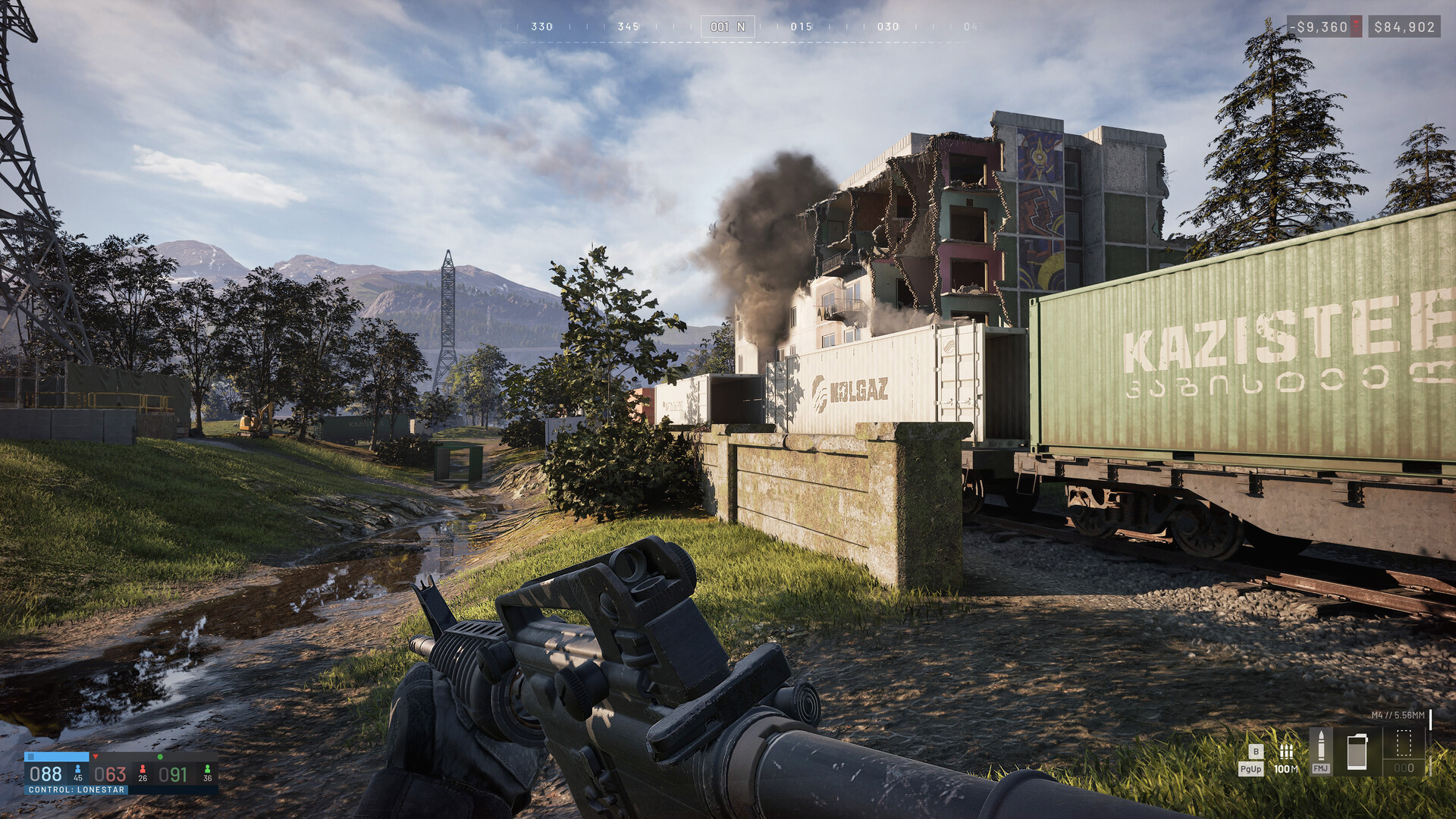
At its core, Wardogs is played with a massive one hundred players split evenly across three distinct teams, with the primary focus revolving around capturing and holding control zones. If your team has more players present in a zone than your opponents, you steadily gain points. Adding to the tension is a constantly moving hot zone that awards your team significantly more points if you can successfully hold it. This mobile hot zone naturally becomes the epicenter for some of the most intense firefights in the game.
However, having three competing teams instead of the standard two adds an extra layer of deep tactics to every match. It creates a fascinating strategic choice between pursuing slow, steady points or risking it all for fast points in the hot zone, depending entirely on where the other two opposing teams are currently focusing their efforts.
During one memorable match, my team decided to largely stay out of the chaotic hot zone, leaving only a small, dedicated fireteam there to keep the enemy distracted and the gunfire going. Because the other two enemy teams were relentlessly killing each other in that central grinder, it was an absolute breeze for us to slip away with the win by accumulating points at a slower, safer pace.
Cash is King: Economy and Teamwork
In Wardogs, you step into the boots of a gun for hire, which makes cash the undisputed king of the battlefield. You begin your mercenary career with a starting fund of $10,000, and literally everything costs money: weapons, ammunition, attachments, and specialized equipment. Crucially, your money carries over and remains consistent throughout the matches. This permanence makes it vital to always manage your finances carefully; otherwise, you risk starting a match completely broke and devoid of any weapons.
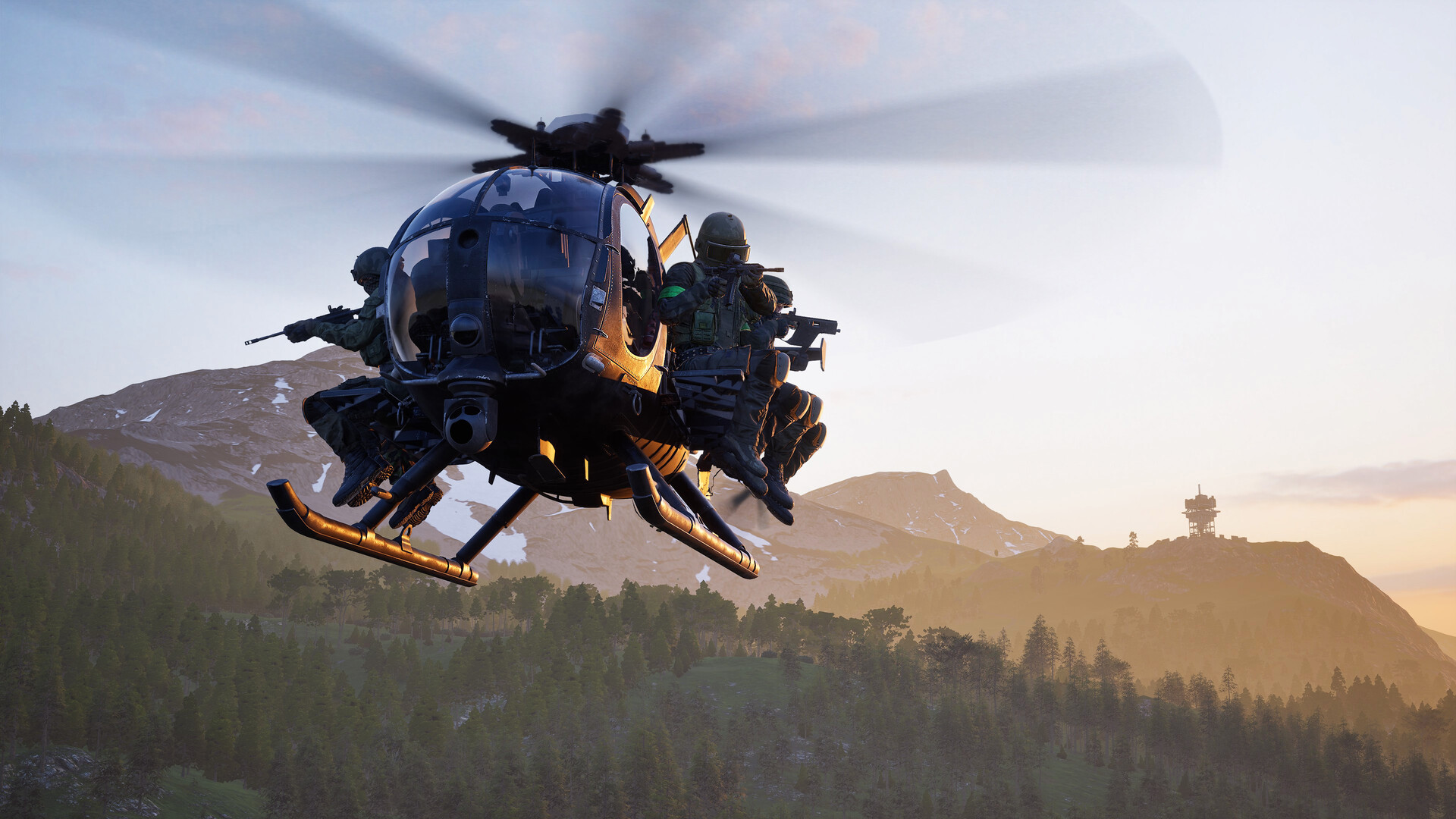
You earn money simply by playing the game, with the primary payout coming from helping your team succeed. Holding control zones, eliminating enemies, and actively doing everything you can to support your squad generates funds. Because it can sometimes take a while to travel from a distant respawn point back to the heart of the action, resourceful players have naturally stepped up to take on the role of helicopter drivers, rapidly ferrying troops from the starting area straight to the front lines. Upon safely dropping off their passengers, grateful players can even tip these pilots for the ride. Overall, earning money feels entirely natural and fluid; as long as I was actively contributing to my team’s success, I consistently generated enough cash to stay comfortably in the black.
Striking the Right Balance and Current Growing Pains
Wardogs manages to walk a very fine line, balancing brilliantly between the fast-paced arcade action of Battlefield and the hardcore military simulation of Arma. This sweet spot makes it a game that successfully draws in players from both camps, and almost everyone in the community seems to be genuinely enjoying themselves, myself included.
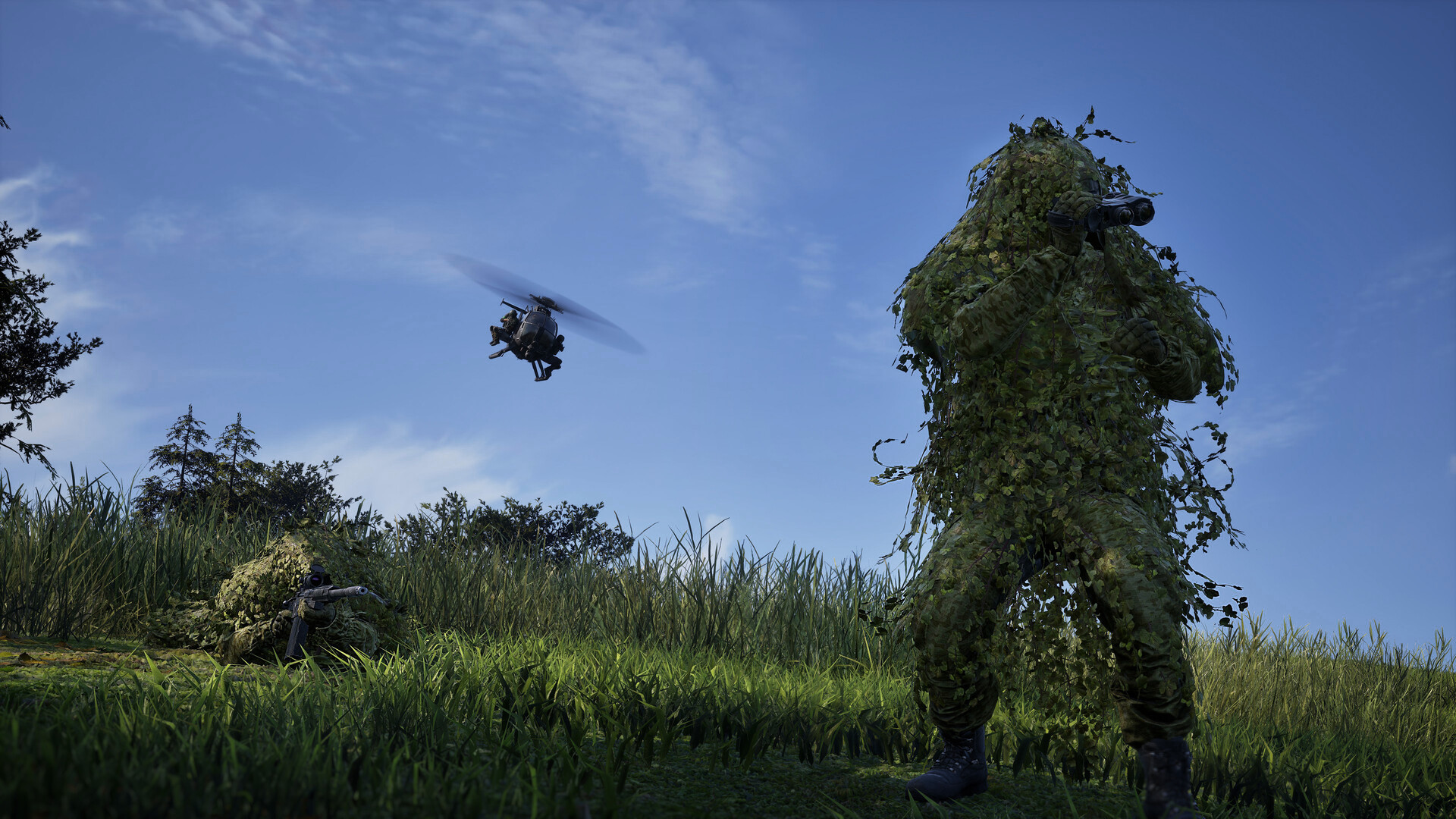
Of course, being an early access title, it does have a few issues to address. One big problem right now is how much of the vast map feels largely unused, as nearly half of the players tend to camp out with sniper rifles on the periphery. This pacing issue prevents firefights from happening on the grand scale that would make the game even better. Because of the sniper dominance, a lot of the close-quarters fighting repeatedly happens in the exact same places. Here is hoping the developers manage to update the map design in a way that forces more dynamic movement across the terrain and reduces the prevalence of long-range camping.
Furthermore, Wardogs lets you construct defensive fortifications, such as forward operating bases, sandbags for cover, and other structures. While I really like the concept of base-building, the current execution feels a bit stiff and weird. Even after trying it out in the tutorial, it remains difficult to intuitively know what to build, how to build it, and where it should be placed. Fortunately, this is something I fully expect to be streamlined and polished before the full release of the game.
Conclusion
Wardogs do take a pretty hefty chunk of time to truly get into. While it stops short of being a fully immersive, uncompromising military simulation, it still demands patience to learn its systems before it clicks and becomes genuinely fun. But once you cross over that initial learning curve, the experience is immensely rewarding.
There are certainly a lot of minor bugs scattered across the battlefield, but thankfully nothing major, game-breaking, or crash-inducing that hampers the fun. It is a remarkably strong start for an early access title, and I eagerly look forward to seeing how it evolves.
Leave a Reply