
Taking inspiration from titans of the industry such as The Elder Scrolls and Fable, while infusing world-building reminiscent of dark fantasy staples like Warhammer, is an incredibly ambitious undertaking for any studio, let alone an indie team of just seven people. Yet, against the odds, Titan Roc has delivered an open-world experience that, for the most part, succeeds in capturing the magic of its influences. After spending over 20 hours traversing the world of Leyda, I am happy to report that Forsaken Realms: Vahrin’s Call is a compelling journey, even if it comes with a few predictable caveats.
A Straightforward Tale in a World of Contrasts
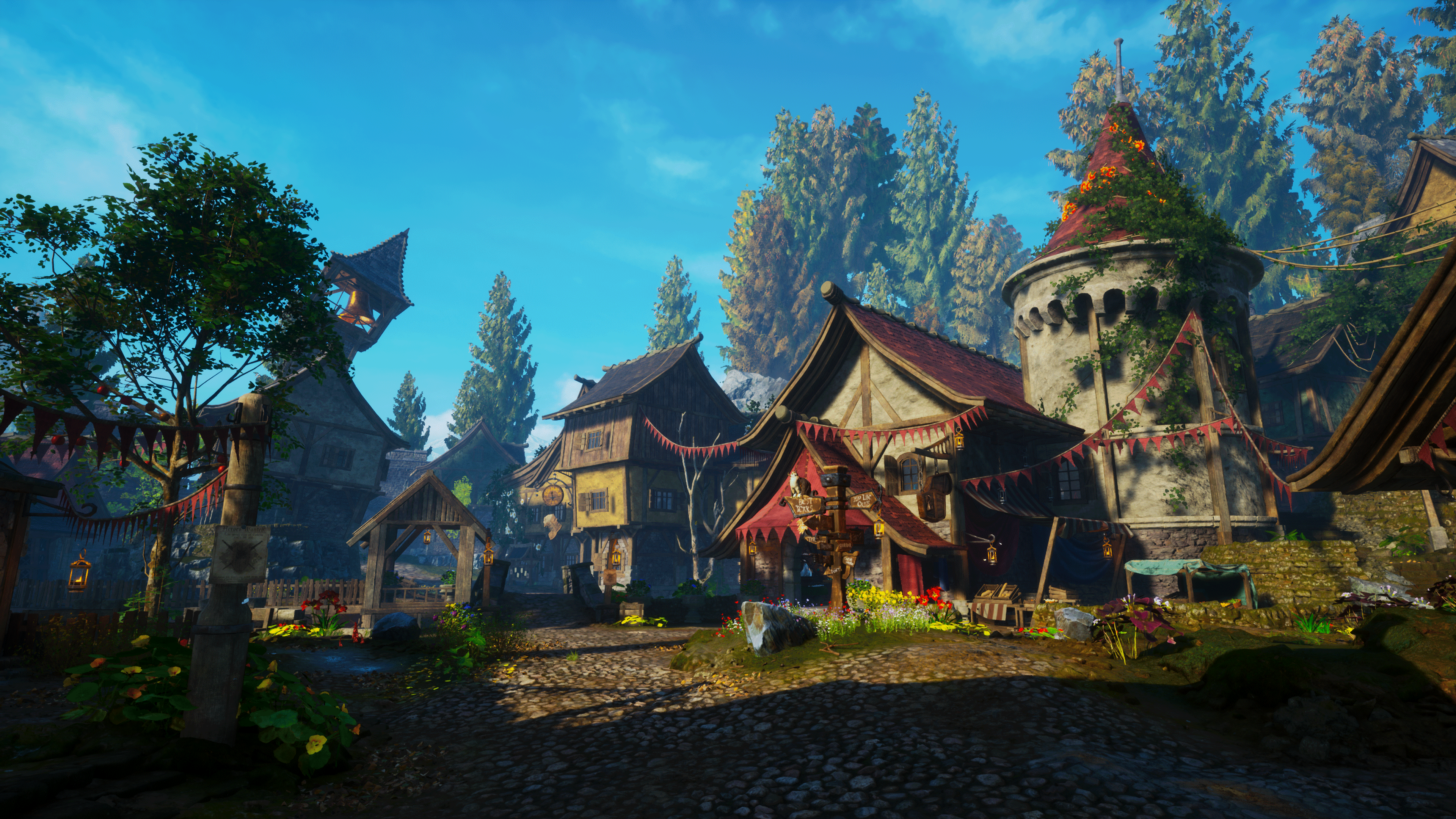
Forsaken Realms: Vahrin’s Call drops players into the world of Leyda, a land divided between an eternal, scorching sun and a realm of endless darkness. The central conflict focuses on the city of Vahrin, and you take on the mantle of a mercenary hired to liberate it.
To be clear, the story is straightforward fantasy fare. It rarely surprises, adhering strictly to classic tropes and established narrative beats. However, I hesitate to call this a negative. In an era of overly convoluted plots, Vahrin’s Call functions like narrative comfort food. The foundational world-building is solid, and I found myself genuinely intrigued by the potential lore of Leyda, hoping for deeper glimpses into its history in future games.
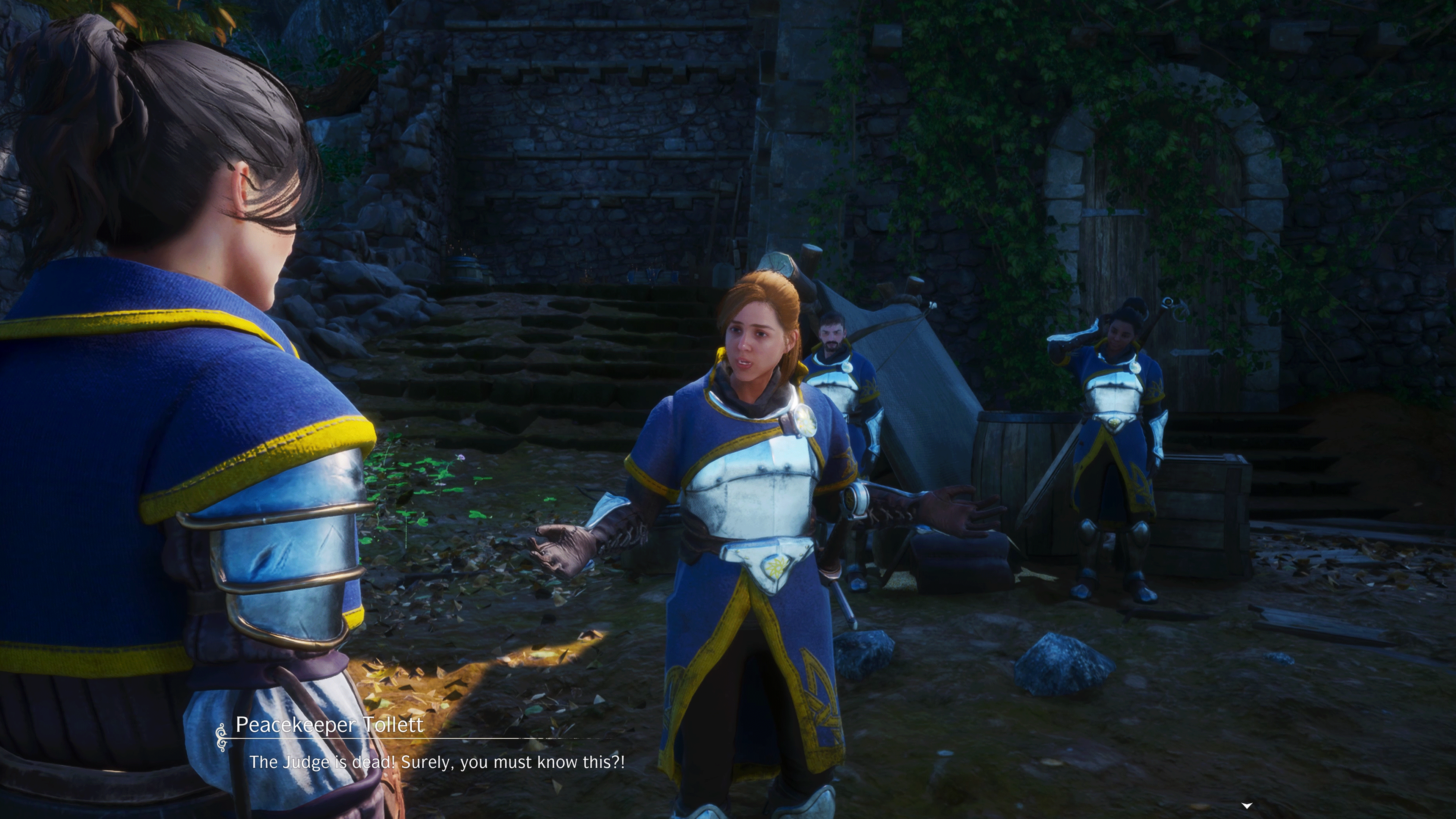
That said, the actual inhabitants of this world are a different story. While the setting is interesting, the characters you meet are unfortunately bland and forgettable. I struggled to name a single NPC encountered during my journey; their writing feels thin, and the game’s graphical engine, specifically the stiff, unexpressive facial animations, does nothing to endear them to the player.
The Joy of Exploration
If the story is the bread, exploration is the butter. Vahrin’s Call is fundamentally a game about wandering, discovery, and soaking in the atmosphere, and in this regard, it succeeds admirably. The map is segmented into various zones, each offering a distinct environmental flavor.
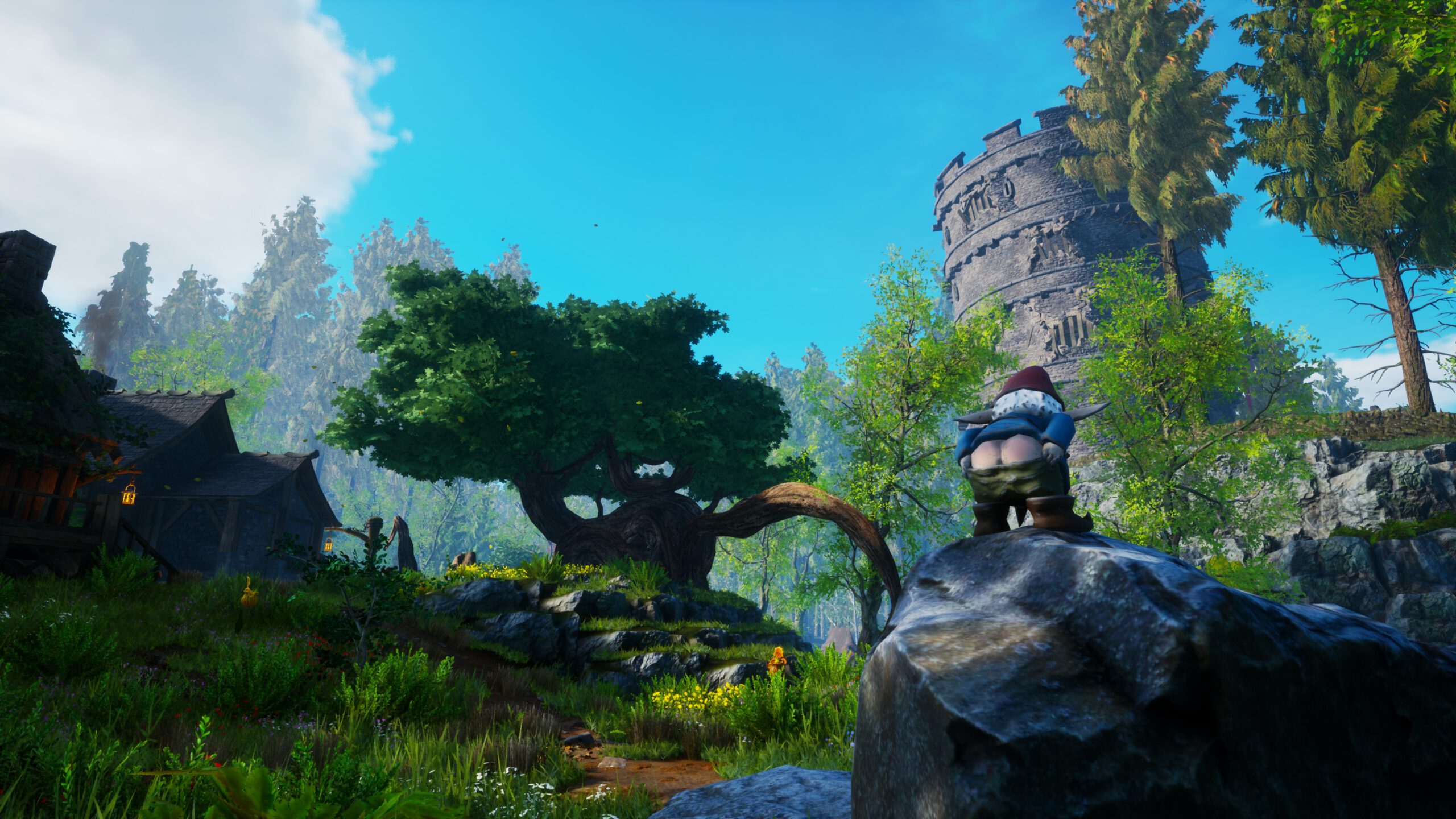
While the indoor environments, particularly the mines and dungeons, feel a bit repetitive and uninspired in their design, the open-air regions are magical. Roaming through the lush, vibrant woods brought back the exact sense of wonder I felt when playing Fable for the first time. There are plenty of delightful distractions, such as smashing quirky Gnome statues or engaging in varied, non-calamitous side quests. It is a world that invites you to lose track of time.
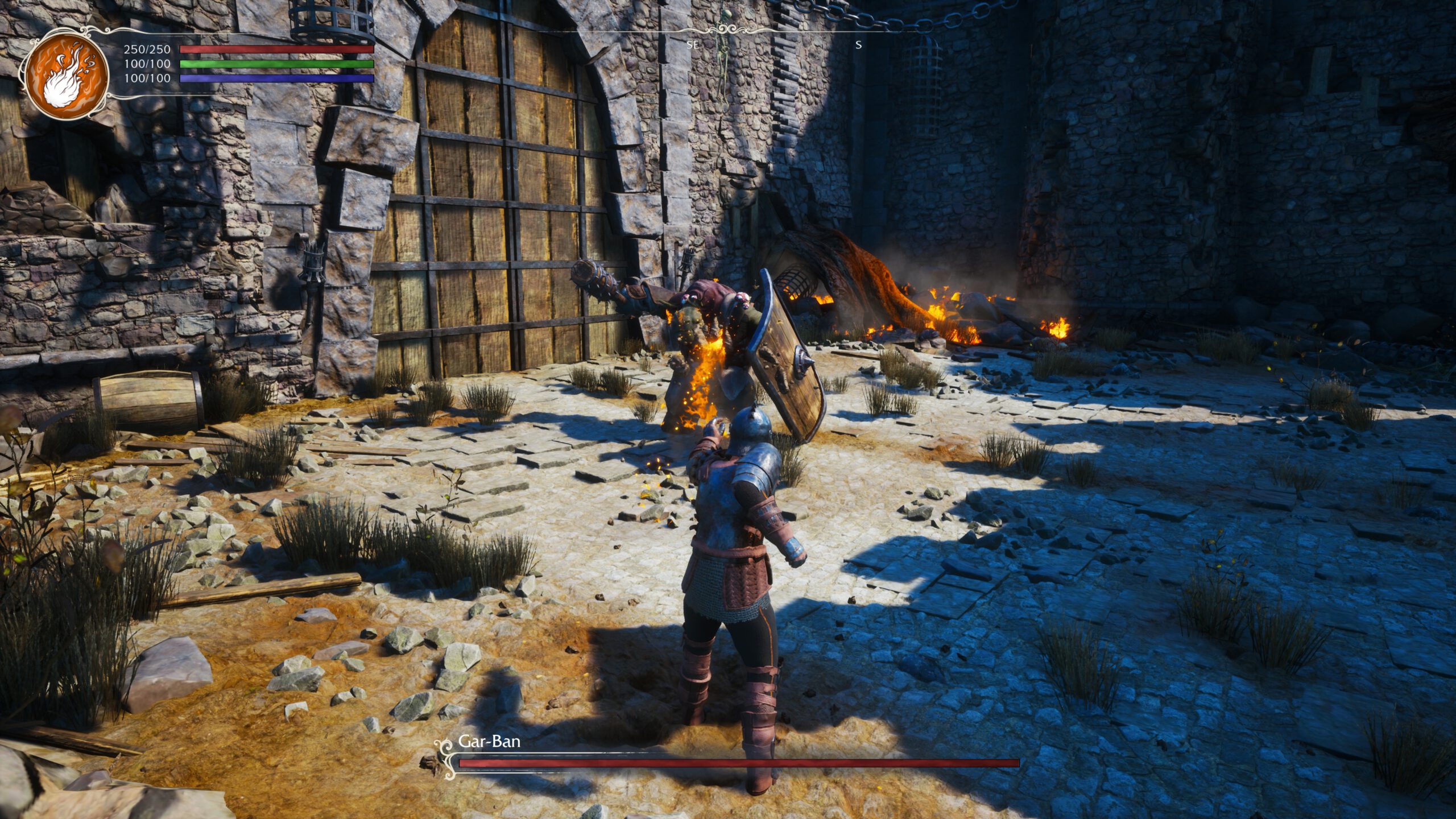
Combat, too, is a highlight, though it takes a surprising turn. While you have access to standard melee, ranged, and magical attacks, along with blocks and rolls, encounter design leans closer to a souls-lite experience than a traditional open-world RPG. The game can be quite challenging; charging headlong into a large group of enemies is an easy way to meet your end. Instead, success requires patience: drawing enemies out, managing your positioning, and engaging in tactical skirmishes of two or three foes at a time. I found this level of engagement refreshing. It forced me to be attentive rather than just button-mashing, though I suspect those who prefer a more relaxed experience might find one on easier difficulty levels.
Progression is handled via a classless system. Instead of picking a rigid archetype at the start, your character evolves naturally based on how you play. Using specific weapons and skills advances those respective trees, and as you level up, you spend points to further customize your build. By the end of my 20-hour stint, I felt a genuine sense of ownership over my character, knowing that my combat style was a direct result of my personal play choices.
A Stylized Visual Landscape
Visually, Vahrin’s Call opts for a stylized, cartoonish aesthetic. It draws clear inspiration from the Fable series, with a touch of the Kingdom of Amalur re-release present in its vibrant color palette and character silhouettes. The outdoor zones are genuinely beautiful, and I never tired of running through the deep, lush forests.
However, the disparity in quality between the exteriors and the dungeons is noticeable. The indoor areas feel like they were culled from a different design philosophy; they lack the cozy, lived-in fantasy charm of the overworld, appearing visually homogenous and somewhat sterile in comparison.
On the audio front, the soundtrack is stellar. It features sweeping, melodic tracks that feel right at home in a high-fantasy setting. The music effectively builds that “power fantasy” vibe, making the player feel like a true hero embroiled in a grand, legendary adventure.
A Comforting Escape
If you are currently feeling the void left by a lack of classic, semi-open-world fantasy RPGs, you don’t need to look much further. Forsaken Realms: Vahrin’s Call isn’t as polished, expansive, or narratively complex as the heavy hitters that inspired it, but it scratches an itch that few modern games attempt to reach.
It functions as the ultimate “comfort food” RPG. It isn’t necessarily the best game released this year, but it evokes a sense of nostalgia and cozy adventure that is incredibly welcome in today’s gaming climate. For those longing for a new, semi-open fantasy world to lose themselves in for a few weeks, Vahrin’s Call is a journey worth taking.
Leave a Reply