
Gothic is one of those rare, hallowed series that maintains a fiercely loyal fan following, even if it never quite reached the mainstream heights of other RPG behemoths. For those of us who spent countless hours lost in the original’s gritty atmosphere, returning to the Gothic 1 Remake feels like visiting a home that has been masterfully renovated but still retains its original, stubborn soul.
Playing through this remake, which is clearly designed to stay as faithful to the original vision as possible, serves as a poignant reminder that while many modern gaming conveniences are welcome, there is a specific, raw quality to the original Gothic that remains elusive in today’s polished, streamlined market. Not everything was better back in the day, but Gothic 1 still possesses a certain magic, a sense of place and difficulty, that I find myself missing in many contemporary titles.
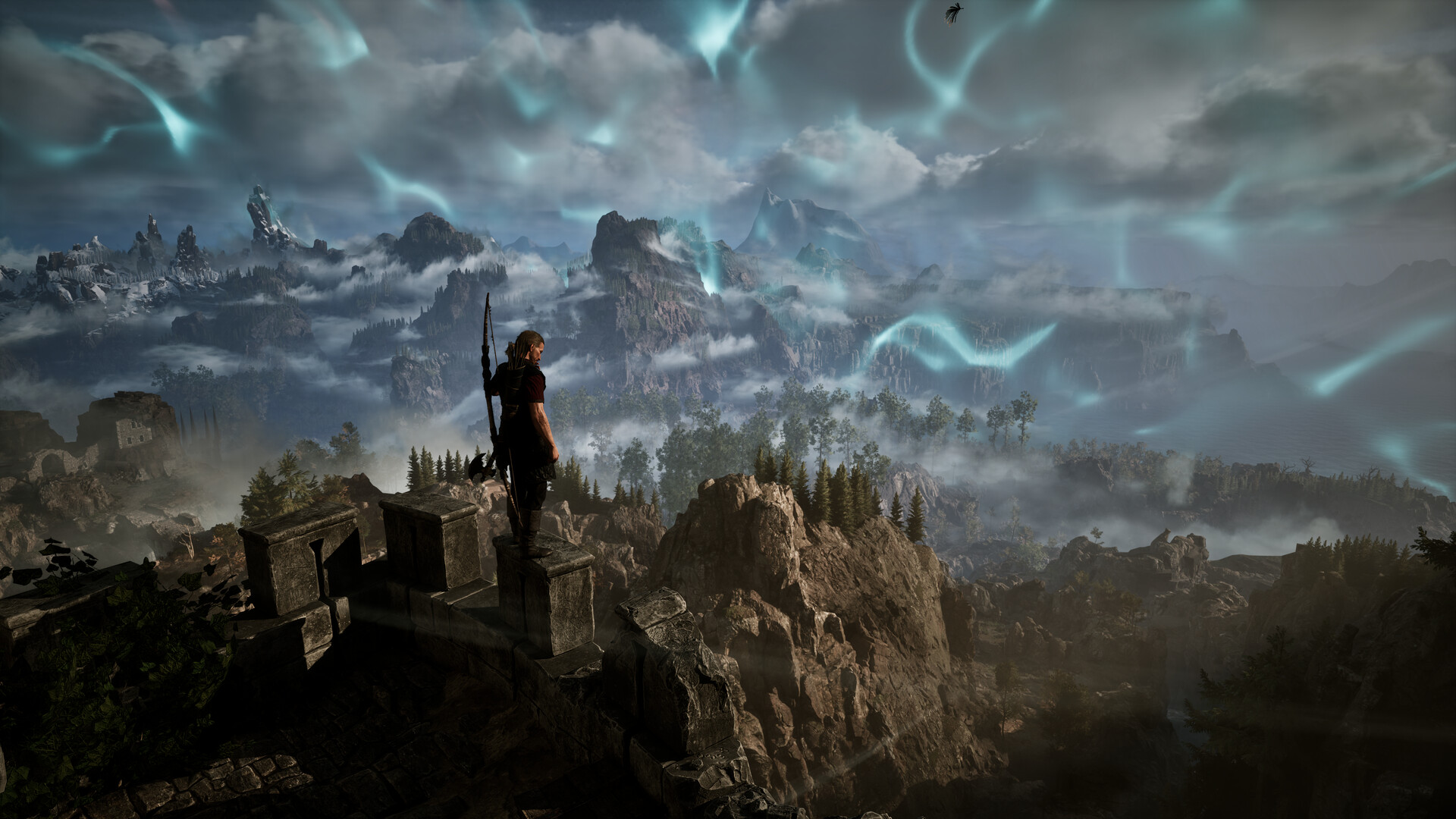
Life Inside the Bubble
The narrative premise remains as compelling as ever. Set in the Kingdom of Myrtana, the world is under siege by invading Orcs. To fuel the war effort, the King demands vast quantities of magical ore, mined by prisoners, leading to the establishment of a massive magical barrier surrounding the mines. The spell went horribly wrong, creating a dome that trapped everyone inside.
You play as an unnamed convict thrust into this lawless, self-contained society. The world inside the dome has its own political hierarchy, divided into competing factions that you must navigate. The Gothic 1 Remake allows you to forge your own path through this landscape. While the game markets itself on the idea that your actions have ripple effects throughout the world, it often feels more static than dynamic. However, this never truly detracts from the experience; the joy is found in the micro-stories you encounter and the personal adventures you create for yourself within this high-stakes prison.
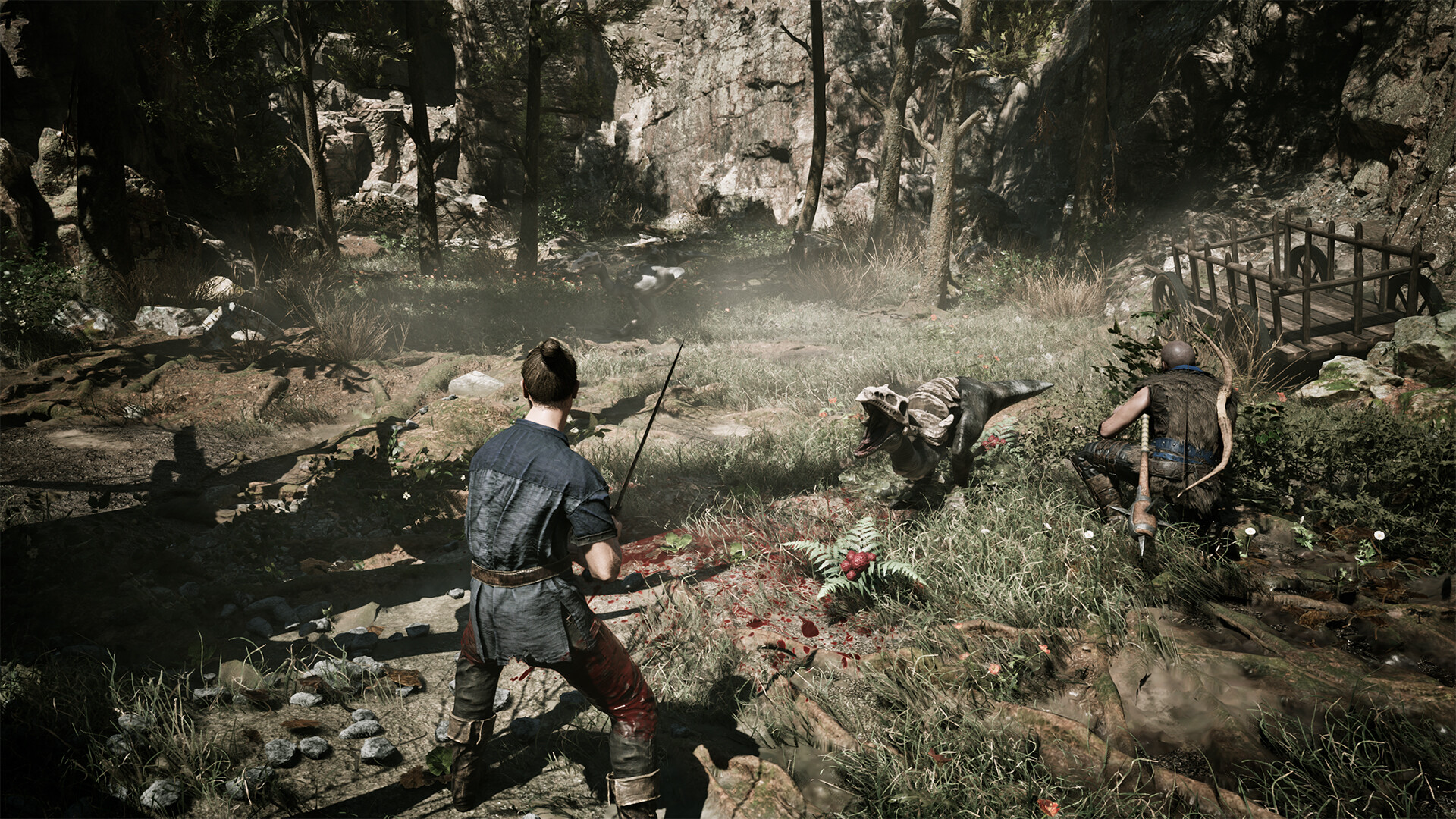
The Price of Survival
Gothic 1 is an open-ended, open-world RPG that requires a high tolerance for frustration. While there is a clear narrative thread, the game grants you the freedom to wander, poke, and pry, often to your own detriment. This is a genuinely difficult game, especially in the early hours. At the start, nearly everything in the valley can, and likely will, kill you.
The progression loop, however, is immensely satisfying. It takes a long time to feel powerful, but when you finally gain the strength to dismantle an enemy that terrorized you for the first five hours of gameplay, the sense of accomplishment is palpable. The game rewards curiosity; almost every corner of the map holds a secret, a piece of gear, or a deeper layer of lore. That said, the remake inherits some of the original’s structural flaws: sequence breaking can be dangerous. Doing something “out of order” can occasionally trigger bugs that lock you out of quest lines, which is a frustrating reminder of the game’s age-old architecture.
The combat system, which felt stiff in the original, remains fundamentally off in the remake. It is important to temper expectations here: this is not a fluid action game. Don’t expect to master a deep, frame-perfect combat system. Instead, the game expects you to evolve through stats, better equipment, and character growth.
Unfortunately, the transition to modern technology has brought a new menagerie of bugs. You won’t find the exact glitches from 2001, but you will encounter a fresh set of headaches. NPCs frequently get stuck in geometry, refuse to leave after quest completion, or turn hostile for no apparent reason. Mixed with occasional crashes and noticeable stuttering, the technical state of the game can be an immense barrier to immersion.
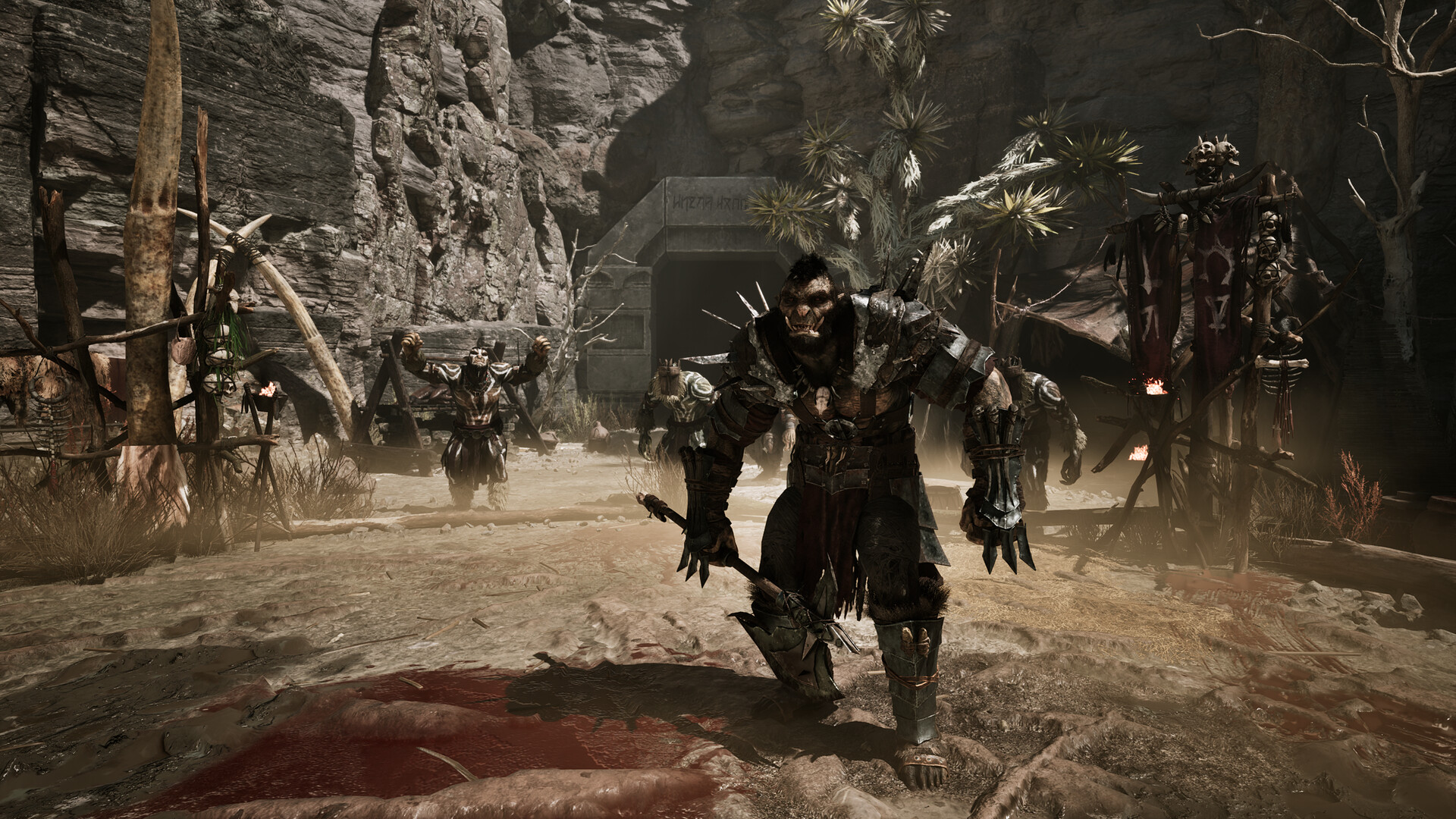
A Visual Feast with a Muted Voice
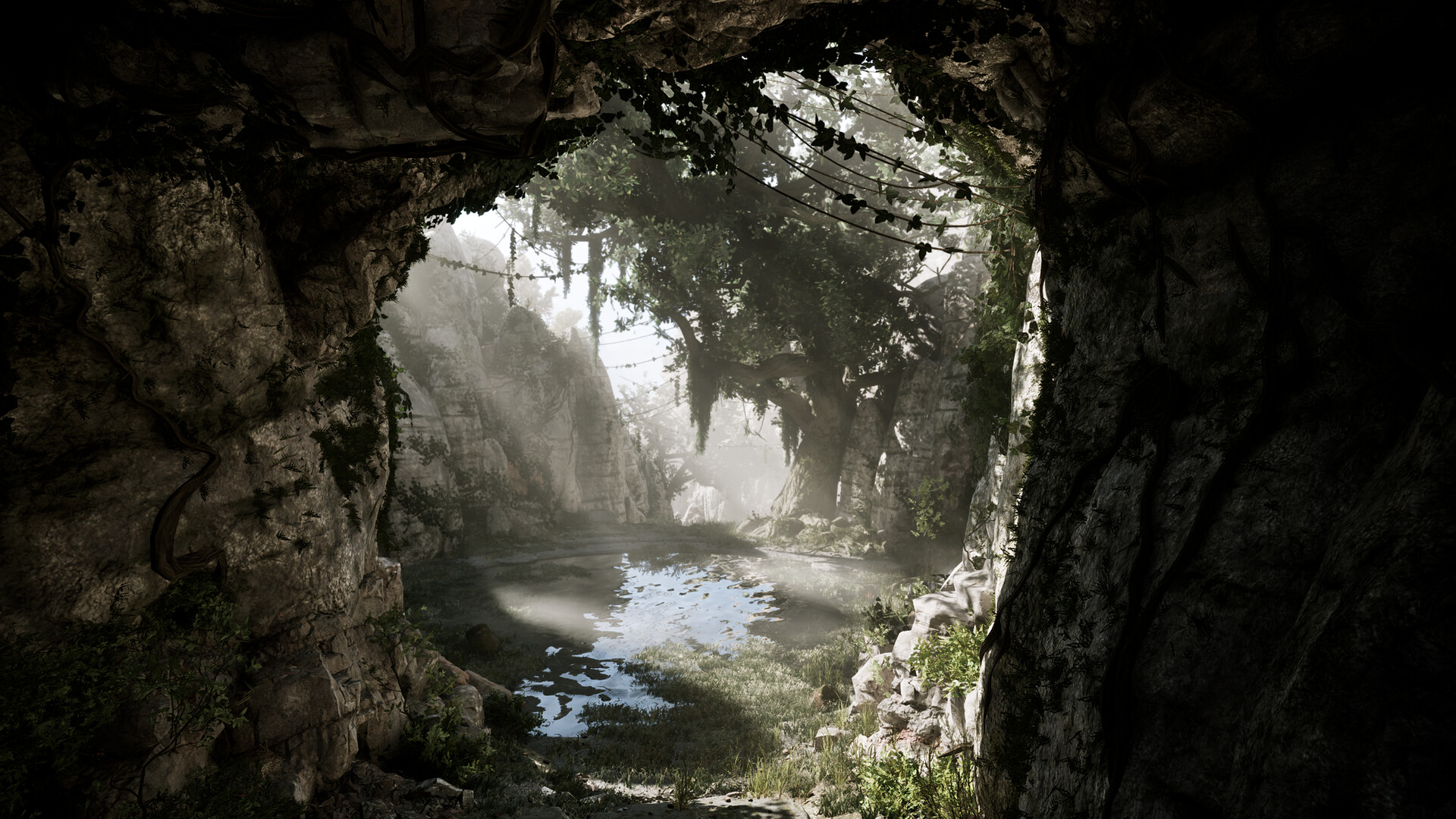
The presentation is undoubtedly the remake’s greatest strength. It is visually stunning, elevating a classic title to modern standards. From the way light filters through the canopy of the forest to the ominous glow of the magical barrier, exploring the world is a genuine treat. The UI has been overhauled, making inventory management and navigation feel significantly smoother than the clunky systems of yore.
However, the voice acting does not share the same quality as the visuals. The performance of the main character is particularly wooden, often sounding as if he is reciting lines for the first time rather than inhabiting the role. At times, the delivery is so jarring that I found myself muting the game just to maintain immersion. Furthermore, while most animations are high quality, there are moments, such as climbing or interacting with objects, where characters seem to suffer from poor positioning or sluggish responsiveness, which can break the illusion of the world.
A Rough Diamond Worth Polishing
The Gothic 1 Remake is a project born of love and respect for a legendary piece of gaming history. If you are a fan of the original, this is an essential journey back into the valley; it captures the tone, the difficulty, and the freedom of the source material with impressive fidelity.
If you are a newcomer accustomed to the hand-holding of modern open-world RPGs, be warned: this game demands much more from its players. It is a challenging, sometimes buggy, and often punishing experience. If you can stomach the technical hiccups and are willing to put in the effort to master its systems, you will find a world that feels more alive and dangerous than almost anything else on the market. For those less patient, it may be wise to wait for a few more patches to allow the game to mature. Either way, the Gothic 1 Remake is a welcome return to a world that, despite its rough edges, remains iconic.
Leave a Reply