
When There is No Game: Wrong Dimension first graced our screens, it felt like a glitch in the simulation of gaming. It was a title that defied simple categorization, existing as a beautiful, frustrating, and hilarious enigma. Trying to explain it to a friend usually resulted in a confused look, followed by the only advice that truly mattered: “You just have to play it for yourself.” Its puzzles were unconventional, its narrative shattered the fourth wall with abandon, and it felt like a lightning-in-a-bottle experiment that could never be replicated.
However, the creators at Draw me a Pixel have returned to prove us wrong. With Crushed in Time, they have dove back into the chaotic, self-aware universe they established, revisiting characters we met in Wrong Dimension to craft something that feels both like a familiar embrace and an entirely new innovation.
A Story Within a Story
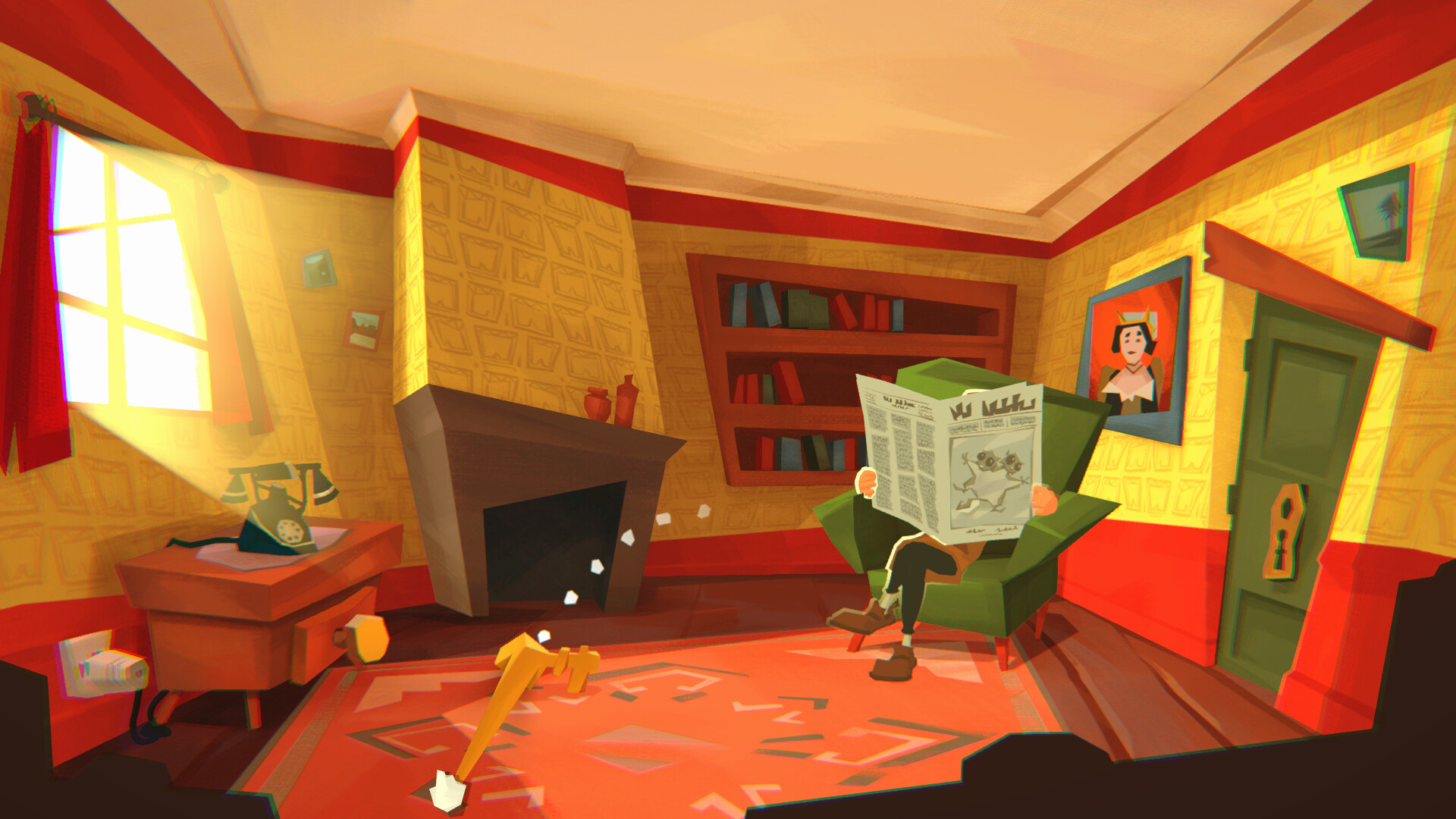
At its surface, Crushed in Time presents itself as a classic detective-style drag-and-click adventure starring the iconic duo of Dr. Watson and Mr. Holmes. The inciting incident is humble enough: Dr. Watson receives a mysterious letter from an enigmatic figure named Emma. Your goal is to unravel the mystery of who she is and why she reached out, a journey that takes you across England and well beyond.
Yet, to describe it as a simple detective mystery is to ignore the beating heart of the game. Much like its predecessor, Crushed in Time is deeply entrenched in meta-narrative. It is a game that is acutely aware it is a game, constantly reaching out to break the fourth wall in ways that feel organic rather than gimmicky. The writing is sharp, witty, and perfectly paced, ensuring that the constant disruptions to the story never feel forced.
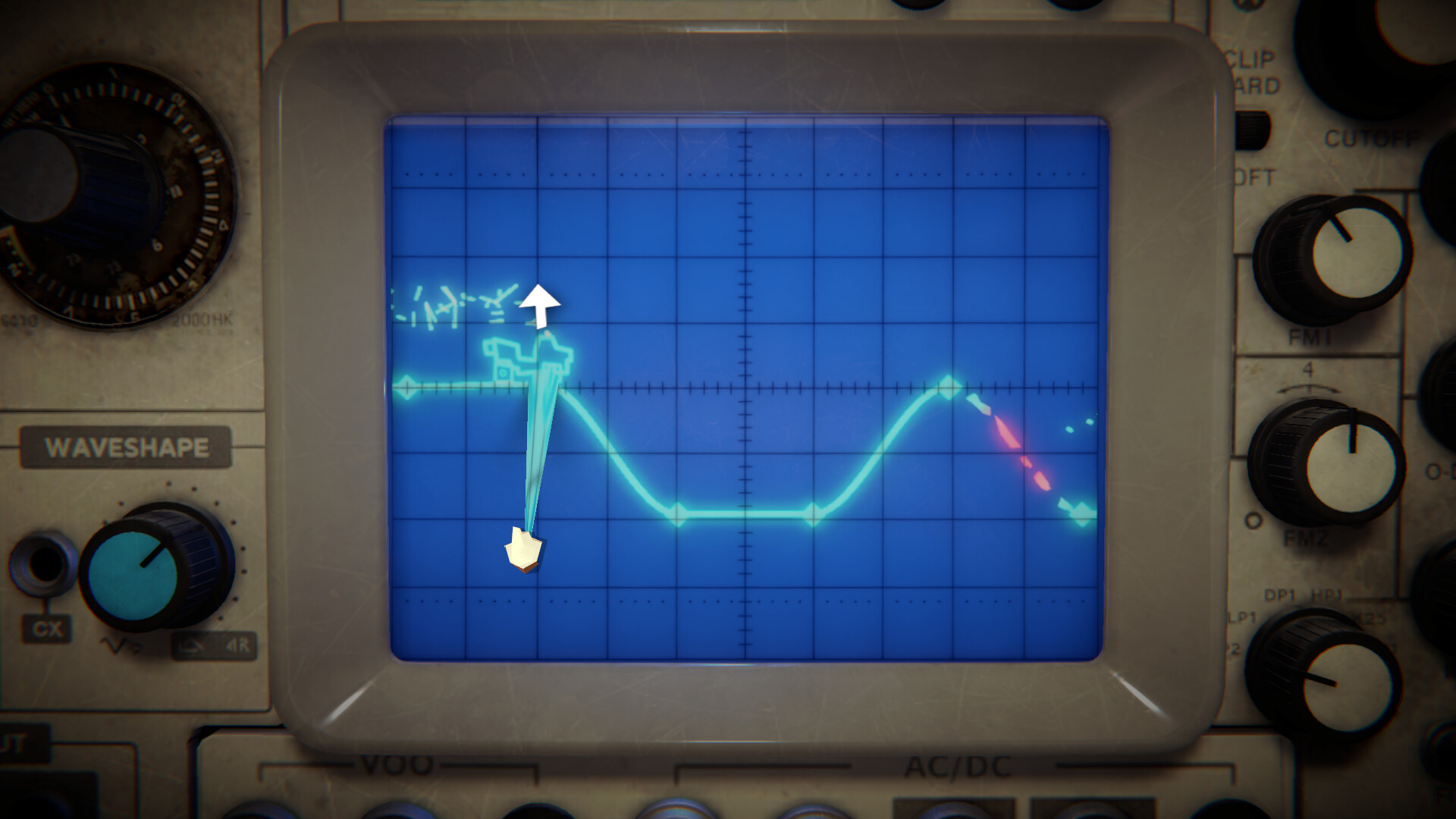
Beyond the detective work, the narrative serves as a love letter to the craft of game development and design. As Watson and Holmes chase leads, the plot revolves around a mysterious time-traveling device, a narrative hook that allows the game to cycle through different stages of development. You aren’t just playing through a story; you are playing through the evolution of software, with the puzzles and visual aesthetics shifting to reflect the various iterations of the game’s own internal creation. It is a brilliant, self-referential cycle.
Redefining the Mechanic: Drag and Click
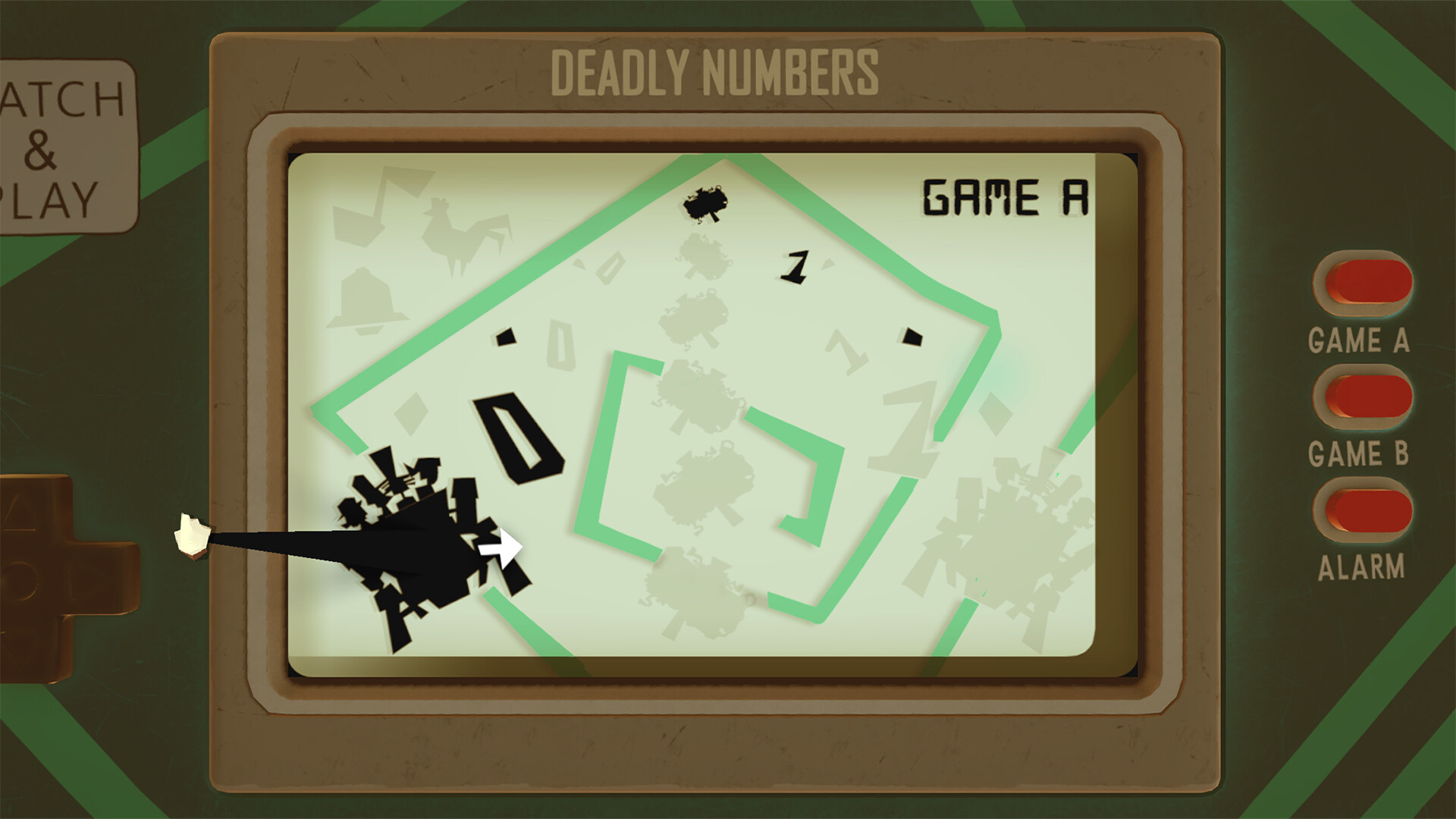
While the genre roots are clearly planted in the soil of old-school point-and-click adventures, Draw me a Pixel has introduced a mechanical twist: the “drag-and-click” system. Instead of simply hovering your cursor over an object to interact, you are physically dragging elements across the screen.
It sounds like a minor change, but in practice, it is a lot more. You can drag and turn objects, flip items, and even nudge the entire environment. Even when a backdrop isn’t technically interactable, dragging it causes the scene to bump and shift, grounding the player in a physical sense of presence. This tactile approach makes the world feel like a collection of tangible props rather than a static digital background.
The progression of the puzzles is equally well-handled. They start off intuitive and gently introduce you to the rules of this new world. As you delve deeper, however, the complexity ramps up, aligning perfectly with the narrative’s escalating absurdity. The game never veers into the realm of unfair difficulty. This is a deliberate design choice; because the game relies so heavily on its humor and momentum, it needs the player to keep moving forward. If you do happen to hit a wall, there is a tiered hint system available that ranges from subtle nudges to almost providing the solution outright, ensuring no player feels truly stranded.
Looks better and sounds great
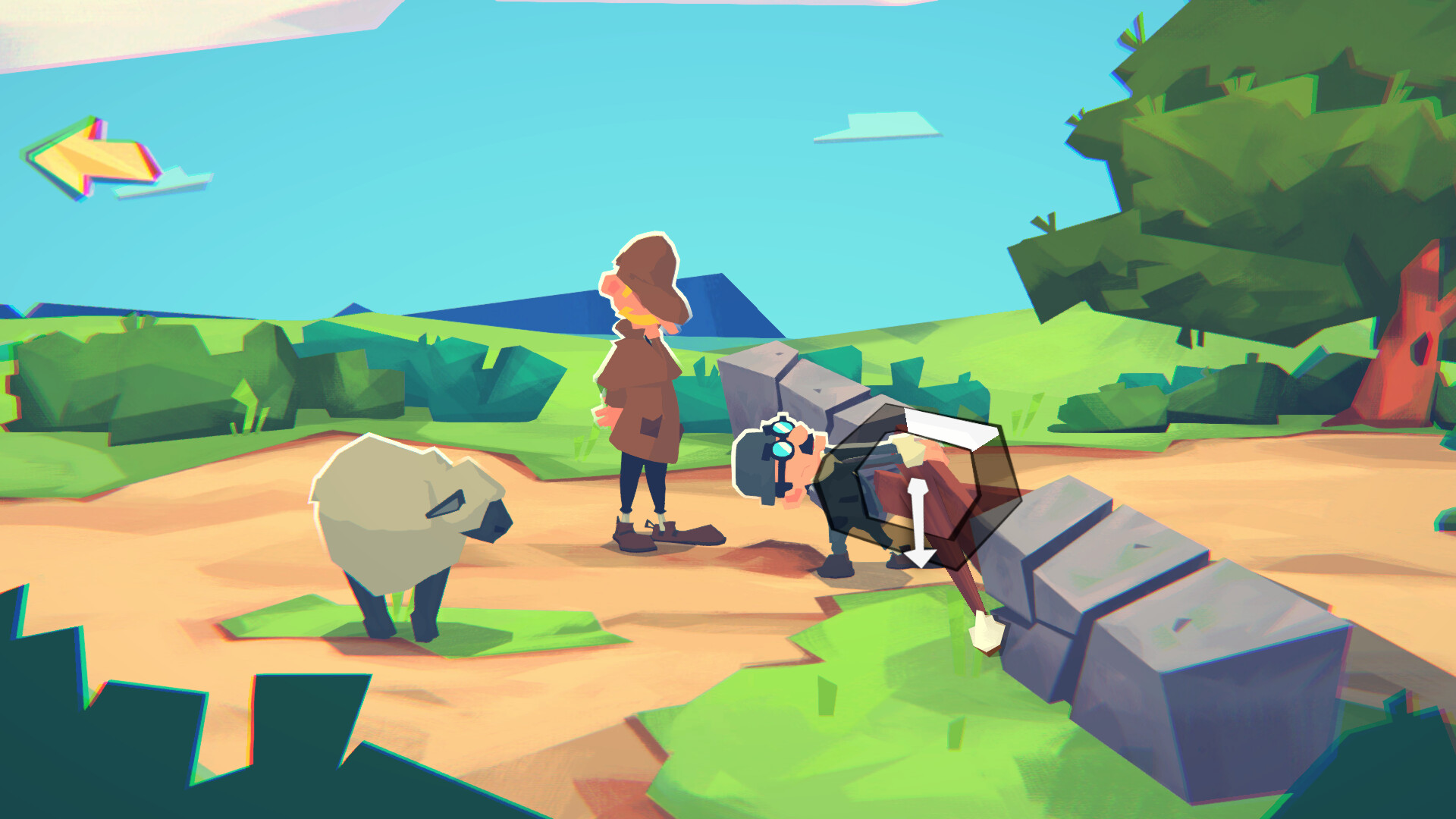
From a technical standpoint, Crushed in Time is a step forward. While There is No Game had a distinct, lo-fi charm, Crushed in Time is visually richer, smoother, and more polished. The game’s commitment to its development stages concept means that the graphics change to mimic different versions of coding and design, and these transformations are handled with attention to detail.
The voice acting deserves special mention, as it carries a substantial portion of the game’s charm. The deliveries are impeccably timed, balancing the high-stakes (and low-stakes) drama of the plot with the dry, often sarcastic humor that defined the previous entry. The dialogue elevates the script, turning what could have been dry meta-commentary into a hilarious, character-driven experience. Even if you walked into this game with zero interest in the technical side of game development, the presentation is so infectious that you will likely walk away with a newfound appreciation for the medium.
Conclusion: A Sequel That Stays True
Crushed in Time is, quite simply, the sequel we needed. It captures the spirit of There is No Game: Wrong Dimension while successfully refining the mechanics to create something that feels like an evolution, not just a continuation.
By grounding its meta-humor in a compelling story about time travel and the development of the game itself, Draw me a Pixel has managed to keep the magic alive. It is a package that offers a little bit of everything: genuinely fun puzzles, a heartfelt insight into the creative process of game design, and enough humor to keep you smiling from start to finish. If you have any love for point-and-click adventures, clever puzzles, or meta-fiction that isn’t afraid to poke fun at itself, Crushed in Time is a clever, funny, and deeply satisfying journey through the very nature of gaming.
Leave a Reply