
Deep Rock Galactic set a gold standard for cooperative shooters. It turned mining, bug-shooting, and dwarven camaraderie into an addictive loop that felt like home. When Ghost Ship Games announced Deep Rock Galactic: Rogue Core, it felt like an interesting way with a roguelite twist on the formula. After spending over a dozen hours in the hallowed (and hazardous) caves of Rogue Core, I’ve found that while the heartbeat of the original is clearly pumping, the game is currently a diamond in the rough that is still waiting for its final polish.
The Familiar Vibe with a Roguelite Edge
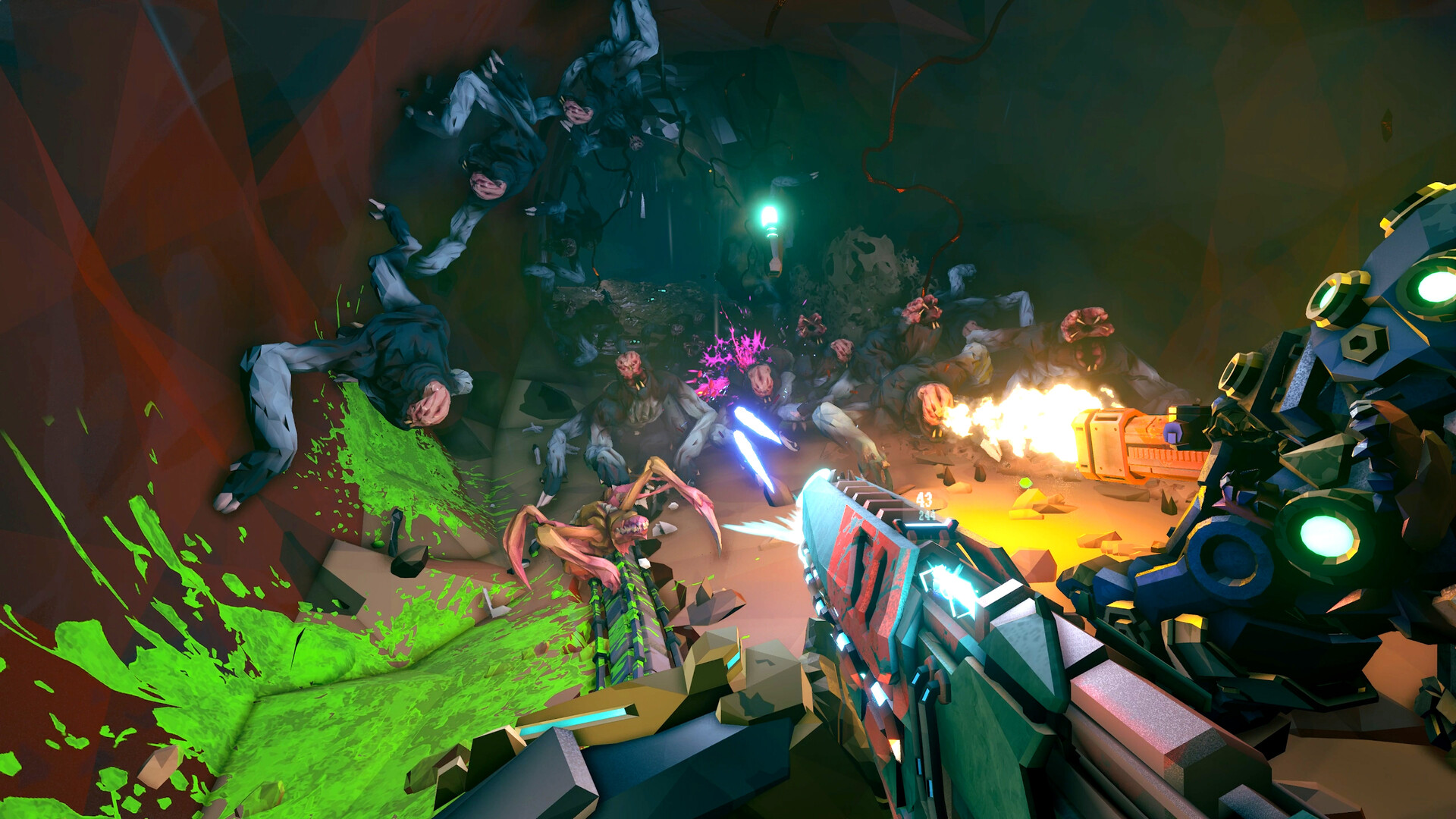
The first thing you’ll notice upon launching Rogue Core is that, despite the experimental shifts in gameplay, it feels definitively like Deep Rock Galactic. The atmosphere, the sound design, and that quintessential, gritty industrial charm are all present. However, the roguelite structure forces you to adapt. You aren’t just completing a mission for credits; you are surviving an escalating gauntlet.
The new weapon variety is a standout feature. Ghost Ship Games has introduced a suite of new armaments that inject a fresh flair into the combat. Coupled with the new class system, which feels significantly more varied and distinct than the original archetypes, the game establishes a solid mechanical foundation. Every class feels like a unique puzzle piece, and the upgrade system ensures that you always feel a sense of progression, even when a run ultimately ends in a spectacular failure. The developers have successfully crafted a fail-forward loop that keeps you coming back for just one more dive.
For those who found the original Deep Rock Galactic getting a bit comfortable after hundreds of hours, Rogue Core offers a much-needed adrenaline spike. The difficulty is noticeably higher, pushing players to be more calculated with their positioning and resource management. I, for one, welcome this added intensity. It forces you to actually engage with the upgrade systems and treat the environment with the respect only a grizzled miner can offer.
The Growing Pains of Early Access
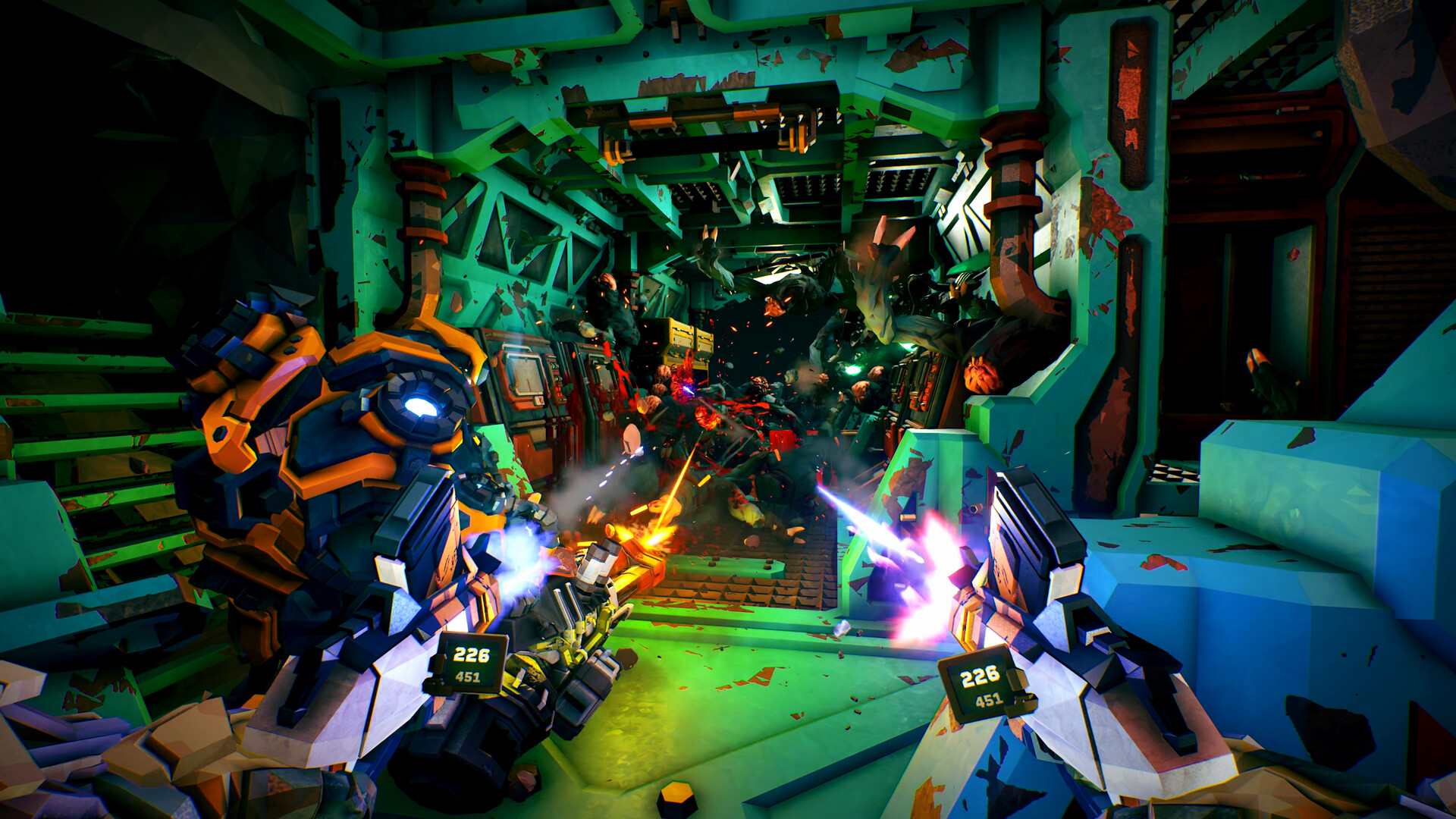
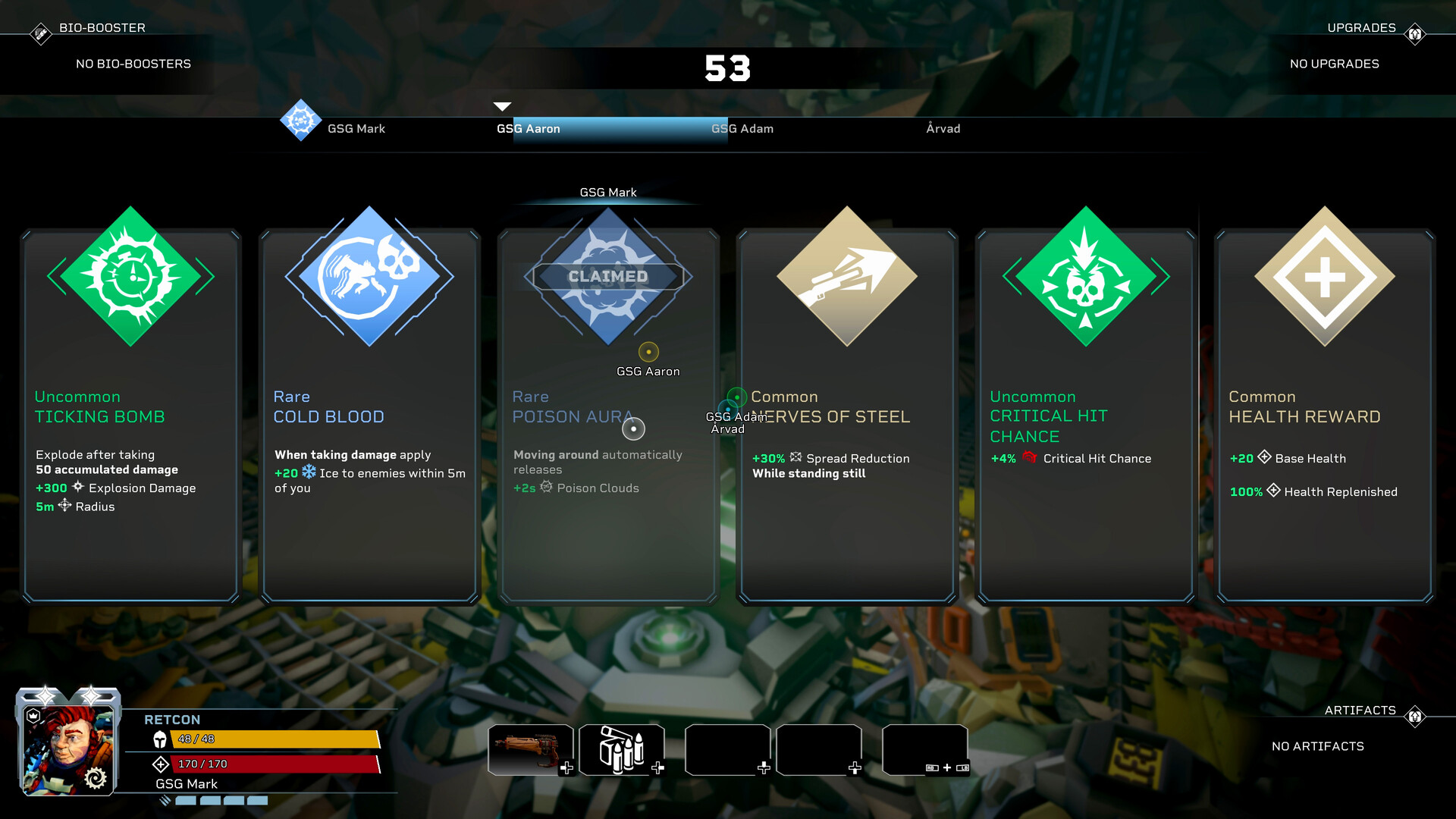
However, the transition to a roguelite format isn’t without its stumbles. The most pressing issue lies in the multiplayer experience. Playing with randoms currently feels like a chore, specifically due to the Negotiation System. On paper, the idea, sharing a group pool of weapons and upgrades that requires team consensus, is an interesting design choice. In practice, it’s a friction point that breeds frustration. Without a highly coordinated team, the system feels clunky and often unfair. I sincerely hope the developers rethink this, perhaps by introducing a hybrid structure where some upgrades remain individual, or by refining the voting process to be less disruptive.
Furthermore, the game carries the scars of early access. While the current content is good, it is spread thin. We need more weapons, more classes, and, most importantly, more varied upgrades to prevent the runs from feeling repetitive.
Mechanics Under the Microscope
The game introduces a new system that swaps regenerative shields for armor. While I admire the attempt to shake up the status quo, it feels underutilized and slightly imbalanced. Some enemy attacks seem to bypass or obliterate armor with such ease that the mechanic feels less like an interesting tactical choice and more like an unnecessary hurdle.
Finally, we have the mission timers. These are sure to be a divider in the community. Personally, I enjoy the added pressure, as it keeps the pace frantic and forces quick decisions. However, I recognize that Deep Rock is often about savoring the run. Adding an option for untimed modes would go a long way in catering to different playstyles and allowing for more tactical exploration.
Conclusion
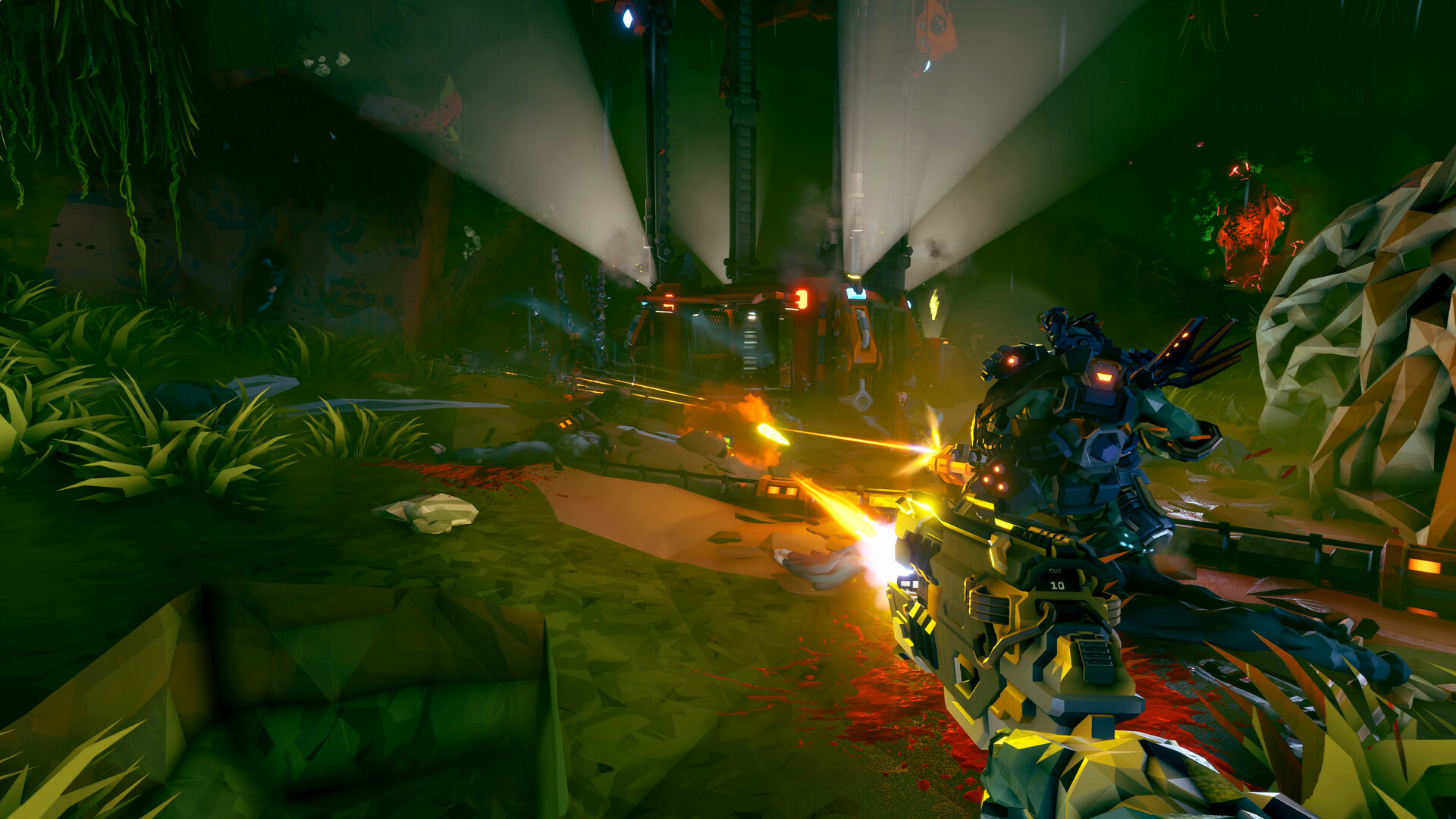
After clocking in over a dozen hours, my final opinion is one of cautious optimism. Deep Rock Galactic: Rogue Core is underbaked and clearly in an early development phase. It has its share of bugs, balance issues, and questionable design choices that need ironing out.
Yet, there is a good core here, pardon the pun. The foundation is robust, the combat is satisfying, and the artistic direction remains top-tier. If Ghost Ship Games continues their trend of listening closely to the community, squashing the bugs, and filling the game with more substantial content, Rogue Core has the potential to stand tall alongside, or perhaps even evolve beyond, its predecessor. For now, it’s a project to keep a very close eye on, but it isn’t quite the definitive experience just yet. Rock and Stone, but keep your pickaxe sharp; we have a long way to go.
Leave a Reply