
There is something inherently special about farming and life simulation games. In an era of high-octane gaming filled with complex mechanics, twitch-reflex combat, and profound, heavy-hitting narratives, there is a distinct, therapeutic value in simply “being.” These titles offer a digital sanctuary, a place where the stakes are low, the chores are rhythmic, and the primary goal is simply to cultivate a nice, calm existence within a cozy world. It is a genre that thrives on simplicity and routine, providing players with a soft landing after a long day.
Story of Seasons: Grand Bazaar not only understands this philosophy perfectly; it leans into it with grace. It is a title that doesn’t demand your constant focus or strategic brilliance, but instead invites you to settle into a rhythm of gentle productivity. It succeeds effortlessly at being a digital comfort blanket, and for those seeking an escape into a world of pastoral charm, it is an essential experience.
Heart, Humor, and the Joy of Community
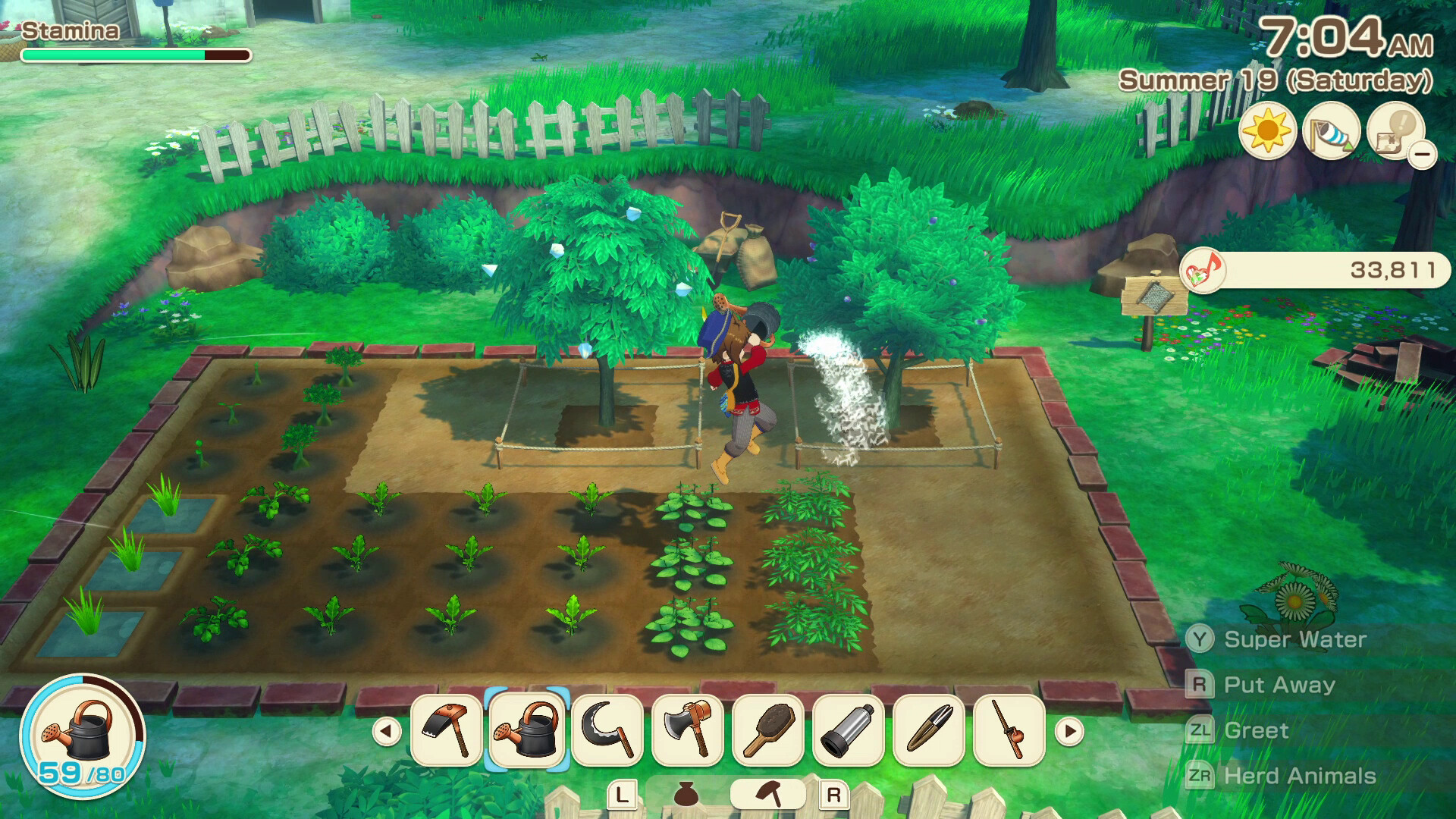
At its core, Story of Seasons: Grand Bazaar follows the traditional, heartwarming trajectory we have come to expect from the series: you move to a new town with a neglected farm, and your task is to revitalize both your homestead and the flagging local economy. While the overarching plot is familiar territory, it feels comfortably right. You aren’t saving the world from an ancient evil; you are saving a small, vibrant community from irrelevance by breathing life back into its centerpiece, the titular bazaar.
The events that punctuate the calendar are a genuine joy to attend. I found myself feeling split on the game’s decision to mark these events clearly on the map; part of me appreciates the spontaneity of stumbling upon a local festival, but the practical side of me is grateful for the heads-up. It ensures that I never miss out on those precious moments of social connection, which is, after all, the heart of the game.
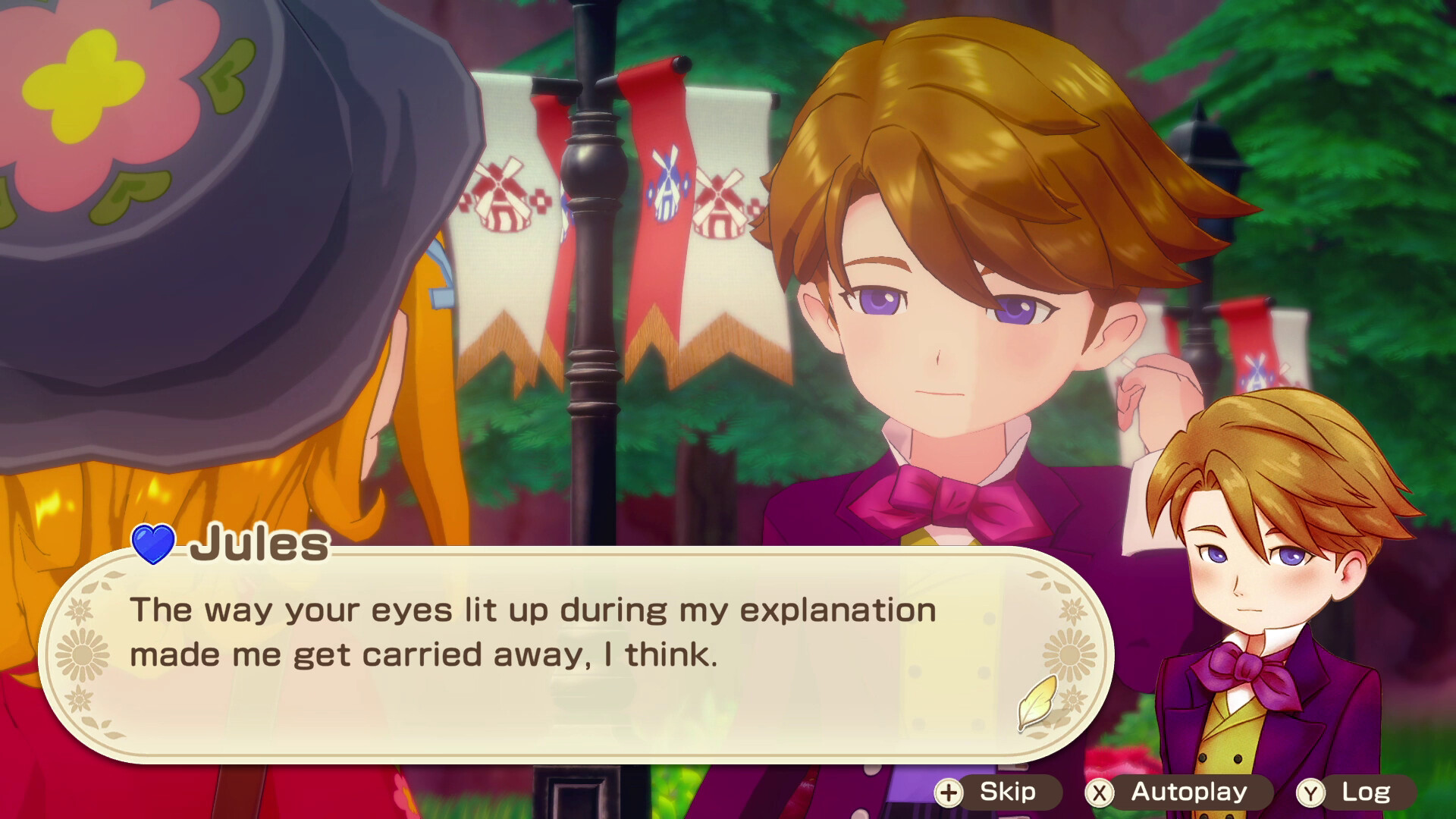
The character writing is arguably the game’s strongest narrative asset. My favorite, hands down, is the Mayor. In many similar games, the authority figure role is often relegated to a functional, one-note character who simply hands out tutorials. The Mayor, however, is a delight. His frantic energy and tendency to show up in the most unexpected places made every encounter with him a source of genuine laughter. There are also 12 eligible romance candidates, each possessing a unique personality that makes building a relationship feel personal and meaningful. Whether you are wooing a quiet local or a spirited newcomer, every interaction feels grounded and pleasant.
Strategic Windmills and the Art of the Bazaar
One of the most striking departures in Grand Bazaar is the absence of a traditional dungeon-style mine. Grand Bazaar chooses to omit this, and surprisingly, I didn’t miss it for a second. The game shifts that focus toward the titular bazaar, and the result is a much tighter, more thematic experience. There is still some mining to be found in the open world, but it takes a backseat to the life unfolding on the surface.
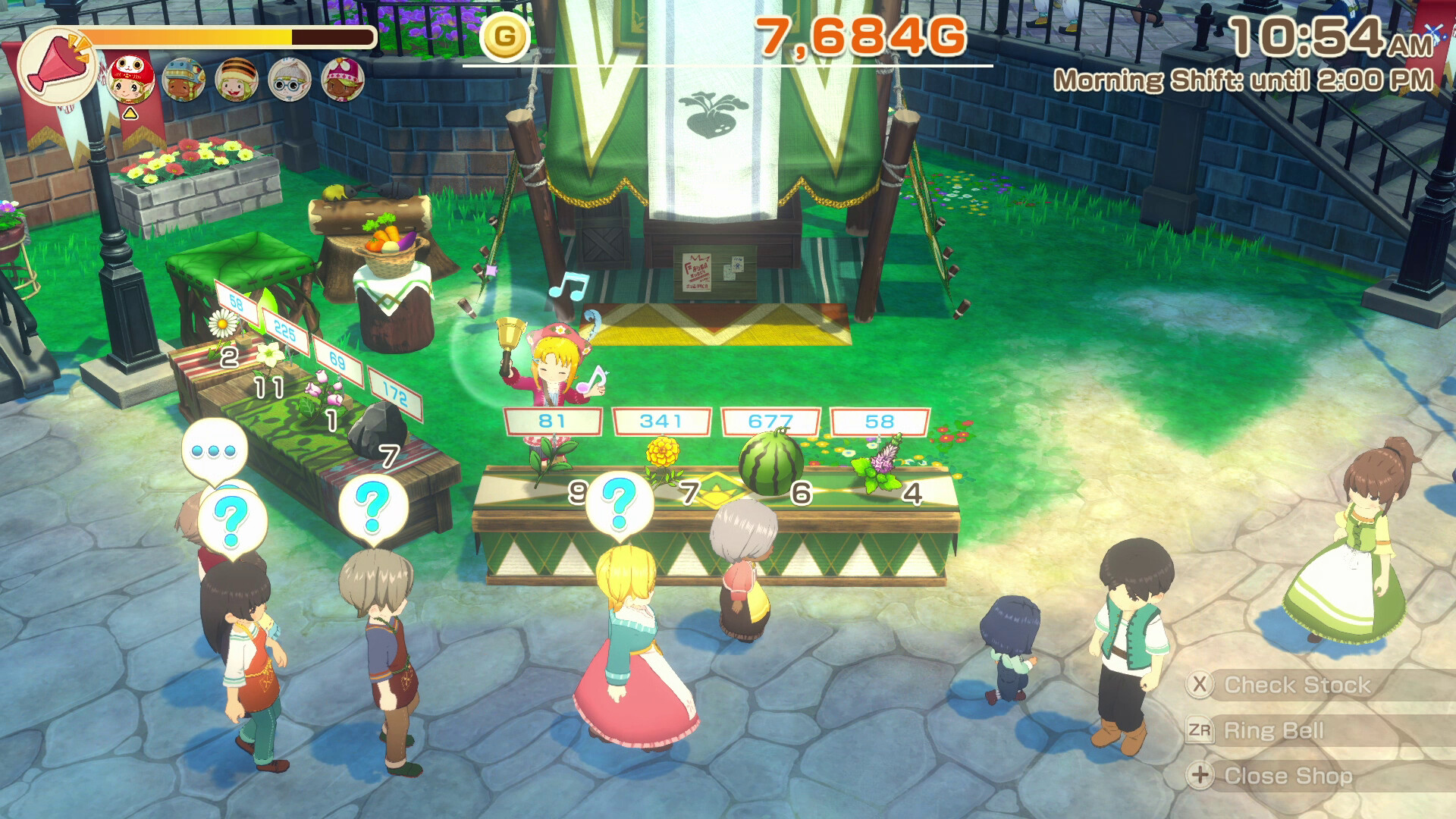
The Bazaar itself is a stroke of design genius. Rather than simply dumping your harvest into a shipping bin for a price, you are tasked with setting up your own stall. You have to consider supply and demand, the current season, and the specific tastes of the townsfolk. It transforms the game from a mindless grind into a marketplace strategy sim. You have to be thoughtful about what you produce; you aren’t just farming for yield, you are farming for profit and prestige.
The incorporation of windmills further elevates the gameplay. Since these are weather-dependent, the daily forecast becomes a critical component of your planning. Balancing your weekly production quotas with the unpredictable nature of the weather adds a satisfying layer of strategy that I have found lacking in other entries.
While I am a huge proponent of fishing as a staple of the cozy game diet, I did find the minigame in Grand Bazaar to be a bit sluggish. It lacks the snappy feedback loop of other mechanics, but in the grand, relaxing scope of the game, this is a very minor grievance. Despite the slow fishing, the game remains dangerously addictive. I would sit down with the intention of completing a single in-game day, only to blink and find myself a full season later, nodding off in front of the TV with a contented smile on my face.
A Visual and Auditory Hug
The presentation in Story of Seasons: Grand Bazaar is a standout. It is rare for a farming sim to feature this much voice acting, and it creates a massive leap in immersion. The voice work is surprisingly high-quality, giving the characters a presence that text boxes alone simply cannot replicate. Hearing a character speak during a romantic confession or a civic event makes you feel significantly more invested in their personal stories.
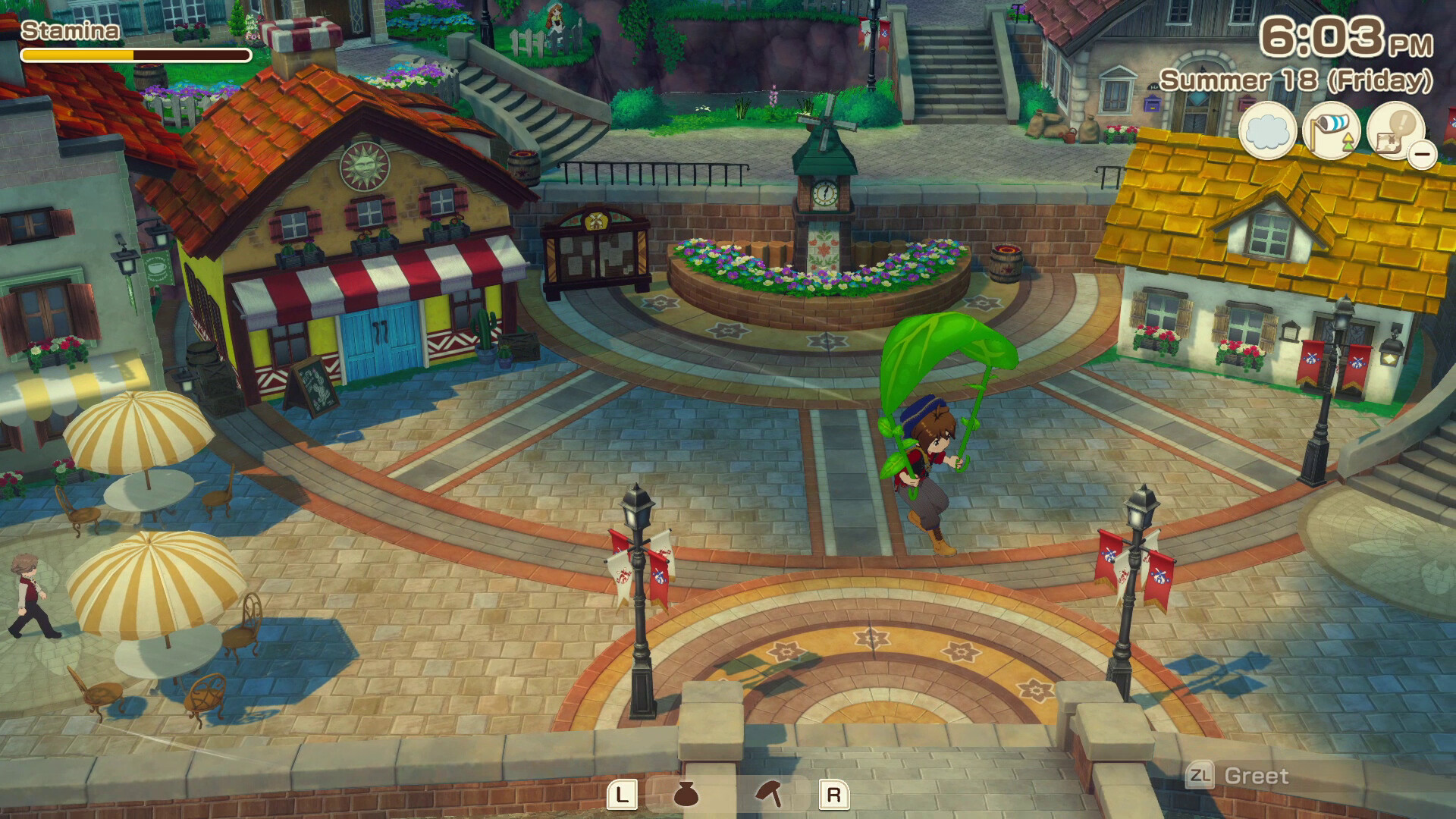
Visually, the game embodies the “cute and cozy anime” aesthetic. It hits that sweet spot of vibrant, cheerful, and uncluttered design. The world is colorful and warm, serving the cozy atmosphere of the experience without trying to overcomplicate the visual identity. It is a case of the visuals doing exactly what they need to do, no more, no less, providing a consistent, inviting aesthetic that never clashes with the gameplay loop.
A Perfect Slice of Life
Story of Seasons: Grand Bazaar leans heavily on the easy side, and that is its greatest strength. It isn’t trying to challenge your combat skills or test your reflexes; it’s trying to provide a space where you can unwind. It is a game filled with genuine charm and a quiet, persistent love for its own world.
Running my bazaar each week brings a genuine sense of accomplishment, and interacting with the voiced cast makes the town feel like a living, breathing place. While the fishing mechanics might be a bit slow for my taste, the joy of managing my farm, optimizing my windmills, and harvesting my crops more than makes up for it. If you have even a passing interest in the farming sim genre, Story of Seasons: Grand Bazaar is a must-play. It is a game that values your relaxation as much as your playtime, and in that regard, it is an absolute success.
Leave a Reply