
In the crowded landscape of modern first-person shooters, it is rare to find a title that stops you in your tracks the moment you see a screenshot. Mouse: P.I. for Hire does exactly that. By marrying the grimy, smoke-filled tropes of classic film noir with the rubber-hose animation style of 1930s cartoons, the game creates a visual identity that is nothing short of magnetic. It takes the familiar spirit of early Mickey Mouse shorts and drops them into a cynical, hardboiled detective story, resulting in a premise so intriguing it’s hard to imagine anyone not wanting to step into this world.
A Cynical Mouse in a Concrete Jungle
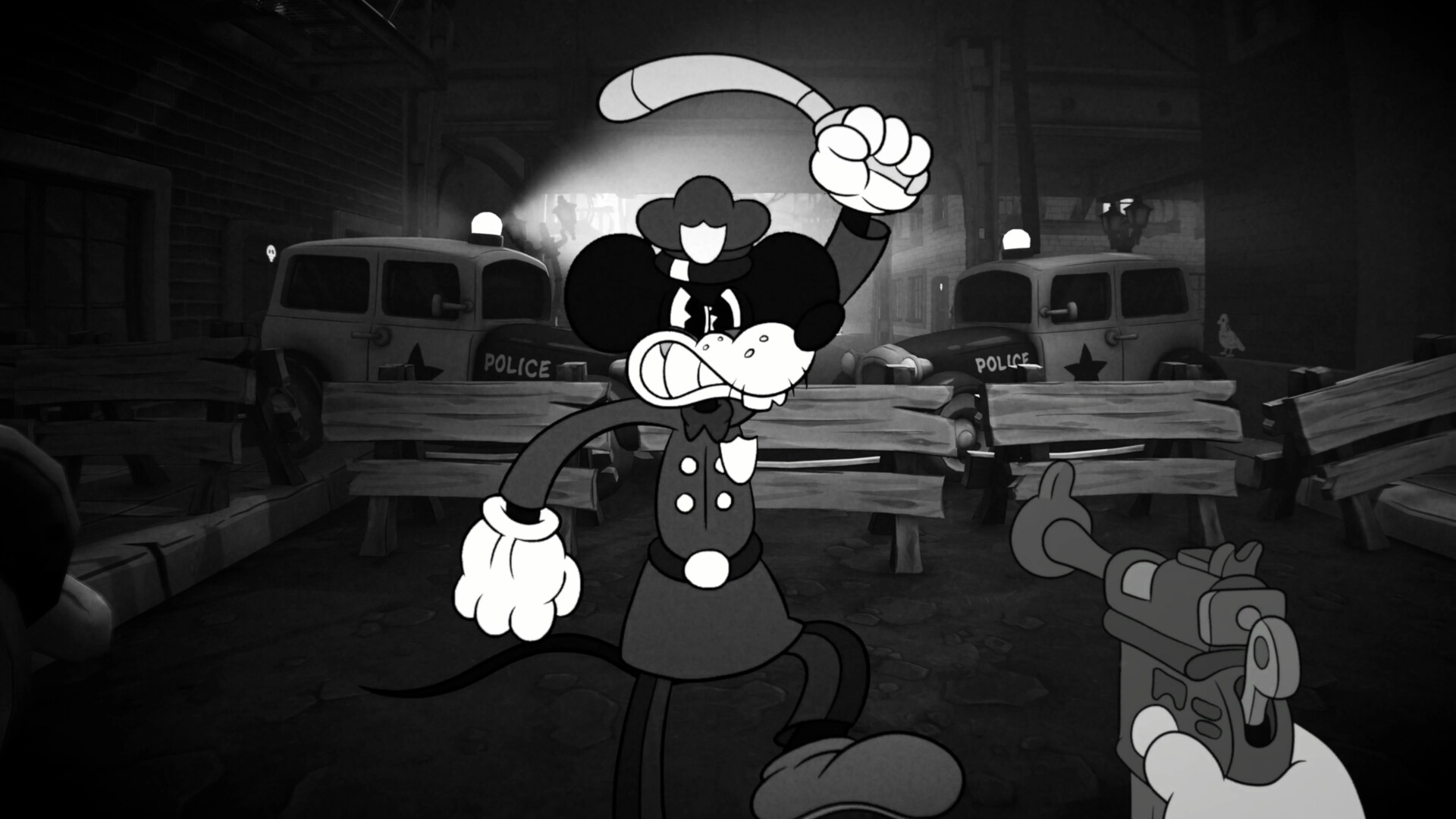
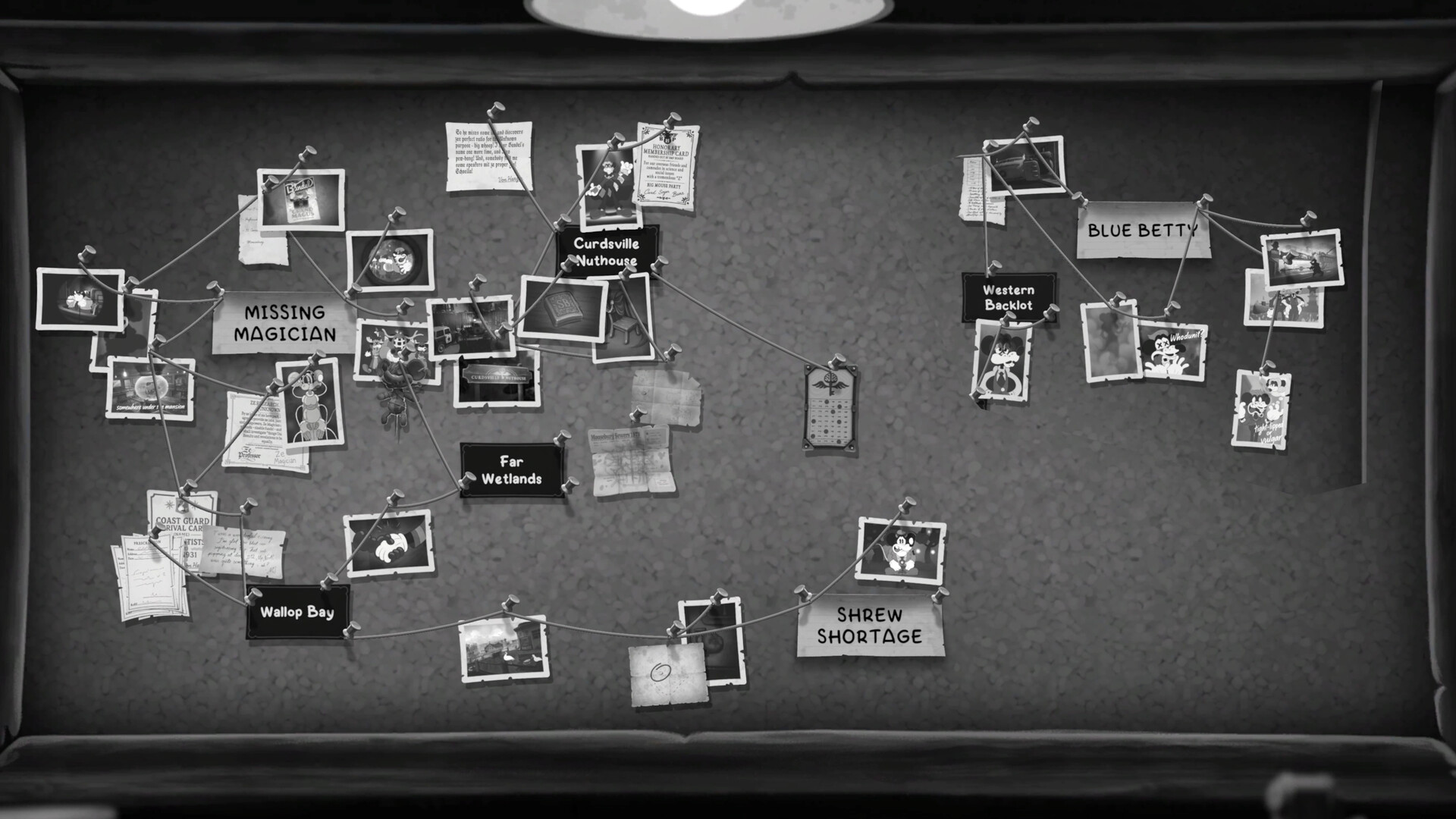
The game places you in the oversized shoes of Jack Pepper, a private investigator who checks every box on the noir checklist. He is cynical, exhausted, rough around the edges, and carries the weight of a city’s sins on his furry shoulders. Set in the sprawling, crime-ridden metropolis of Mouseburg during the 1930s, the narrative leans heavily into the tropes of the genre. As Jack, you are tasked with navigating a labyrinth of corruption and mystery, solving cases that would make even the most seasoned human detective tremble. The world-building is top-tier, effectively painting a picture of a city that feels both whimsical and deeply dangerous.
The Rhythm of the Run-and-Gun
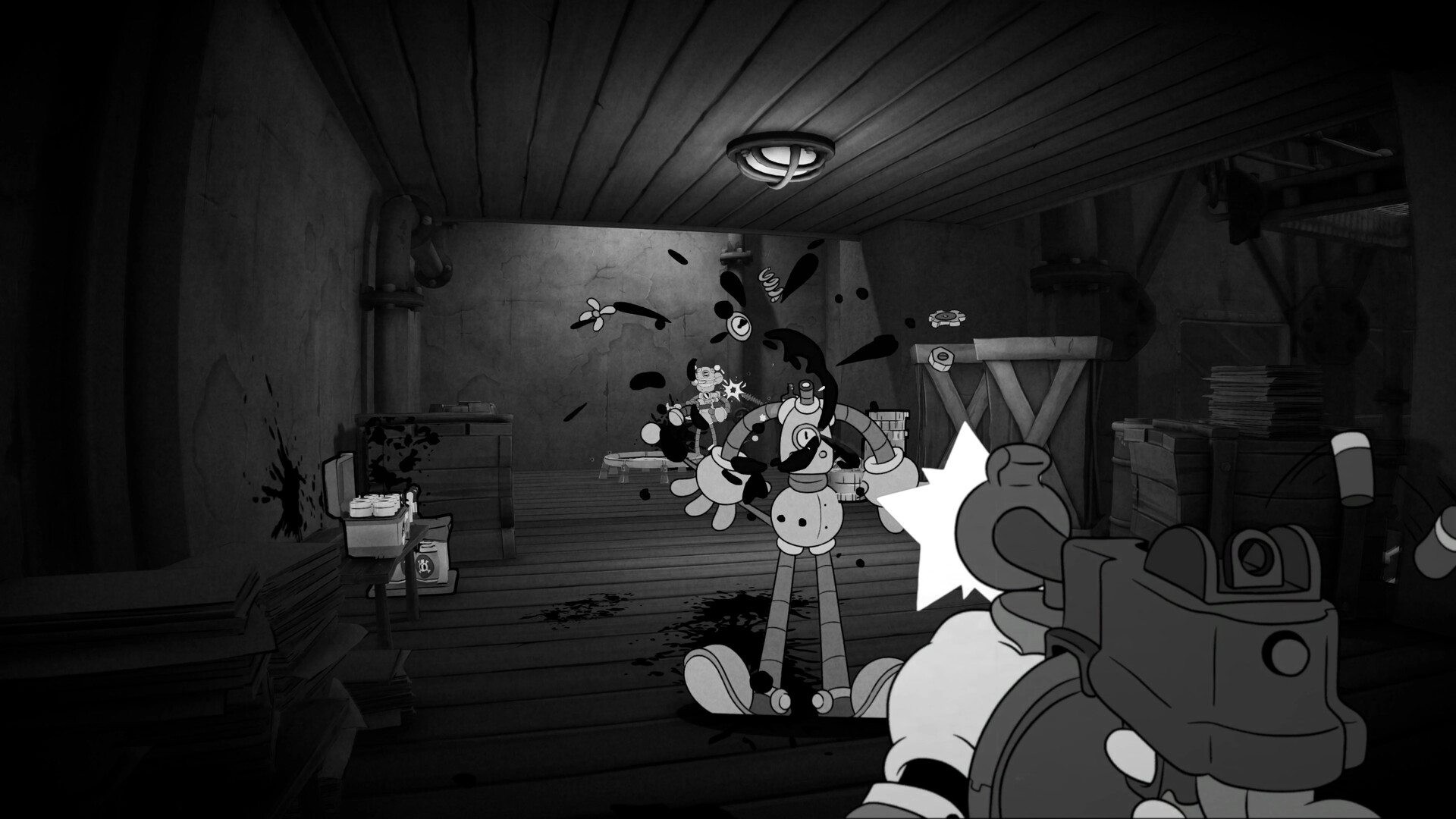
At its heart, Mouse: P.I. for Hire is a boomer shooter, a fast-paced, high-intensity FPS that prioritizes movement, resource management, and kinetic combat. However, unlike the frantic, breakneck speed of modern Doom titles, Mouse adopts a slightly more measured tempo. This deliberate pacing allows the player to actually inhabit the world, soaking in the meticulously crafted environments rather than just sprinting through them in a blur of gunfire.
The gunplay is serviceable; it feels solid, providing a satisfying weight to your arsenal, though it stops short of being revolutionary. The core loop, clear a room, scavenge for ammo, advance to the next encounter, is addictive enough, but it does occasionally hit a wall. While there are incentives to explore and track down collectibles, the game occasionally forces the player into light platforming sections. These moments feel somewhat disjointed from the core mechanics, as the controls aren’t quite tuned for precision traversal. While I appreciate the attempt to break up the rhythm, I often found myself wishing for more combat and less jumping puzzles.
Clocking in at roughly 10 hours for a full playthrough, including a few side jobs and some light exploration, the game feels slightly overextended. While the 24 missions provide plenty of content, the experience suffers from a bit of repetition in the final act. By the time you reach the later stages, the enemy variety and level design start to show their seams. The novelty of the aesthetic is undeniable, but it has to work quite hard to carry the gameplay when the combat loop begins to stagnate toward the end.
A Visual and Auditory Masterpiece
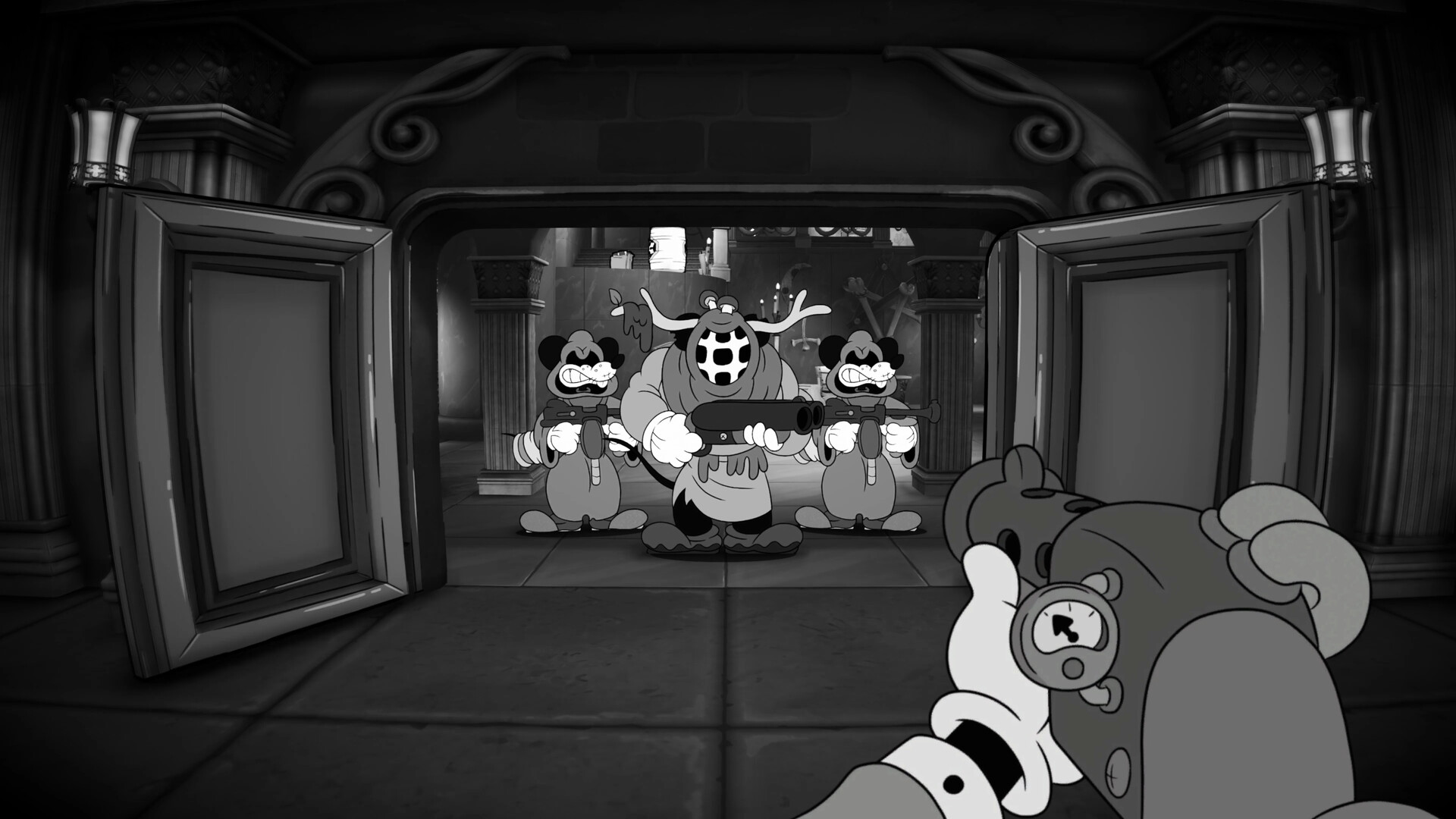
Where Mouse: P.I. for Hire transcends its peers is in its presentation. The aesthetic, a brilliant fusion of Steamboat Willie-era animation and noir shadows, is nothing short of a triumph. The developers have captured the charm of early 20th-century cartoons perfectly; everything from the frame-rate-conscious animations to the stylized grain of the visuals makes you feel like you are stepping inside a lost relic of 1930s cinema.
The audio design is equally impressive. The voice acting is anchored by the legendary Troy Baker, who delivers a pitch-perfect, whiskey-soaked performance that embodies the tough detective archetype with nuance and grit. Paired with a soundtrack that perfectly mirrors the jazz-heavy, melancholic atmosphere of the era, the game becomes an immersive sensory experience that is difficult to put down.
Conclusion
Mouse: P.I. for Hire is arguably one of the most visually distinct games released this year. It masters the “cartoon noir” vibe with such confidence that it’s easy to overlook its mechanical shortcomings. While the gameplay loop may lose some of its luster as the clock runs out, the sheer charm of the world, the stellar voice acting, and the loving tribute to 1930s animation make it a must-play. If you value style, atmosphere, and a unique artistic vision, Jack Pepper’s journey is well worth the time, even if it might overstay its welcome just a little bit by the final credits.
Leave a Reply