
When Blue Prince launched early last year, it slipped into the spotlight at once, quickly amassing a devoted following. Its blend of puzzle‑solving, narrative intrigue, and roguelite mechanics struck a chord with players looking for something that felt both cerebral and emotionally resonant. In this review I’ll walk through what makes the game tick, from its alluring premise to the way it behaves on the Nintendo Switch 2. Whether you’re a veteran of mystery adventures or a newcomer eager for a fresh challenge, this deep‑dive should give you a solid sense of whether Blue Prince deserves a spot on your shelf.
An Intrigue That Grows With You
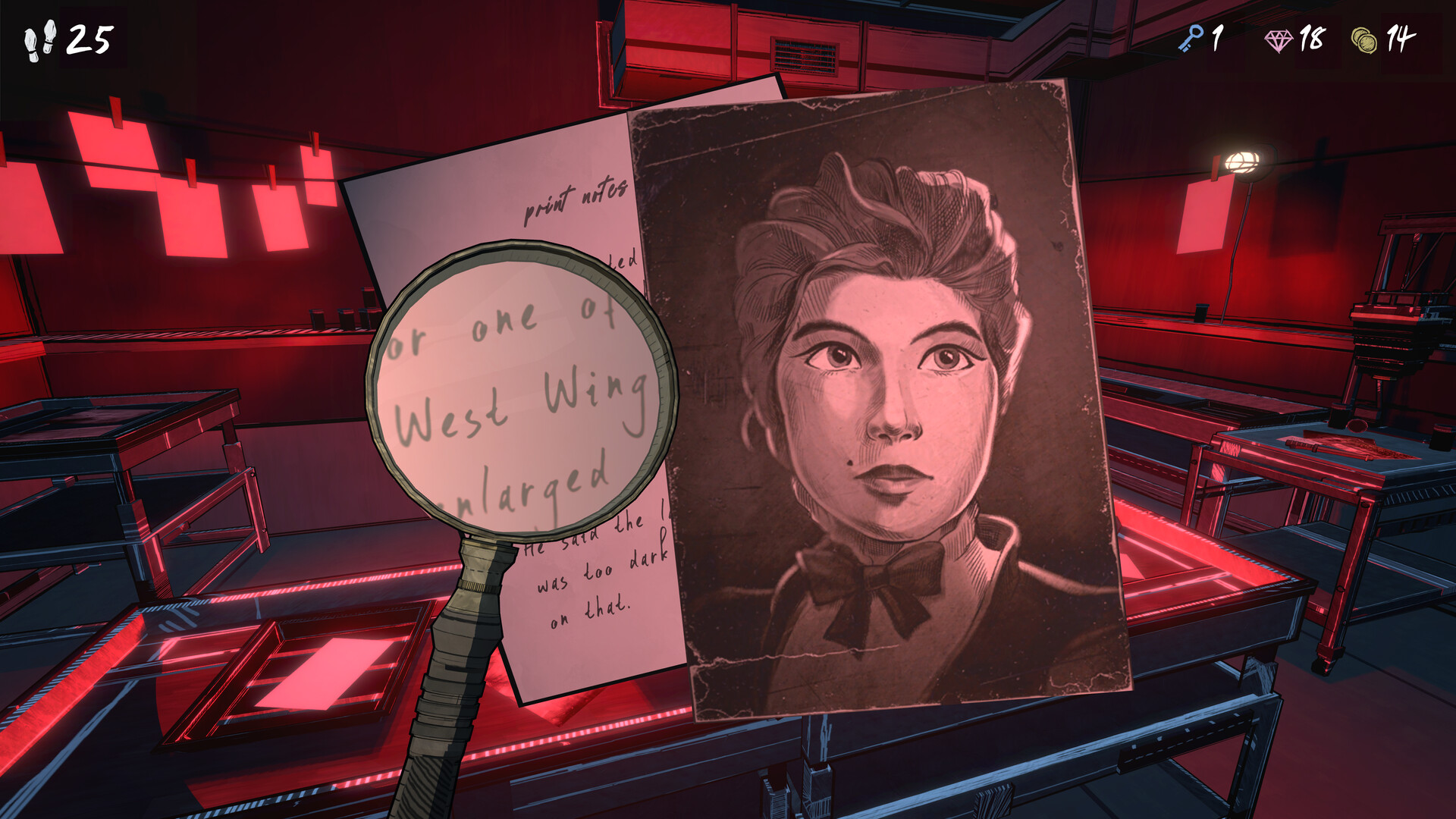
The premise is compelling from the first cutscene. A brooding castle drenched in indigo light, a letter written in a forgotten script, and a promise that the truth lies in the secret room. That initial hook pulls you in, but Blue Prince refuses to stay surface‑level. As you untangle the first few rooms, the narrative unfurls like a well‑kept diary—each clue reveals a new layer, and every resolved mystery expands the world rather than closes it.
What started as an interesting concept blossoms into a story that clings to you long after the controller is set down. I found myself replaying rooms in my head during the commute, and the different rooms began to echo in my dreams. The game’s writing is tight enough to keep you moving, yet spacious enough that the mystery lingers, demanding another playthrough to truly grasp all its threads.
A Puzzle Roguelite That Rewards Patience
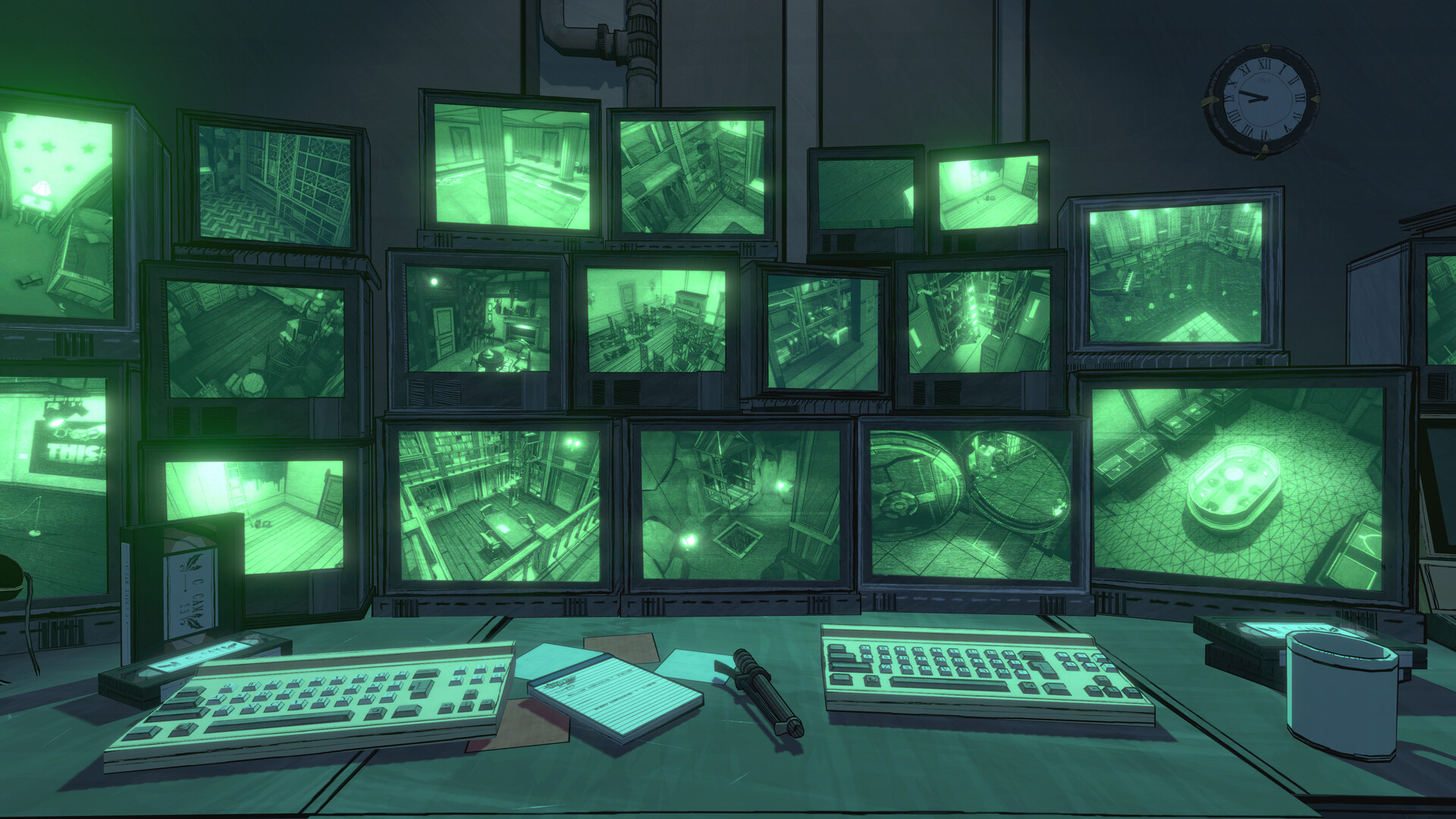
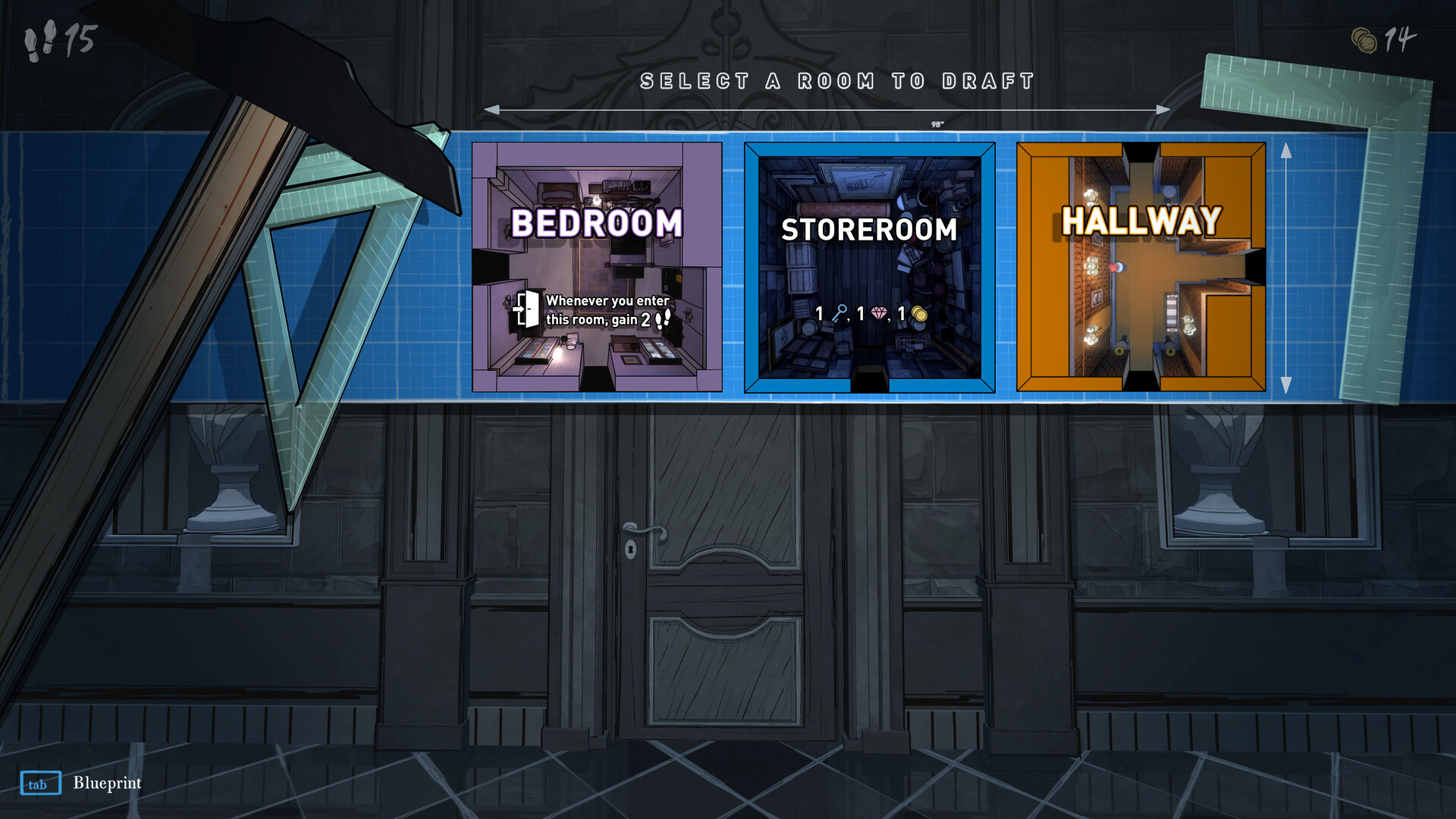
Blue Prince is a first-person roguelike puzzle-adventure game set in an ever-shifting mansion of 45 rooms, with the goal of discovering a hidden 46th room to inherit a fortune. The core gameplay revolves around strategic room drafting: each day, you select from three randomly generated room options when opening a door and place them on a 9×5 grid to shape the mansion’s layout. Limited steps are available each day to explore; once they run out or players become stuck, the day ends, causing the mansion to reset. However, players retain their knowledge and certain permanent upgrades. When opening a door, players choose one of three procedurally generated rooms, each containing complex puzzles, clues, or resources. Managing resources such as keys for doors, gems for selecting better rooms, and steps for deeper exploration is essential to progress as far as possible within each run.
A habit I quickly adopted was keeping a small notebook by my side. Jotting down symbols, dead‑ends, important rooms and hunches turned the experience into a genuine investigation, reminiscent of classic detective work. Screenshots proved equally valuable; a quick capture of a painting allowed me to compare it across runs and notice subtle variations I would otherwise have missed. These meta‑tools transformed the game from a passive “play‑through” into an active case file you’re determined to close—an exhilarating feeling when you finally crack a puzzle that has haunted you for days.
Presentation – Minimalist Graphics, Maximum Focus
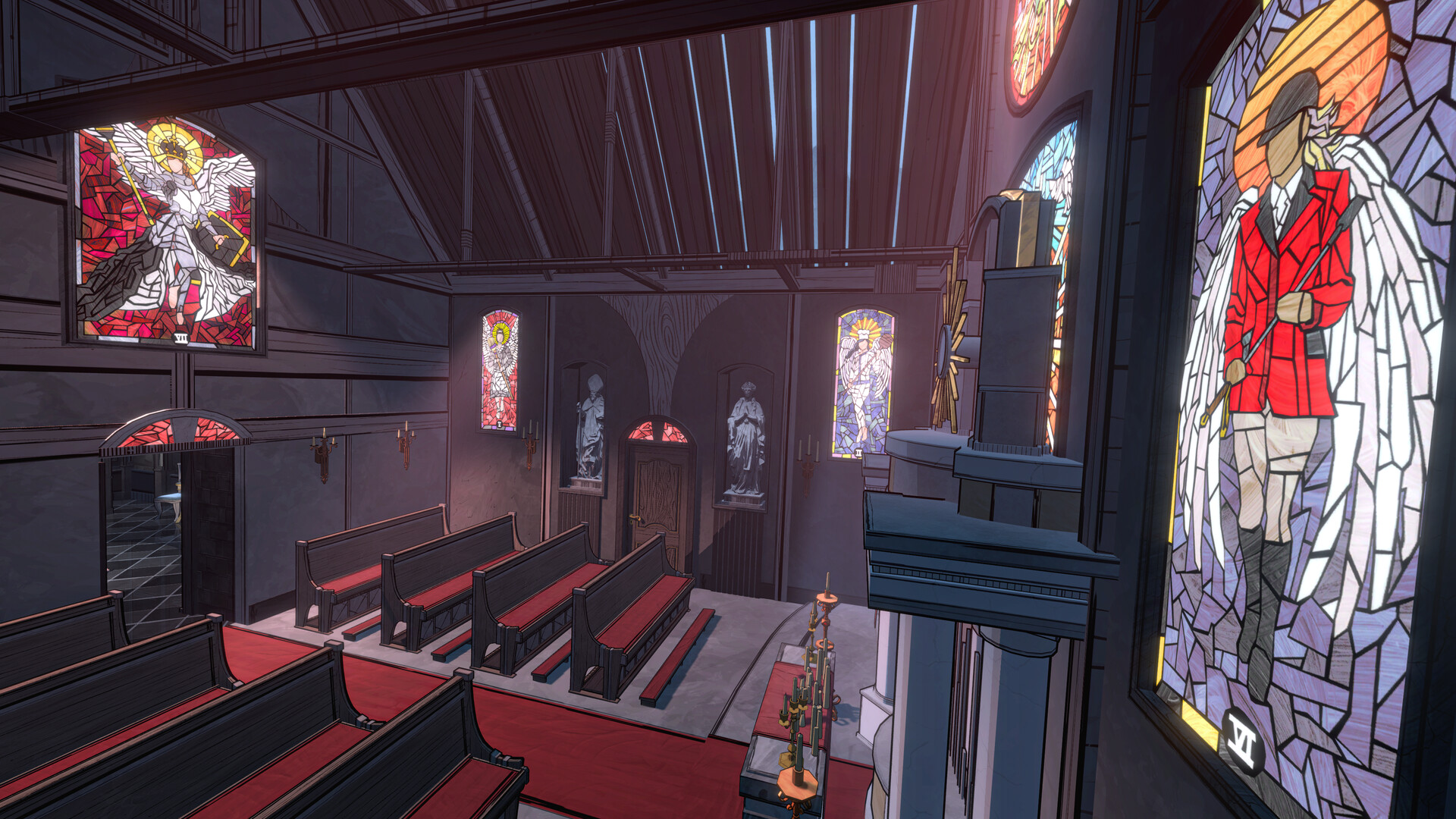
Visually, Blue Prince embraces a deliberately modest aesthetic. The graphics are rendered in a soft, low‑poly style bathed in shades of deep blue and muted grey. There are no hyper‑realistic textures or flashy particle effects—just clean lines, atmospheric lighting, and a palette that reinforces the game’s melancholic tone.
This simplicity is by design. By stripping away visual noise, the developers direct your attention to the environment’s interactive elements. A painting, a cracked floor tile, or a subtle shift in wallpaper becomes a clue rather than a decorative afterthought. The result is a world that feels both intimate and purposeful, encouraging you to scan each corner for hidden meaning without feeling overwhelmed.
The soundtrack follows suit: a gentle piano motif intertwined with low‑drone strings sets a tone of quiet suspense. Sound effects—creaking doors, the soft clink of a key turning—are crisp and well‑placed, but they never dominate the soundscape. While the music isn’t groundbreaking, it does its job admirably, providing a soothing backdrop that never distracts from the puzzle‑solving focus.
Switch 2 – The Perfect Platform for a Portable Mystery
The Nintendo Switch 2 is the ideal home for Blue Prince. The game runs smoothly in both docked and handheld modes, maintaining steady fps and crisp visual fidelity. Docked play gives you a larger canvas, perfect for spotting the tiniest of details. Yet the real magic happens in handheld mode—thanks to the Switch 2’s enhanced battery life and brighter screen, you can launch a fresh run on the bus, continue it on a lunch break, and finish the final chamber while lying in bed.
The portability aligns perfectly with the game’s design philosophy of short, repeatable sessions. I could start a run during a commute, pause at a particularly gnarly run, and return later without losing immersion. The ability to simply close the console and drift off to sleep while the looming silhouette of the manor lingers in the dark is a testament to how well the title fits the handheld experience.
Conclusion
Blue Prince stands out as one of the strongest puzzle‑adventure titles of the past year. Its story is a living, breathing enigma that grows with each run, its gameplay rewards perseverance and curiosity, and its minimalist presentation keeps you glued to the task at hand. The optional notebook and screenshot mechanics add a layer of meta‑investigation that makes every discovery feel personal.
Now that the game has landed on the Switch 2, it feels as though it has finally arrived at the platform where it shines brightest. Whether you’re looking for a deep, immersive mystery to dissect over long evenings or a bite‑sized challenge to squeeze into a commute, Blue Prince delivers on both fronts. For fans of roguelite design, narrative-driven puzzles, or simply a well‑crafted adventure that stays with you long after you’ve put the controller down, this title is a must‑play, and a clear reminder that sometimes, the simplest visuals can house the most compelling stories.
Leave a Reply