
For fans of blending action-packed combat with the calming rhythm of life simulation, Rune Factory: Guardians of Azuma is a good entry in the genre. Originally released on PC and Switch in the summer 2025, the game now arrives on PlayStation and Xbox with a polished upgrade that sharpens its visual and technical presentation. While its core mechanics and charm remain the same, these enhancements elevate an already solid experience, making it feel fresh and even more inviting. Whether you’re a newcomer to the series or a long-time fan, this new console version is a worthy addition to your collection.
A Tale of Adventure and Tradition
At its heart, Rune Factory: Guardians of Azuma is a game about balance—between exploration and cultivation, action and rest, and even the mystical and the mundane. The story follows Subaru or Kaguya, depending on your choice. Tasked with restoring the village’s prosperity and uncovering the secrets of this magical region, you arejoined by a cast of vibrant characters. While the narrative isn’t terribly deep, it’s engaging enough to serve as a backdrop for the game’s true strengths: its world and systems. While the story may not break new ground, the characters’ interactions and the whimsical tone keep it from feeling stale. It’s a tale that leans into its strengths as a cozy adventure, prioritizing atmosphere over high-stakes drama.
A Perfect Blend of Action and Life Simulation
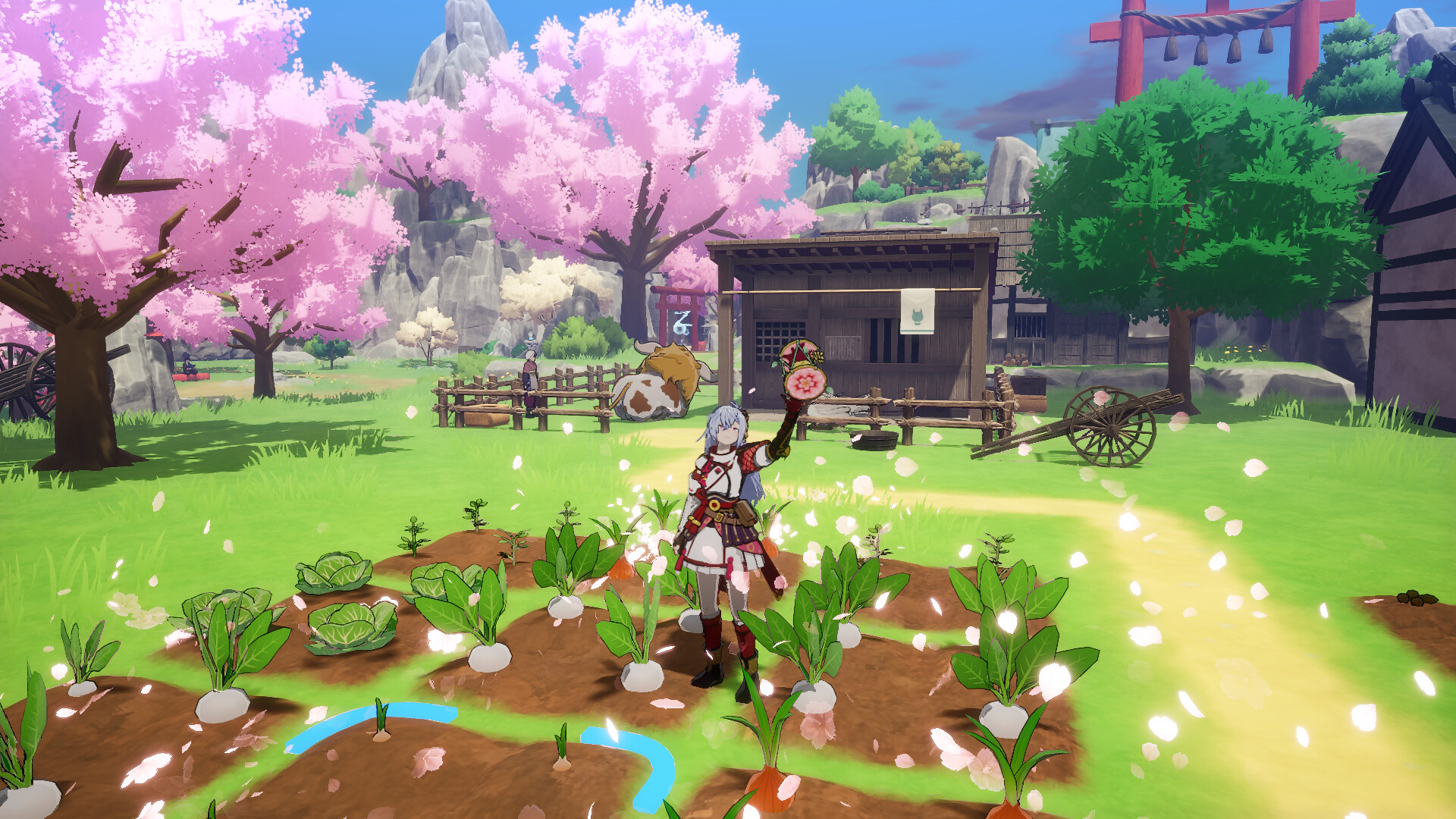
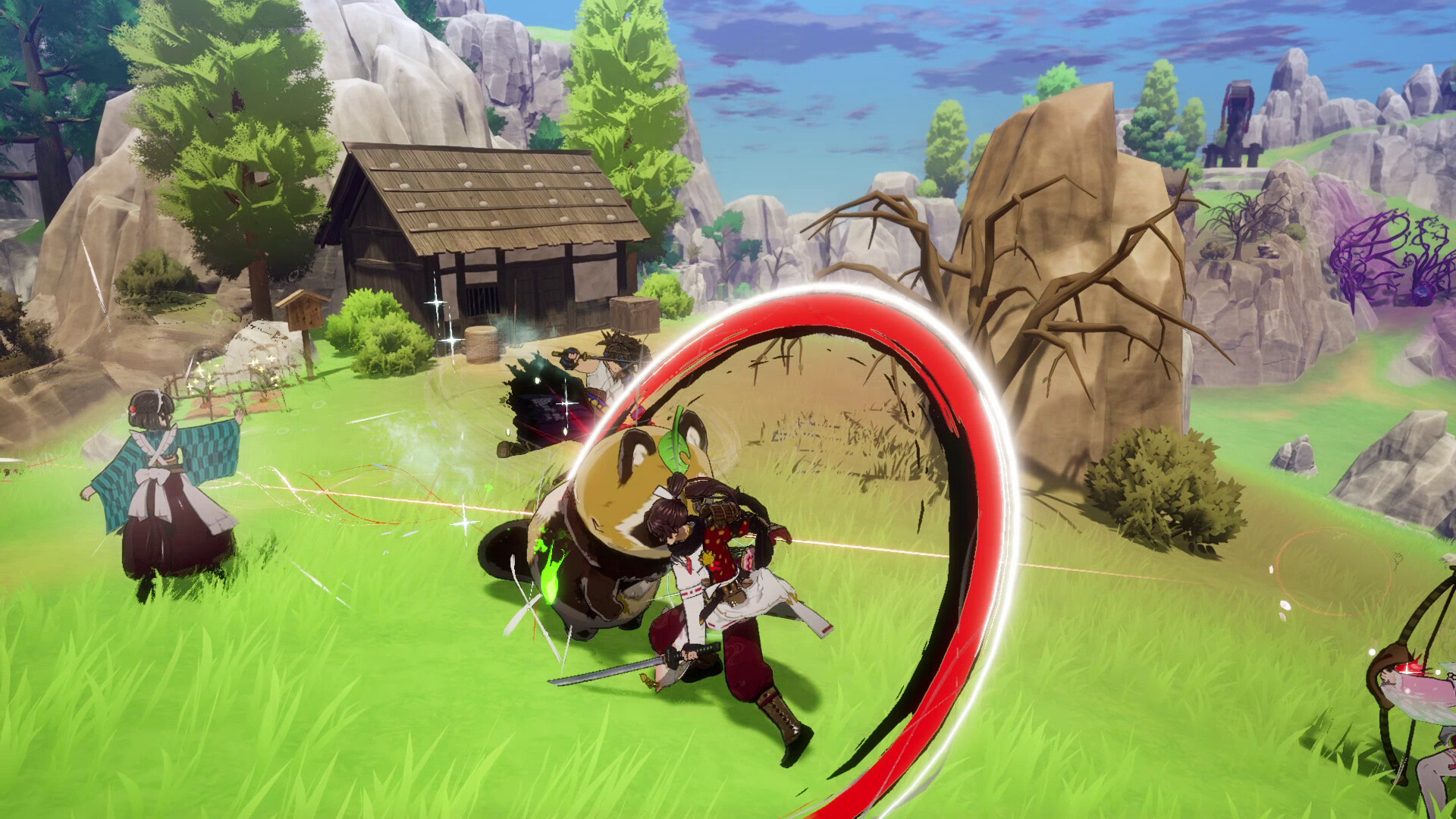
Rune Factory: Guardians of Azuma is a great fusion of two seemingly disparate genres. On one hand, it’s an action-RPG with fast-paced combat, where you swing swords, cast elemental spells, and battle beasts. On the other hand, it’s a life simulation game, where you farm crops, build relationships, and manage resources to grow a self-sustaining community. The best part? The game doesn’t let either side dominate, striking a balance that keeps both elements energizing and interconnected.
The real-time action is simple but still rewarding, with upgrades to your gear and abilities making each battle slightly more fun and different. Exploration is equally simple and still rewarding, as every cave or dungeon hides valuable loot, rare resources, and optional side quests. Meanwhile, the life simulation aspects—like tending to your farm, raising animals, and restoring the village—provide a grounding, meditative contrast to the chaos of combat, and the best part of the game.
Rather than feeling like a chore, these tasks are deeply satisfying. Planting seeds that grow into bountiful harvests or harvesting materials to craft better weapons creates a rewarding cycle. The game never makes you feel like you’re stuck in one mode for too long; if combat feels repetitive, a break in the farm or a conversation with a villager can rejuvenate your focus. This balance is one of the game’s greatest strengths, offering a rhythm that works for casual and dedicated players alike.
Romance: A Heartfelt Interlude
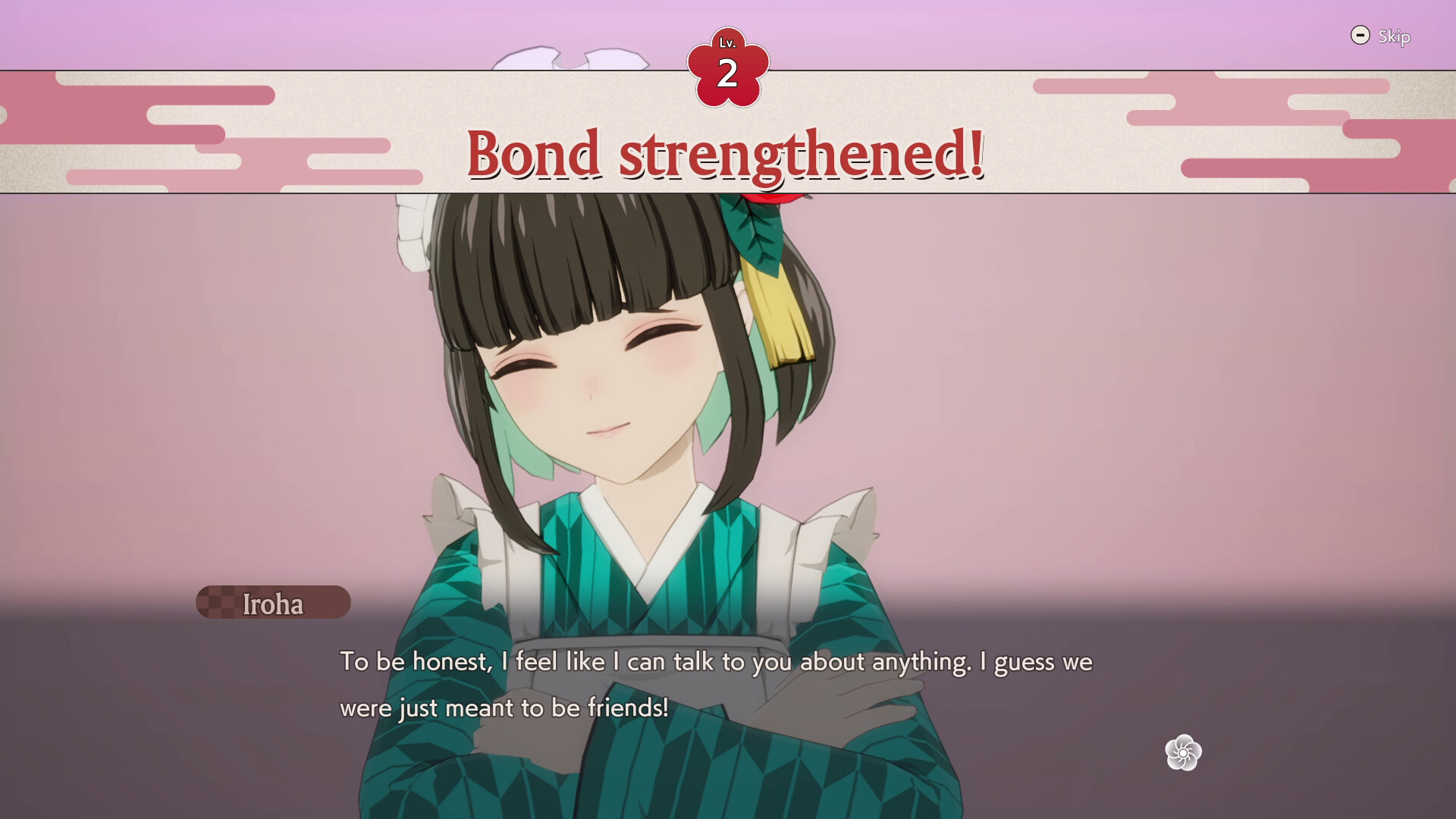
Amid the battles and builds, Rune Factory: Guardians of Azuma offers a unique opportunity to form personal bonds with its 16 romanceable characters, each character having distinct personalities, quirks, and storylines. Romance isn’t just a gameplay goal—it’s a chance to slow down and enjoy the charm of Azuma.
Building relationships involves gifting, completing specific questlines, and engaging in heart-to-heart conversations. These interactions add a layer of depth to the game, turning NPCs into memorable companions. The romantic subplot provides a welcome respite from the other aspects of the game, offering a softer, more personal experience. Whether you’re strolling through a festival with a partner or simply sharing a quiet moment at the inn, the romance system is a delightful break that feels earned and meaningful.
A Visual and Auditory Oasis
The PlayStation and Xbox versions of Rune Factory: Guardians of Azuma are more technically advanced. The game’s art style has been enhanced, with crisper textures, more detailed environments, and smoother frame rates on this hardware. The animations in dungeons now flow seamlessly, and the vibrant color palette of Azuma feels even more inviting. These upgrades don’t drastically change the experience but significantly enhance immersion, making every mountain and meadow more breathtaking.
The soundtrack complements the atmosphere. While the music isn’t groundbreaking, it leans into serene melodies and gentle instrumentals that underscore the game’s cozy vibe. Voice acting brings characters to life with expressive performances. While not every line is delivered great, the inclusion of voiceovers adds a professional polish that many life-sim games lack. Together, these elements create a soothing, almost meditative experience—ideal for unwinding after a long day.

Conclusion: A Harmonious Escape
Rune Factory: Guardians of Azuma is a great game in the hybrid genre, offering a balanced mix of action, exploration, and life simulation. Its improvements on PlayStation and Xbox may seem subtle, but they amplify the game’s core strengths, making it a more polished and accessible experience. While I personally miss the Switch’s handheld flexibility, the enhanced visuals and smooth performance on these consoles make up for it.
For anyone seeking an escape into a world where you can fight monsters by day and tend to crops by night, this game is a must-play. It’s not perfect—some side quests can be repetitive, and the voice acting occasionally misses the mark—but its heart is in the right place. In a world that often feels chaotic, Rune Factory offers a rare kind of peace, blending adventure with tranquility in a way that few games can. Azuma is a land worth discovering, and now, it’s more inviting than ever.
Leave a Reply