
The Dynasty Warriors franchise has been a mainstay of action‑hack‑and‑slash gaming for nearly three decades. By the time Dynasty Warriors: Origins arrived, it was already the tenth numbered entry in the series, not counting the myriad spin‑offs that have tinkered with everything from fighting‑game mechanics to rhythm‑game beats. The developers set themselves an ambitious goal: breathe new life into the long‑running series while keeping the core experience recognizable enough for veteran fans.
A messy tale of the three kingdoms
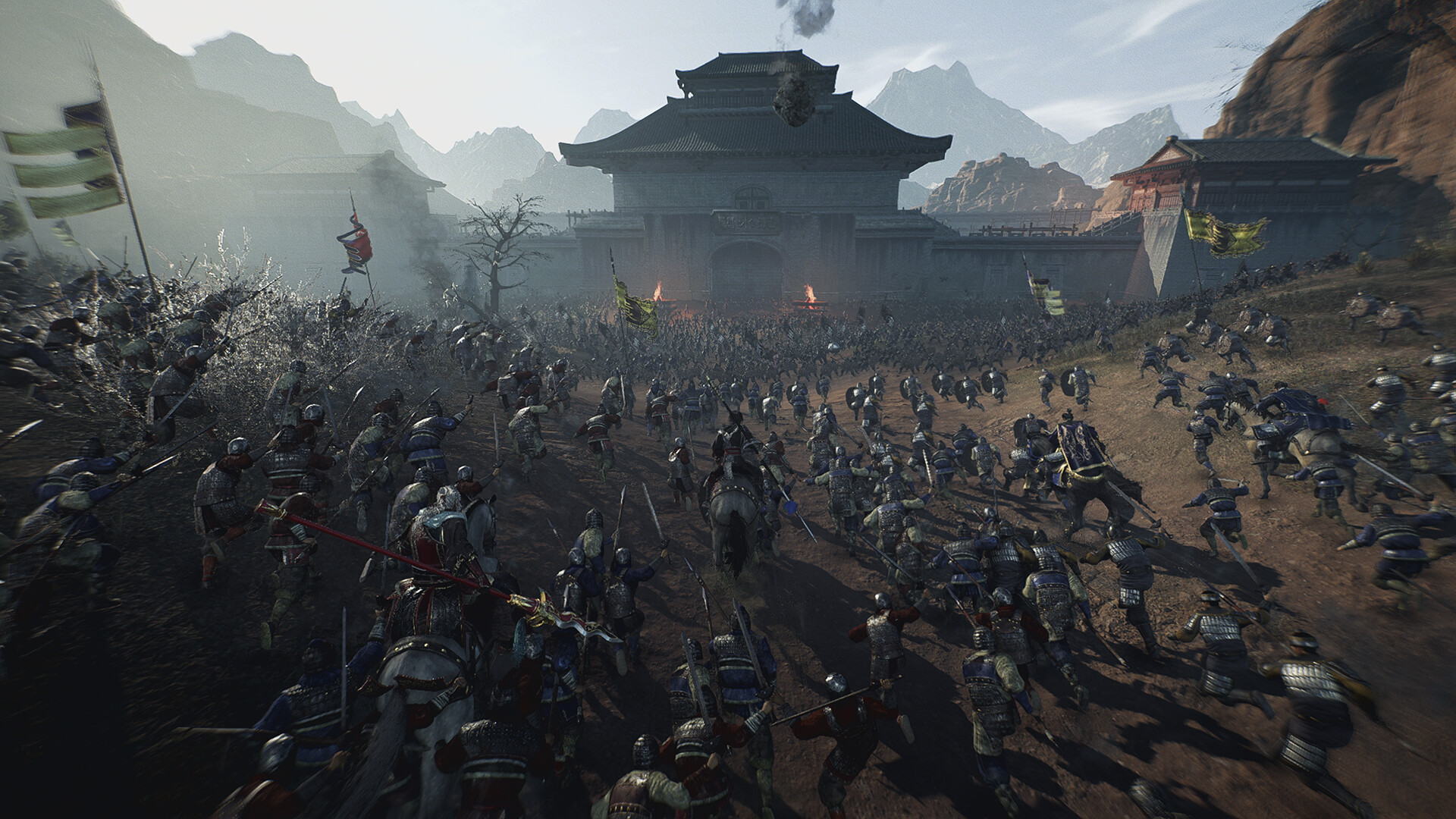
Dynasty Warriors: Origins is set at the outset of the Three Kingdoms era, a period of Chinese history that has inspired countless retellings. The narrative follows a nameless wanderer who encounters Liu Bei, Guan Yu, Zhang Fei with others who seeks to restore order after the collapse of the Han dynasty.
Origins introduces new characters at a breakneck pace, often on the same mission map where you’re still learning the controls. This rapid influx makes it difficult to remember who each commander is, let alone become emotionally invested in their personal arcs. The story’s pacing feels uneven: moments of high drama are sandwiched between extended stretches of “go take this base, then that base,” which can feel more like a checklist than a narrative drive.
That said, the game does deliver a handful of cinematic cutscenes that showcase the grandeur of the era. The art direction in these sequences adds a layer of gravitas that the on‑field missions sometimes lack. The main storyline, though occasionally muddled by its own ambition, remains a respectable entry point for players curious about the historical backdrop. Just be prepared to keep a reference sheet (or a quick wiki glance) handy if you want to track the dozens of officers that flicker across the battlefield.
A refined 1‑vs‑1000 Fantasy
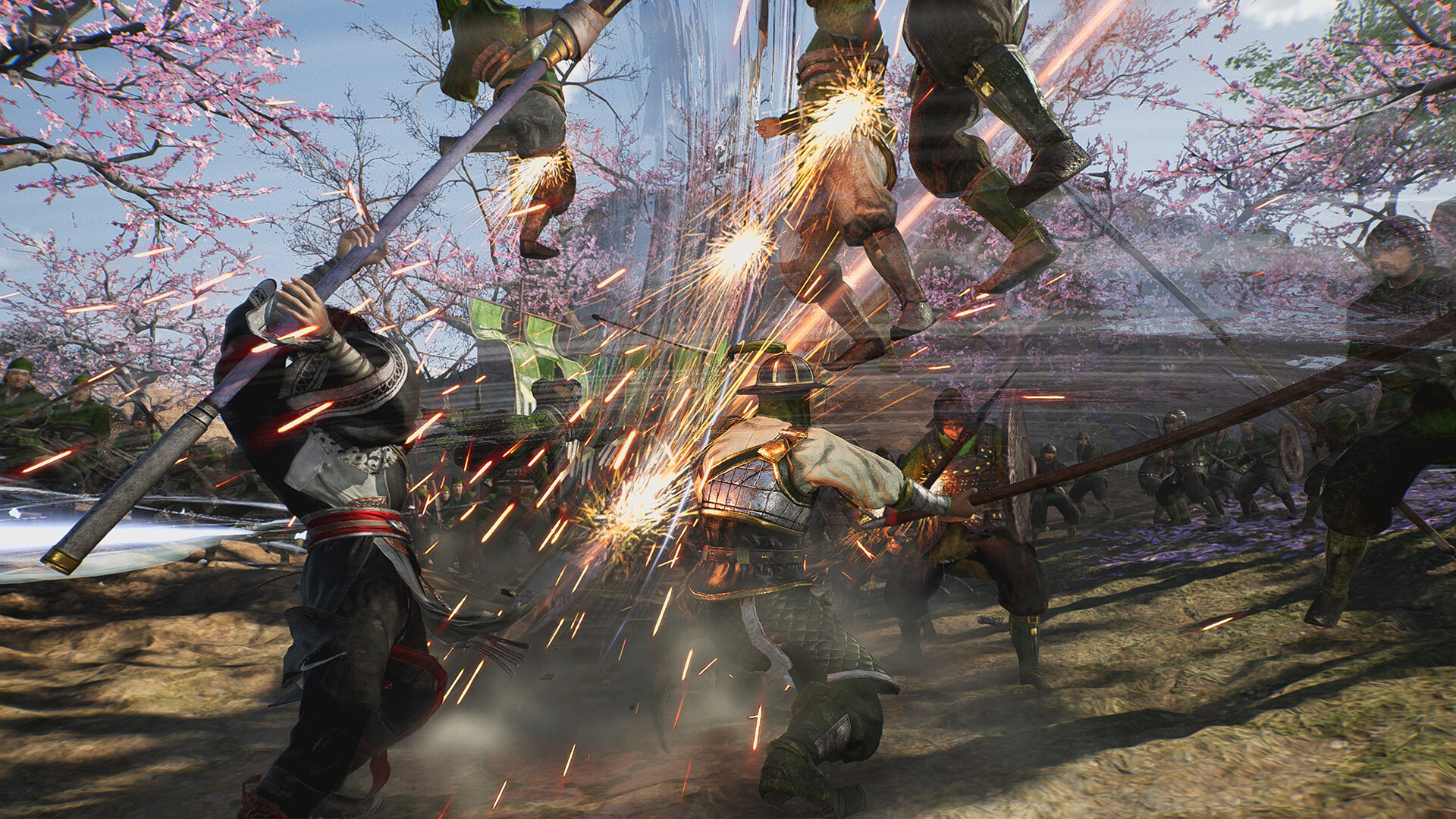
At its core, Dynasty Warriors has always been about the sheer joy of standing against a tide of foes. Origins refines that formula with a mix of new mechanics and familiar comforts. The hallmark of the series, charging into a battlefield and cleaving through hordes of enemy soldiers, remains as satisfying as ever. A standout addition is the parry mechanic, which adds a tactical layer to the otherwise chaotic brawling. By timing a block just before an enemy strike lands, you can deflect the attack and open a window for a counter. The game also has “special arts” that break enemy armor if timed correctly. Riding a horse into battle feels good and necessary at times. Your mount can charge through enemy lines, sending soldiers flying in a spectacular visual display.
Most missions are structured around a series of bases that belong to either your side or the enemy. The objective is to capture these points, pushing your front line closer to the mission boss. You also need to be checking the in‑game map for the status of fellow officers. In larger battles, you’ll notice a fellow officer holding a strategic lane that’s under heavy pressure. The game encourages you to swing back on horseback, assist them, and then resume your own advance. These “rescue runs” create a satisfying sense of teamwork, even though you’re playing solo.
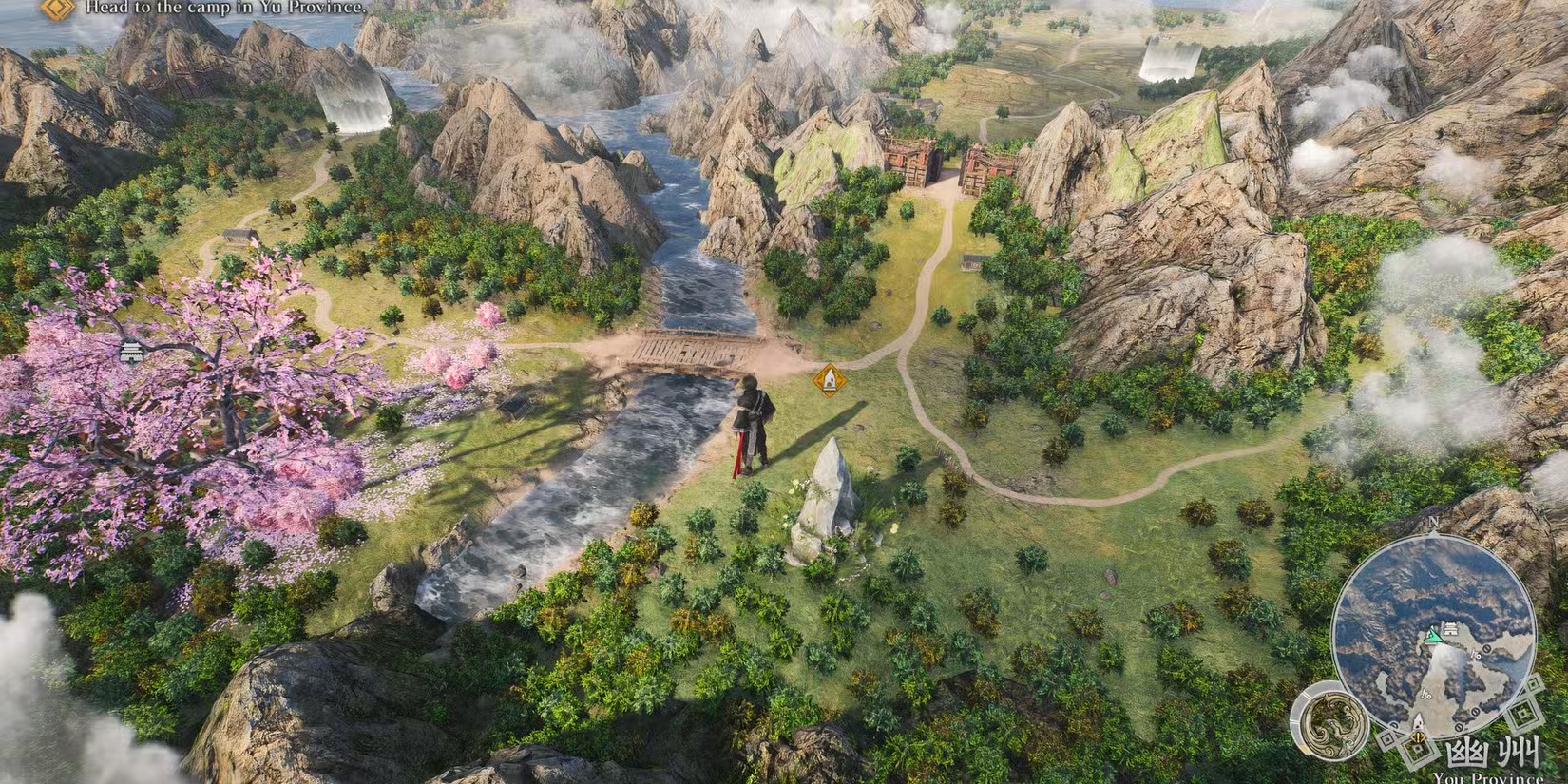
Between combat sessions, Origins offers an isometric 3‑D overworld map. You can ride around to different towns, talk to NPCs, collect resources, and unlock side missions. The visual design of this map is a pleasant departure from static mission select screens. It feels like an actual world you’re traversing, complete with bustling marketplaces and quiet countryside vistas.
It would be disingenuous to claim that every mission feels fresh. The level layouts and enemy wave patterns often repeat after a handful of stages. However, the very repetition is where Origins shines as a low‑stress, “wind‑down” experience. After a long day at work, you can sink into the couch, fire up a quick mission, and revel in the catharsis of a one‑man army. The game’s loop is perfect for short, nightly sessions that let you unwind without demanding intense concentration.
Good performance with great music
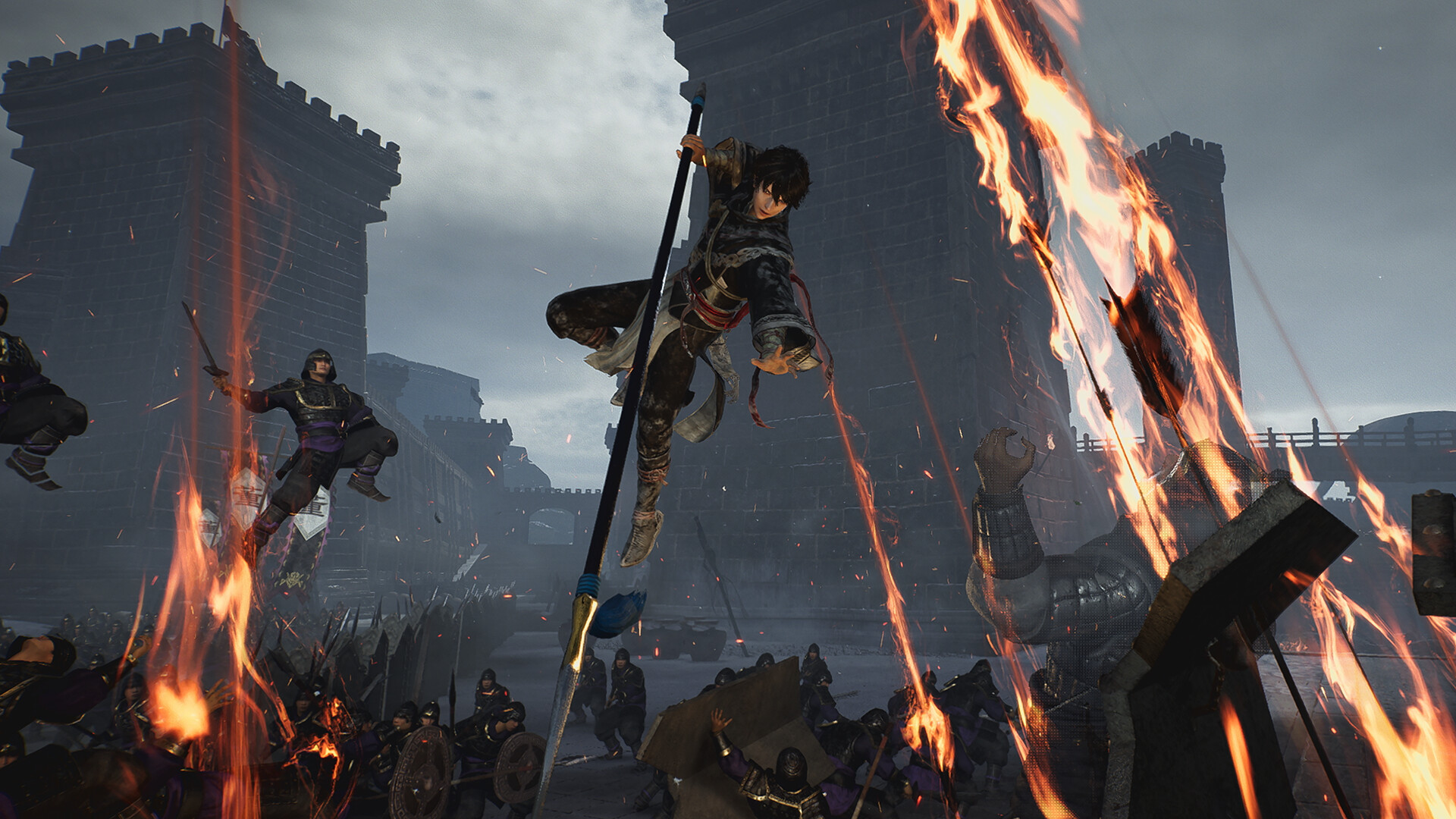
Visually, Dynasty Warriors: Origins strikes a solid balance between performance and polish. The battlefield environments are rich enough to convey a sense of scale—rolling hills, bustling forts, and sprawling plains—yet they are optimized to prevent frame‑rate dips even when the screen is saturated with hundreds of enemies.The cutscenes retain a higher fidelity, showcasing detailed character models, dramatic lighting, and fluid animation that reinforce the epic tone of the story.
Audio design receives equal attention. The soundtrack features a mix of traditional Chinese instruments and modern orchestral arrangements, underscoring both the historical setting and the high‑octane action. Even though the game’s core loop can become repetitive, the music never feels stale; each track loops seamlessly.I found myself keeping the volume on for the entire playthrough, which is a testament to how well the audio complements the visual chaos.
Switch 2 is a perfect fit
The Nintendo Switch 2 is an ideal platform for Dynasty Warriors: Origins. In both docked and handheld modes, the game runs good, and the visual fidelity remains consistent across the two configurations. The portability factor shines when you treat the Switch 2 as a handheld console for quick grinding sessions between errands; the smaller missions load pretty fast, and the 3‑D overworld can be explored on the go without any noticeable slowdown.
When docked, the larger screen truly does justice to the cinematic cutscenes. The sharper resolution and richer colors make the historical settings feel more immersive.The Switch 2’s improved battery life also means you can comfortably play for several hours in handheld mode without hunting for an outlet—a boon for those late‑night couch marathons after the kids are asleep. Overall, the Switch 2 version feels like the platform Origins was meant to inhabit: a hybrid of quick, bite‑size play sessions and longer, story‑driven runs, all wrapped in a portable package that never compromises performance.
Conclusion
Dynasty Warriors: Origins delivers a solid, modernized take on the classic “stampede” action that defined the series. Its strengths lie in: accessibility, stable performance, crisp cutscenes, and a fitting soundtrack keep the experience enjoyable even after hours of repetitive combat.
It is a perfect Fit for Switch 2. But it also has a rapid introduction of a large cast that makes it hard to track characters or become emotionally invested. Repetitive Mission Design. After a dozen missions, the structure feels formulaic, which may deter players seeking variety.
In the end, Dynasty Warriors: Origins is a commendable entry point for newcomers to the franchise and a comfortable nostalgic ride for veterans. It excels as a “pick‑up‑and‑play” title, especially on the Switch 2, where its blend of spectacle and simplicity shines. If you can overlook the crowded narrative and accept that the core gameplay will loop around similar set‑pieces, you’ll find a satisfying power‑fantasy experience that lets you live out the dream of being a lone hero in a war‑torn epoch.
Leave a Reply