
When Bungie announced Marathon, expectations were sky‑high. The studio’s pedigree, Halo and Destiny, promised a polished, high‑octane FPS with a fresh spin on competitive multiplayer. After spending dozens of hours on Tau Ceti IV, sprinting through cramped corridors, and listening to the game’s eerie synth‑driven soundtrack, I’ve gathered enough material to deliver my assessment. The short answer is, it is very good, read on for the longer one.
Intriguing premise that falls flat
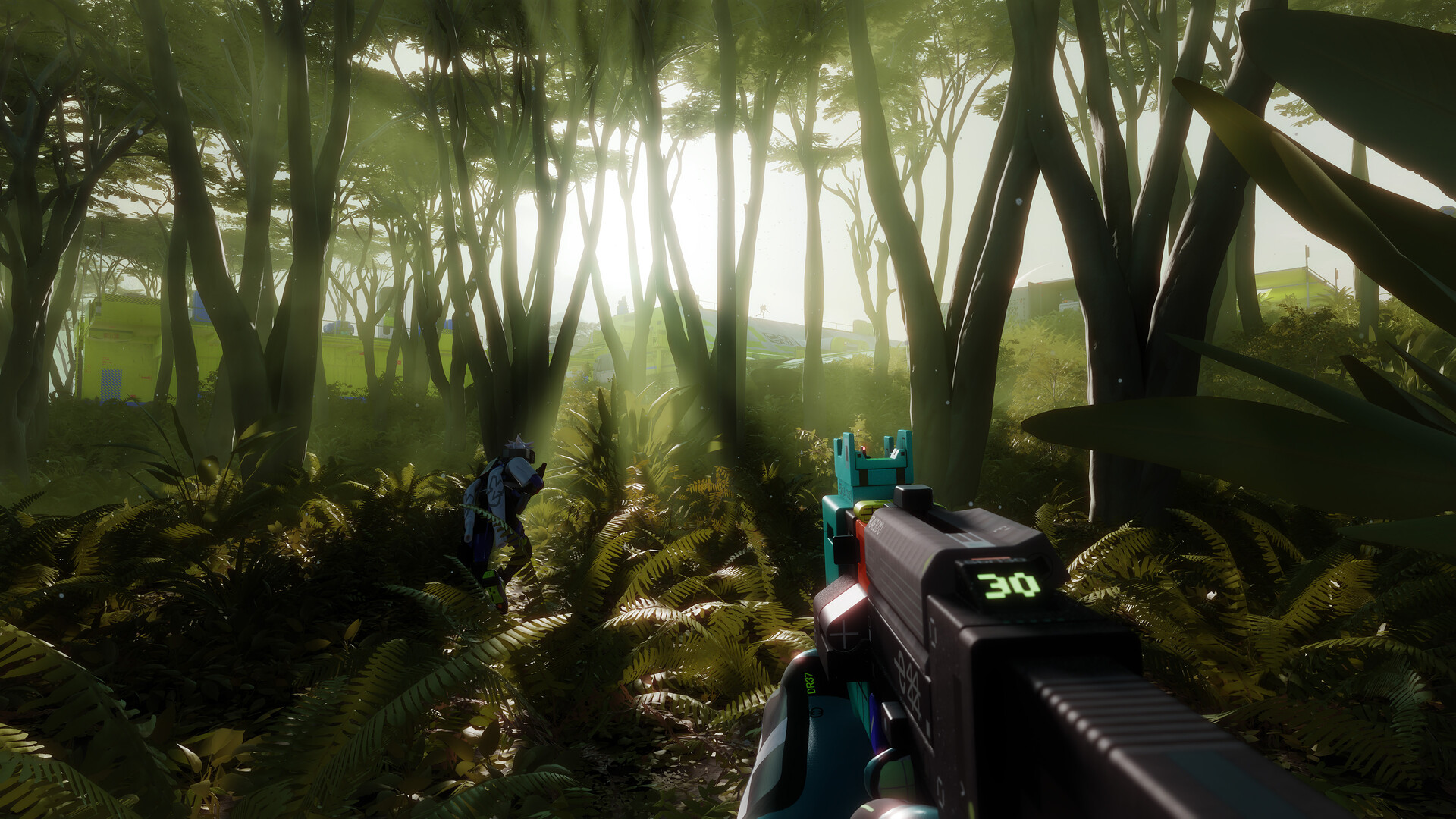
Marathon attempts to weave a sci‑fi mystery into its multiplayer framework. The backstory is pretty interesting but they never do anything more with it. The opening cutscene hints at a galaxy-spanning conflict among distinct factions, each with its own leader and objectives. Unfortunately, the narrative never gets the chance to develop beyond a few cryptic lines.
The faction monologues are similar to each other and not very interesting at all, I felt the need to skip everything there was something new to be said there. While the designers succeeded in giving each side a unique visual identity, one clad in sleek chrome, another in rusted industrial garb, these aesthetic differences are not reinforced by compelling dialogue or lore. As a result, the player’s emotional attachment to any side feels shallow.
Marathon could have taken advantage of its intriguing premise by fleshing out the history of the “shells” that dot the battlefield, but instead we get weird movies with bugs in the opening cutscene, and every time you start a match, I’ve read some explanation, but don’t see why they have this at all. It is just weird and not really adding anything to the world or the lore at all. Here they could have made something more of the backstory, the factions, the shells, kind of a missed opportunity.
What is with the UI?
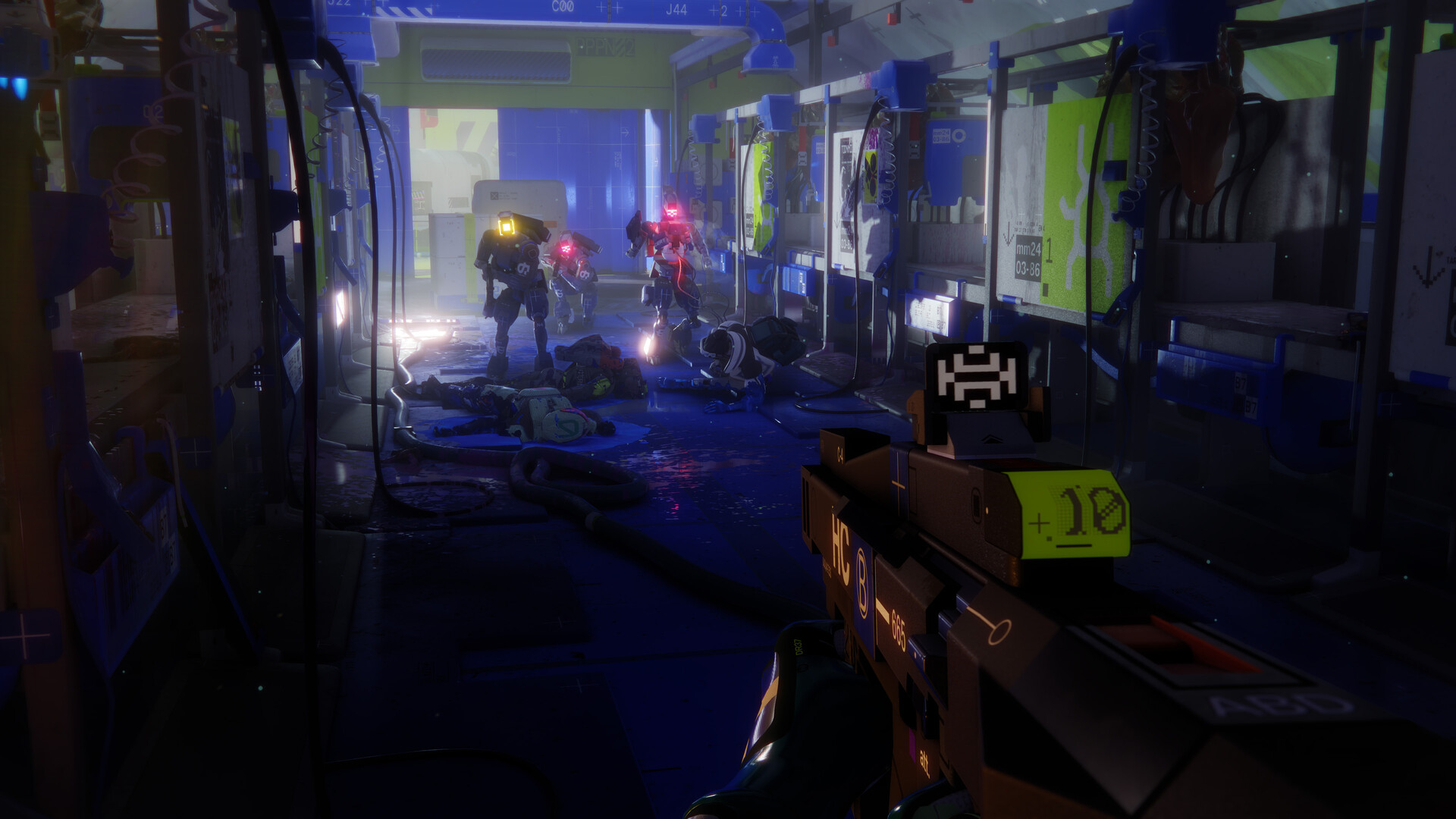
First impressions matter, and Marathon’s UI doesn’t just look weird it is also very hard to navigate. The main menu blends neon panels with low‑resolution icons, creating a retro‑futuristic vibe that quickly turns into visual noise. More frustrating than the aesthetic misstep is the sheer number of clicks required to reach the core gameplay.
Because there is a lot of menu‑navigation happening in the game, I really hope they make it smoother and easier to find stuff. Especially when it comes to the inventory management which can be a real hassle, especially when you need to fast to loot and throw stuff out, now you’ll probably be killed trying to sort that bag out with a gunfight close by.
Overall, the UI feels like a relic from an earlier era of PC gaming—functional but painfully inefficient. A redesign with clearer icons, a streamlined inventory hot‑swap, and a faster matchmaking lobby would dramatically improve the user experience.
Small maps and lacking enemy variety
Marathon’s maps are a double‑edged sword. Maps are very small, which has its ups and downs. The upside: you can easily go from one end to the other in a couple of minutes, which is needed for many of the missions. This compactness forces constant movement, encouraging aggressive playstyles and rewarding players who can read the map quickly.
The small scale also calls for more gunplay and encounters then if the map had been bigger. You are constantly looking out for enemies, since they can be around every corner. This creates a tense, “every step could be your last” atmosphere that pairs perfectly with Marathon’s aggressive soundtrack.
However, there are way too few maps, and then being short adds to this problem where it feels a bit too repetitive playing the maps, even if the run feels unique with enemy encounters in new places and new objectives. After a few hours in a single arena, the layout becomes memorized, and the novelty wears thin. The maps are few, but pretty diverse in their looks and feel very different and a little diverse in their design too, which does help offset the repetition. Each map carries a distinct visual theme—from industrial shipyards drenched in orange haze to sterile research labs bathed in cold blue light. Yet the limited number of maps means players inevitably start to see the same corridors and doorways over and over.
The single‑player and co‑op components of Marathon lean heavily on NPC enemies that act as both obstacles and occasional allies. Unfortunately, the NPC enemies are way too few in variation, there are only a couple of them and while they fit the theme of the game. The standard grunt and the occasional elite provide enough challenge for a few minutes, but they lack the distinct personalities or abilities that make enemy encounters memorable.
One of the most irritating aspects of Marathon is the time it takes to start a game. Starting a game takes way too long. Even with a healthy player base, seeing how there are people playing, I don’t really see the issue why it takes several minutes to find and start a match. The matchmaking algorithm should prioritize queue speed, but the net effect is a bottleneck that can sap momentum, especially for players looking for a quick pick‑up‑and‑play session.
Audiovisual excellence
If there’s a single aspect where Marathon truly excels, it’s its soundscape. Marathon’s audio design is great. The soundtrack really helps to set the tense almost horror‑like mood that the game has. Low, pulsating synths echo through empty corridors, while sharp percussive hits accentuate gunfire and player proximity alerts.
Weapon sounds deserve special mention: each firearm has a unique timbre, from the crisp pop of the pistols to the deep, resonant rumble of heavier weapons. This auditory variety adds to the tactile satisfaction of shooting and reinforces the claim that gunplay is by far the biggest strength of Marathon and what a treat it is.
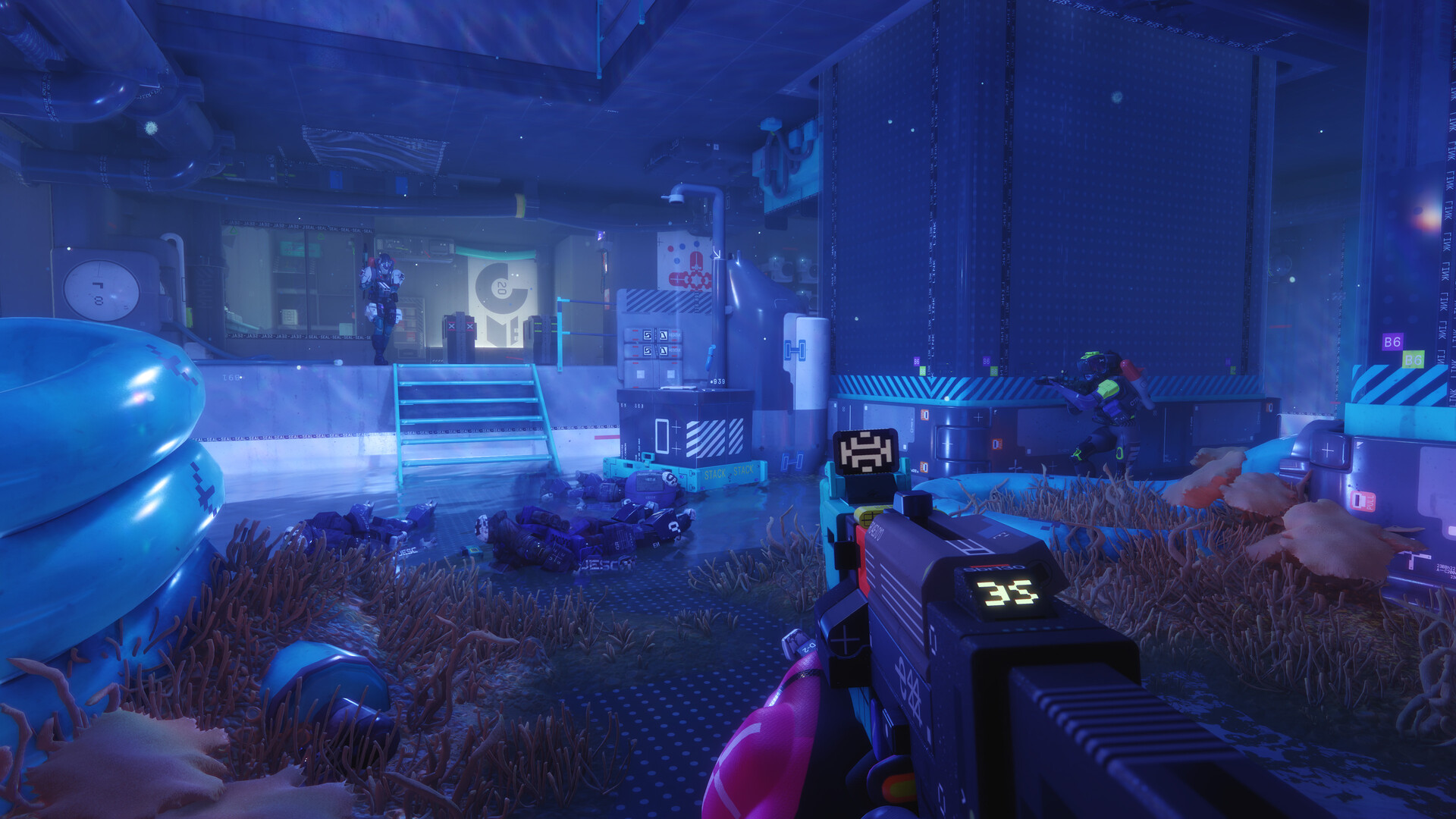
Marathon delivers a really good looking game. I like the combination of the stark colors on buildings and certain objects combined with a little darker lighting; it also helps create the spooky feeling. The art direction leans into a cyber‑punk aesthetic with neon‑slick signage contrasted against rusted metal and flickering fluorescent tubes.
The lighting system is subtle but effective, casting long shadows that make every corner feel ominous. The occasional lens flare from overhead drones adds a cinematic flair without overwhelming the player. However, the visual fidelity suffers when paired with the clunky UI; the dissonance between sleek 3D environments and the jarring 2D menus can pull you out of immersion.
Gunplay – The Heart of Marathon
All of the above criticisms collapse under one shining pillar: the gunplay in Marathon is exceptional. I would go as far as to say that Marathon has one of the best gunplay in any FPS. Everything from how the weapons handle, to their sound, to the nerve and tension of meeting another team on the map, especially if there is also fighting with NPCs at the same time, feels meticulously tuned. Weapon handling strikes a perfect balance between recoil realism and arcade responsiveness. The tight maps amplify this feeling, forcing quick reflexes and making every encounter feel high stakes.
Combined with the spooky music, the gunplay becomes almost theatrical. A sudden ambush around a corner, accentuated by an ominous synth swell, leaves you scrambling for cover while the sound of your weapon’s discharge reverberates through the cavernous hall. This synergy between audio, visuals, and mechanics is what makes Marathon feel alive.
Conclusion
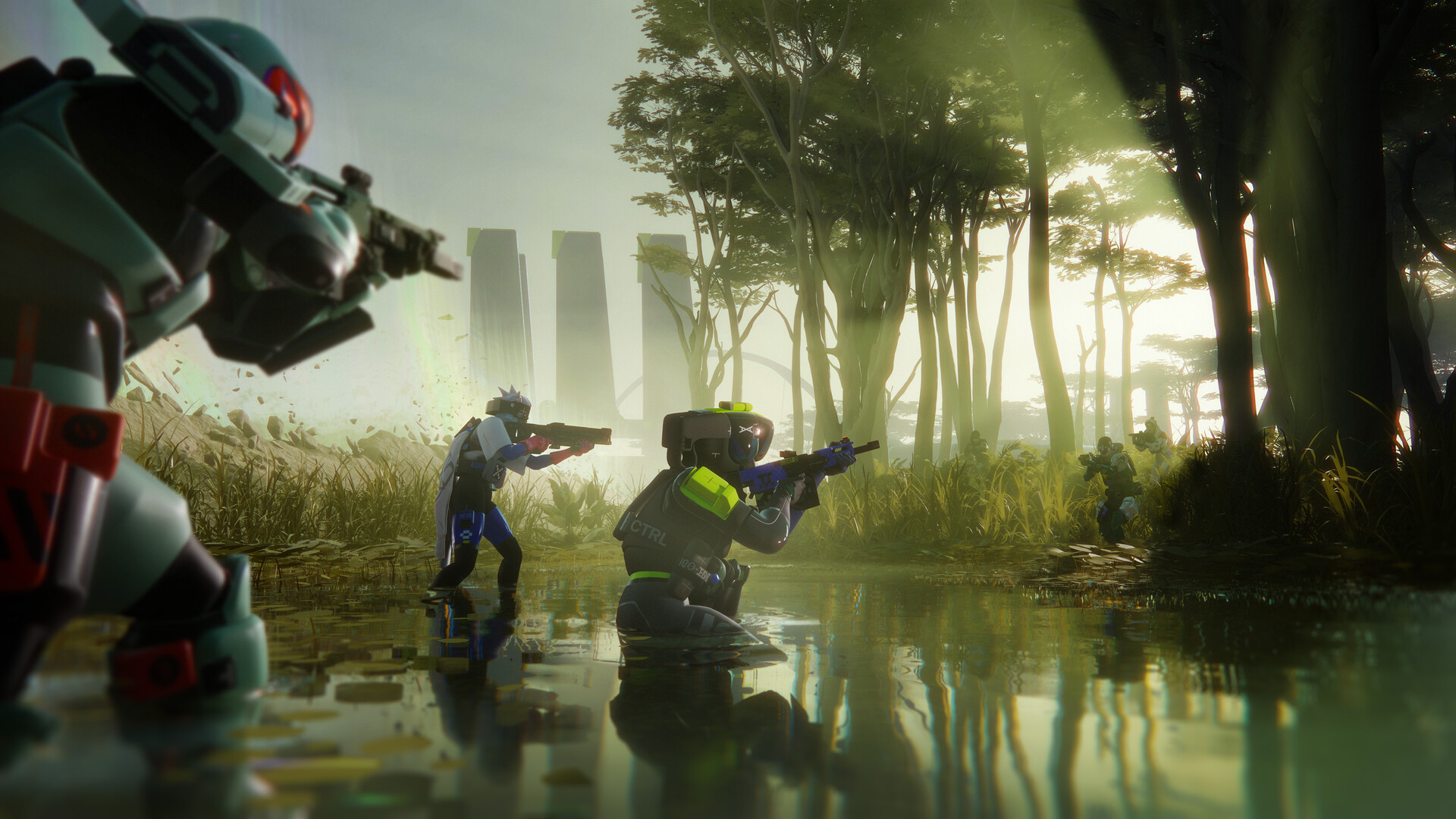
Marathon is a study in contrasts. On one side, it offers top‑tier gunplay, a stellar audio‑visual package, and an intense, fast‑paced multiplayer experience that rewards skill and reflexes. On the other hand, it suffers from under‑developed lore, a clunky UI, limited map variety, slow matchmaking, and a lack of enemy diversity.
If you’re looking for a shooter where every bullet feels meaningful, the tension is palpable, and the soundtrack keeps your heart racing, Marathon will not disappoint. However, if you crave deep narrative immersion, robust faction mechanics, or a polished user interface, you may find yourself frustrated by the missed opportunities highlighted throughout this review.
Bottom line: Marathon shines brightest when you lock eyes with an opponent across a dim hallway, let the score swell, and let the gunfire do the talking. With a few quality‑of‑life updates—particularly a UI overhaul, expanded map pool, and richer faction storytelling—this title could evolve from a solid shooter into a genre‑defining classic.
Leave a Reply