
When Ember Lab first announced Kena: Bridge of Spirits, the screenshots looked like the kind of lush, hand‑crafted worlds you’d expect from a Pixar feature film. Now that the game is finally on the Nintendo Switch 2, it’s time to see whether the title lives up to that promise, and whether the portable powerhouse can deliver the experience without compromise. Below, I break down the game’s visual splendor, narrative weight, and three core gameplay pillars, and weigh the occasional rough edges that pop up along the way.
A World That Looks and Feels Like a Pixar Movie
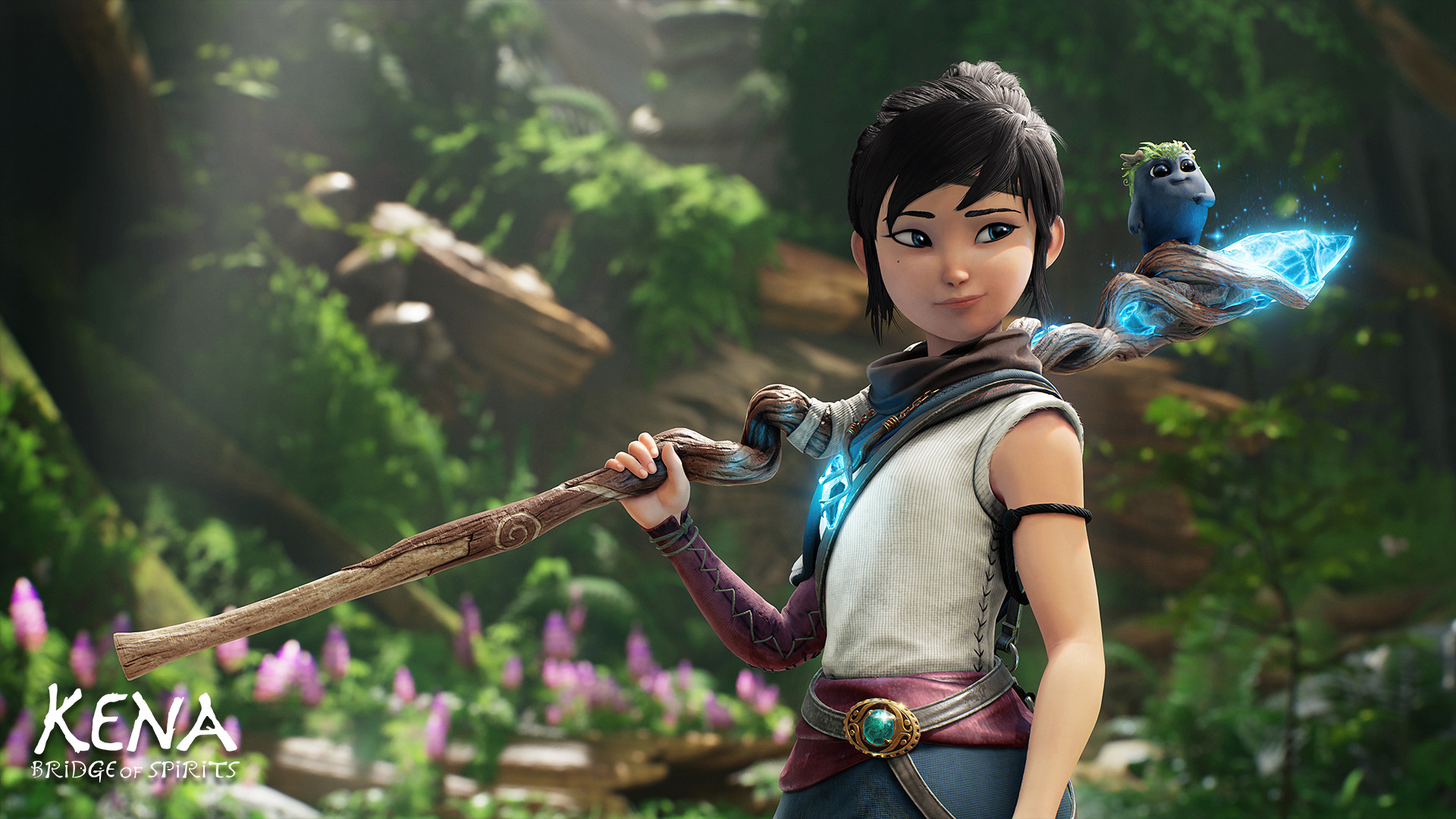
From the opening cutscene, Kena is an absolute visual feast. The environments are drenched in vibrant colour, with soft lighting that makes forests glow like sunrise and ancient ruins shimmer with a gentle, otherworldly luminescence. Every creature—whether it’s a shy forest sprite, a hulking stone golem, or the rot enemies that haunt the world, looks as if it could have stepped straight out of a high‑budget animated film. The art direction is consistent throughout, and the animation quality stays remarkably cinematic even when the game runs in handheld mode on the Switch 2. In short, playing Kena truly feels like playing through a Pixar movie in every sense, a claim that’s not hyperbole but an honest observation.
Storytelling that Strikes an Emotional Chord
The main plot follows the titular spirit guide, Kena, as she attempts to restore a fractured village and lay restless spirits to rest. The writing is clean, concise, and surprisingly mature for a title that markets itself as family‑friendly. Several scenes hit with such emotional resonance that I found myself on the brink of tears.
While the red thread of the central storyline is solid, the hidden gems are the smaller, character‑driven vignettes that pepper the journey. These stories flesh out the world and its inhabitants, providing context that makes the larger quest feel organic rather than forced. It’s a narrative design that rewards exploration (even if the exploration itself is modest) and encourages players to linger a little longer in each new area.
Three gameplay Pillars, One Experience
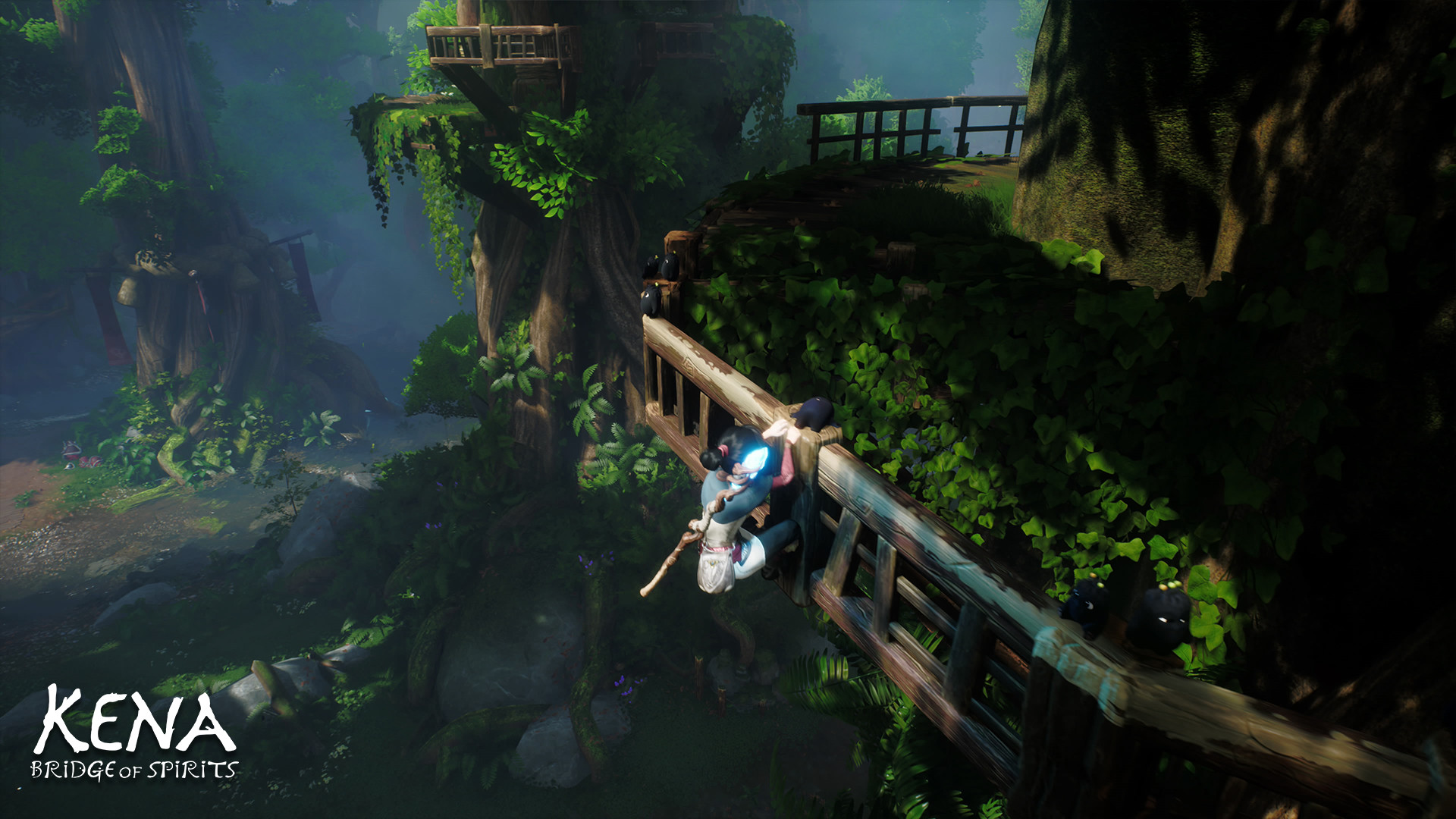
Kena’s mechanics rest on three distinct pillars: platforming/puzzles, combat, and exploration. Understanding how each one functions helps explain both the game’s strengths and its occasional shortcomings.
Jumping from one floating platform to the next feels fluid; missed jumps are a result of player error, not clunky input lag. Puzzle design often intertwines with traversal—players must manipulate ancient mechanisms, align light beams, or guide the Rot spirit companions to solve environmental challenges. The learning curve is gentle, and the sense of accomplishment after completing a complex puzzle is immediate.
Combat in Kena is a blend of melee swings, ranged attacks, and a handful of unlockable abilities. The system feels good, the transitions between swordplay and spirit‑shot are smooth, and the variety of enemy designs keeps encounters fresh enough to avoid monotony. However, the combat never truly evolves; new abilities feel like cosmetic upgrades rather than game‑changing tools. The later boss fights do raise the difficulty bar, testing player reflexes and strategics. For veterans, the challenge remains modest; for casual players or those who don’t game often, the final spikes can feel steep, especially given the relatively forgiving difficulty of earlier sections.
Exploration isn’t the show‑stopper here, but it still adds a worthwhile layer. Hidden collectibles, optional relics, and secret areas are to be found in each region. Completing a side activity often grants something to help you, nudging players to stray from the beaten path. While the world isn’t massive, the pockets of optional content dovetail nicely with the narrative vignettes, encouraging a more thorough appreciation of the world’s lore.
Pacing, Repetition, and the Difficulty Curve
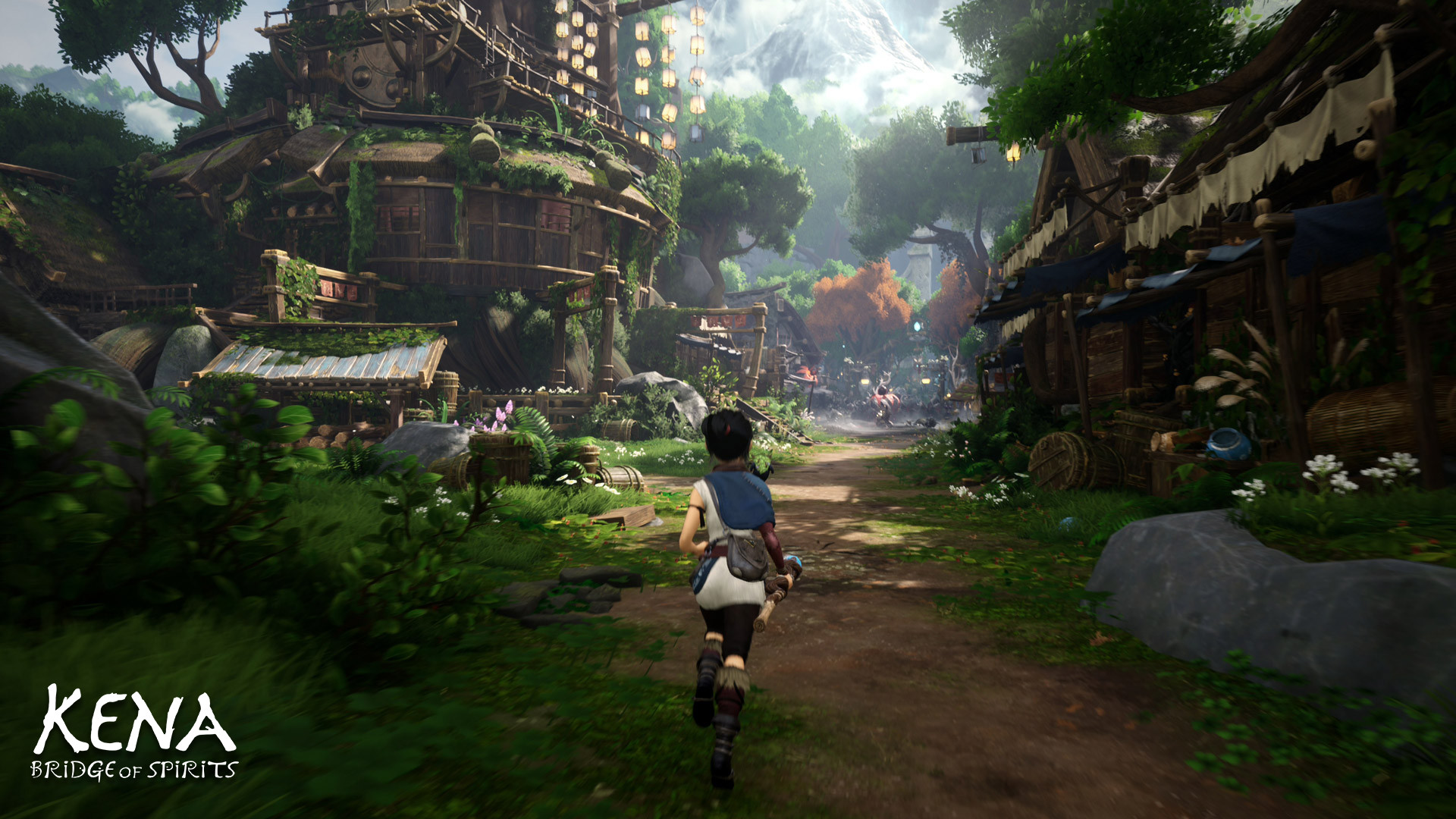
Kena’s pacing is uneven. The first half of the game feels deliberately light, emphasizing traversal, puzzle‑solving, and gentle combat. This design aligns with the title’s family‑oriented vibe, making it accessible to younger players and newcomers. However, as the story progresses, the gameplay leans heavily into tougher combat scenarios, culminating in a difficulty spike that feels out of step with the earlier tone.
The mission structure follows a predictable formula: collect three relics, defeat a boss, repeat. Over long play sessions, this cycle can become repetitive, dragging momentum down. Yet, if you tackle the game in bite‑sized sessions, perhaps one area per evening, the familiarity of the loop becomes a comforting rhythm rather than a slog. In that sense, the design is deliberately modular, allowing the game to function both as a weekend marathon and a series of short, digestible experiences.
Switch 2 – The Perfect Home for Kena
Launching on the Nintendo Switch 2 feels like a natural fit. The game runs flawlessly in both docked and handheld modes, with no noticeable frame‑rate dips even during the more visually intensive boss encounters.
Moreover, the Switch’s family‑first ethos mirrors Kena’s own design philosophy. The accessible controls, approachable difficulty (aside from the final stretch), and wholesome storytelling make it an ideal pick for a couch‑cozy gaming night or a road‑trip adventure. The platform’s portability ensures that the magic of Kena’s world can be experienced anywhere, without sacrificing visual fidelity.
A Beautiful, Heartfelt Adventure
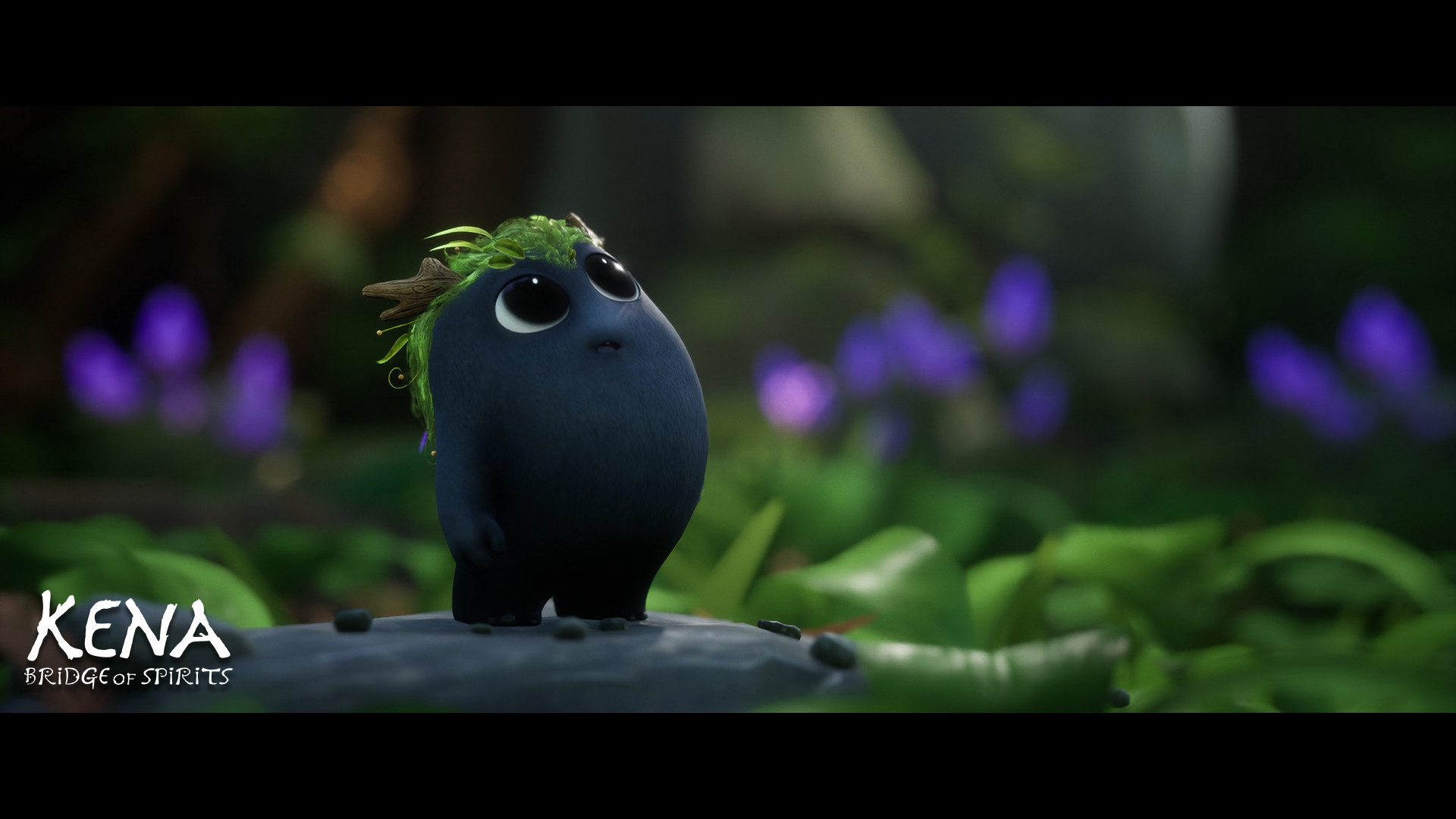
Kena: Bridge of Spirits is a triumph of artistic vision and narrative charm. Its Pixar‑level visuals deliver a world that feels both magical and lovingly crafted, while the story offers moments of genuine emotional weight that linger after the controller is set down. Gameplay, built on three solid pillars, provides enough variety to keep things interesting, even if the combat never fully breaks new ground and the mission template can feel a touch formulaic.
The biggest criticisms are the late‑game difficulty spike and the repetitive mission loop, which may alienate players seeking a consistently smooth experience. Nonetheless, these issues are minor blemishes on an otherwise polished title, especially when the game is played in short bursts that let the familiarity work in its favour.
On the Nintendo Switch 2, Kena finds a home that complements its design intent. The console’s performance, handheld convenience, and family‑friendly reputation make it the perfect platform for a game that aims to be both a visual wonder and an inclusive adventure. If you enjoy gorgeous worlds, heartfelt storytelling, and a gameplay loop that rewards patience and curiosity, Kena: Bridge of Spirits is a great game, period—and the Switch 2 is arguably its ideal showcase.
Leave a Reply