
Shinobi: Art of Vengeance arrived last year during what might be hailed as the “year of the ninja games,” yet somehow, we managed to miss it. Thankfully, with the recent release of the SEGA Villains Stage DLC, we finally sat down to experience the core title alongside the new content. After spending significant time with it, we can confidently say we are sold. This is, without a doubt, one of the most compelling entries in the action-platformer genre we’ve played in years, even if the DLC sadly never deliveries.
Purposeful, If Not Pulses-Pounding
The narrative in Shinobi: Art of Vengeance serves its role efficiently carrying the typical gravitas you’d expect from the genre. The voice acting is surprisingly competent, lending a professional polish to the game. That said, the story isn’t the primary highlight; it doesn’t aim to reinvent the wheel of storytelling or deliver a complex, branching epic. Instead, it serves as a reliable vehicle to propel you from one mission to the next with a clear sense of purpose. In a game this focused on mechanical mastery, that is more than enough to keep the momentum going.
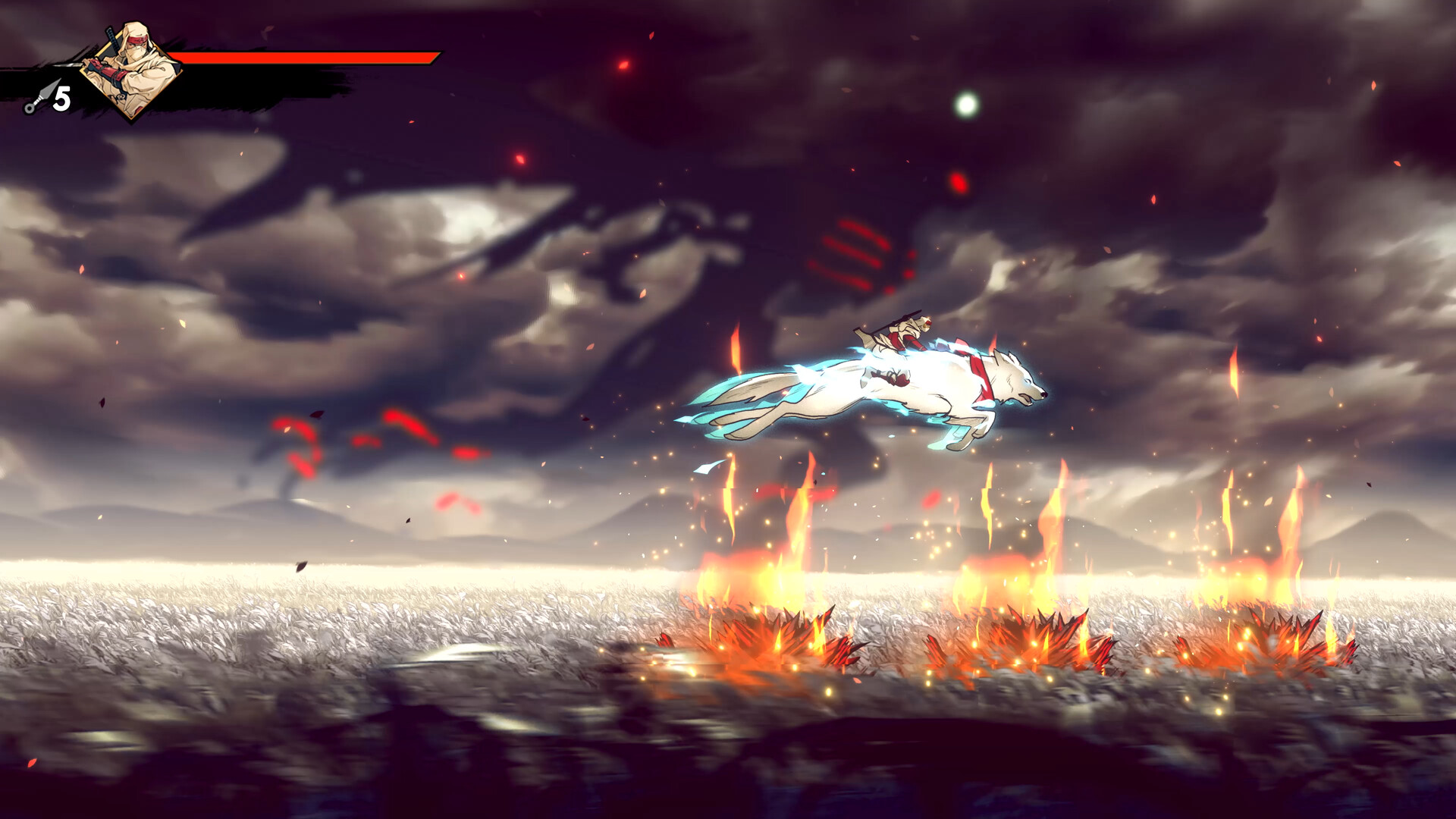
Visually, Shinobi: Art of Vengeance is a triumph. The animation quality is stellar; your character’s movements are fluid and expressive, providing the game with a level of polish that helps it stand out from its competitors. The art style feels like a love letter to the golden era of 2D action games, reminiscent of the classics we grew up with, but rendered with the clarity and detail of modern hardware.
Fluidity Meets Forgiving Design
One of the first things you’ll notice is that the game is rather forgiving. With frequent checkpoints scattered throughout the stages, the frustration factor that can plague these games is largely absent. Personally, I appreciate this design choice, as it encourages experimentation. My only minor gripe lies in the pacing of the missions themselves. Many stages feel slightly overextended, often segmented into multiple areas that drag the experience out. I suspect the game would have been even better suited for quick pick-up-and-play sessions on the Steam Deck if the levels were shorter and more numerous.
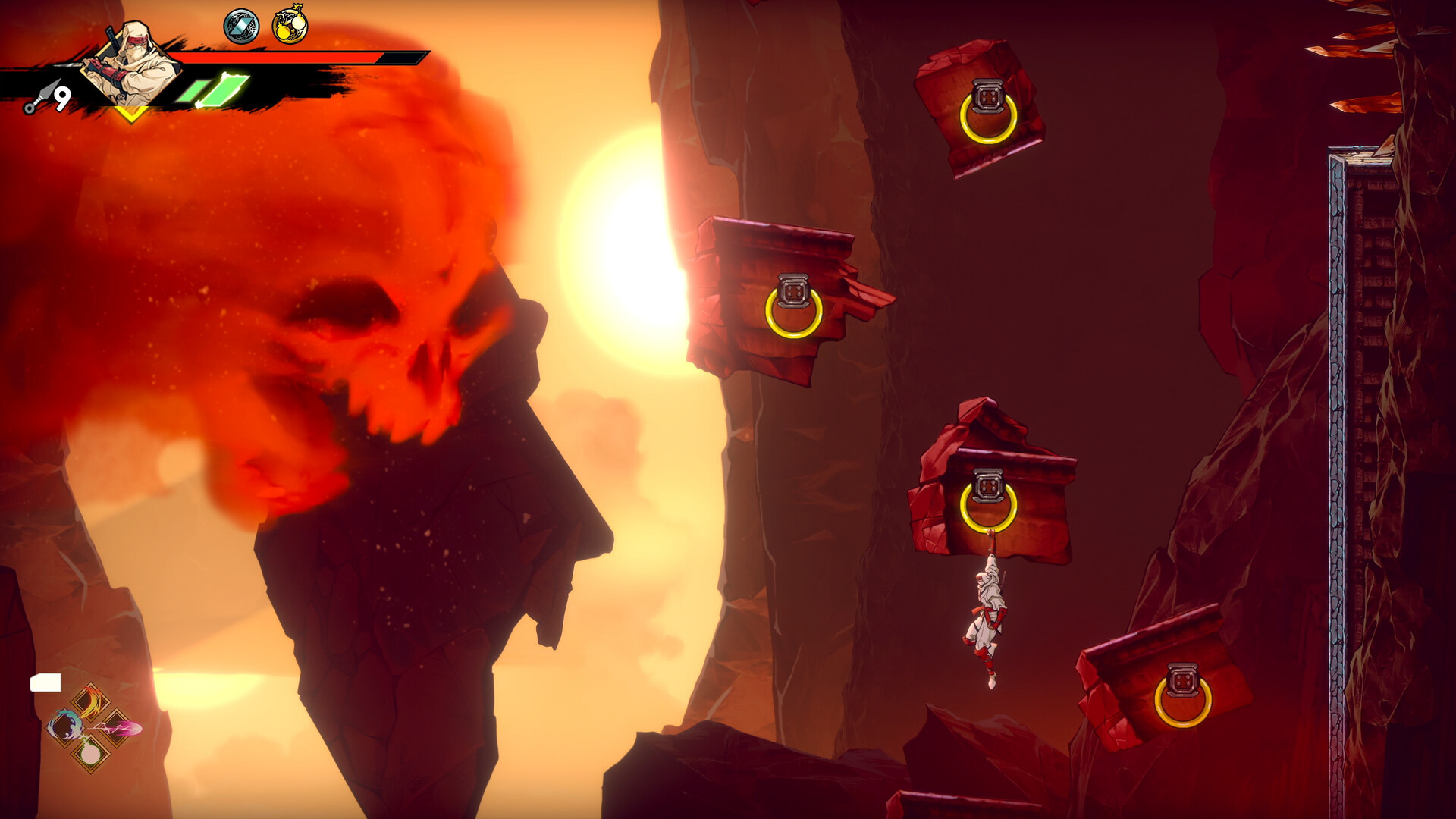
Mechanically, the game shines. Like most classics in the genre, the experience is split between kinetic combat and precise platforming, and Shinobi nails both. The combat feels like a choreographed dance; between your dodges, rolls, and strikes, the flow feels entirely natural. You feel like a ninja god early on, and this sense of empowerment only grows as you unlock upgrades and face off against more formidable enemies.
The platforming is equally tight. While the auto-climbing mechanic takes a brief adjustment period, once you find your rhythm, every double-jump and wall-run feels purposeful. The boss encounters are a particular highlight, each one brings a distinct visual identity and a unique set of move patterns that force you to adapt. While some purists might find the game on the easier side, I found the variety of these encounters to be a pure joy. The level design complements this perfectly, utilizing verticality and clever hazards like scrolling screens and moving platforms to keep the gameplay fresh, even if the enemy variety itself is somewhat limited.
SEGA Villains Stage DLC: Potential Left Unmet
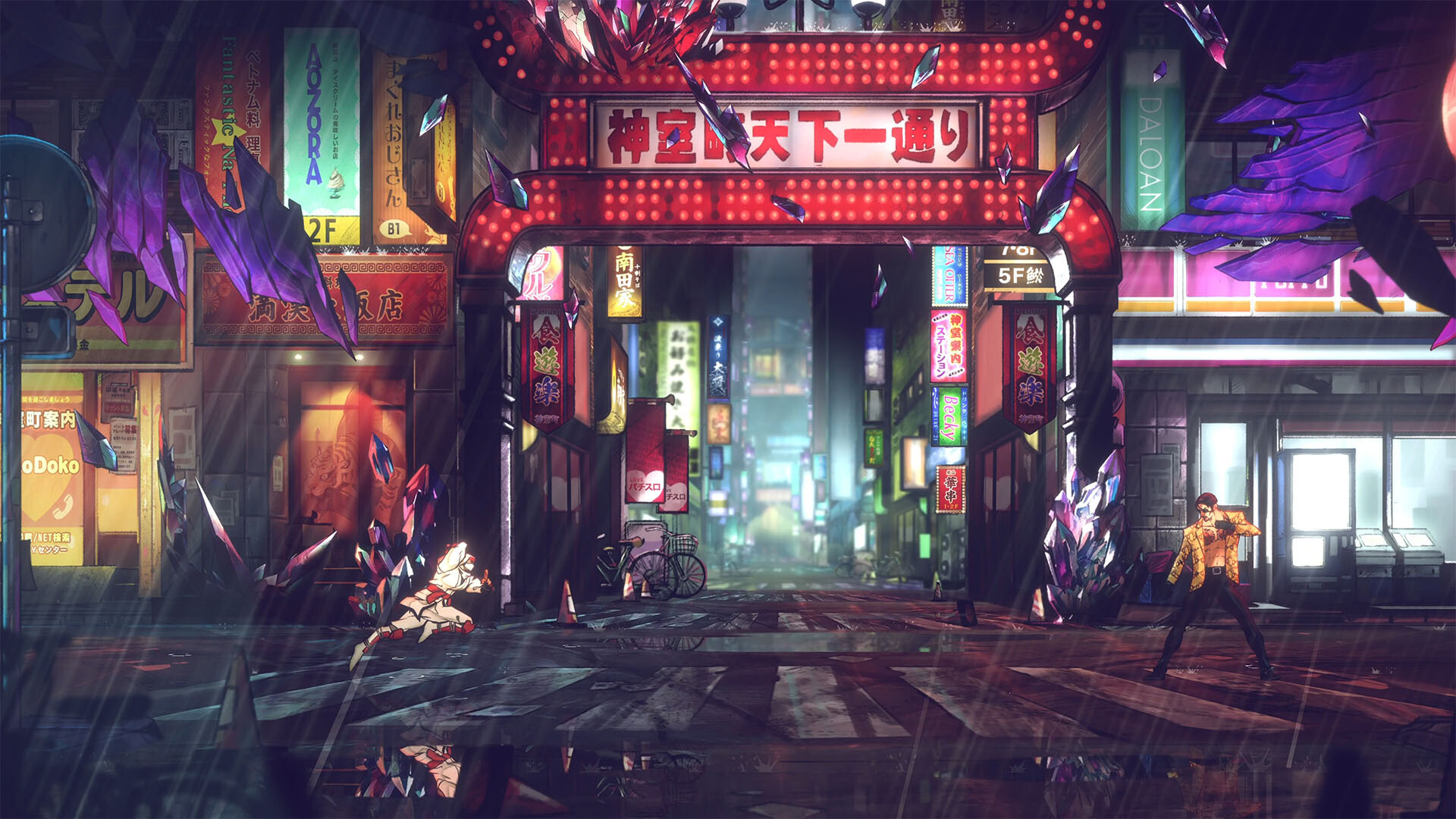
The SEGA Villains Stage DLC looked incredible on paper. As a huge fan of the Yakuza/Like a Dragon series, the prospect of navigating a 2D Kamurocho to square off against Goro Majima was a dream. Unfortunately, the execution feels disparate from that promise.
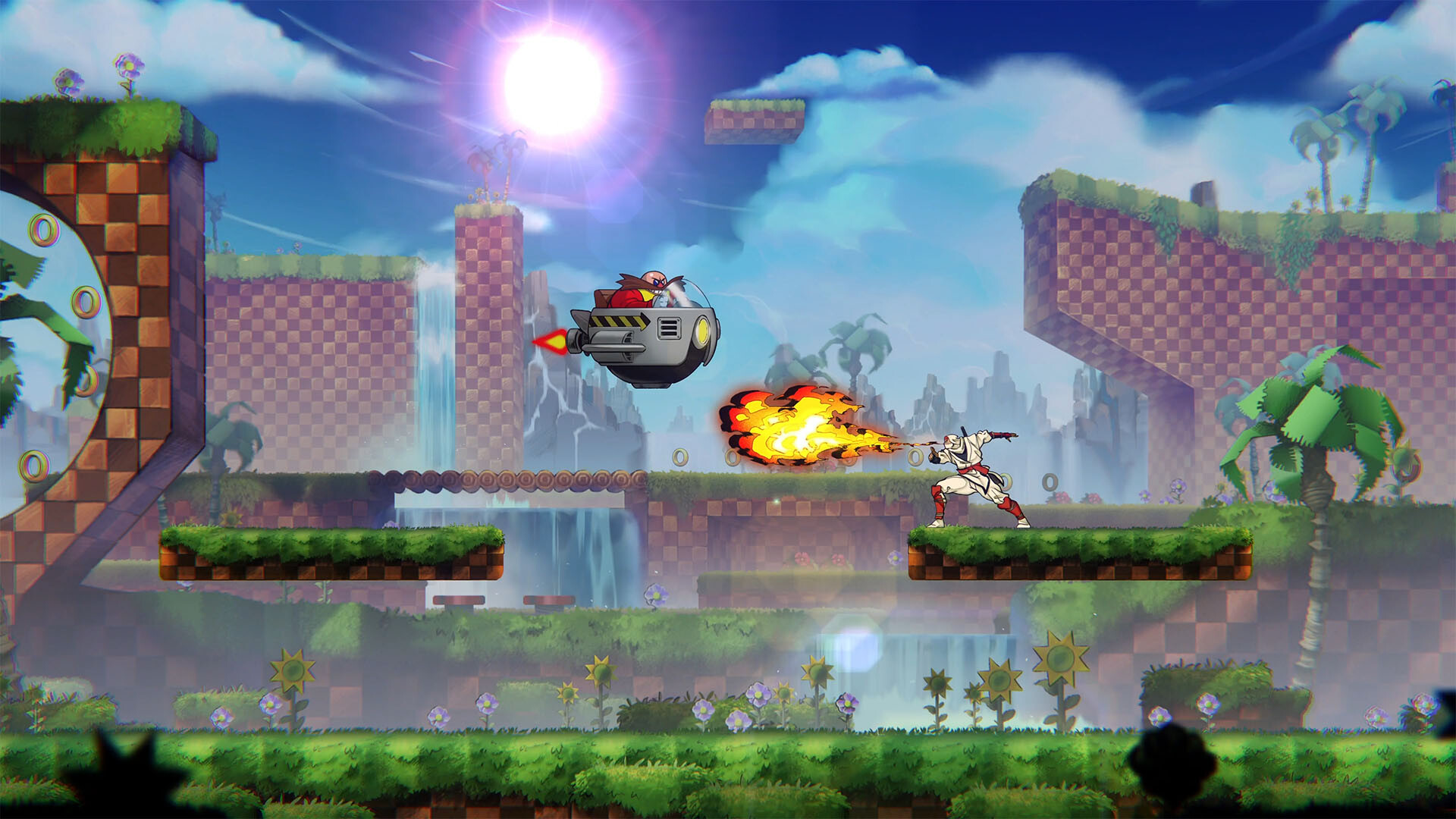
The environments in the DLC largely reuse the assets and layouts from the core game, failing to capture the unique atmosphere of the franchises the villains originate from. For instance, the Kamurocho level feels more like an ice cave with a few buildings pasted into the background rather than a true homage to the vibrant streets of Tokyo. Aside from Green Hill Zone, which looks stunning but is unfortunately over in a blink, the DLC suffers from a lack of creativity in level design. Furthermore, fighting the same recurring enemies from the main game makes the DLC feel a bit repetitive. That said, the boss fights themselves are nostalgic and well-designed, providing the only real reason to dive into this expansion.
Conclusion
Shinobi: Art of Vengeance is a fantastic game—easily one of the best in the genre from the last decade. While the missions can feel a bit long and the DLC fails to live up to its thematic promise, the core gameplay is virtually unmatched. The combat is fluid, the platforming is precise, and the boss fights provide a satisfying challenge that keeps you coming back for more. If you missed this one last year, it is well worth catching up on now.
Leave a Reply