
On paper, the premise of Hope in the City is exceptionally intriguing: a deductive mystery game that invites players to explore a corner of China rarely represented in the medium. While the game successfully delivers a compelling mystery throughout its brief runtime, it ultimately leaves you wanting more.
A Compelling Premise with Uneven Execution
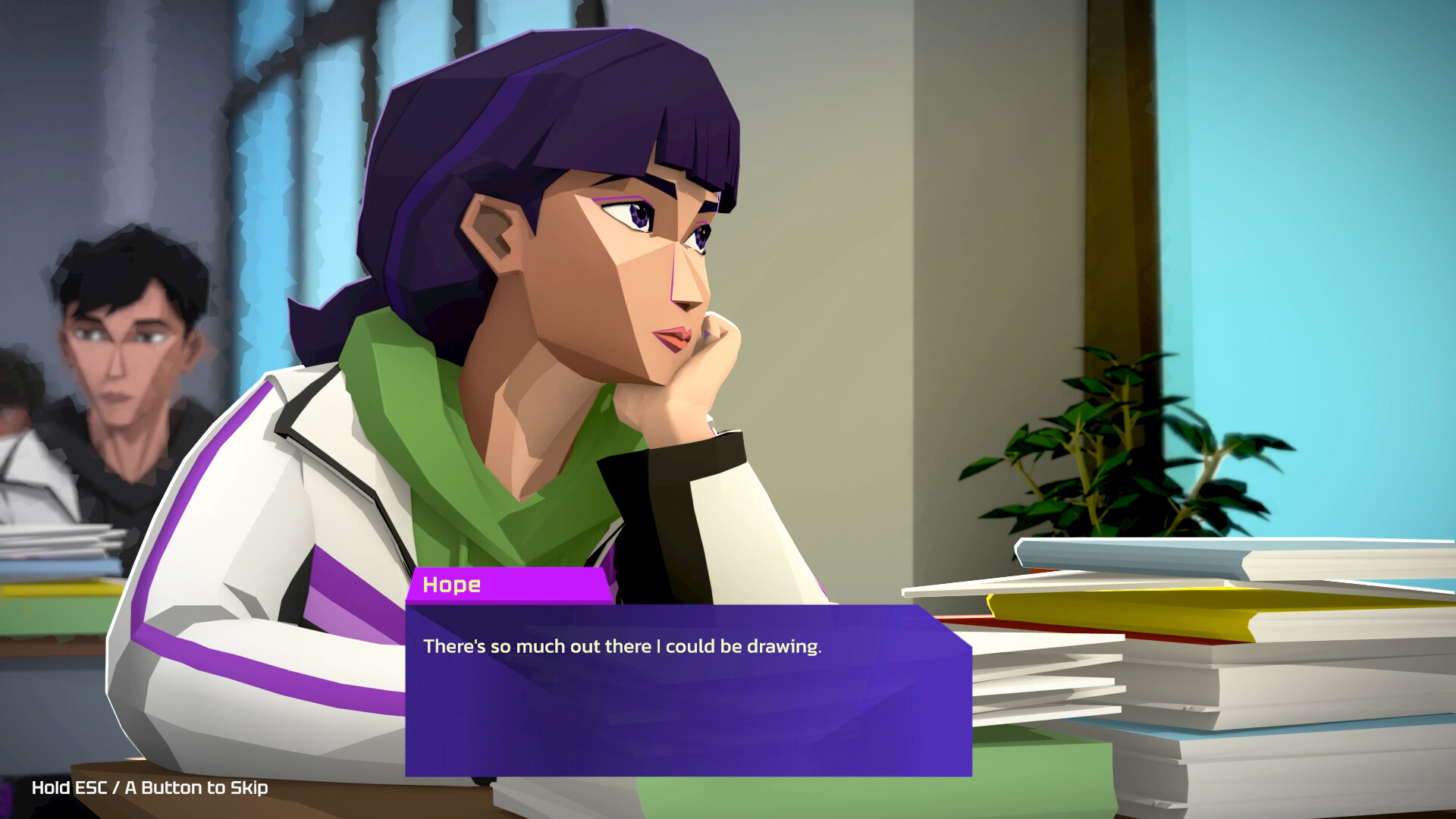
The story is simultaneously one of the game’s greatest strengths and its most notable weaknesses. It tells a powerful tale about living under an oppressive regime, remaining blissfully unaware until the harsh truth shatters that illusion, and dealing with the profound personal and social fallout that follows. It forces characters to grapple with heavy questions: Is it worth fighting back, and what is the ultimate price of rebellion?
However, the writing is notably uneven. While the overarching plot beats and the core mystery are genuinely good, the individual dialogues often feel stiff and poorly constructed.
On the bright side, Hope in the City features full voice acting,a welcome surprise for a project from a smaller team in this genre. Although the voice acting is not award-winning, it is entirely competent and breathes much-needed life into the characters, elevating the experience far beyond what text alone could achieve.

Classic Deduction, but Too Brief
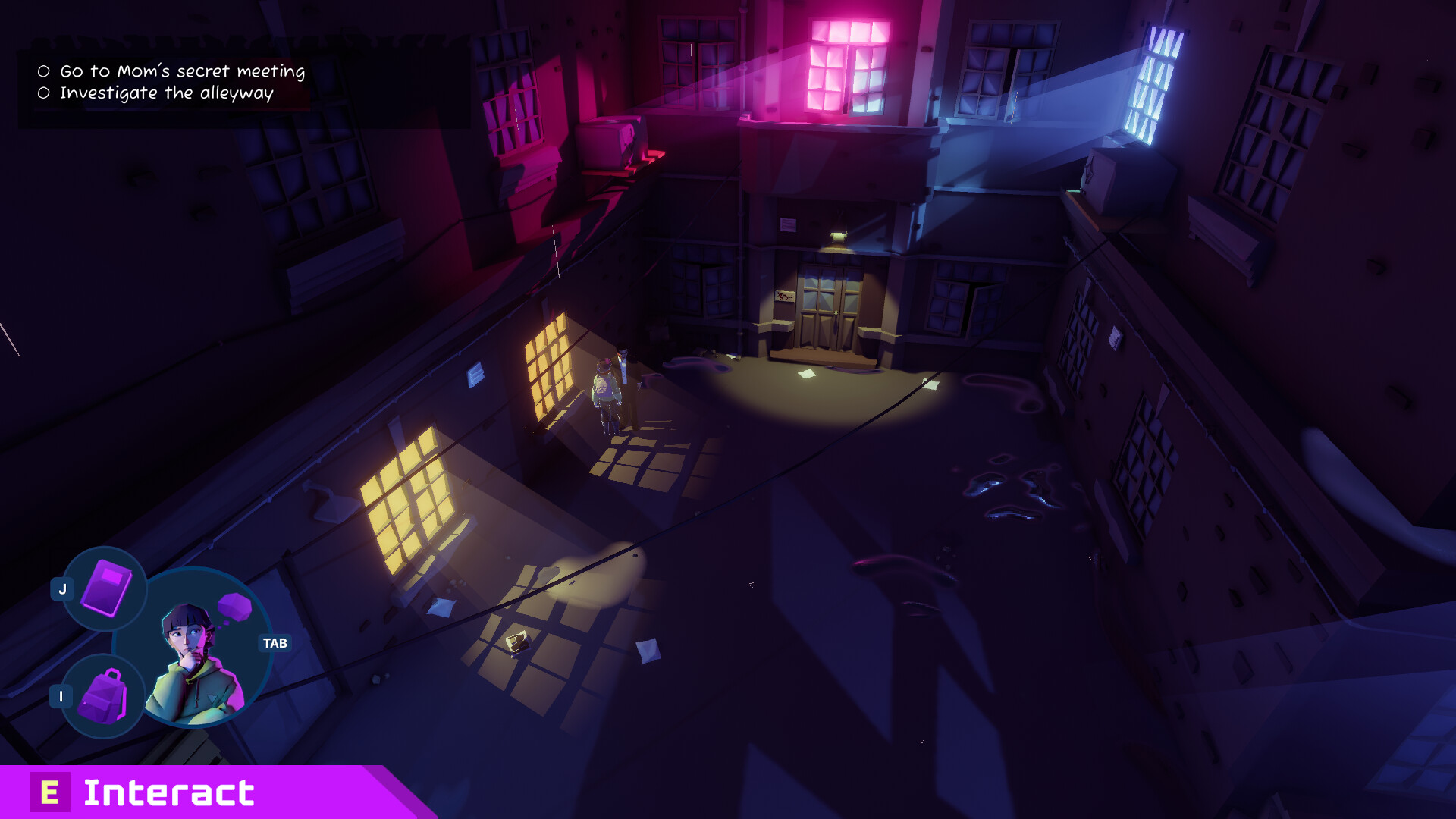
As a detective mystery game, the gameplay loop revolves around conversing with NPCs, inspecting environmental objects to unlock new topics, and combining facts to unearth deeper insights, a formula reminiscent of modern Sherlock Holmes titles. You then synthesize these insights with established facts to spark narrative breakthroughs and drive the investigation forward.
It is a tried-and-true formula, and Hope in the City utilizes it effectively to support its narrative. It doesn’t reinvent the wheel, nor does it need to; however, the experience would have benefited from a bit more complexity. I often wished for more interactive objects and a larger pool of characters to question, which would have made connecting the dots feel like a genuine puzzle rather than the straightforward path it currently provides.
Furthermore, the game is quite short, clocking in at under two hours. The story would have greatly benefited from a more generous runtime; just as you become fully immersed in the world, the credits roll.
A Contrast of Highs and Lows
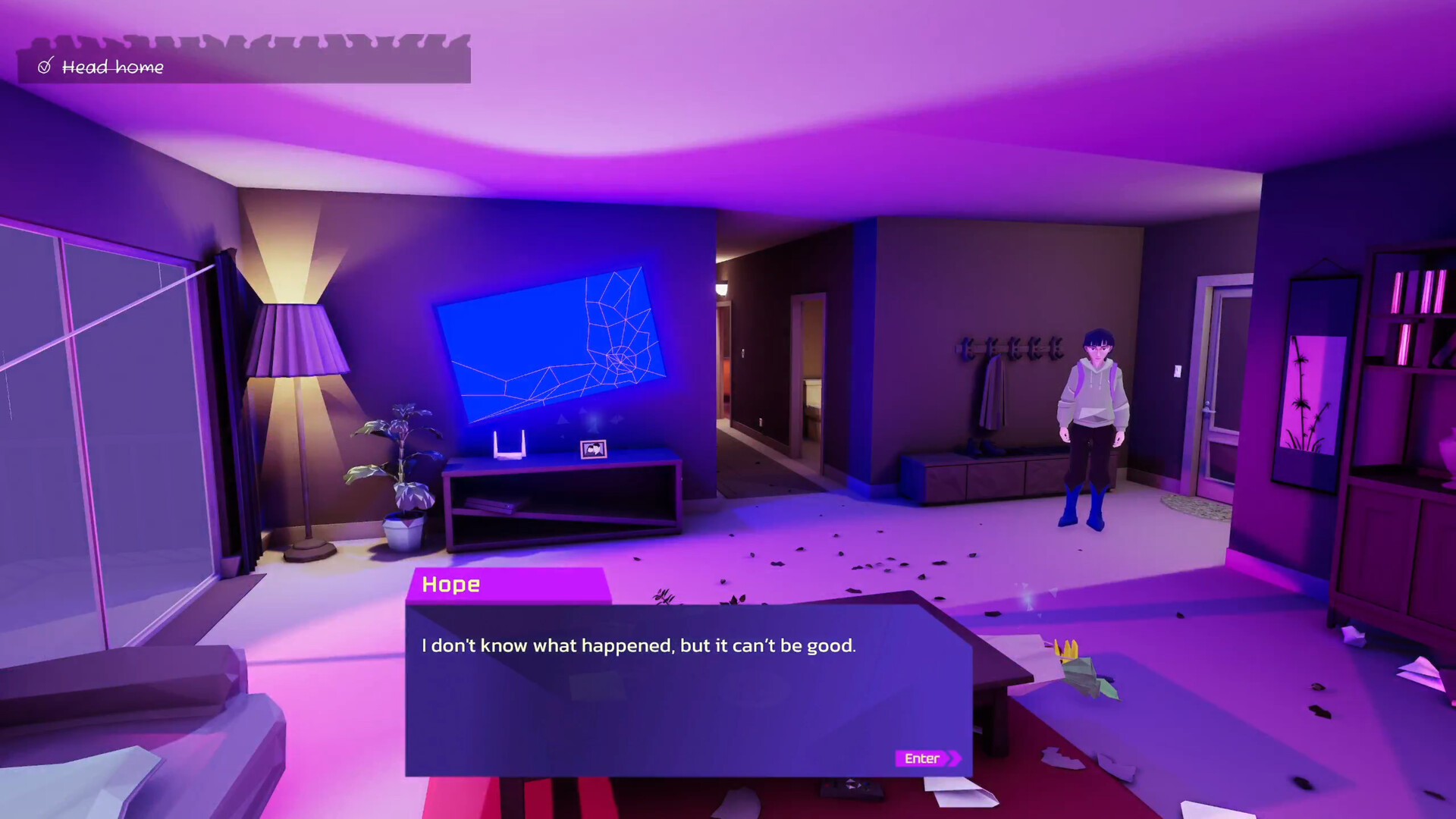
Visually, Hope in the City is a mixed bag. The cutscenes look genuinely fantastic, and the overall art style complements the tone of the world and narrative well. Indoor environments also hold up nicely.
Unfortunately, the quality drops noticeably when moving into open spaces. These areas feel almost disconnected from the rest of the game, and character models suffer a downgrade in quality compared to the polished animations and detail seen in the cutscenes. Had the visual fidelity of the cutscenes been maintained throughout, the game would have been truly striking, shedding some of the rougher edges typically associated with smaller indie titles.
Conclusion
Hope in the City is a fantastic concept that translates into a unique experience. While the narrative hits thought-provoking beats, the writing falters at times, and the visual presentation swings between striking highs and distracting lows. The gameplay mechanics are functional and enjoyable, but remain a bit too simple and underdeveloped due to the game’s short runtime.
If you are looking for a bite-sized mystery that delves into the realities of living under oppression, Hope in the City makes for a compelling alternative to watching a movie on a weeknight.
Leave a Reply