
Narrative puzzlers hold a special place in my heart. There is an undeniable magic in piecing together the intimate details of other lives through scattered photographs, personal notes, and digital documents, all while exploring a confined, atmospheric environment and solving puzzles grounded in logic.
Rivage fits snugly into this beloved genre. While it certainly doesn’t reinvent the wheel and tends to play it remarkably safe, it still delivers a thoroughly pleasant, aesthetically pleasing, and cozy ten-hour experience as you wander the halls of a quiet space station.
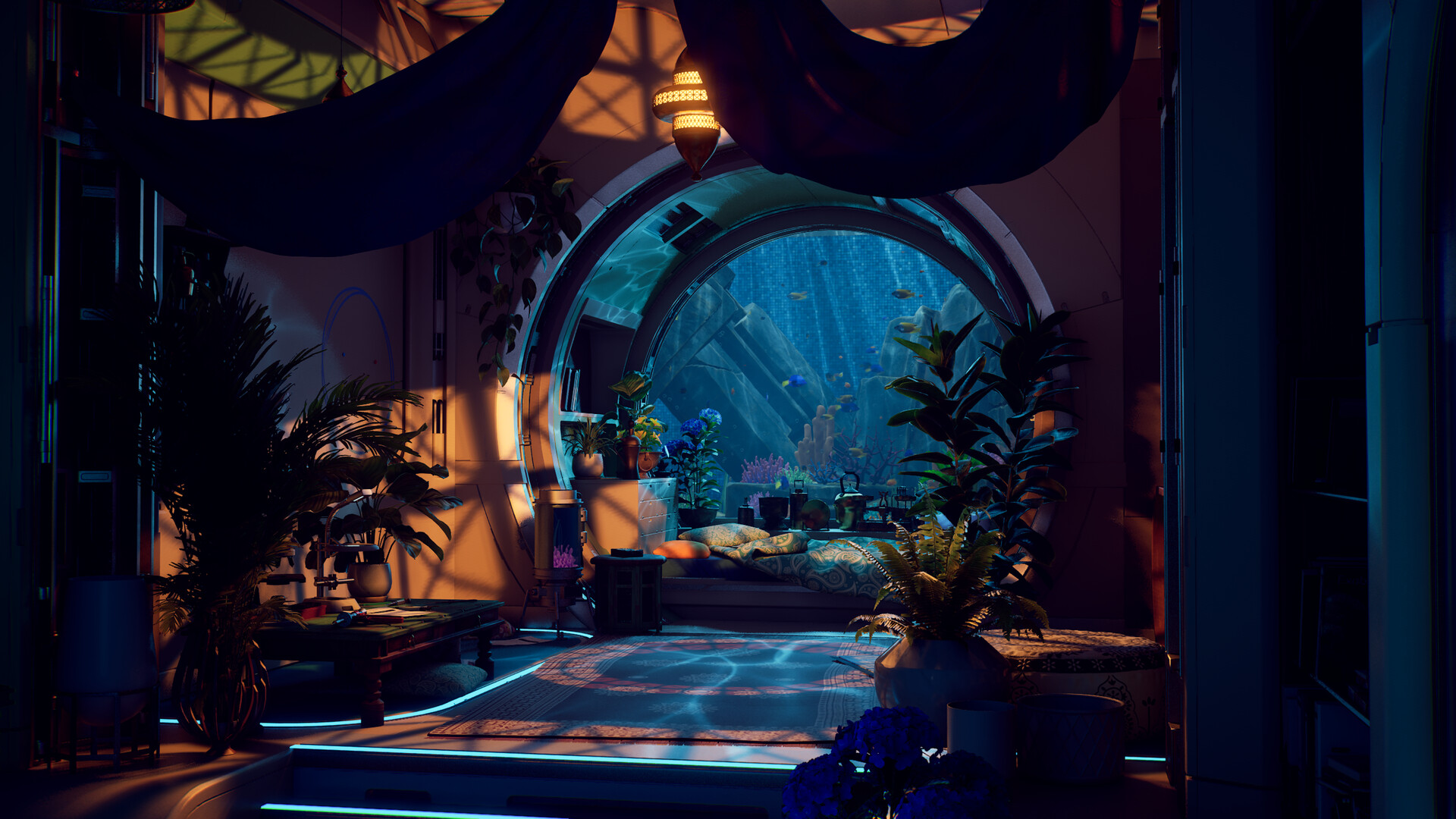
Uncovering the Station
At its core, Rivage casts you into the shoes of a researcher aboard a space station trying to piece together the events aboard a space station losing its power. As you explore, you naturally stumble upon remnants of the crew’s daily lives, offering a deeper look into who they were and how they lived prior to the unfolding events.
However, there is a slight hurdle: the side characters, while well-intentioned, ultimately aren’t all that interesting. Their personal logs and side-narratives struggle to maintain genuine engagement. Because of this, as the game progressed, I found myself skimming past the flavor text and focusing strictly on the specific documents, codes, and clues genuinely needed to complete the puzzles.
A Clever Loop of Power and Progression
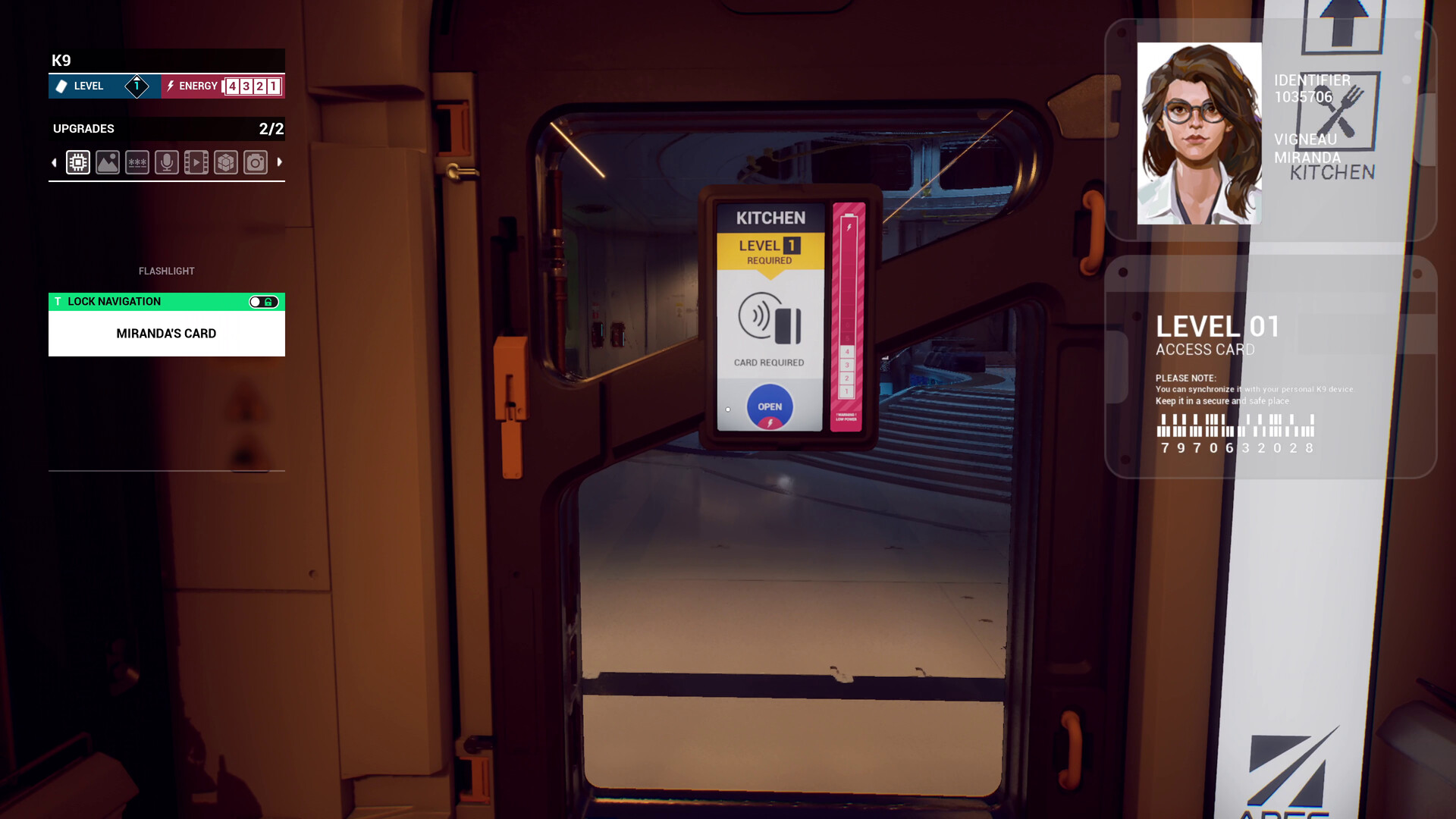
Where Rivage manages to carve out a bit of mechanical identity is through its unique time-loop system. Every door you open, console you access, or system that requires electricity draws from a limited power pool. Once that pool hits zero, you are forced to retreat to the ship’s arcade machine, which resets the day and starts a new loop.
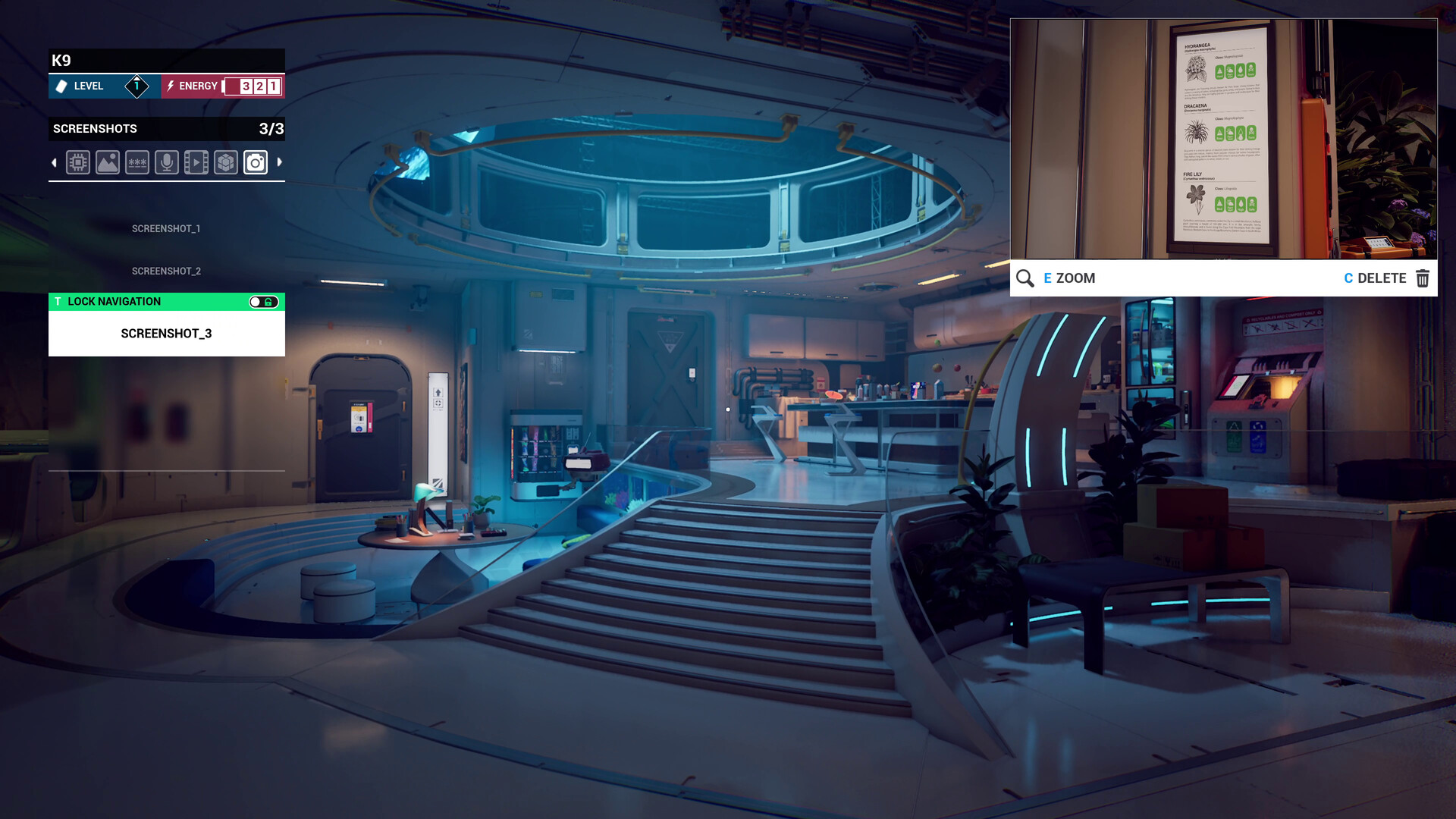
Fortunately, frustration is kept at bay thanks to your digital companion, K9. Every piece of paper you read, keycard you unlock, and vital clue you discover is safely stored within K9’s memory banks. Additionally, you can snap in-game photographs that carry over across loops. Having to strategically choose which sections of the ship to explore and which doors to unlock during any given loop adds a delightful layer of puzzle-solving flair, even if the mechanic never feels overly stressful or threatens to erase your hard-earned progress.
Visuals and Atmosphere
Graphically, Rivage is quite pretty and runs remarkably smooth. The environment boasts a clean, cel-shaded art style that is easy on the eyes. That being said, this particular smooth, illustrative look is something we have seen time and time again in narrative puzzle games. The more time I spent playing Rivage, the more it blended into a crowded sea of visually similar titles. This isn’t inherently a bad thing, but it highlights the fact that the game rarely tries to elevate itself above its genre contemporaries.
Conclusion: A Safe Bet for Puzzle Fans
Ultimately, Rivage plays it a little too safe to stand shoulder-to-shoulder with the heavyweights of the narrative puzzle genre. Its central story struggles to truly hook the player, and the characters lack the depth and intrigue needed to make their fates genuinely compelling.
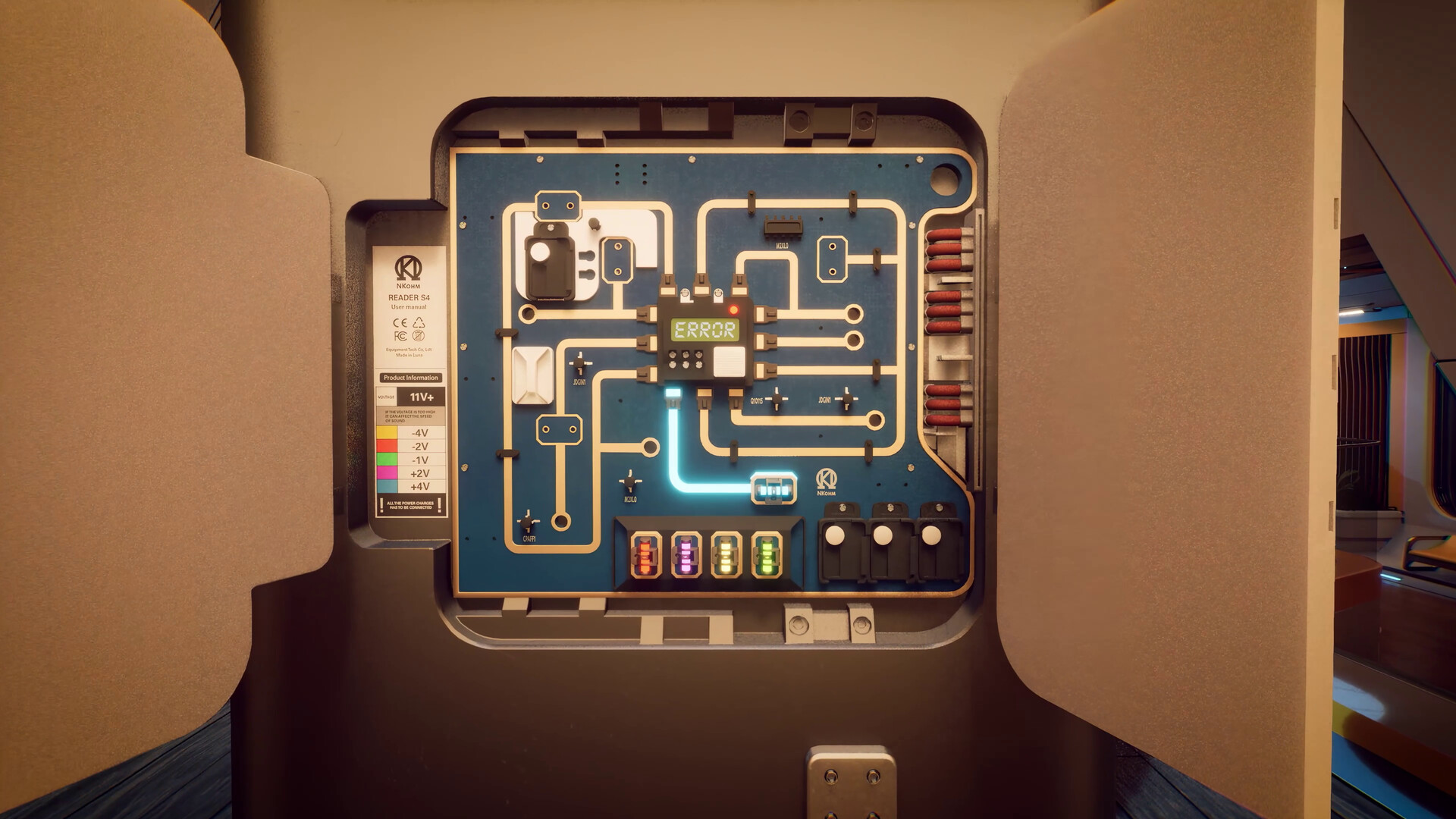
Yet, despite these narrative shortcomings, the game redeems itself with a clever time-loop system and a series of logical puzzles that strike a great balance, never feeling too easy, yet never aggressively frustrating. If you share my fondness for the genre and are simply looking to kick back with some satisfying puzzles while exploring a well-designed, attractive space station, Rivage just might be the cosmic getaway you are looking for.
Leave a Reply