
The magical girl genre has seen countless iterations over the decades, but few have blended high school slice-of-life drama with melancholic, metaphysical emotional struggles quite like Gust and Koei Tecmo’s Blue Reflection franchise. Now, fans and newcomers alike are being offered a massive omnibus package: Blue Reflection Quartet.
This ambitious collection compiles the entire overarching Blue Reflection story, cleverly split into four distinct games. Two of these are upgraded versions of older console releases; Blue Reflection and Blue Reflection: Second Light. Alongside them are two fascinating experiments: the anime Blue Reflection: Ray, which has been boiled down into a short interactive gaming experience, and the mobile game Blue Reflection: Sun, which has been completely remade to strip away its endless gacha mechanics. However, because these four entries vary wildly in scope, genre, and production value, Blue Reflection Quartet as a whole is a package characterized by wildly varied quality.
The Highs: The Console Giants
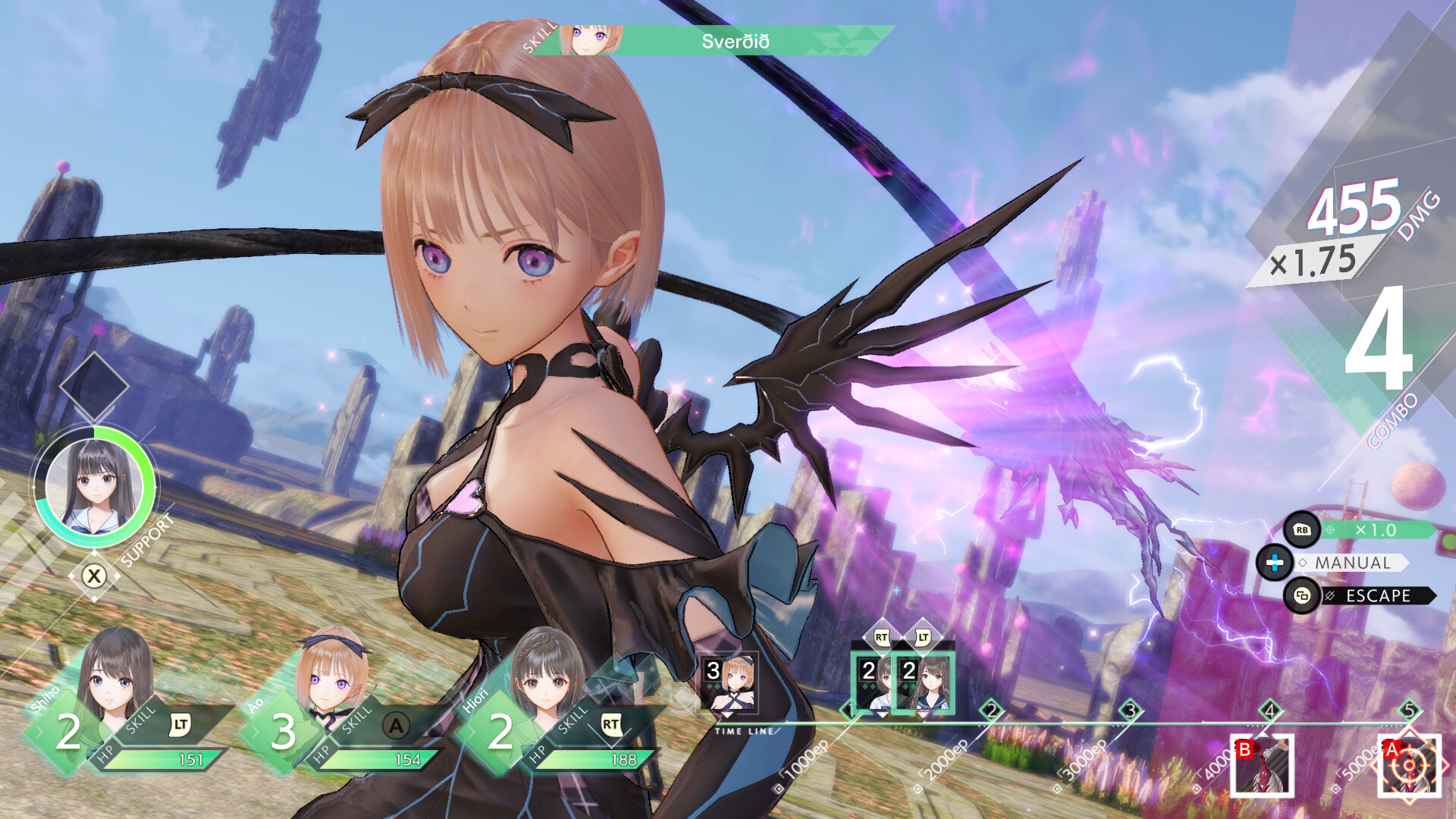
The journey through the quartet begins with the title that started it all: the original Blue Reflection. This first entry has a lot going for it, anchored by an interesting and kind of melancholic story that explores the emotional burdens of teenage girls. Mechanically, it features a nice old-school turn-based combat system paired with deep customizability regarding skills and stats that vary between different Reflectors. For players diving into the collection, this easily stands as the second favorite out of the four. Furthermore, this remake introduces some fantastic quality-of-life improvements, with the absolute favorite being the ability to move much faster through the world, smoothing out the pacing considerably.
The quartet concludes on the absolute highest possible note with Blue Reflectio: Second Light, easily the best game in the collection. The narrative is genuinely compelling, wrapping up overarching lore threads neatly and satisfyingly. Combat-wise, it features the best battle system in the series, utilizing an Active Time Battle (ATB) system that teaches you the ropes much better than its predecessor (making it a somewhat better entry to play before Sun, just to get accustomed to the mechanics). Moreover, Second Light introduces a delightful base-building aspect to the series, allowing players to improve the school and construct new facilities for various buffs, a feature that is so well-executed you can’t help but wish it was even bigger. Packed with new characters and fresh content, this version alone makes the collection well worth playing for established fans.
The Lows: The Experiments in Adaptation
Unfortunately, the middle entries of the quartet struggle to maintain the momentum set by the console titles, resulting in some noticeable dips in the overall experience.
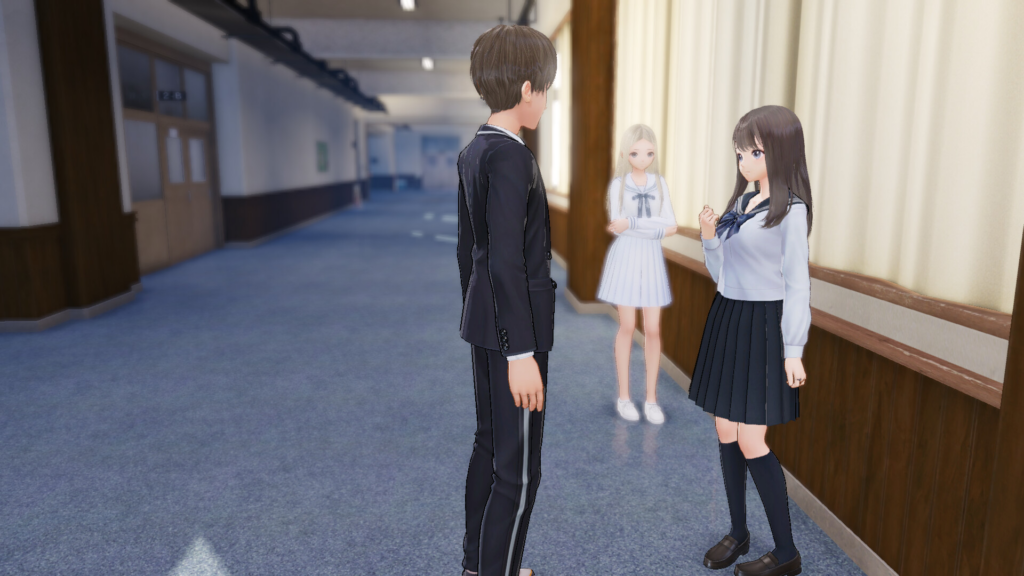
Blue Reflection: Ray represents the easiest low point of the collection. In an attempt to bridge media formats, the original anime has been converted into a walking simulator punctuated by static stills of 3D models talking. To make matters worse, it doesn’t even tell the complete story of the anime; instead, it offers a much shorter, truncated version that misses out on some of the original show’s best story beats. Ultimately, you are much better off just watching the anime instead of playing this adaptation.
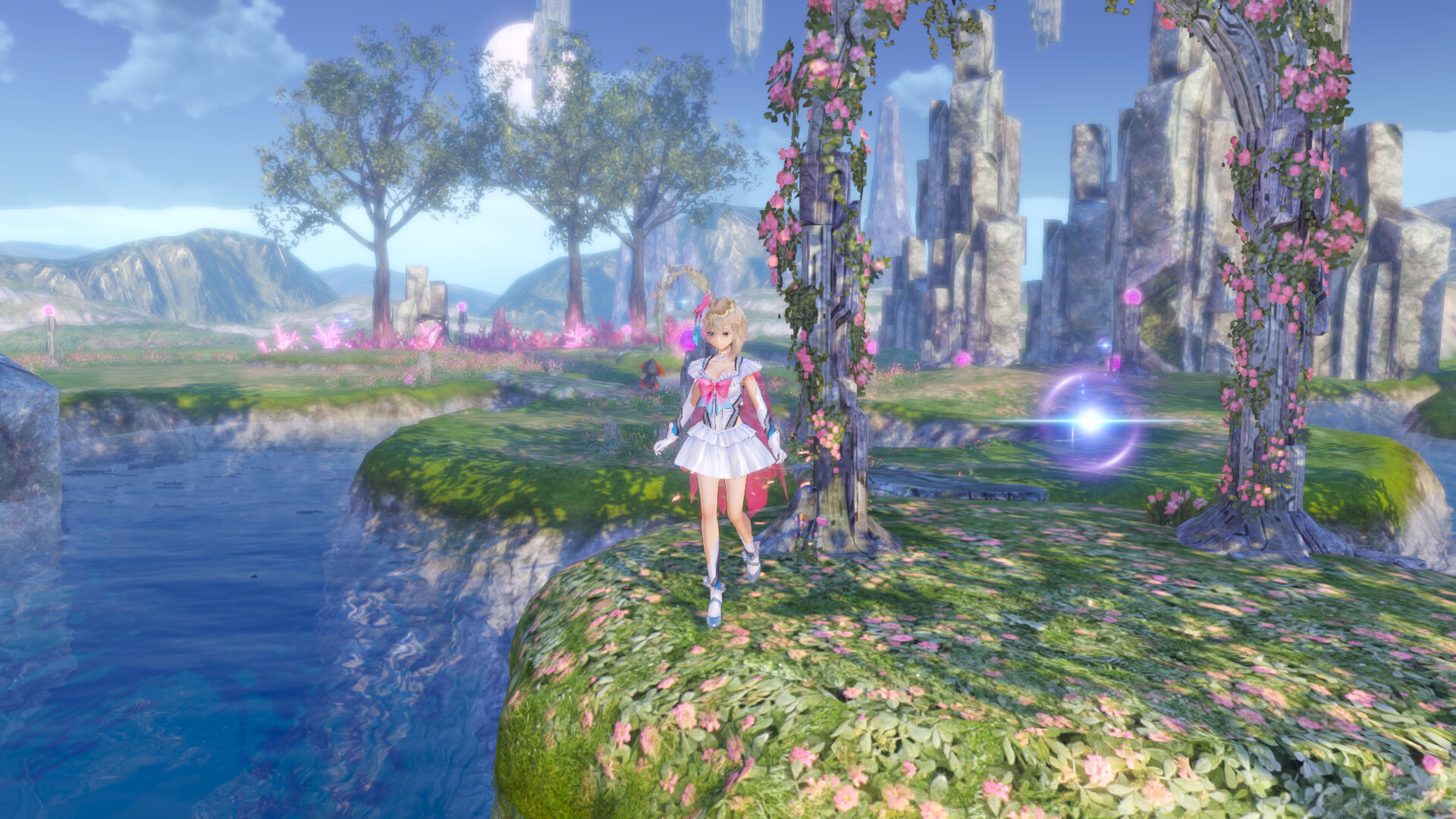
Then there is Blue Reflection: Sun. Originally a mobile gacha game, Sun has thankfully been redone to leave out all the predatory microtransactions and endless monetization. Stripping away the gacha leaves behind a much shorter game that streamlines the school interactions and story, though at the cost of removing open-world exploration entirely. It does inherit the active time-based battle system seen in Second Light, and while the story is pretty weak, it does introduce a few genuinely good new characters. Even so, it ultimately feels like a title strictly reserved for franchise completionists. If you aren’t utterly obsessed with experiencing every single piece of the Blue Reflection lore, your best bet is to look up a story summary video on YouTube and skip this entry entirely.
Conclusion
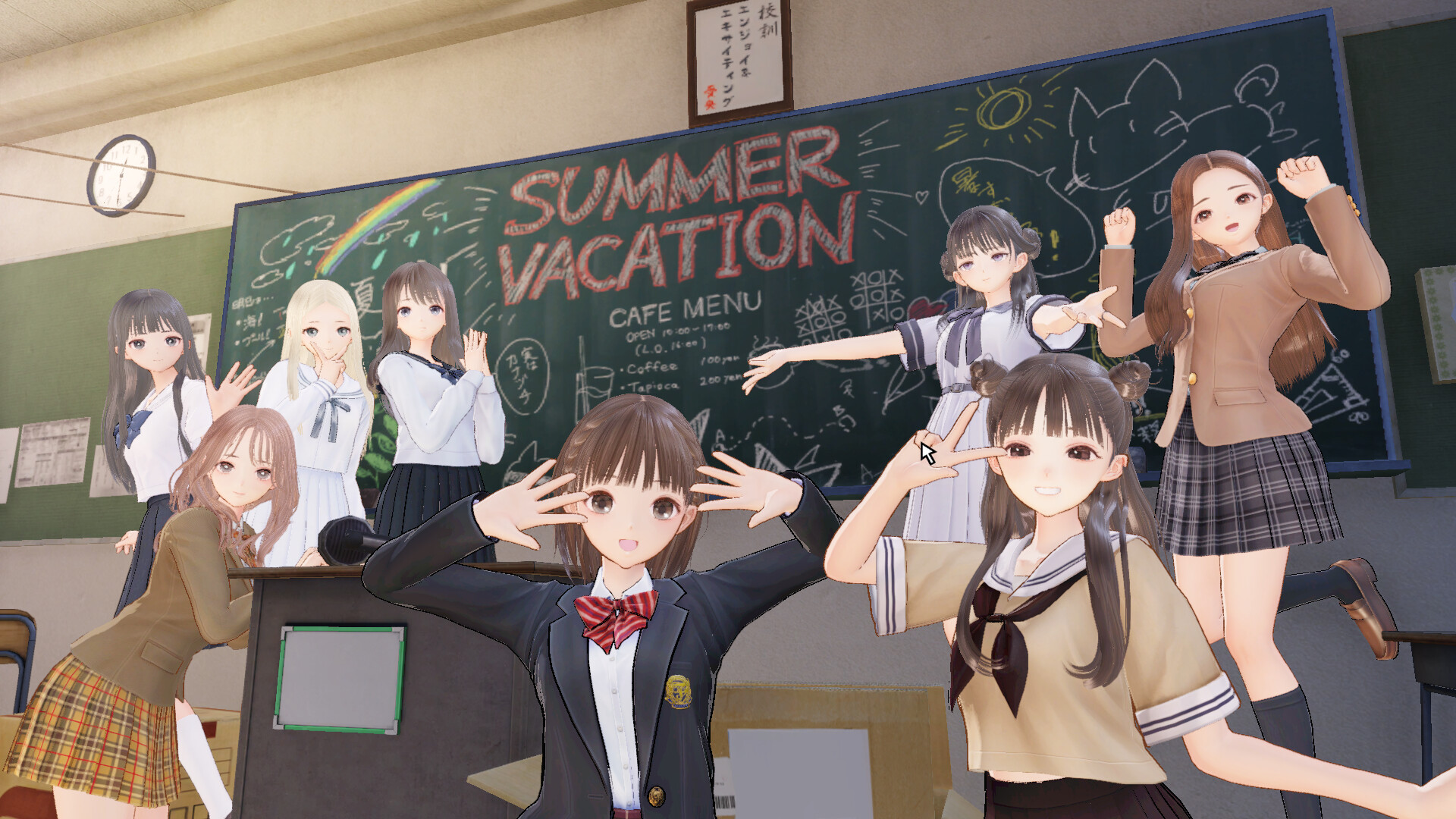
Blue Reflection Quartet is ultimately a hard sell. It delivers two genuinely great console games that have been made even better through thoughtful revisions, but they are inevitably dragged down by a hacked-up anime adaptation turned mediocre walking simulator and a former mobile game that simply lacks fundamental fun.
Yet, context matters. If you are already an ardent fan of the series looking for a unified way to relive the journey, this collection provides a nostalgic and convenient pathway. On the other hand, if you have merely been intrigued by the franchise from afar, the first and last games of the quartet carry enough standalone merit to make the package worth considering—proving that when Blue Reflection shines, it truly captures magic.
Leave a Reply