
When Diablo IV first made its debut, I was genuinely captivated by the atmosphere and the initial feel of the classes. However, as the honeymoon phase wore off, the cracks began to show. The mid-game progression grew repetitive, and most significantly, the endgame felt hollow, a void where a satisfying loop should have been.
Since then, I’ve dipped my toes back into the game through subsequent updates, and I’ve been consistently struck by how much more responsive the gameplay has become. The developers have clearly listened, introducing quality-of-life adjustments that make the moment-to-moment action feel much richer. While the previous expansion felt like a somber, necessary “middle chapter” that suffered from a somewhat bleak and stop-gap narrative, Lord of Hatred changes the game entirely. It proves that Blizzard is not just capable of maintaining a live service but of truly realizing the grand vision they promised years ago. This expansion is the culmination of everything Diablo IV was meant to be.
A Masterclass in Dark Fantasy
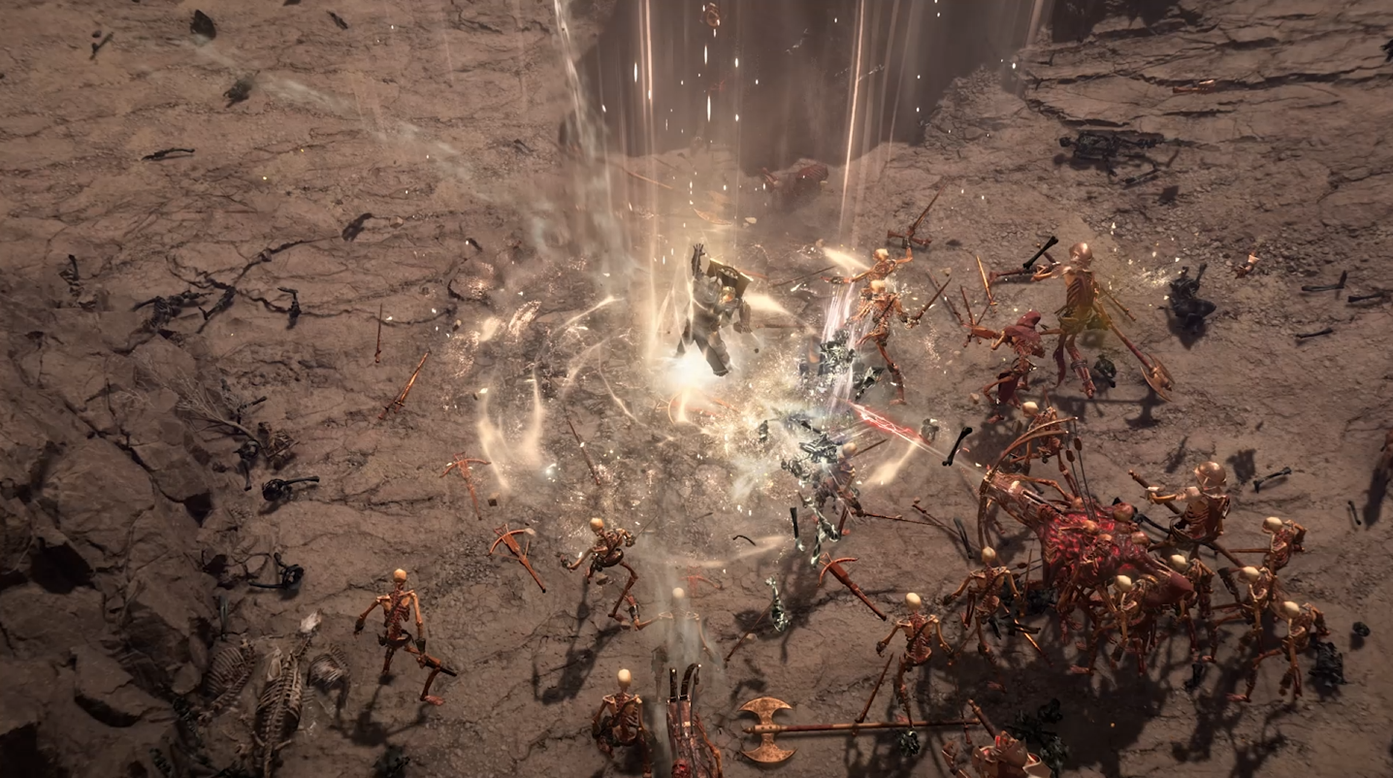
Lord of Hatred picks up immediately following the events of the base game and the previous expansion. Without spoiling the intricate web of deceit and despair, the narrative centers on the return of Mephisto, the Lord of Hatred himself. In a twist that keeps the player on their toes, we find ourselves in an uneasy alliance with Lilith, the very villain who defined the base game.
This expansion does more than just fill in the gaps; it weaves together disparate narrative threads into a cohesive conclusion. It is, without hyperbole, the most compelling and narratively ambitious story in franchise history. I found myself completely hooked on the journey to thwart Mephisto, satisfied by the way the developers tied off the epic arcs that began at the launch of Diablo IV.
The world-building is equally impressive. Lord of Hatred dives deep into the lore of Sanctuary, providing much-needed context to the history of this cursed realm. Mephisto is elevated here to a terrifying degree; as he gains power throughout the story, he solidifies his place as the most calculating, intelligent, and truly villainous Prime Evil. Yet, the real emotional core is Lilith. Her character arc throughout this expansion is a revelation, adding layers of nuance to a figure who was already an interesting antagonist. To top it all off, the musical score is great, easily the most evocative and haunting soundtrack in the series to date.
Diversity and Familiarity
Lord of Hatred introduces two new classes: the Warlock and the Paladin.
The Warlock is a masterclass in design. As a mage-adjacent class with the ability to summon demons, it functions like a more aggressive, high-octane version of the Necromancer. Its gameplay loop revolves around managing two distinct resources: Wrath for offensive spellcasting and Dominance for sustaining demon summons. Balancing these resources creates a dynamic rhythm that makes the Warlock my favorite magical class in the game, possibly the most flexible addition to the series.
The Paladin, a long-time staple of the franchise, makes a triumphant return. It is a melee juggernaut driven by divine judgment. I found the Paladin incredibly intuitive to pick up; it’s easy to build, punchy to play, and immensely satisfying. My personal favorite build involved focusing on the shield, throwing it across the screen to decimate mobs, the visual and auditory feedback of that ability is lovely.
However, while these classes add welcome diversity, they don’t quite solve a lingering issue from the core game. Despite their thematic differences, high-level combat still feels somewhat homogenized. Because the endgame relies so heavily on Area of Effect damage to be efficient, most builds eventually devolve into similar cooldown-management playstyles. While the path to the end is different, the destination often feels the same regardless of your class.
A World Expanded
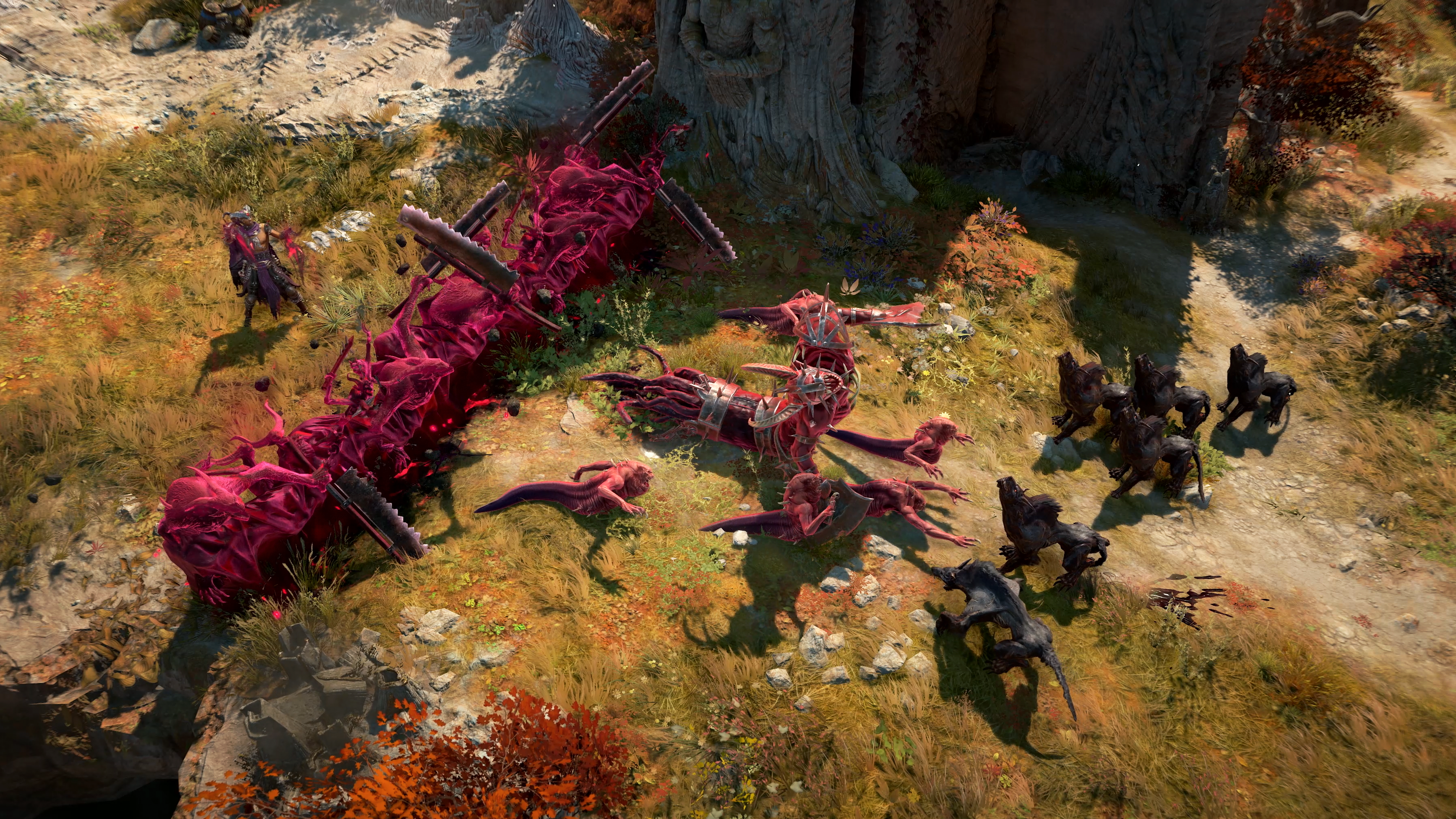
Beyond classes, the expansion breathes new life into the world with monster models that feel fresh and interesting. These foes inhabit new zones that almost offer more environmental variety than the base game’s regions.
The introduction of the Talisman System is a standout quality-of-life feature. Equipping a charm with unique stats and customizable seal slots allows for a level of micro-specialization that feels meaningful without being convoluted. It provides that extra layer of build-crafting that I have been craving.
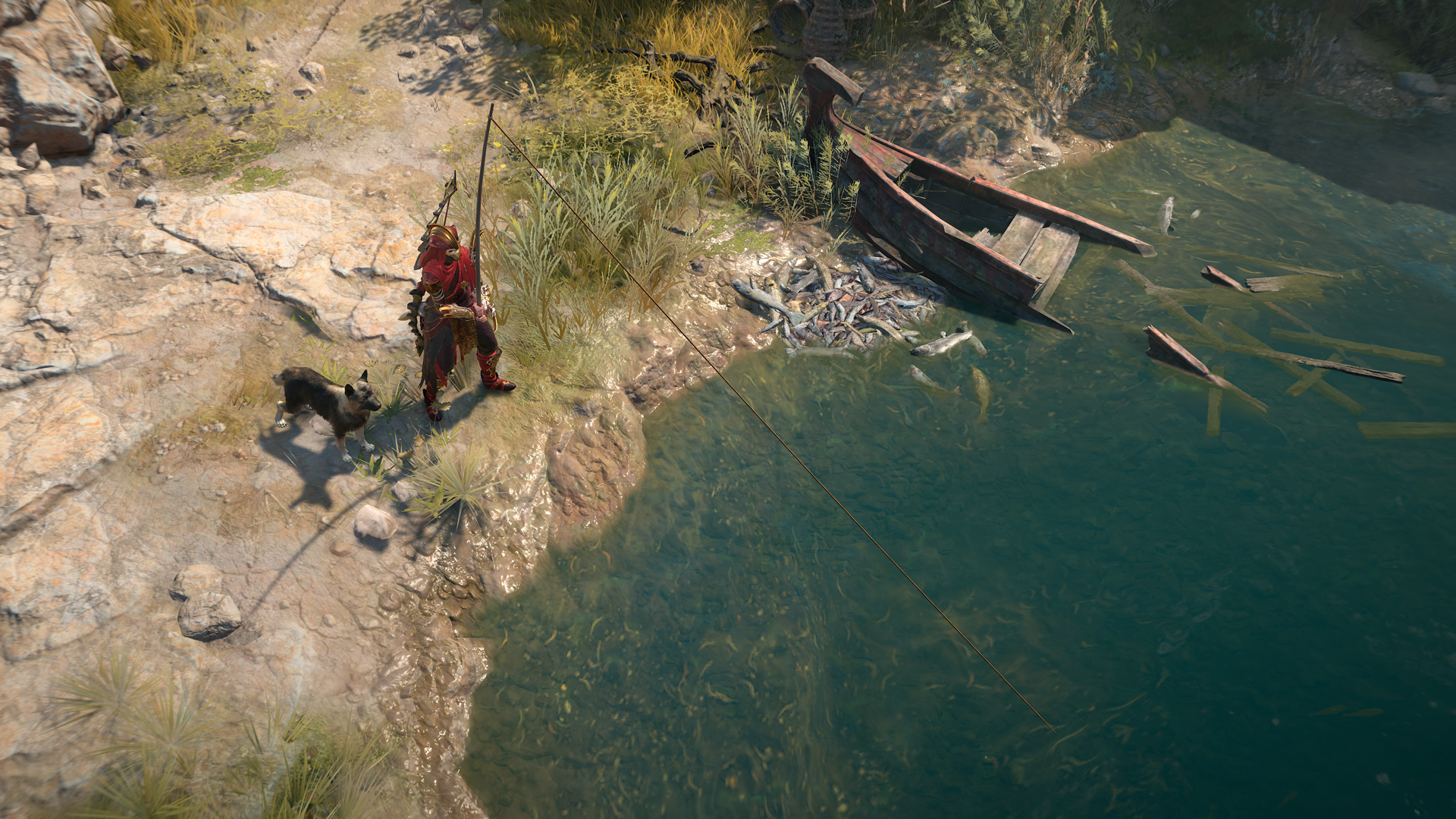
Furthermore, the new season accompanying the expansion brings vital endgame content, like the Horadric Cube. This tool allows for the transmutation, customization, and creation of gear, which adds a much-needed layer of depth to loot hunting. The overhaul of The Pit, featuring new layouts and a better flow, finally makes the endgame loop feel engaging enough to keep me invested for the long haul. With the level cap increased to 70 and the surprising, relaxing addition of fishing, there is finally a healthy mix of high-stakes grinding and low-stakes world activity.
Conclusion: The Game We Were Promised
Diablo IV has come a long way since its rocky launch. It has transformed from a game with a great foundation but limited longevity into the robust, polished experience we all hoped for. The endgame is finally in a state where it rewards the player’s time, and despite the lingering homogenization of class playstyles, the Warlock and Paladin provide enough identity to keep things fresh.
The story of Lord of Hatred is the true star, acting as the final, triumphant knot in the grand story of Diablo IV. Whether you are a lapsed player looking to see how the saga ends or a dedicated fan wanting to try out the new classes, this expansion is a must-play. It is a definitive, high-water mark for the series. Even if you don’t intend to stay for the endless grind, the journey through this story and the experience of playing the Warlock makes Lord of Hatred an essential chapter in the Diablo legacy.
Leave a Reply