
For years, developer Milestone has been on a mission to refine the motorcycle racing experience, pushing boundaries while trying to capture the visceral thrill of the premier class of two-wheeled motorsport. You don’t need to be a hardcore fan of MotoGP to see what Milestone is trying to do with MotoGP 26. The intent is clear: to broaden the game’s appeal while maintaining the series’ simulation roots. However, while the game makes strides in certain areas, you do need some level of interest to stick with it.
A Visual and Auditory Polish
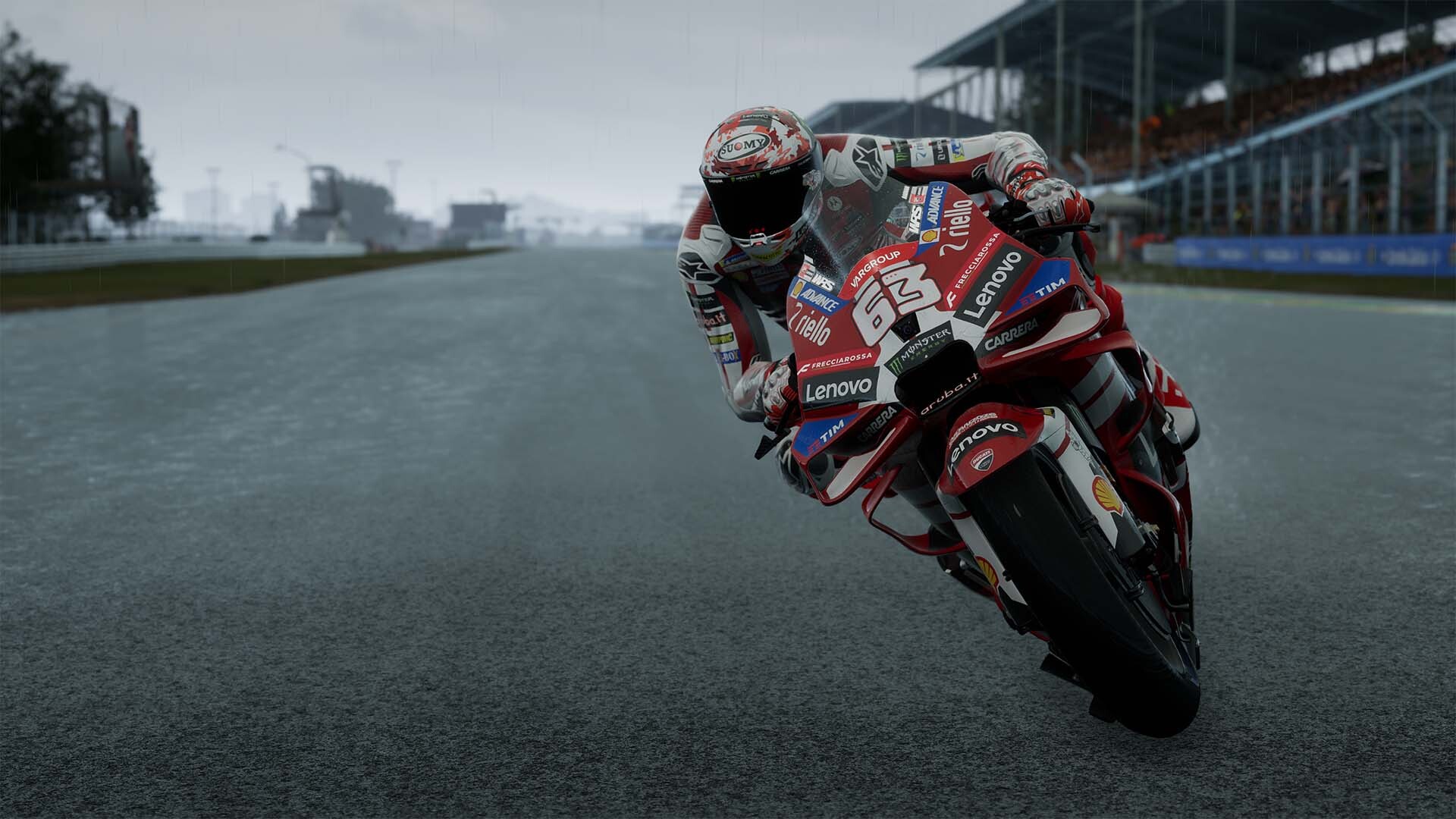
This year’s entry improves in a few key areas, especially accessibility. It still struggles with the fundamentals you expect a top-tier racing game to nail. To start on a high note, MotoGP 26 makes a solid first impression. The presentation is competent and occasionally impressive. The developers have clearly focused on environmental immersion. Tracks are more dynamic than before, with weather and lighting doing a lot of the heavy lifting. Rain races look great, reflections add atmosphere, and changing conditions help break up the repetition. It’s all well executed—but also fairly standard at this point.
Beyond the visuals, the sonic experience is where the game thrives. The audio is a clear highlight. Engine sounds are punchy, aggressive, and distinct in a way that genuinely adds to the experience. When you’re tucked behind the windscreen on a long straight, the roar of the engines feels authentic and grounded, adding a layer of intensity that the visuals sometimes miss.
Not a Casual Racing Game at Heart
One area where the game clearly improves is accessibility. For newcomers, the learning curve has historically been a barrier to entry. The assist systems are flexible enough to make the experience manageable without completely flattening it. You can ease your way in, learn the basics, and gradually remove support as you get more comfortable.
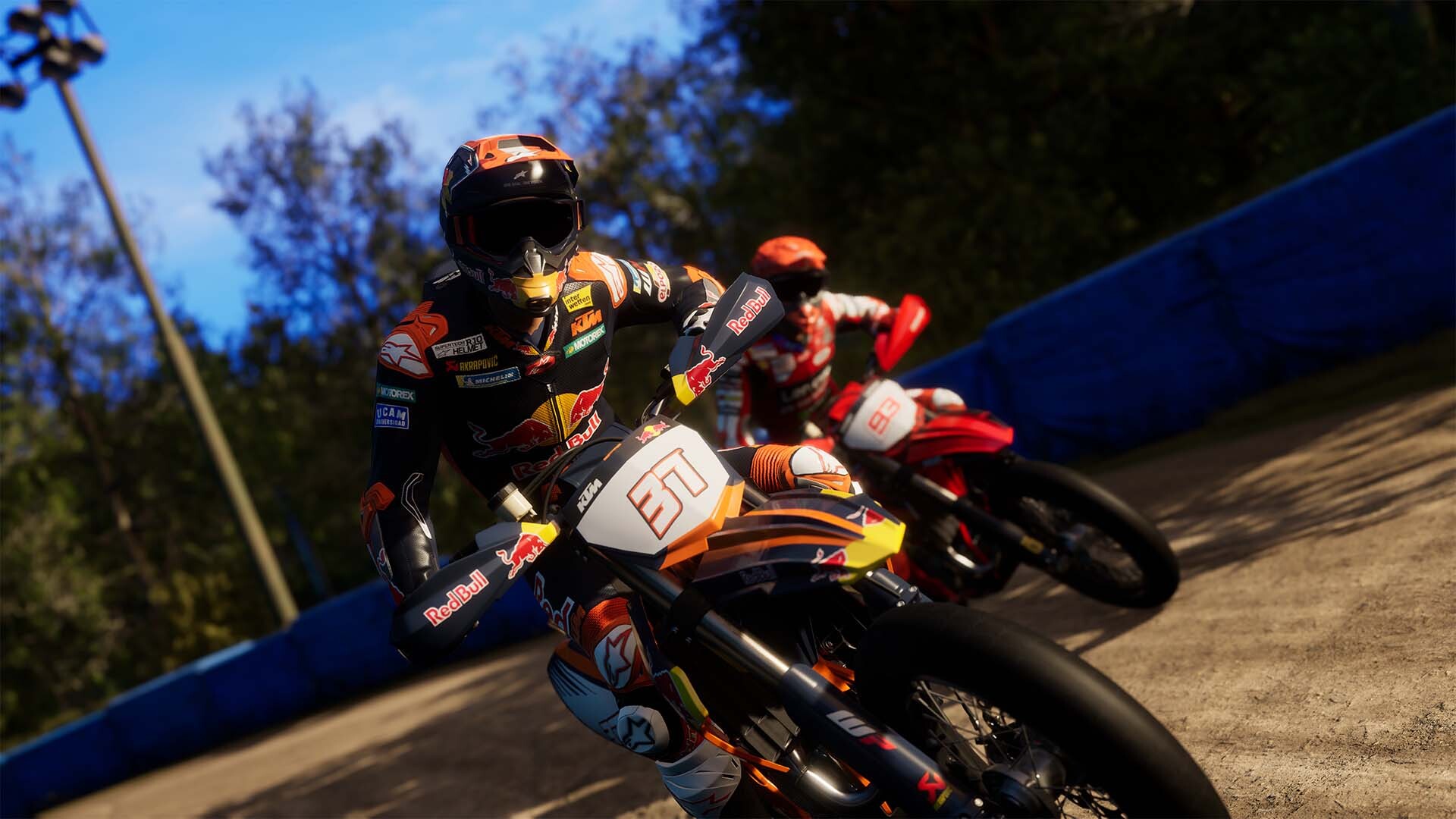
That’s important because the core handling still leans toward the demanding side. While the game is more welcoming than its predecessors, even with different modes available, MotoGP 26 isn’t a casual racing game at heart. There is a physics-heavy weight to the bikes that rewards patience and precision. If you try to treat this like an arcade racer, you will find yourself in the gravel quite quickly—a design choice that is essential for the series’ identity but can be unforgiving for the uninitiated.
The Heart of the Experience
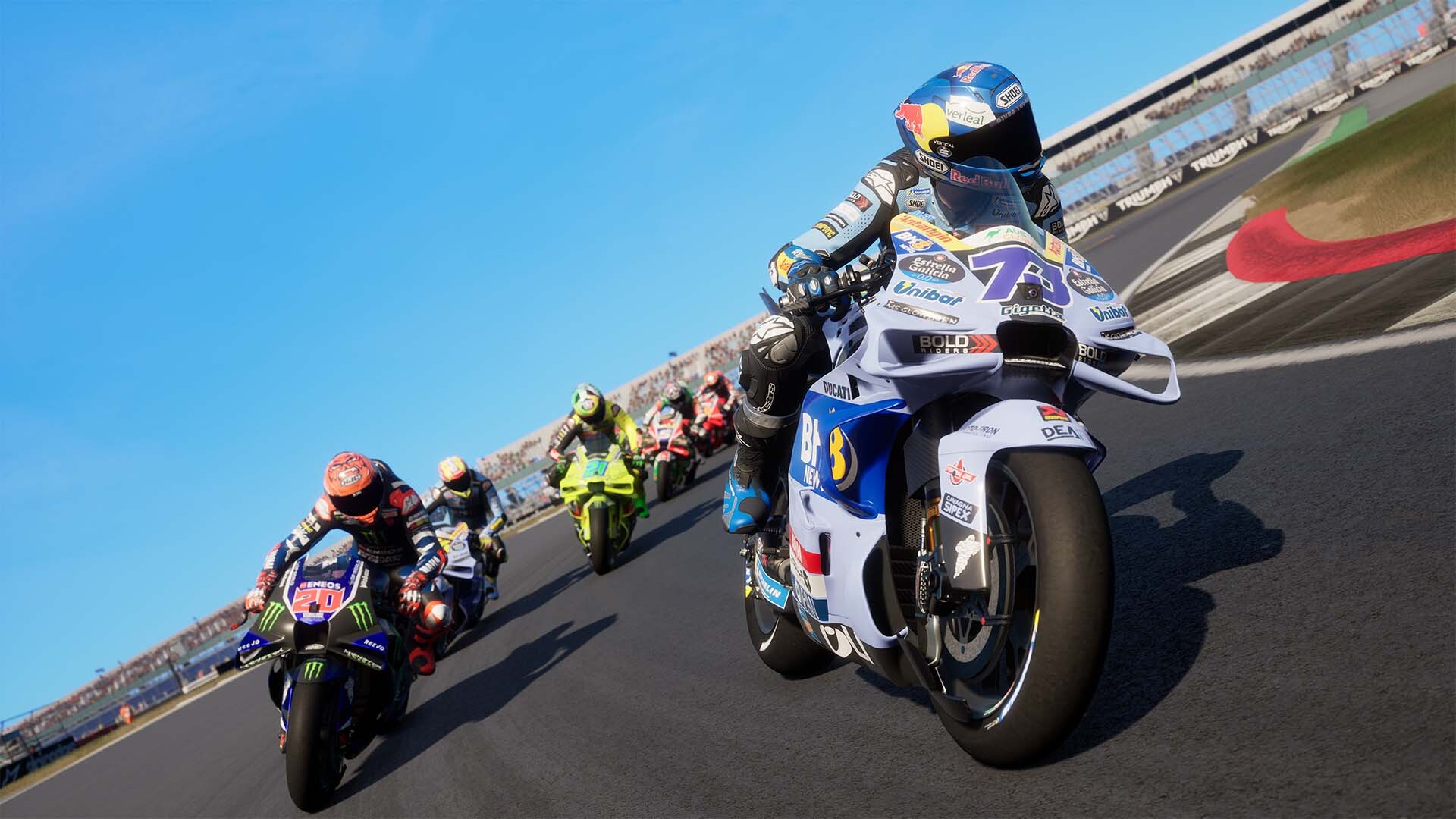
The official MotoGP championship remains the main attraction, and it’s the best part of the game. There is a gravitas that comes with the official license. Racing with real teams, riders, and tracks gives everything a sense of purpose. Career mode builds on that with enough progression to keep you engaged, even if the structure feels familiar rather than new.
The career mode features some quality-of-life updates, though they aren’t transformative. There are some added layers around it, but they don’t fundamentally change how the mode plays out. For example, the dialogue choices you make between races, like how you respond in press conferences, can shape rivalries or set expectations. They add a bit of context and flavor to your career, but they feel more like light role-playing elements than systems that truly influence progression or race outcomes.
If there is one glaring issue that holds the experience back, it is the fundamental feeling of momentum. MotoGP 26 sadly struggles with one of the most important aspects of racing games: speed. This is a strange paradox; you’re technically going incredibly fast, but it doesn’t consistently feel that way. The sense of motion isn’t always convincing, and the intensity you expect from this level of racing just isn’t there all the time. It’s not a dealbreaker, but it’s noticeable, and it holds the game back. When you’re hitting 200 mph down the front straight, the world should blur and the edges of the screen should tremble, but here, it often feels like a grounded, muted affair.
A Mixed Bag
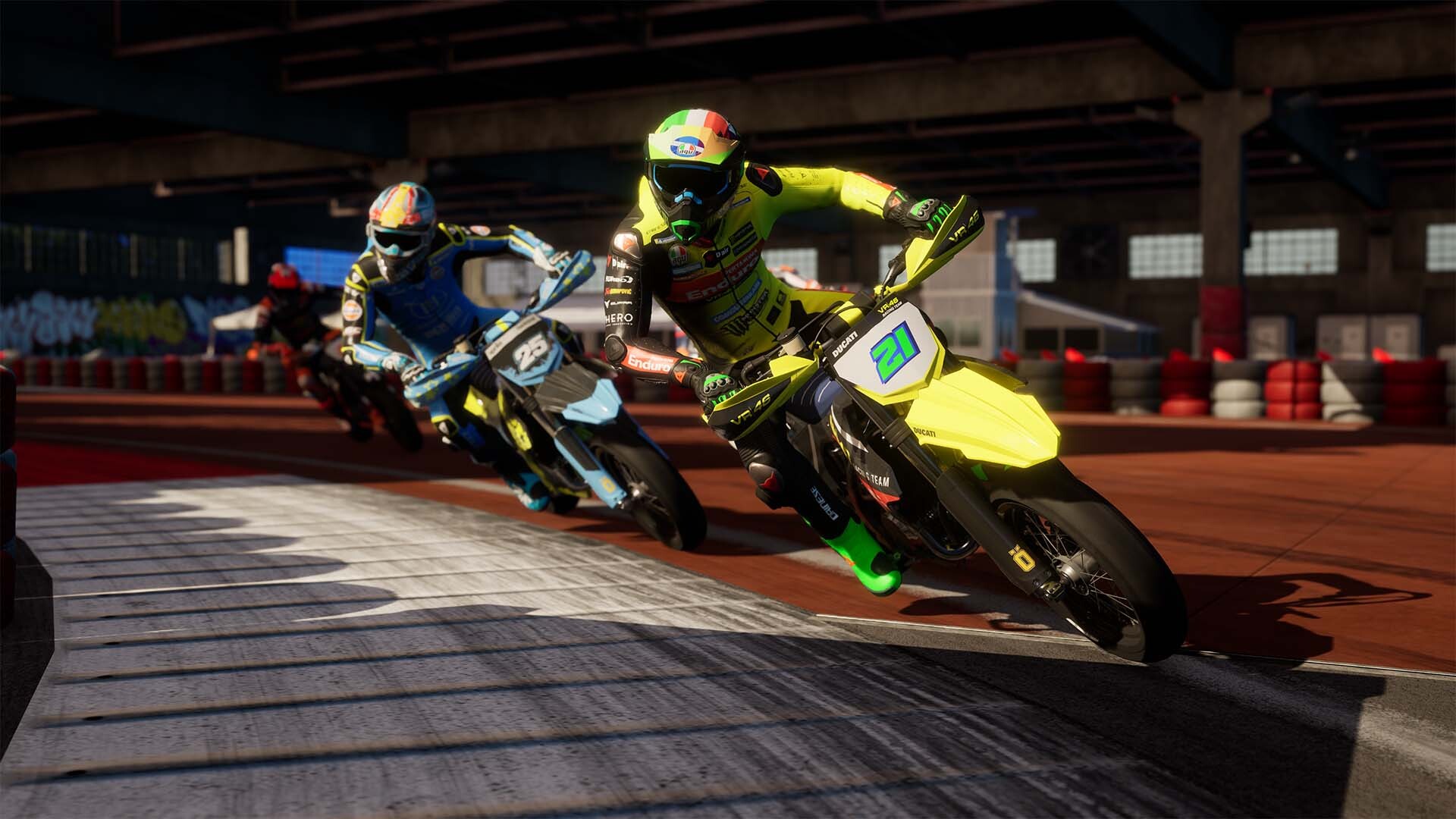
Regarding the breadth of the game, quantity does not always mean quality. There’s more to do here than MotoGP racing, but not all of it feels worth your time. Side modes and alternative disciplines sound good on paper, but they lack the same polish as the main championship. Instead of adding meaningful variety, they often feel like filler.
To sum up, MotoGP 26 is a decent entry. It shows maturity in its UI, its accessibility options, and its atmospheric audio design. It looks good, plays well enough, and makes a genuine effort to be more accessible without losing its identity. When you’re locked into the main championship, it delivers a solid and reasonably authentic racing experience.
Yet, one cannot ignore the lingering issues that prevent it from reaching legendary status. But it’s also frustratingly inconsistent. By failing to nail an exhilarating sense of speed and populating the menus with uninspired side content, the lack of a strong sense of speed, combined with uneven side content, keeps it from feeling like a complete package. MotoGP 26 is a commendable effort for dedicated fans, but it leaves enough on the table to keep the series searching for its true peak.
Leave a Reply