
When Koei Tecmo announced a full‑scale remake of one of their most revered horror titles, I braced myself for a delicate balancing act: preserving the bone‑chilling atmosphere that made the original a cult classic while giving the game the visual and mechanical polish modern audiences expect. Fatal Frame II: Crimson Butterfly – Remake delivers on many of those promises, but the experience is uneven. Below is an in‑depth look at what works, what feels superfluous, and whether you should reach for this haunted handheld camera once more.
The Terror of the Ordinary
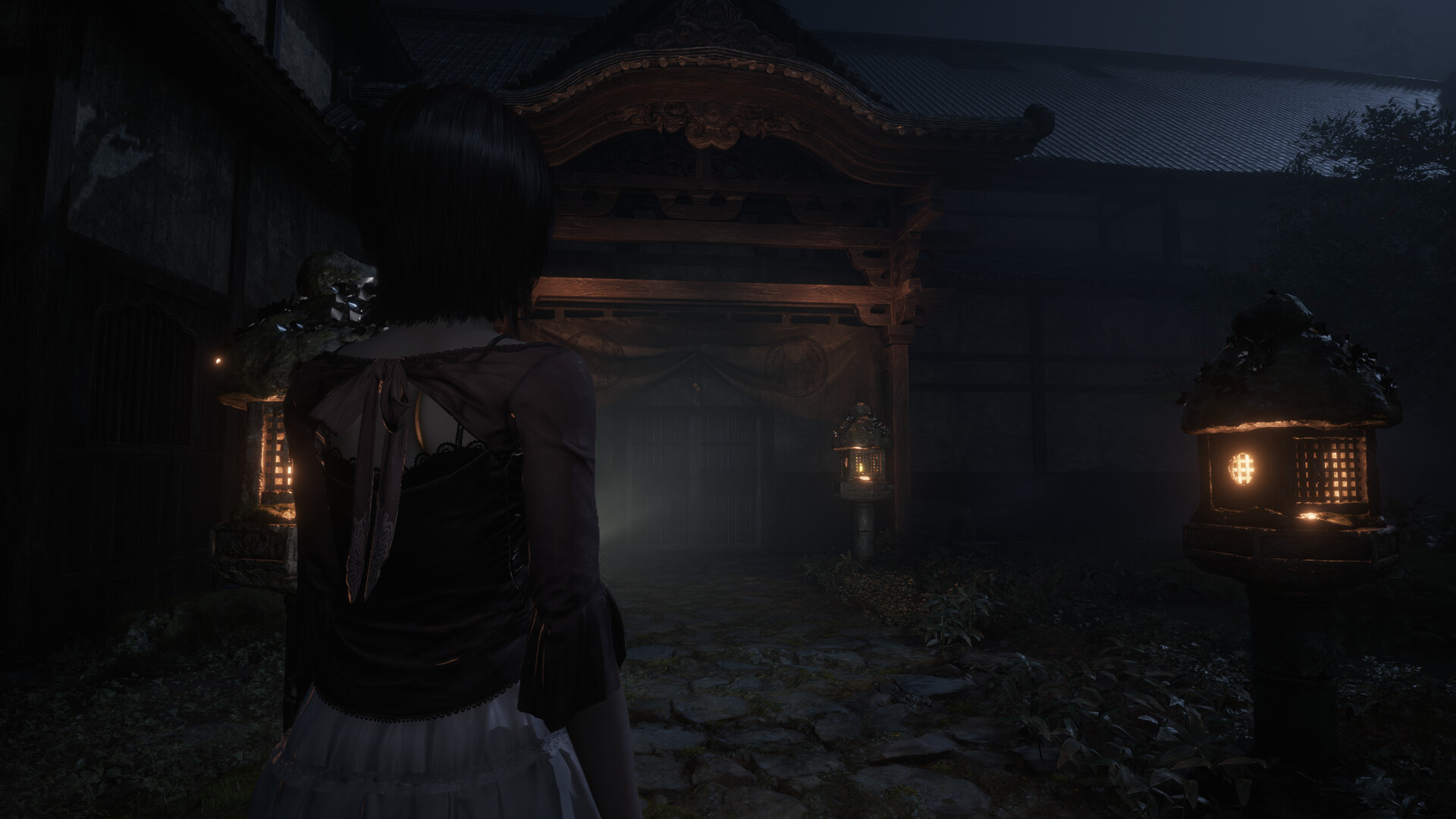
If there is a single mechanic that still manages to make my heart race ten years after the original’s launch, it is the act of opening a door. The remake retains the slow, deliberate animation and the faint creak of the hinges. The camera angle is deliberately tight, forcing you to stare down the dimly lit hallway as the door yawns open a half‑inch at a time.
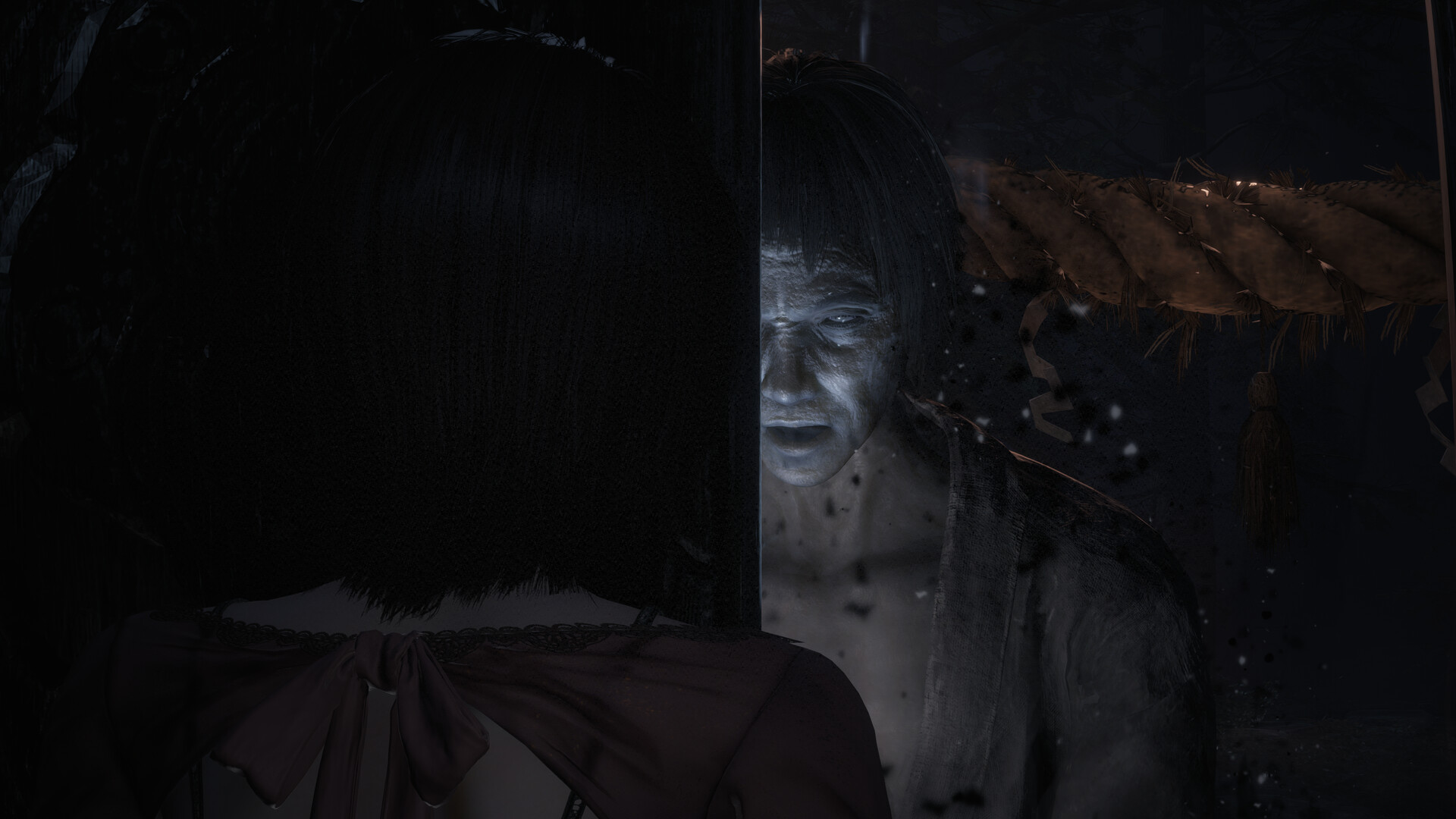
What makes this moment terrifying isn’t any jump scare; it’s the anticipation that something unseen may be waiting. A subtle, almost inaudible wind sighs through the cracked wood, and a low‑frequency hum rises in the headphones. The tension is palpable, and each time I click that handle I feel a mixture of dread and fascination, exactly the emotional cocktail a horror game should aim for. The remake’s audio engine amplifies this effect—the door’s groan is now layered with a faint, ghostly echo, reinforcing the feeling that the barrier between you and the other side is thinner than ever.
A Tale of Two Sisters
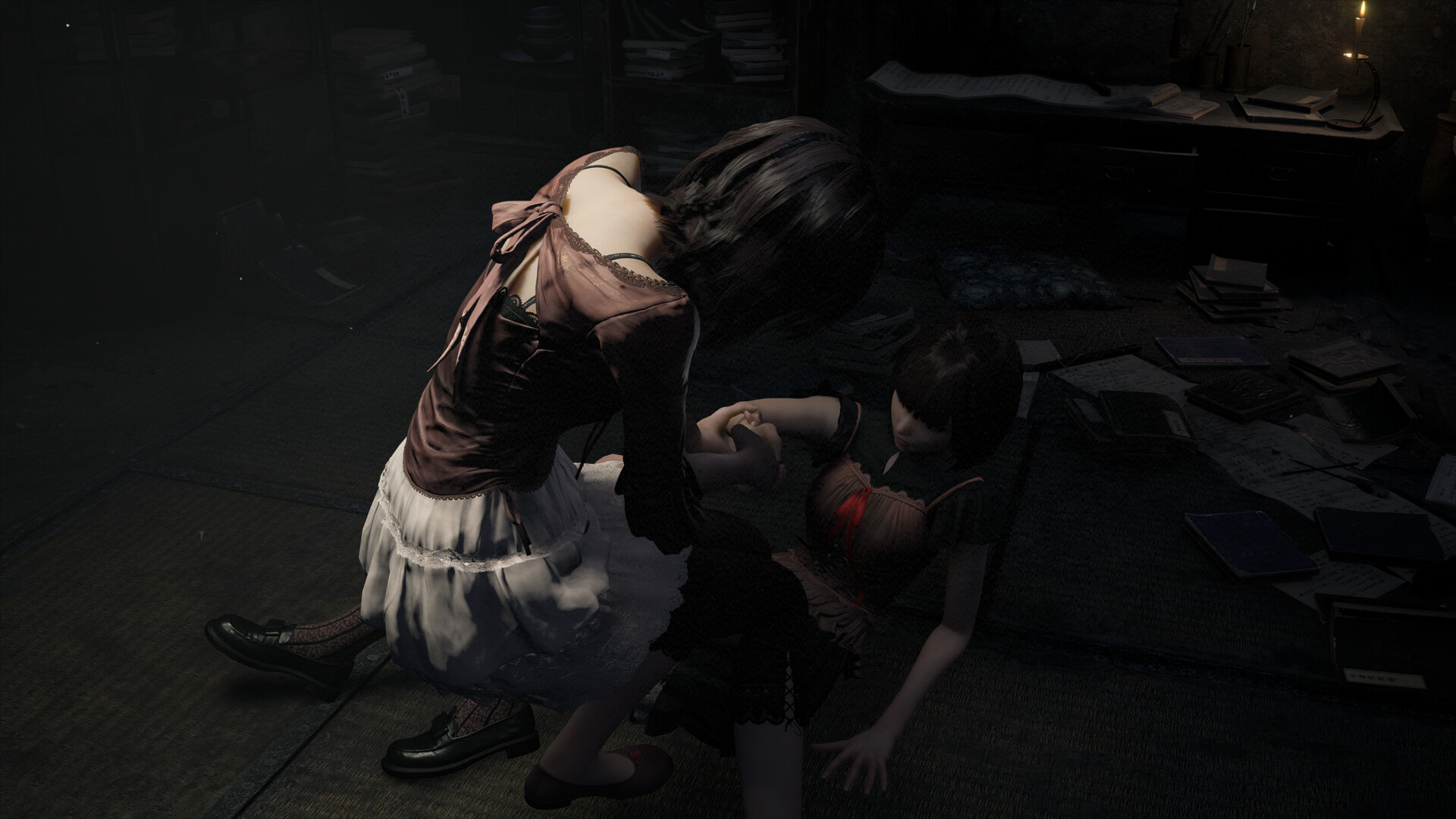
The story centers on sisters Mio and Mayu as they wander into an abandoned village. What begins as a simple search for a missing sibling quickly spirals into a nightmarish pilgrimage through a place saturated with lingering regrets and vengeful spirits. The bond between the sisters is the emotional anchor of the game. Their whispered conversations, shared glances, and occasional hand‑holding (a new feature we’ll discuss later) make the horror feel personal rather than abstract.
The writers never shy away from exploring themes of loss, familial sacrifice, and the darkness that festers when grief is left unchecked. In a genre where many Western titles opt for cheap gore or jump scares, Crimson Butterfly asks why the ghosts are angry, and sometimes the answer is rooted in a tragic folklore. That grounding in cultural myth gives the narrative a gravitas that feels rare in contemporary horror games.
The game stands apart from many Western horror franchises that treat optional content as a mere grind. Here, each side quest feels like a dark short story that expands the moral landscape of the village, keeping the player invested even after the primary plot reaches its melancholy climax.
What’s New, What’s Unnecessary
One of the most noticeable additions is the ability for Mio and Mayu to hold hands when they walk together. On paper, this is a charming way to emphasize their sibling bond and to make the game feel more modern. In practice, however, the mechanic adds little beyond a brief visual cue. It feels like a cosmetic nod to contemporary character interaction rather than a meaningful addition.
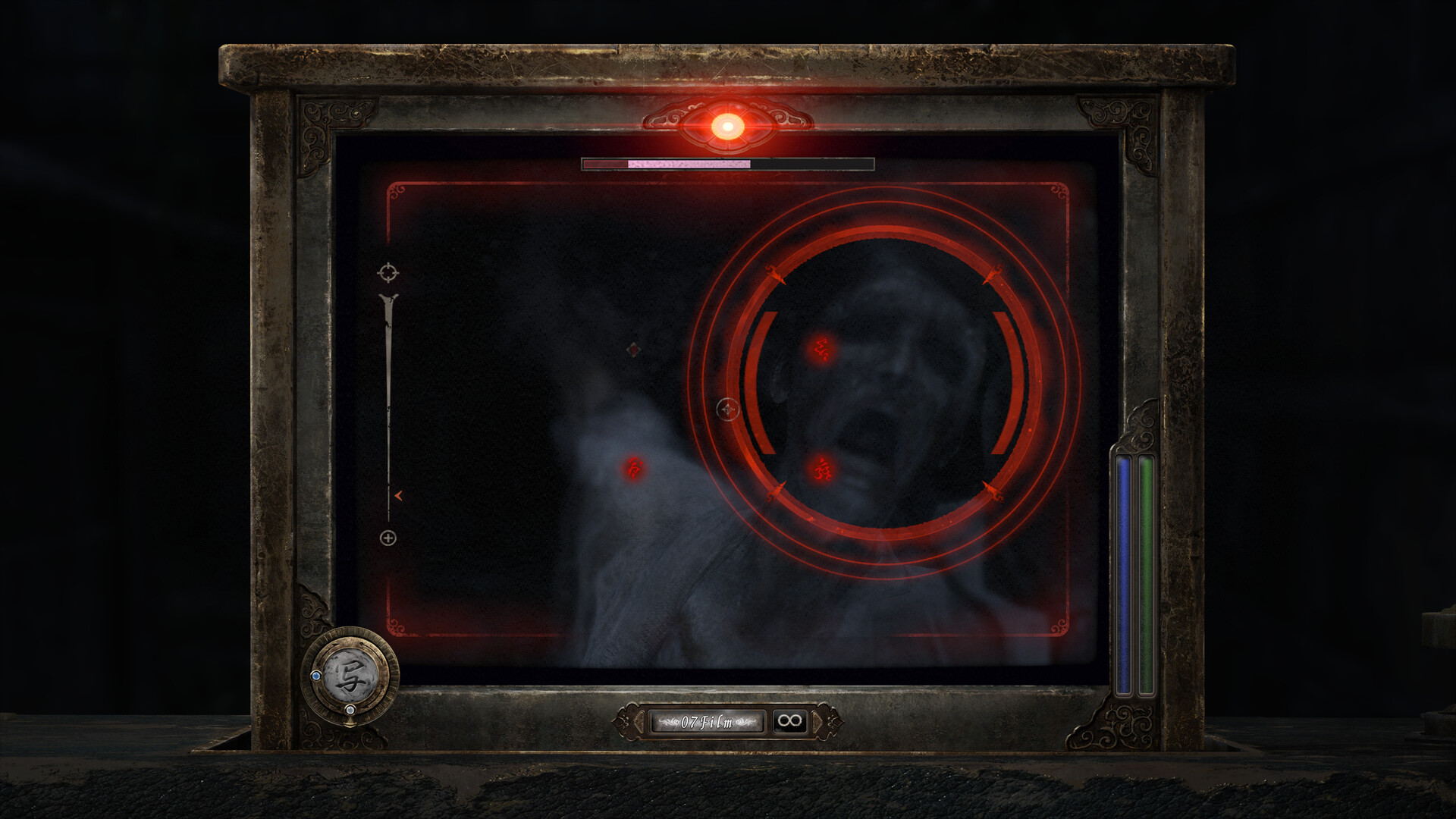
The iconic camera obscura receives a small suite of upgrades: a zoom function, a focus toggle, and visual filters that can be applied during combat or investigation. While the zoom and focus options might appear useful, they rarely affect the outcome of a battle. Ghosts still require a direct, clear shot of their face to be damaged, and the added controls can make the already deliberate combat feel more cumbersome.
The filters, designed to emulate night‑vision, infrared, or a sepia “memory” mode, are equally underutilized. They are selectable via a quick‑menu, but they do not grant strategic advantages; they merely alter the aesthetic. For purists, this is an unnecessary layer of complexity that distracts from the elegant simplicity of the original camera system.
The Camera as Weapon
Combat in Fatal Frame II is defined by the camera obscura, which replaces bullets with rolls of film. This system is still a masterstroke, using a photographic flash to “capture” a spirit feels both intimate and terrifying, especially when the ghost’s face is suddenly forced into a close‑up view.
However, the battle pacing suffers from a serious flaw: drag. Even after lining up a perfect shot, the resulting damage often feels insufficient. Regular specters can require multiple perfect photographs, extending a simple encounter into a minute‑long slog. The real issue surfaces during boss fights. The primary antagonists can demand 10‑plus minutes of sustained focus, forcing the player to repeat the same camera movements over and over. The combat thus becomes a test of endurance rather than tension, diluting the horror’s impact.
A Polished, Yet Not Groundbreaking Presentation
The remake’s art direction stays faithful to the original’s muted palette, but it benefits from higher‑resolution textures, improved lighting, and more detailed character models. While the game does not reach the photorealistic heights of contemporary AAA horror, it looks better in motion than it did in pre‑release screenshots. The fog that perpetually blankets the abandoned village feels thicker and more atmospheric, and the spectral apparitions now possess subtle particle effects that make them appear more like genuine entities.
Audio is where the remake truly shines. The ambient soundtrack shifts fluidly between eerie whispers, distorted strings, and solemn piano motifs that echo the sisters’ emotional journey. The sound of the camera’s shutter—crisp, metallic, and reverberating—serves as an auditory cue for danger. Ambient footsteps, distant chimes, and the ever‑present wind through the village’s broken shutters all contribute to an oppressive soundscape that keeps the player on edge even when no ghost is visible.
Conclusion
Fatal Frame II: Crimson Butterfly – Remake is, at its heart, a scary game. Its atmosphere is undeniably haunting, its narrative one of the most compelling horror stories in recent memory.The visual and audio enhancements give the title a refreshed aesthetic without sacrificing its core identity.
Nevertheless, the remake stumbles in two key areas. First, the new gameplay features (hand‑holding, camera filters, zoom/focus) feel more like cosmetic afterthoughts than meaningful improvements. Second, and more critically, the combat system feels sluggish and under‑rewarding, especially during the elongated boss encounters. The camera mechanic remains conceptually brilliant, but the execution in the remake fails to evolve it to a level that matches the rest of the game’s polished presentation.
Fatal Frame II: Crimson Butterfly Remake succeeds in reviving a classic horror experience for a new generation, but it does so with a level of polish that stops short of excellence. The game’s strengths—its dread‑inducing environmental design, its deep, emotionally resonant story, and its haunting soundscape—more than compensate for its combat’s sluggishness for many players. If you can overlook the drawn‑out camera battles, you’ll be rewarded with an unforgettable, melancholic horror journey that still feels fresh after two decades. Play it if you love the series or crave a beautifully tragic horror tale. Skip it if you can’t tolerate slow, repetitive combat.
Leave a Reply