
When the original Scott Pilgrim vs. The World: The Game first hit consoles, it quickly became a cult‑favorite for its tight beat ‘em up mechanics, pixel‑perfect art, and the sheer joy of bashing through hordes of league of evil exes with friends by your side. Years later, the announcement that the team behind Shredders Revenge and Marvel: Cosmic Invasion was developing a sequel sparked a wave of excitement in me. Scott Pilgrim EX does a respectable job of honoring its roots, yet its attempt to overhaul the classic stage‑based formula into a more open‑map experience ends up feeling more like a nostalgic cash‑in than a genuine evolution.
Gameplay & Beat ‘Em Up Roots
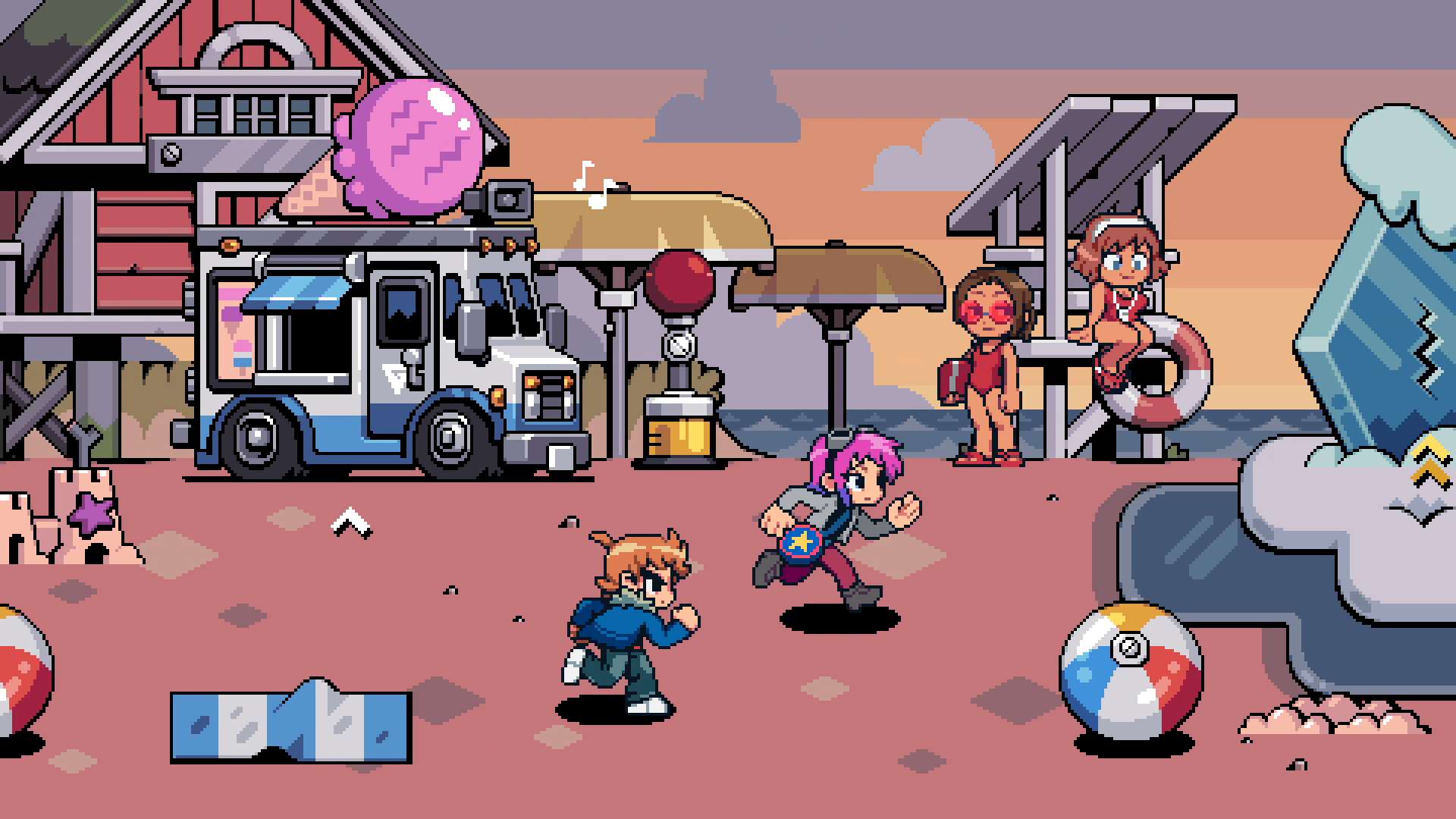
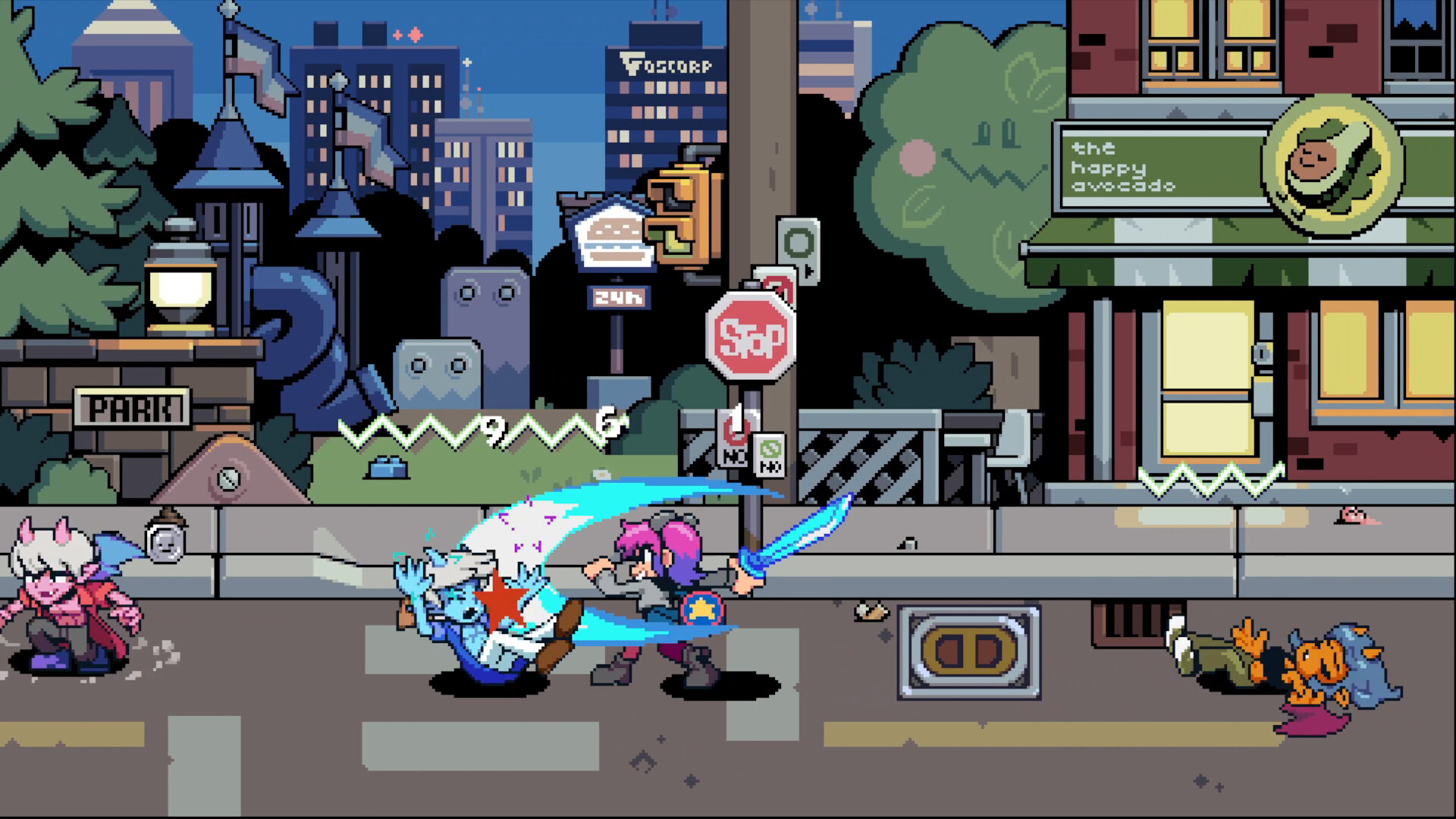
At its core, Scott Pilgrim EX still delivers the satisfying, combo‑heavy combat that defined the original. The attacks are crisp, the hit‑sounds punchy, and each character’s move set feels distinct enough to encourage swapping between them for variety. Whether you’re wielding Ramona’s bass‑guitar slams, Scott’s trusty kick‑and‑punch combo, or one of the newer heroes, the feel of each strike is immediate and rewarding. Enemy encounters consistently provide that rush of “just one more wave” that keeps me hooked in short bursts, exactly what a beat ‘em up should do.
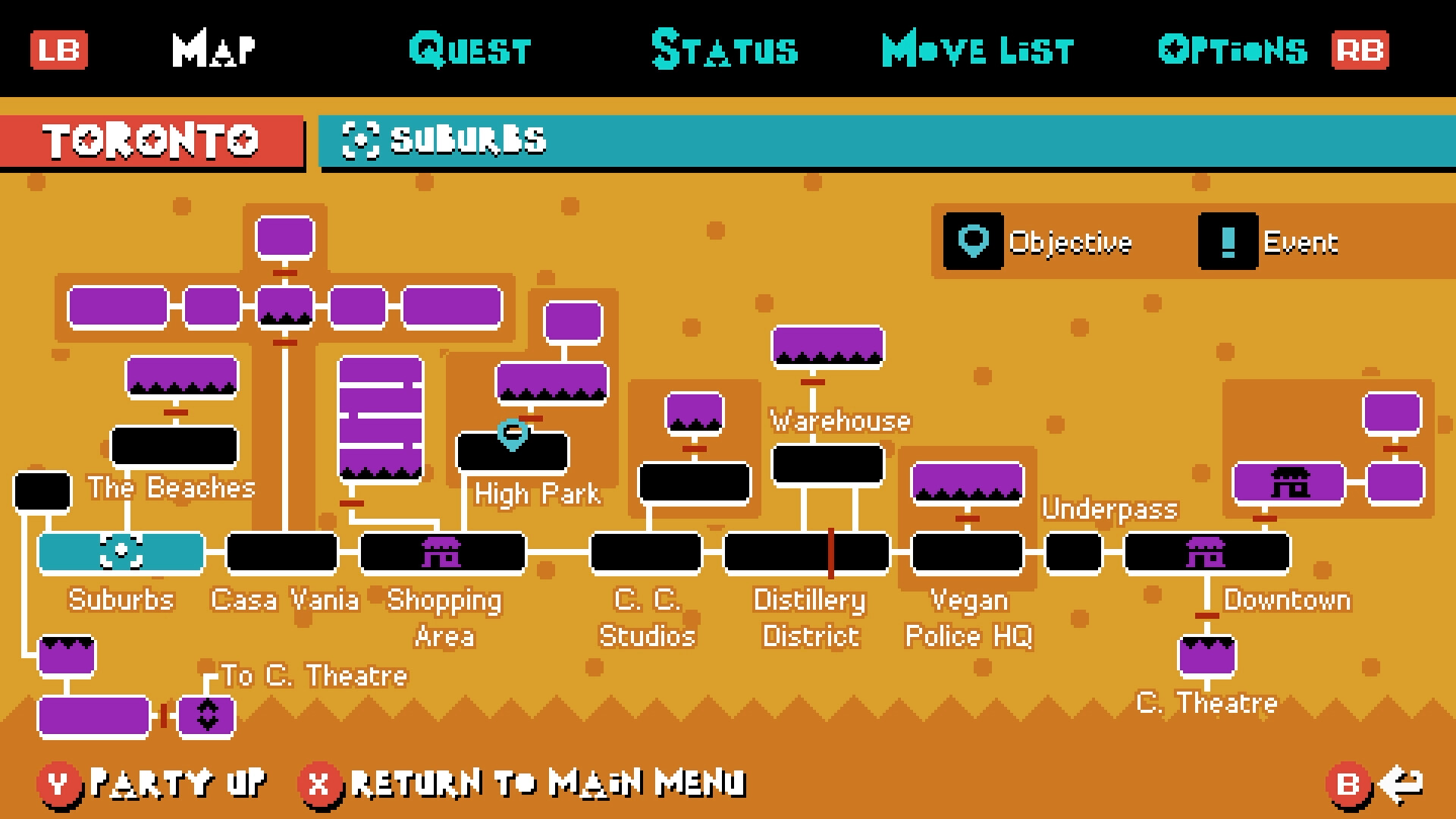
However, the game departs dramatically from the classic stage/mission structure. Instead of clear, linear levels that guide you from one boss to the next, Scott Pilgrim EX offers a semi‑open map reminiscent of a search‑action title. You’re often forced to backtrack, collect a new ability in one area just to unlock the path you originally came from. This design choice, while ambitious, clashes with the genre’s emphasis on forward momentum. The result is an awkward dance of “run, collect, run back,” which dilutes the pure, unfiltered bashing that I wanted from the game.
Visuals & Nostalgia
Visually, Scott Pilgrim EX strikes a pleasing balance between retro charm and modern polish. The art direction leans heavily on the aesthetic of the Netflix adaptation—bright, stylized colors, exaggerated character proportions, and fluid, comic‑book‑inspired animations. Yet the textures are sharper, the lighting more dynamic, and the background details richer than the original pixel art could ever achieve. This blend makes the game feel both familiar and fresh, allowing newcomers to jump in without needing prior knowledge of the comics or the first game.
The soundtrack also deserves a nod. While it doesn’t reinvent the iconic indie‑rock vibe that defined the first title, it offers a solid mix of new tracks and faithful remixes that sit perfectly under the on‑screen chaos. The audio cues for combo execution and enemy defeat are satisfying, reinforcing each successful hit with a satisfying auditory punch.
Conclusion
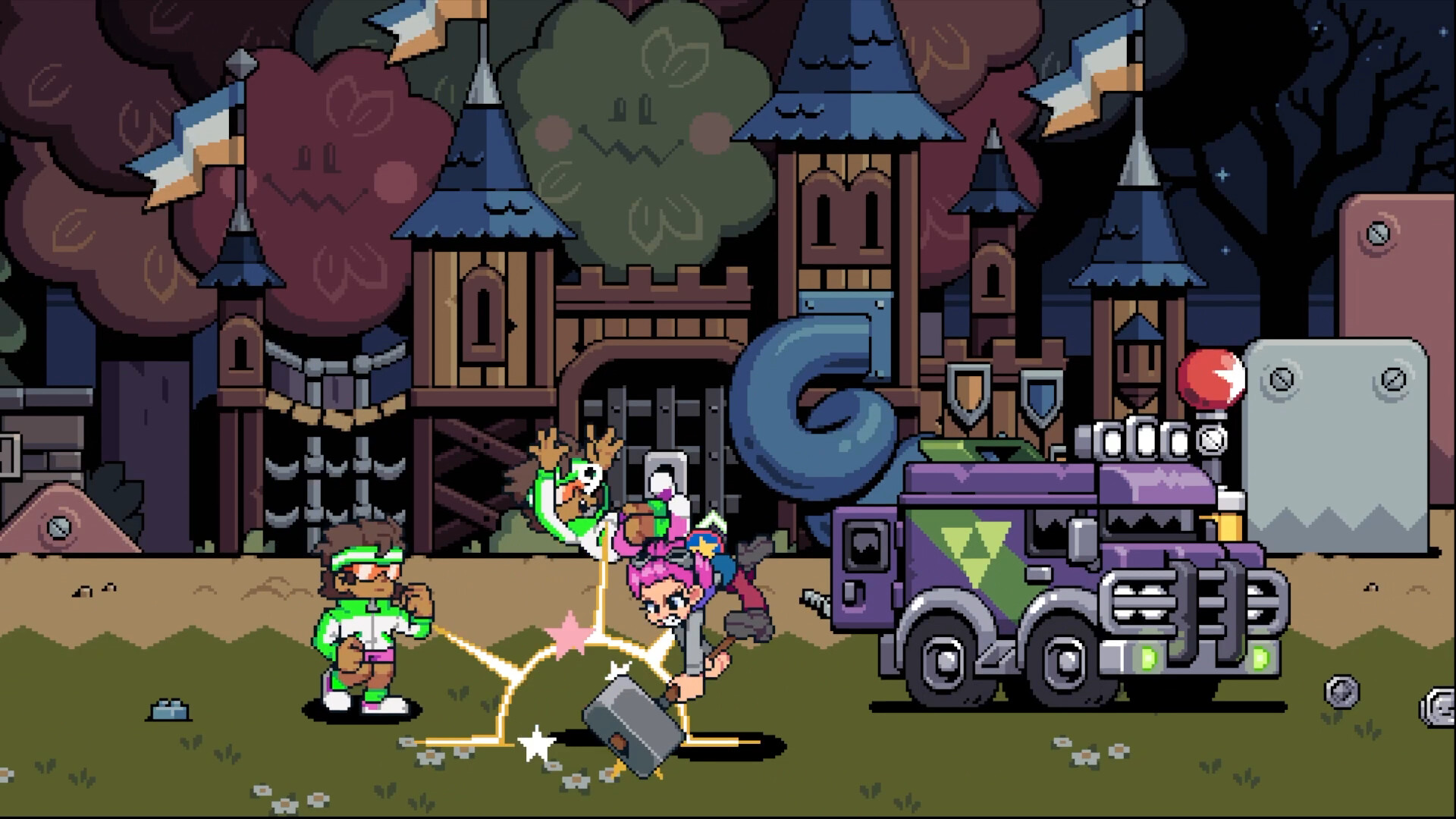
Scott Pilgrim EX succeeds spectacularly when it focuses on what it knows best: delivering combo‑driven fights with an appealing cast of characters. Its visual overhaul pays homage to the comics and the Netflix series, while still feeling accessible to those unfamiliar with the source material. Yet the gamble of replacing the classic stage progression with an open‑map, skill‑gate system undermines the very core of the beat‑‘em‑up experience. The resulting dissonance between nostalgic combat and a cumbersome mission structure drags the overall enjoyment down.
If you’re a die‑hard fan of the original or simply love a well‑crafted brawler, you’ll find plenty to love in the moment‑to‑moment combat of Scott Pilgrim EX. But if you’re looking for a cohesive, modern beat‑‘em‑up that respects both its legacy and contemporary design sensibilities, there are stronger contenders in the genre today. In short, the game offers a solid fight but a shaky framework—a worthwhile experience for a few hours of nostalgic slugfest, but not a definitive sequel worthy of the original’s lasting legacy.
Leave a Reply